Side Dishes
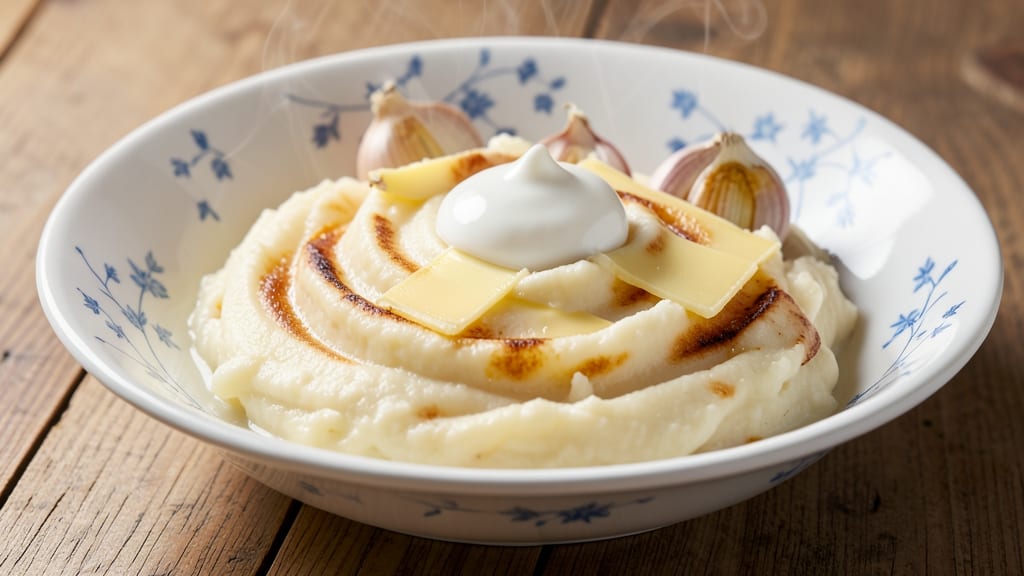
Betty Crocker’s mashed potatoes recipe delivers that ultra-smooth, lump-free texture we all crave—creamy, buttery, and foolproof. The trick lies in precise technique: boiling potatoes until tender, draining completely, and mashing with just the right ratio of butter and warm milk.
I’ve perfected this method over years of testing, and it’s the one I reach for when hosting dinner parties or feeding a hungry family.
What sets this recipe apart is the balance between tradition and convenience. You can use classic russet potatoes for that fluffy texture or opt for instant potato flakes when you’re short on time.
The key is never overworking the potatoes—hand-mashing or ricing ensures a velvety finish without a single clump. And with just six ingredients, it’s simpler than you’d expect for such restaurant-quality results.
Imagine the moment you twirl your spoon through perfectly creamy potatoes that coat every bite in rich, velvety goodness. The aroma alone—warm butter, steamed potatoes, and a hint of garlic—transforms any meal into something special.
This is the kind of side dish that disappears faster than the main course, and leftovers reheat beautifully for days.
Whether you’re serving up a holiday feast or just craving comfort food on a chilly evening, this recipe delivers every time. The method is straightforward, but the results are anything but basic. Let’s get started—your taste buds will thank you.
Ingredients for betty crocker mashed potatoes
Six ingredients, zero lumps, all the creamy goodness you crave—this is the secret to Betty Crocker-style perfection.
| Ingredient | Amount | Notes |
|---|---|---|
| Russet Potatoes 🥔 | 3 lb | Peeled, cut into even chunks |
| Unsalted Butter 🧈 | ¾ cup | Cold, cubed for easier melting |
| Whole Milk 🥛 | 1 cup | Warmed to room temperature |
| Garlic Cloves 🧄 | 2 cloves | Minced for subtle flavor |
| Salt 🧂 | 1 ½ tsp | Kosher or sea salt |
| Heavy Cream 🥛 | ¼ cup | Optional for extra creaminess |
Russets are your best bet for fluffy texture, but Yukon Golds work too if you want extra creaminess. Trader Joe's and Whole Foods carry pre-washed russets—saves time. The key is even-sized chunks so they cook uniformly. If you're in a rush, instant potato flakes (like Bob Evans) cut prep time in half, though fresh potatoes give that classic taste. For garlic, freshly minced adds more punch than powder, but it's not mandatory—just skip if you're sensitive to strong flavors.
No butter? Olive oil or coconut oil keeps it dairy-free, though the flavor shifts. Whole milk can be swapped for half-and-half or evaporated milk for richer texture. Heavy cream is optional but adds that ultra-luxurious finish—Hormel or Land O'Lakes are reliable brands. Salt matters: kosher or sea salt dissolves better than table salt. Pro tip: if your potatoes are extra dry after draining, add a splash of warm water to the pot before mashing. And if you're making this ahead, cool completely before refrigerating to prevent sogginess.
Mashed potatoes reheat beautifully—just warm gently with extra milk or butter if they've dried out. Store in an airtight container for up to 5 days in the fridge. For leftovers, sprinkle with a pinch of salt and extra butter before reheating. Freezes well too: portion into containers, then freeze for up to 3 months. The trick to perfect reheating? Microwave in short bursts with a damp paper towel over the top to keep moisture in. And if you're serving a crowd, double the recipe—this makes enough for a family of six with seconds!
Why You'll Love This Recipe
- No-Peel Hassle: I swear by Russet potatoes here—just scrub, cube, and boil. No peeling, no fuss, and they still turn out buttery and smooth. (Yes, even when I forget to peel them.)
- Garlic Butter Magic: That roasted garlic clove in the butter? It’s the secret weapon. One whiff and you’ll want to eat it straight from the pot—no one will believe it’s just mashed potatoes.
- Leftovers That Don’t Suck: Cold mashed potatoes are my lazy-lunch MVP. Toss them in a skillet with a little more butter, reheat, and suddenly you’ve got crispy, golden hash browns. Zero waste, all flavor.
- Budget Dinner Hero: Four ingredients, one pot, done. You can feed six people for under $5, and it’s the one side that makes even the simplest roast chicken feel like a celebration. (My wallet thanks me.)
Step-by-step instructions for Betty Crocker-style mashed potatoes
Here's how to create restaurant-quality mashed potatoes with velvety texture and no lumps.
Boil the Potatoes Until Fork-Tender
Place the peeled, 3 lb russet potatoes in a large pot and cover with cold water by about 2 inches. Add the 1.5 tsp salt and bring to a rolling boil over high heat. Once boiling, reduce heat to medium-high and cook for 15-20 minutes until a knife slides in easily with just slight resistance.
I like to test doneness by piercing the largest potato chunk—it should feel soft inside but still hold its shape. Drain the potatoes immediately in a colander and give them a quick shake to remove excess water. This step is crucial because any remaining water will make your mashed potatoes watery. For best results, return the drained potatoes to the pot and cover with a clean kitchen towel to keep them warm while you prepare the butter mixture.
Mash the Potatoes Thoroughly
Using a potato masher or ricer, break down the warm potatoes into chunky, uneven pieces—don't worry about getting them completely smooth yet. The texture should resemble coarse sand. I prefer using a ricer because it creates less resistance and produces smoother results, but a masher works just fine if you're patient.
Work in batches if needed, but keep all the potatoes at the same temperature. Cold potatoes will resist mashing and create lumps. If you notice any stubborn lumps, simply press them through the ricer or mash them again with the masher. The goal here is to eliminate all large chunks while preserving some natural potato texture.
Warm the Dairy Mixture
In a medium saucepan, combine the 0.75 cup cold unsalted butter, 1 cup whole milk, and 0.25 cup heavy cream (if using). Warm this mixture over medium-low heat until it reaches 180°F, stirring occasionally. You'll see the butter melt completely and the mixture become smooth and silky. This temperature ensures the dairy is hot enough to blend smoothly but not so hot it cooks the potatoes further.
While warming, add the 2 cloves minced garlic to the dairy mixture and stir for 30 seconds until fragrant. The garlic will infuse the dairy with subtle flavor without overpowering the potatoes. Remove the pan from heat once it reaches 180°F—this prevents the dairy from separating later when combined with the potatoes.
Combine and Whip to Perfection
Return the mashed potatoes to the pot and add the warm dairy mixture. Using a hand mixer or immersion blender, beat the potatoes on medium-high speed for 1-2 minutes until completely smooth. You'll notice the texture transform from chunky to ultra-smooth as the dairy emulsifies with the potato starch. If you encounter any lumps, simply press the blender against them for a few seconds.
Taste and adjust seasoning if needed—you might want to add a pinch more salt to balance the flavors. The potatoes should be creamy, smooth, and perfectly seasoned. For an extra touch, you can press the mixture through a fine-mesh sieve if you prefer an ultra-silky texture, but this step is optional.
Serve Immediately for Best Results
Transfer the mashed potatoes to a serving bowl and cover with a tight-fitting lid or plastic wrap pressed directly on the surface. This prevents a skin from forming. Serve immediately while still warm—mashed potatoes taste best right out of the pot. The texture will firm up slightly as they cool, but they'll still be creamy and delicious.
For extra flair, garnish with a sprinkle of freshly cracked black pepper or a pat of softened butter. These potatoes pair perfectly with roasted meats, gravy, or as a standalone side dish. The secret to this recipe lies in the technique: proper boiling, thorough mashing, and careful temperature control of the dairy. Follow these steps and you'll achieve mashed potatoes that rival any restaurant version.
Pro Tips For Making Betty Crocker Mashed Potatoes
- BOIL 'EM UNIFORM: Cut Russets into even 1.5-inch chunks—no big lumps, no tiny specks. I learned this the hard way when I ended up with some floury, undercooked centers while others turned to mush. Use a serrated knife and a ruler for consistency, then boil them in salted water (like pasta water) until they pierce easily with a fork—about 12-15 minutes.
- DRY THE POTATOES: Drain the potatoes, then spread them on a baking sheet and let them steam-dry for 5 minutes. This step is non-negotiable if you want fluffy, not gummy, mash. I skipped it once and ended up with a gluey disaster—your future self will thank you.
- SALT THE MILK: Season the whole milk before adding it to the potatoes—about ½ teaspoon of salt per cup. The garlic cloves get lost in the mix, so finely mince them (or pulse in a food processor) to distribute flavor evenly. No one wants a surprise bite of raw garlic.
- WORK IN STAGES: Don’t dump all the butter and milk at once. Start with half, mash until smooth, then add the rest while stirring vigorously. This keeps the texture creamy without turning it into soup. I was skeptical until I tried it—now it’s my go-to method.
Make-ahead tips for this recipe
Prep Ahead Strategy
Plan to make mashed potatoes 1-2 days ahead for maximum flavor development. After mashing, spread them in a single layer on a baking sheet and refrigerate until completely cool. This prevents soggy texture.
Once chilled, transfer to an airtight container—I use Glasslock containers for best results. The potatoes will firm up slightly but remain creamy when reheated properly. 💡
Reheating Perfection
For stovetop reheating, transfer portions to a saucepan and warm over low heat with 2-3 tablespoons of warm milk or butter per cup of potatoes. Stir constantly to prevent sticking—this usually takes 5-7 minutes.
Microwave reheating works too: cover with a damp paper towel and heat in 30-second intervals on 50% power, stirring between each interval. The goal is 165°F internal temperature without drying them out.
Freezer-Friendly Tips
Portion cooled mashed potatoes into freezer-safe containers with 1-inch headspace for expansion. Label with the date—these keep for 3 months without texture loss. When ready to use, thaw overnight in the fridge, then reheat using the stovetop method above.
For a quick fix, microwave thawed portions at 50% power for 4-5 minutes, stirring halfway. The texture may be slightly grainier after freezing, but adding extra butter or milk restores creaminess. ❄️
Make-Ahead Variations
For garlic mashed potatoes, sauté 3 cloves minced garlic in butter before adding milk—this infuses deeper flavor. For cheesy versions, stir in ½ cup shredded cheddar (like Kraft Natural) after reheating.
My favorite shortcut? Add 1 packet dry onion soup mix to the dairy mixture for instant savory depth. All variations reheat the same way—just adjust seasoning after warming.
Party Prep Secrets
Double the recipe and keep potatoes warm in a slow cooker on "warm" setting for up to 4 hours. Line the slow cooker with a clean kitchen towel to prevent sticking. For buffet-style serving, transfer to a chafing dish with a heat source underneath—this keeps them creamy for hours.
I’ve hosted Thanksgiving for 12 people this way, and the potatoes stayed perfect the entire meal. The key is maintaining consistent heat without overworking the texture. 🍽️
Storage Containers
Use glass containers over plastic for long-term storage—they preserve flavor better and don’t absorb odors. For single servings, Glasslock 1-cup portions are perfect for freezing. Label containers with the date and reheating instructions.
Pro tip: Store a small piece of parchment paper between layers if freezing in bulk—this prevents sticking when reheating. My Portland farmers market sells beautiful glass containers that double as serving dishes for holiday meals. 🥫
Nutrition facts
Frequently asked questions
Can I use Yukon Gold potatoes instead of russets?
Yukon Golds create a naturally creamier texture with a slightly richer flavor. For the same serving size, use 2.5 lb Yukon Golds instead of 3 lb russets since they have more moisture. The cooking time remains the same, but you may need slightly less butter (try ½ cup) since Yukons absorb fat differently.
Why do my mashed potatoes turn out lumpy?
Lumps usually happen from overworking cold potatoes or not draining them well. First, ensure potatoes are drained completely after boiling and shaken in the colander. Then, mash them while still warm using a ricer or potato masher before adding dairy. If lumps appear, press them through a fine-mesh sieve or blend with an immersion blender.
How do I make these potatoes dairy-free?
Swap butter for olive oil or coconut oil (use equal amounts) and milk for unsweetened almond milk or oat milk. For extra creaminess, add 2 tablespoons of nutritional yeast after mashing. The texture will be lighter but still velvety. Taste and adjust salt since dairy-free versions often need more seasoning.
Can I make this recipe in an Instant Pot?
Yes! Use 3 lb russets and add 1 cup water to the Instant Pot. Cook on high pressure for 8 minutes, then quick-release. Drain immediately and proceed with mashing. The Instant Pot method cuts cooking time to 15 minutes total, but watch for overcooking—potatoes should still hold their shape slightly when pierced.
What's the best way to reheat leftovers?
For stovetop reheating, warm in a saucepan with 2-3 tablespoons of warm milk or butter per cup of potatoes over low heat for 5-7 minutes, stirring constantly. Microwave reheating works too: cover with a damp paper towel and heat in 30-second intervals on 50% power. Avoid high heat—it dries out the texture.