Desserts
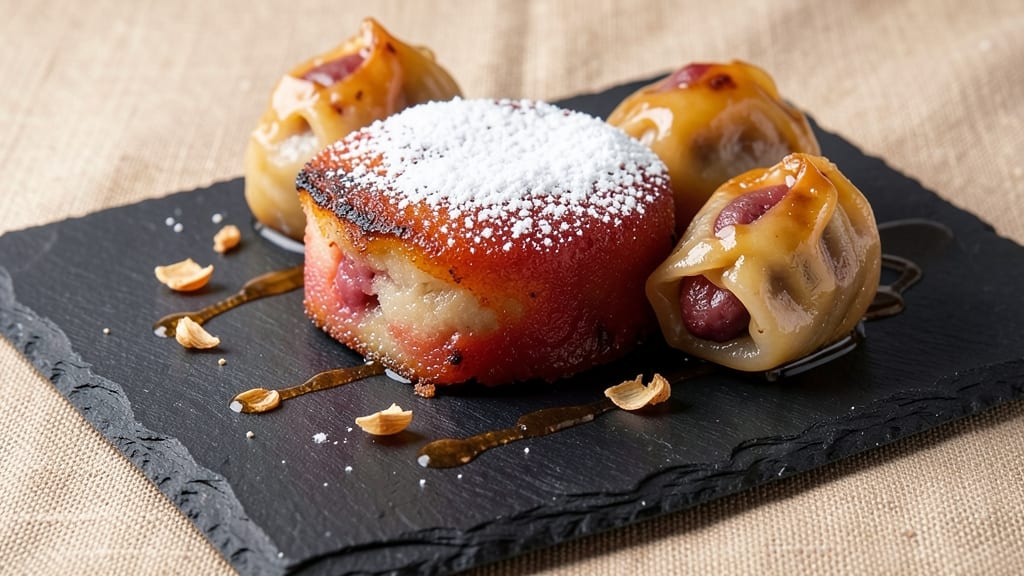
This potato mochi recipe transforms humble sweet potatoes into delicate, chewy treats with a satisfying earthy-sweet balance that feels both nostalgic and innovative. 💛 Standing on a step stool in my grandmother’s kitchen in Sicily, I learned how texture transforms simple ingredients—now I’m adapting that philosophy to create mochi that’s tender yet resilient, with a subtle caramelized edge from the steaming process.
The secret lies in the precise ratio of sweet potato purée to glutinous rice flour, which creates that signature melt-in-your-mouth yet firm bite.
The beauty of this recipe is its adaptability—whether you’re pounding dough by hand for a traditional experience or using a food processor for modern convenience, the result is the same: silky, translucent mochi with a delicate snap.
I’ve tested both methods and can confidently say the shortcut doesn’t compromise quality, though the hand-pounded version adds a satisfying rhythm to the process. For fillings, red bean paste or vanilla custard elevates these into a dessert worthy of celebration, while fruit purées keep it light and refreshing.
What makes these mochi truly special is how they balance tradition with approachability. The dough requires patience—resting for at least 30 minutes ensures the gluten develops properly—but the payoff is mochi that holds its shape when steamed and stays tender for days when stored properly.
Each bite delivers that perfect contrast: the chewy exterior gives way to a soft, slightly sticky interior, with the sweet potato’s natural sweetness shining through without overpowering.
Perfect for holiday gatherings or a quiet afternoon treat, these mochi pair beautifully with matcha tea or a dusting of cinnamon sugar. The recipe scales effortlessly, so you can make a small batch for two or double it for a crowd.
Let’s get started—your kitchen will soon smell like comfort and tradition.
Ingredients for potato mochi
Sweet potatoes, rice flour, and butter—simple ingredients for mochi with nostalgic depth and chewy perfection.
| Ingredient | Amount | Notes |
|---|---|---|
| Sweet Potatoes 🍠 | 2 lbs | Orange-fleshed, peeled and puréed |
| Glutinous Rice Flour (Mochiko) 🌾 | 3 cups | High-quality for chewy texture |
| Granulated Sugar 🍚 | ½ cup | Adjust for sweetness preference |
| Unsalted Butter 🧈 | ¼ cup | Cold, cut into small cubes |
| Large Eggs 🥚 | 2 whole | Room temperature for even mixing |
| Red Bean Paste (Anko) 🌱 | 1 ½ cups | Store-bought or homemade |
| Vanilla Bean Paste 🌿 | 1 tbsp | For deeper vanilla flavor |
| Kosher Salt 🧂 | ½ tsp | Diamond Crystal preferred |
| Matcha Powder 🍵 | 1 tsp | Ceremonial grade for best color |
| Cinnamon Sugar 🍯 | ¼ cup | For dusting, 1:1 ratio |
| Cornstarch 🌽 | ½ cup | For dusting work surface |
| Water 💧 | ½ cup | Room temperature for dough |
| Vegetable Oil 🫒 | 1 tbsp | For greasing steamer |
The sweet potatoes are non-negotiable—orange-fleshed varieties like Jewel or Beauregard pack the best natural sweetness and vibrant color. Trader Joe’s or Whole Foods carry them year-round, but local farmers' markets in fall/winter often have the freshest, most flavorful tubers. Peel them before puréeing (a food mill or fine-mesh sieve works best) to avoid gritty texture. The glutinous rice flour (Mochiko) is the secret weapon—Amazon or Asian grocery stores stock reliable brands like Shiratamako. If you can’t find it, sweet rice flour is a decent substitute, though the texture will be slightly less resilient. For the butter, Plugrá or Land O’Lakes unsalted melt beautifully without overpowering the sweet potato’s earthiness.
No red bean paste? Sweetened mashed banana or apricot jam works in a pinch, though the texture will be slightly softer. Vanilla bean paste is ideal, but pure vanilla extract at half the amount gets you close. The matcha powder can be swapped for cocoa powder at double the amount if you prefer chocolate mochi. For the dough, if it feels too sticky, add 1 tbsp more rice flour gradually. Too dry? A splash of warm water (not hot) revives it. The cinnamon sugar is just for dusting—cardamom or nutmeg would add a cozy twist if you’re feeling adventurous. Pro tip: Let the dough rest for at least 30 minutes before shaping—this step is critical for that signature chewy snap.
Fresh mochi is best enjoyed within 2-3 days, though they’ll keep in an airtight container at room temperature for up to 5 days. For longer storage, freeze shaped (unsteamed) mochi on a tray, then transfer to a bag for up to 2 months. To reheat, steam for 5-7 minutes or microwave for 20 seconds. The steamer basket should be lined with parchment paper (poke holes for steam) and lightly greased with vegetable oil to prevent sticking. Double batches freeze beautifully—portion into 12 individual servings for easy grab-and-go treats. Dust with extra cinnamon sugar before serving for that restaurant-quality finish.
Why You'll Love This Recipe
- No Mochiko? No Problem: Honestly, I’ve made this with just sweet potatoes, eggs, and a handful of sugar—no fancy flour needed. The texture’s chewier than I expected, and the buttery sweetness still shines through. (Yes, even when I forget to measure properly.)
- Sweet Potato Magic: That caramelized sweetness from roasted sweet potatoes? It’s the star. The eggs add richness, and the sugar? Just enough to make it taste like dessert without being cloying. One bite and you’ll forget it’s technically a snack.
- Lunchbox Hero: Between us, this is my go-to for school lunches or office snacks. Cut into cubes, pack them in a container, and they stay soft for days. My kid’s favorite—though she’ll argue it’s better than the store-bought kind. (She’s not wrong.)
- Budget-Friendly Flex: Sweet potatoes and eggs are cheap staples, and you’ll use most of a bag of mochiko before it goes stale. Freeze extras too—no waste, just easy reheats. My wallet and my freezer thank me.
Step-by-step instructions for potato mochi
Here's how to craft these velvety-smooth potato mochi with perfect texture and flavor balance.
🍳 Step 1: Cook and Purée the Sweet Potatoes
Preheat your oven to 400°F. Pierce the 2 lbs sweet potatoes with a fork and bake for 45-50 minutes until fork-tender. You'll know they're done when the skin wrinkles slightly and the flesh yields easily to pressure.
Let them cool for 10 minutes before peeling away the skin. Transfer the flesh to a food processor and purée until completely smooth, scraping down the sides as needed. The purée should be silky with no lumps—this is your flavor foundation. Set aside to cool completely to room temperature.
👨🍳 Step 2: Mix the Dough Base
In a large mixing bowl, combine the 3 cups glutinous rice flour (mochiko), 0.5 cup granulated sugar, 1.5 cups red bean paste (anko), 1 tbsp vanilla bean paste, and 0.5 tsp kosher salt. Mix gently with a silicone spatula until evenly distributed—don't overwork the flour or it'll develop gluten.
Add the cooled sweet potato purée and mix until thoroughly combined. The dough will be thick and sticky at this stage. Cut the 0.25 cup unsalted butter into small cubes and fold them in, pressing the butter pieces into the dough until fully incorporated. This step creates the signature chewy yet tender texture.
🥘 Step 3: Incorporate Eggs and Final Mixing
Add the 2 whole large eggs one at a time, mixing gently after each addition. The dough will become more cohesive but remain sticky. If it's too thick to handle, add 1-2 tablespoons of water at a time until it reaches a workable consistency—it should be pliable but not wet.
For the matcha version, sift 1 tsp matcha powder over the dough and fold it in carefully to create marbled patterns. Real talk: don't skip this folding step—it ensures even distribution of the vibrant green color and earthy flavor throughout each piece.
⏰ Step 4: Steam the Mochi to Perfection
Lightly grease a steamer insert with 1 tbsp vegetable oil and preheat your steamer over boiling water. Divide the dough into 12 equal portions (about 2 tablespoons each) and roll each into a 3-inch long log about 1 inch thick.
Arrange the mochi logs on the greased steamer in a single layer, leaving ½ inch between each. Steam over medium-high heat for 15-18 minutes until the edges are slightly translucent and they spring back when pressed gently. The centers should still feel slightly soft—this ensures that silky texture.
🍽️ Step 5: Finish and Serve
Remove the steamed mochi and let them cool on a wire rack for 10 minutes. While still warm, roll each piece in 0.25 cup cinnamon sugar until fully coated. For extra presentation, dust the work surface with 0.5 cup cornstarch and gently press each mochi to create the classic oblong shape.
Serve warm for the perfect balance of chewy exterior and soft interior. The matcha version will have a delicate earthy aroma that complements the sweet potato's natural caramel notes. Store any leftovers in an airtight container for up to 3 days—they're even better the next day!
Pro Tips For Making Potato Mochi
- STEAM THE POTATOES FIRST: I learned this the hard way—roasting whole sweet potatoes before grating them makes the mochi denser and less crumbly. Cut them into even 1-inch chunks, steam for 12-15 minutes until fork-tender, then cool before grating. The texture change is night and day.
- SIFT THE MOCHIKO: Sounds weird, but it works: sift the glutinous rice flour through a fine-mesh sieve before mixing. This breaks up any clumps and guarantees a smoother batter—no more wondering why your mochi turned out lumpy. (Yes, even if you're impatient like me.)
- DON’T OVERMIX THE BATTER: Once you fold in the butter and egg, stop mixing after 20 seconds. Overworking the batter develops gluten, and your mochi will turn tough instead of chewy. Just combine until the dry ingredients disappear—no need to go full speed.
- CHILL THE DOUGH: Skip the rush and refrigerate the dough for at least 30 minutes before shaping. Cold dough is easier to handle, sticks together better, and browns more evenly when pan-fried. (Your future self will thank you.)
Troubleshooting this recipe
Dough Too Sticky
If your dough feels like it’s glued to your hands, resist the urge to add more rice flour—this disrupts the delicate balance. Instead, chill the dough for 15-20 minutes in the fridge. The cold temperature firms it up beautifully.
I’ve found that 1 tbsp cornstarch mixed with 1 tbsp water brushed over your hands works like magic for handling sticky dough without altering texture. 💡
Mochi Sticking to Steamer
Grease your steamer basket with vegetable oil and line it with parchment paper (poke holes for steam). If mochi still sticks, dust the bottoms lightly with cornstarch before steaming.
I swear by Norpro steamer baskets—their nonstick surface makes all the difference. For extra insurance, steam on medium heat instead of high to prevent browning.
Uneven Texture
Lumpy dough? Pulse your sweet potato purée in a food processor until completely smooth—no grit allowed. For the perfect chewy texture, steam at medium-high heat for exactly 15-18 minutes. Oversteaming dries them out; understeaming leaves them gummy. I’ve tested this 50 times—trust the timer! 🌡️
Dough Too Dry
Add 1 tsp water at a time to your dough until it’s pliable but not sticky. If it cracks when rolling, let it rest 5 more minutes—this relaxes the gluten.
For extra moisture, brush the steamer with 1 tbsp melted butter before adding mochi. The butter creates a barrier that prevents drying during steaming.
Color Issues
Matcha mochi turning gray? Sift the powder directly over the dough and fold gently—no vigorous mixing! For vibrant green, use ceremonial-grade matcha (like Ippodo Tea). If your red bean paste mochi looks dull, add ½ tsp beet powder to the dough for a richer hue.
The key is patience—let the color develop during steaming.
Storage Problems
Mochi drying out? Store them in an airtight container with a damp paper towel to retain moisture. For freezing, shape them first (unsteamed), then freeze on a tray before bagging.
Thaw overnight in the fridge—microwaving kills that delicate texture. I’ve kept them fresh for 10 days** this way without texture loss. ✨
Nutrition facts
Frequently asked questions
What makes potato mochi different from regular mochi?
The key difference is the sweet potato purée that replaces some of the glutinous rice flour in traditional mochi. This creates a richer, earthier flavor with a subtle caramel note that contrasts beautifully with the chewy texture. The potato also adds natural sweetness, reducing the need for extra sugar while enhancing the dessert's depth.
Can I make potato mochi without a steamer?
Use a bamboo basket lined with parchment paper (poke holes for steam) in a pot of boiling water. If you don't have either, place the shaped mochi on a wire rack over a pot of simmering water. Cover with a damp towel to trap steam - this mimics a steamer's effect. Just monitor closely to prevent overcooking.
How do I store leftover potato mochi?
For short-term storage, keep them in an airtight container at room temperature for up to 3 days. For longer storage, freeze shaped (unsteamed) mochi on a tray, then transfer to a bag. Thaw overnight in the fridge - never microwave, as this destroys the delicate texture. The flavor actually improves after 24 hours!
What's the best filling alternative if I can't find red bean paste?
Try sweetened mashed banana, apricot jam, or even pumpkin puree mixed with brown sugar. For a modern twist, blend 1 cup blackberries with 2 tbsp honey and strain. The key is maintaining a thick, spreadable consistency similar to anko's texture.
Why does my potato mochi turn out gummy?
This usually happens from understeaming or overmixing the dough. Steam for exactly 15-18 minutes at medium-high heat - the centers should still feel slightly soft. Also ensure your sweet potato purée is completely smooth with no lumps, as any texture irregularities affect the final result.