Breakfast & Brunch
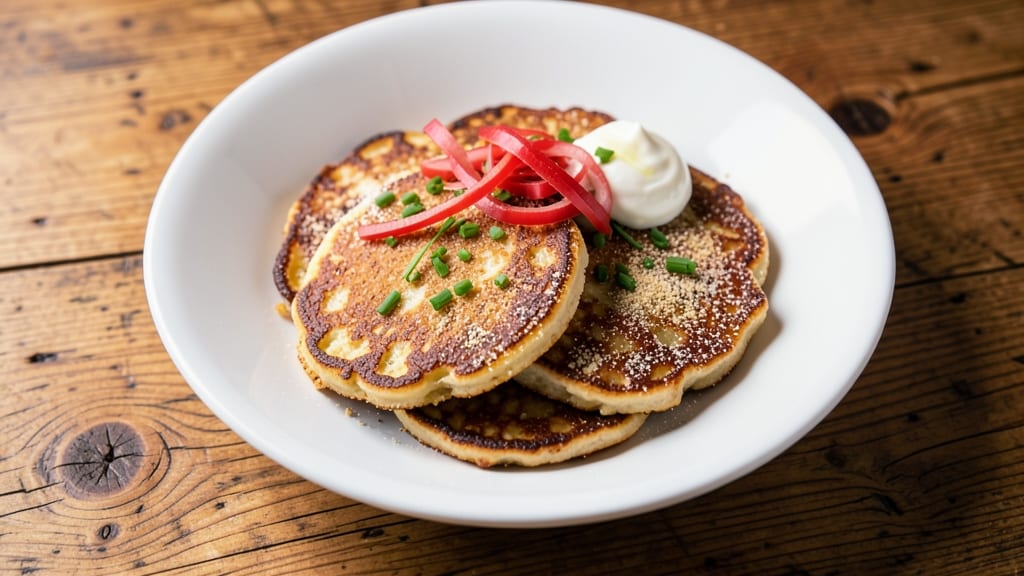
Izzy's potato pancake recipe delivers the perfect balance of crispy cornmeal crusts and fluffy centers—this is the version that finally convinced even my skeptical family to ask for seconds.
The secret lies in grating the potatoes just right, draining excess moisture thoroughly, and frying them at the precise temperature to create that golden, shatteringly crisp exterior while keeping the inside tender. I've tested countless variations over the years, and this method consistently produces restaurant-quality results at home.
What sets these potato pancakes apart is the cornmeal crust, which adds a delightful crunch without overpowering the natural potato flavor. The recipe uses simple pantry staples—potatoes, eggs, cornmeal, and a touch of onion—but the technique transforms them into something extraordinary.
Unlike traditional recipes that rely solely on flour, this version incorporates cornmeal for that signature crispy texture that holds up beautifully when served with dipping sauces.
By following these precise steps, you'll achieve perfectly golden pancakes with edges that are crisp enough to stand up to tangy sauces while maintaining a soft, fluffy interior.
The aroma alone as they fry in the pan will have everyone gathering around the kitchen, and the first bite delivers that satisfying contrast of textures. These aren't just potato pancakes—they're a crowd-pleasing centerpiece that elevates any brunch or dinner table.
The beauty of this recipe is its versatility—serve them with classic applesauce, sour cream, or a modern twist like spicy mayo and pickled onions. For those watching their gluten intake, a simple flour substitution maintains the same delicious results.
Let's get started on creating these crispy, fluffy potato pancakes that will become your new signature dish.
Ingredients for izzy's potato pancake
Simple pantry staples transform into restaurant-quality potato pancakes with crispy cornmeal crusts and fluffy centers.
| Ingredient | Amount | Notes |
|---|---|---|
| Russet Potatoes 🥔 | 3 lb | Freshly grated, moisture drained |
| Yellow Onion 🧅 | 1 medium | Finely grated, skin removed |
| Cornmeal 🌽 | ¾ cup | Fine grind preferred |
| Large Eggs 🥚 | 2 whole | Room temperature for even binding |
| All-Purpose Flour 🌾 | ¼ cup | For binding texture |
| Diamond Crystal Kosher Salt 🧂 | 1 ½ tsp | For seasoning and texture |
| Ground Black Pepper 🌶️ | ½ tsp | Freshly ground for aroma |
| Vegetable Oil 🫒 | 2 cups | High smoke point preferred |
| Fresh Parsley 🌿 | ¼ cup | Chopped, for garnish |
| Lemon Wedges 🍋 | 2 whole | For serving |
| Applesauce 🍎 | 1 cup | Unsweetened, for dipping |
| Sour Cream 🥛 | ½ cup | Full-fat for serving |
The russet potatoes are non-negotiable—their high starch content creates that signature fluffy interior. Organic russets from Whole Foods or your local farmers market yield the best results, but standard grocery store russets work too. Grate them immediately before mixing to prevent browning, and squeeze out every drop of moisture using a clean kitchen towel or cheesecloth. The yellow onion should be fresh and sweet, not bitter—red onions work too, but yellow provides that classic flavor. For a gluten-free adaptation, substitute the all-purpose flour with an equal amount of gluten-free 1:1 baking flour.
Cornmeal is the secret weapon here—it creates that signature crispy crust that holds up beautifully to dipping sauces. Fine grind cornmeal like Bob's Red Mill works best, but medium grind is acceptable in a pinch. Short on cornmeal? Substitute an extra 0.25 cup of flour, but expect slightly less crispiness. The eggs must be room temperature for even binding—cold eggs create dense pancakes. For a dairy-free option, replace the sour cream with coconut yogurt. The vegetable oil should have a high smoke point (like avocado or sunflower oil) to prevent burning during frying. Fresh parsley adds brightness, but dried parsley at one-third the amount works if you're in a hurry.
Potato pancakes are best served immediately after frying, but they reheat beautifully in a 350°F oven for 10-15 minutes. Store leftovers in an airtight container in the refrigerator for up to 3 days, though they lose some crispiness. For longer storage, freeze between parchment paper for up to 3 months. The cornmeal crust benefits from a quick reheat in a skillet with a touch of oil to restore crispiness. These pancakes pair perfectly with homemade applesauce or a tangy spicy mayo—both elevate the classic flavors.
Why You'll Love This Recipe
- No Fuss, Big Payoff: I swear, these pancakes take less effort than ordering takeout. Grate those Russets, mix in the onion and cornmeal, and boom—no peeling, no frying skills required. The eggs and flour bind it all together like magic.
- Crispy-Meets-Creamy Magic: That golden crust? Pure satisfaction. The cornmeal gives it a satisfying crunch while the potato inside stays tender—like a hug for your taste buds. Honestly, the onion adds just enough sweetness to make it irresistible.
- Weeknight to Potluck Hero: Make a double batch on Sunday and reheat them all week. They’re perfect with sour cream, applesauce, or even a fried egg on top. (Yes, even on a Tuesday night.) Bring them to a gathering—everyone will ask for the recipe.
- Budget-Friendly Staple: Russets and onions are cheap, and this recipe stretches far. I’ve fed four kids and a hungry husband with just one bag of potatoes. Plus, leftovers freeze like a dream—no sad, soggy pancakes here.
Step-by-step instructions for izzy's potato pancake recipe
Master the art of golden, crispy potato pancakes with a fluffy interior using this precise method.
Grate and Squeeze Moisture from Potatoes and Onion
Using a box grater or food processor, grate the 3 lb russet potatoes and 1 medium yellow onion into a large bowl. The finer the grate, the better the texture—aim for a consistency similar to coarse sand. Immediately transfer the grated mixture to a clean kitchen towel or cheesecloth and press firmly to remove excess moisture. This step is critical; leftover moisture prevents crispiness and creates soggy pancakes.
Work in batches if needed, squeezing until the towel is dry and the mixture resembles a thick, crumbly paste. I like to fold the towel into a bundle and twist it tightly before pressing—this extracts more moisture than just wringing. Leave the drained mixture in the bowl for now; we'll add the remaining ingredients shortly.
Combine Dry and Wet Binders for Perfect Texture
In a separate bowl, whisk together the 0.75 cup cornmeal, 0.25 cup all-purpose flour, 1.5 tsp diamond crystal kosher salt, and 0.5 tsp ground black pepper. This dry mixture forms the crispy crust of your pancakes. Sift the ingredients lightly to aerate them—this creates pockets that trap steam during frying, resulting in a fluffier interior.
Add the 2 whole large eggs to the grated potato mixture and mix gently with a wooden spoon until just combined. Avoid overmixing, which develops gluten and makes the pancakes tough. Gradually fold in the dry ingredients, reserving about 2 tablespoons of the cornmeal-flour mixture for later. The batter should hold its shape when pressed but remain slightly crumbly—this ensures a crisp exterior without a dense center.
Heat Oil and Shape Pancakes for Even Cooking
Pour the 2 cups vegetable oil into a deep skillet or Dutch oven and heat over medium heat until it reaches 350°F—use a deep-fry thermometer for accuracy. The oil is ready when a small piece of batter sizzles vigorously upon contact. Too-hot oil burns the outside before the inside cooks, while oil that's too cool results in greasy pancakes.
Using your hands, scoop the batter into 4 equal portions (about ½ cup each) and shape them into ½-inch thick patties. Press gently to create a smooth, even surface—this ensures consistent cooking. If the batter feels too sticky, dip your hands in cold water before shaping. Keep the remaining batter covered with a damp towel to prevent drying.
Fry Until Golden Brown and Crispy
Carefully slide the pancakes into the hot oil, working in batches if needed to avoid overcrowding. Fry for 3-4 minutes per side until they develop a deep golden brown crust and the edges appear crispy. Use a slotted spatula to flip them gently—press down lightly to maintain shape. The pancakes are done when they release easily from the spatula and the internal temperature reaches 185°F.
Transfer the cooked pancakes to a paper towel-lined plate to drain excess oil. Sprinkle immediately with the reserved 2 tablespoons cornmeal-flour mixture while still hot—this adds extra crunch. Keep them warm in a 200°F oven while you fry the remaining batches. If you notice the oil losing temperature, let it reheat to 350°F before adding more pancakes.
Serve with Classic Accompaniments
Garnish the warm pancakes with 0.25 cup chopped fresh parsley and serve immediately with 2 lemon wedges for a bright contrast. Pair with 1 cup unsweetened applesauce and 0.5 cup full-fat sour cream for dipping. The applesauce cuts through the richness, while the sour cream adds a cooling, tangy element that balances the crispy, savory pancakes.
For best results, serve within 10 minutes of frying while the crust remains crisp and the interior stays fluffy. If storing, keep pancakes in an airtight container for up to 2 days—reheat in a 375°F oven for 5-7 minutes to restore crispiness. The key to these pancakes lies in the balance: a crispy exterior achieved through proper moisture control and fluffy interior from careful binding and even cooking.
Pro Tips For Making Izzy'S Potato Pancake
- GRATE DRY, THEN SQUEEZE: Don’t skimp on the squeezing—after grating the potatoes, wrap them in a clean towel and press out every last drop of moisture. I used to think it was overkill, but soggy pancakes that fall apart? Not worth it.
- SALT THE POTATOES FIRST: Toss the grated potatoes with 1 teaspoon of salt right after grating and let them sit for 10 minutes before mixing with other ingredients. This draws out extra starch and keeps the texture crispy, not gummy.
- USE A MIXED BATTER APPROACH: Don’t just dump all the cornmeal and flour in at once—start with 2 tablespoons of cornmeal per egg, then add flour gradually until the batter holds shape when pressed. Too much flour makes them dense; too little? They’ll stick like glue.
- COOK IN BATCHES OF 3: Crowding the pan turns your pancakes into a greasy, uneven mess. Three at a time is the sweet spot—enough to use the heat efficiently without steaming them. A nonstick skillet with just enough oil (about ¼ cup total) gives that perfect golden crust.
Pro cooking tips for great izzy's potato pancake
Moisture Control
The single most critical step in perfect potato pancakes is draining excess moisture from the grated potatoes. I can't stress this enough—skipping this step results in greasy, soggy pancakes instead of the crispy, golden crusts we want.
Use a clean kitchen towel or cheesecloth and press firmly, even twisting the towel bundle to extract every drop. For extra insurance, I let the mixture sit for 5-10 minutes after squeezing to allow any lingering moisture to evaporate before adding eggs. 🥔
Oil Temperature
Frying at the wrong temperature ruins everything—too hot burns the outside before the inside cooks, while too cool makes them greasy. The ideal oil temperature is 350°F, and a deep-fry thermometer is worth every penny for accuracy.
I test the oil by dropping a small piece of batter in—if it sizzles vigorously and floats, it's ready. Maintain this temperature by adjusting the heat between batches, and never overcrowd the pan. 🌡️
Batter Consistency
The batter should be just sticky enough to hold its shape when pressed but still crumbly enough to maintain texture. Overmixing develops gluten, leading to tough pancakes, so mix only until combined.
For extra crispiness, I reserve 2 tablespoons of the cornmeal-flour mixture to sprinkle on top after frying—this creates an additional crispy layer. If the batter feels too wet, add 1-2 tablespoons more cornmeal.
Even Thickness
Consistent thickness ensures even cooking—½-inch thick pancakes fry perfectly in 3-4 minutes per side. Use a scale or measuring cups to portion the batter accurately (about ½ cup per pancake).
Press gently to create a smooth, even surface, and avoid pressing too hard, which can compact the texture. If the batter sticks to your hands, wet them slightly before shaping. ✨
Resting Between Batches
Keep cooked pancakes warm in a 200°F oven while frying the next batch—this prevents them from getting soggy. If your oil temperature drops below 340°F, let it reheat before adding more pancakes.
I also recommend using a Dutch oven for even heat distribution and better oil stability. Never stack pancakes directly on top of each other—they'll steam and lose crispiness.
Garnish Like a Pro
Fresh chopped parsley adds brightness, but the real secret is sprinkling the reserved cornmeal mixture on top while the pancakes are still hot. This creates an extra-crispy layer that holds up to dipping sauces.
Serve immediately with lemon wedges to cut through the richness—this simple touch elevates the dish from good to restaurant-quality. 💫
Nutrition facts
Frequently asked questions
Why does your recipe use cornmeal instead of flour?
The cornmeal creates that signature crispy crust that traditional flour-based recipes often miss. It adds a delightful texture contrast while keeping the pancakes light and fluffy inside. For a gluten-free version, simply substitute the all-purpose flour with a 1:1 gluten-free blend—just add an extra 1 tablespoon cornmeal to maintain crispiness.
Can I bake these potato pancakes instead of frying?
Preheat your oven to 425°F and line a baking sheet with parchment paper. Spray the shaped pancakes lightly with oil and bake for 20-25 minutes, flipping halfway, until golden and crispy. The texture will be slightly different—more oven-baked than deep-fried—but still delicious. For extra crispiness, broil for 1-2 minutes at the end.
What's the best way to reheat leftover potato pancakes?
To restore that perfect crispy texture, place pancakes on a baking sheet and heat in a 375°F oven for 5-7 minutes. For a quick fix, use a skillet with a touch of oil over medium heat for 2-3 minutes per side. Avoid microwaving—they'll turn soggy. Store leftovers in an airtight container for up to 3 days or freeze for 3 months.
How do I fix pancakes that turned out greasy?
Greasy pancakes usually mean excess moisture wasn't drained properly. Next time, press the grated potato mixture even harder through a clean towel and let it sit for 5-10 minutes before adding eggs. Also, ensure your oil is at 350°F—cooler oil absorbs more fat. For immediate fixes, pat cooked pancakes with paper towels to absorb excess grease before serving.
What are the best dipping sauces for these potato pancakes?
Classic options include unsweetened applesauce and full-fat sour cream, but don't be afraid to get creative! Try spicy mayo with pickled onions, garlic aioli, or even a dollop of Greek yogurt mixed with lemon zest. For a sweet twist, serve with caramelized onions or a drizzle of honey mustard. The key is balancing the crispy, savory pancakes with something tangy or creamy.