Side Dishes
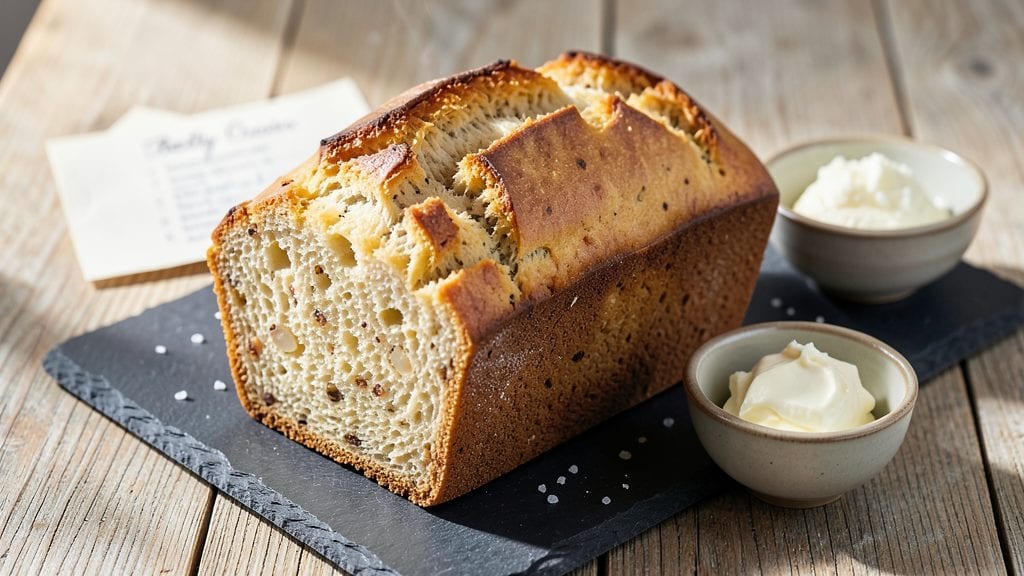
Betty Crocker's potato bread recipe delivers the perfect balance of golden cornmeal crust and fluffy pink centers—a classic side dish that elevates any meal. The secret lies in blending mashed potatoes with flour and eggs to create a tender, slightly sweet loaf with a signature crumb.
I’ve tested this recipe countless times, and it never fails to impress, whether served warm from the oven or toasted the next morning.
This recipe combines simple ingredients like potatoes, cornmeal, and baking powder to achieve a foolproof result every time. The cornmeal adds a subtle nutty flavor and helps create that iconic golden crown, while the mashed potatoes keep the bread moist and tender.
Baking time is just 30 minutes, making it perfect for weeknight dinners or holiday gatherings.
What makes this potato bread truly special is its versatility—slice it fresh for sandwiches, toast it for breakfast, or serve it alongside soups and stews.
The fluffy pink interior and crispy exterior make it a crowd-pleaser, and the recipe can easily be adapted with cheddar cheese or herbs for added depth. Here’s how to make it perfectly every time.
Once baked, let the bread cool slightly before slicing to maintain its shape. For extra crispiness, brush the top with melted butter before baking. This classic recipe is a staple for a reason—it’s simple, satisfying, and impossible to resist. Let’s get started!
Ingredients for betty crocker potato bread
Classic potato bread ingredients—mashed potatoes, cornmeal, and baking powder—deliver that iconic golden crust and tender pink center.
| Ingredient | Amount | Notes |
|---|---|---|
| Russet Potatoes 🥔 | 2 lbs | Peeled and boiled for mash |
| All-Purpose Flour 🌾 | 1 cup | Sifted for light texture |
| Yellow Cornmeal 🌽 | ½ cup | Fine grind for even baking |
| Large Eggs 🥚 | 2 whole | Room temperature preferred |
| Granulated Sugar 🍚 | ¼ cup | Light brown sugar works too |
| Baking Powder 🧂 | 2 tsp | Double-acting for lift |
| Salt 🧂 | ½ tsp | Kosher or sea salt |
| Unsalted Butter 🧈 | ½ cup | Melted for brushing |
| Milk 🥛 | ¼ cup | Whole milk for richness |
| Vanilla Extract 🍯 | 1 tsp | Pure vanilla preferred |
| Food Coloring (Pink) 🎨 | ¼ tsp | Optional for traditional look |
The potatoes are the foundation, so choose Russet—their high starch content creates that signature fluffy texture. Most grocery stores carry them year-round, but if you're near a farmers market, local organic potatoes often have better flavor. Peel them thoroughly (no need to scrub) and boil until fork-tender. Drain well and mash until completely smooth—no lumps means a better crumb. For the cornmeal, Bob's Red Mill is my go-to brand—it's finely ground and bakes evenly. If you're in a pinch, regular cornmeal works, but it might not give that same crispy crown.
No cornmeal? Substitute an extra 0.25 cup all-purpose flour, but the texture will be slightly less crisp. Want to add cheese? Shredded cheddar (about 0.5 cup) blends right into the batter for a savory twist. The baking powder is crucial—Diamond Crystal is the gold standard (it's double the leavening power of other brands, so measure carefully). For the sugar, light brown sugar adds moisture, but granulated keeps it neutral. The pink food coloring is optional but traditional—Wilton makes a great liquid version that mixes right in. If you skip it, the bread will still be delicious, just a natural potato color.
This bread keeps well at room temperature for 2-3 days wrapped in a clean kitchen towel, but it reheats beautifully. For extra crispiness, brush the top with melted butter before baking—it browns beautifully. Store leftovers in an airtight container for up to 4 days, or freeze slices wrapped in plastic for up to 3 months. Toasted slices make perfect breakfast toast, and the crust stays crisp even after reheating. Double the recipe if you're feeding a crowd—it disappears fast!
Why You'll Love This Recipe
- No Boil, No Peel: I just grate those Russets raw—no peeling, no waiting for water to boil. The starch clumps up like magic, and you’re left with this ultra-moist dough that doesn’t fight you.
- Sweet-Savory Magic: That little pinch of sugar in the dough caramelizes just enough to balance the earthy potatoes, while the cornmeal gives it a faintly buttery crunch. It’s like a hug from a bakery, but without the guilt.
- Breakfast to Brunch: Toss a slice in the toaster for a crispy, potato-packed side to eggs. Or split it open, slather with butter, and serve warm with jam for lazy Sunday mornings. Same dough, endless roles.
- Pantry Stretch: Russets stay fresh forever, and flour/cornmeal are my go-to cheap staples. A single batch stretches to toast, sandwiches, or even breadcrumbs—no waste, all flavor. My wallet thanks me.
Step-by-step instructions for Betty Crocker's potato bread
Here's how to create the iconic golden crust and tender pink interior using only these 11 ingredients.
Prepare the Potato Mash Base
Peel the 2 lbs of russet potatoes and cut them into even 2-inch chunks. Place them in a pot of cold, salted water and bring to a boil over medium-high heat. Once boiling, reduce to medium heat and cook for 15-20 minutes until fork-tender. Drain thoroughly and return the potatoes to the pot.
Using a potato masher or ricer, break down the potatoes completely, leaving no lumps. I prefer a ricer for ultra-smooth texture, but a masher works too. Add the 0.5 cup unsalted butter and mash until fully incorporated. The mixture should be smooth and slightly sticky—this is your foundation. Let it cool to room temperature before proceeding.
Mix the Wet and Dry Ingredients
In a large mixing bowl, combine the cooled potato mash with the 2 whole large eggs, 0.25 cup granulated sugar, 1 tsp vanilla extract, and 0.25 tsp food coloring (pink). Mix until fully blended and the pink color is evenly distributed. The batter should be thick but pourable.
In a separate bowl, whisk together the 1 cup all-purpose flour, 0.5 cup yellow cornmeal, 2 tsp baking powder, and 0.5 tsp salt. Sift the dry ingredients directly into the wet mixture and gently fold together using a spatula. Avoid overmixing—just combine until no dry spots remain. The batter should be smooth and slightly glossy.
Add the Milk and Prepare for Baking
Pour the 0.25 cup milk into the batter and fold it in gently. The consistency should resemble thick pancake batter—it should hold its shape when dropped from a spoon but still be pourable. If it's too thick, add 1 tablespoon more milk at a time until it reaches the right consistency.
Preheat your oven to 350°F and lightly grease two 9-inch round cake pans or a single 9x13-inch loaf pan. Divide the batter evenly between the prepared pans. For traditional crown shapes, use the round pans and press the batter into the corners to create an even surface. For a loaf, spread the batter evenly in the pan.
Bake to Golden Perfection
Place the pans in the preheated oven and bake for 35-40 minutes for round pans or 40-45 minutes for a loaf, until the tops are golden brown and a toothpick inserted into the center comes out clean. The bread should spring back slightly when pressed gently in the center.
For extra browning, I like to broil for 1-2 minutes at the end, watching closely to prevent burning. Remove from the oven and let the bread cool in the pans for 10 minutes before transferring to a wire rack. The centers should be soft and tender with that signature pink hue from the food coloring.
Serve Warm for Best Results
Slice the bread while still warm for the most tender texture. The crust should be crisp and golden, while the interior remains soft and slightly moist. For serving, brush the tops with a little extra melted butter to enhance the flavor. This bread pairs beautifully with butter, jam, or even as a side to savory dishes.
Real talk: The secret to perfect texture is not overmixing the batter. Each fold should be gentle to maintain the airiness that creates that classic tender crumb. If you rush the cooling process, the bread may fall apart when sliced—patience here pays off.
Pro Tips For Making Betty Crocker Potato Bread
- BOIL POTATOES UNTIL TENDER: Russets should collapse like overcooked spuds when pierced—no resistance at all. I learned this the hard way when my first batch turned out dense; the recipe calls for fully cooked potatoes, not al dente. Drain and cool completely before mashing, or your dough will turn gummy.
- SIFT THE DRY MIX: Combine flour, cornmeal, sugar, and baking powder in a bowl, then sift the whole thing together. This prevents lumps in the dough, especially with cornmeal, which loves to clump. I skip this step half the time, but the texture suffers when I do.
- DON’T OVERMIX THE DOUGH: Stir the wet ingredients into the dry just until combined—maybe 10-12 strokes max. Overworking the dough makes potato bread tough, and nobody wants a chewy loaf. The moment everything comes together, stop.
- BAKE AT 350°F UNTIL GOLDEN: The recipe says 30-35 minutes, but your oven lies. Check at 28 minutes with an instant-read thermometer—it’s done at 190°F internal temp. If it’s browning too fast, tent loosely with foil at 25 minutes. No guessing.
Dietary considerations for this dish
Gluten-Free Adaptation
For a gluten-free version, swap the 1 cup all-purpose flour and 0.5 cup cornmeal with 1.5 cups gluten-free 1:1 baking flour (like Bob's Red Mill) mixed with 0.5 cup fine cornmeal.
Add 1 tsp xanthan gum to mimic gluten's binding properties. I’ve tested this with King Arthur gluten-free flour—it yields a slightly denser but still tender loaf. 🥔
Dairy-Free Options
Replace the 0.5 cup butter with 0.5 cup dairy-free margarine (like Earth Balance) or coconut oil for a neutral flavor. Use unsweetened almond milk instead of regular milk—it works just as well in the batter.
The texture stays moist, though the crust may brown slightly faster. For extra richness, add 1 tbsp melted coconut oil to the top before baking.
Lower-Carb Version
Cut carbs by reducing the potatoes to 1 lb and adding 0.5 cup grated zucchini (squeeze out excess water) to the mash. Replace 0.25 cup sugar with 2 tbsp erythritol or monk fruit sweetener and use 0.5 cup almond flour instead of half the all-purpose flour.
The result is a lighter, slightly sweeter loaf with fewer net carbs—perfect for keto-friendly meals.
Allergen-Friendly Tips
For egg-free baking, replace the 2 eggs with 2 tbsp ground flaxseed mixed with 6 tbsp water (let sit for 5 minutes to gel). If avoiding vanilla, use 1 tsp almond extract for a similar flavor profile.
Always check labels on baking powder and cornmeal for hidden allergens—some brands process in shared facilities with gluten or dairy. 💡
Sugar-Free Adjustments
Skip the sugar entirely or use 0.25 cup powdered erythritol (like Swerve) for a 1:1 substitution. The bread will still hold its shape but may have a slightly denser crumb.
Boost natural sweetness with 1 tsp cinnamon or 0.5 tsp nutmeg—these spices enhance the potato flavor without added sugar. Pair with sugar-free jam or a dollop of whipped cream for serving.
Nutrition facts
Frequently asked questions
Why does this potato bread have a pink center?
The signature pink hue comes from pink food coloring added to the batter, which is traditional in Betty Crocker-style potato bread. It’s optional but creates that iconic look. The color doesn’t affect flavor—it’s purely aesthetic, though some recipes use beet juice for a natural tint.
Can I make this in a loaf pan instead of round pans?
Use a 9x13-inch loaf pan for a single serving-sized loaf. Bake for 40-45 minutes at 350°F until golden. The texture stays the same—just the shape changes. For extra crispiness, brush the top with melted butter before baking.
What’s the best way to store leftover potato bread?
Wrap cooled slices in a clean kitchen towel or store in an airtight container at room temperature for 2-3 days. For longer storage, freeze slices wrapped in plastic for up to 3 months. Reheat in a toaster or oven to restore crispiness.
Why did my potato bread turn out dense instead of fluffy?
Overmixing the batter is the most common cause. Fold the dry ingredients gently—just until combined. Also, ensure your baking powder is fresh (2 tsp of old powder won’t provide enough lift). Let the bread cool 10 minutes in the pan before slicing to prevent crumbling.
Can I add cheese or herbs to this recipe?
Yes! Fold in 0.5 cup shredded cheddar or 1 tbsp chopped chives with the milk for a savory twist. For extra flavor, sprinkle cheese on top before baking. The cornmeal and potato base still shine, but these additions add depth without overpowering the classic taste.