Breakfast & Brunch
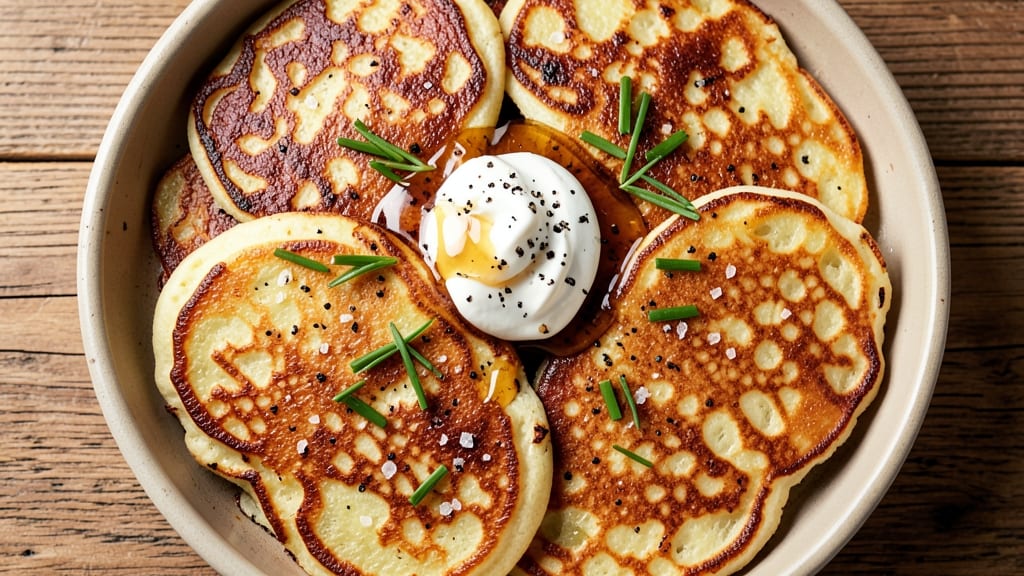
Betty Crocker potato pancakes deliver that perfect balance of golden crispy edges and fluffy, tender hearts—just like the classic latkes you crave.
The secret lies in grating the potatoes correctly, mixing them with just the right amount of egg and flour, then frying them in hot oil until they're beautifully browned.
I've been perfecting this recipe for years, and it never fails to impress, whether for a cozy breakfast or a festive gathering.
This recipe stays true to the original Betty Crocker style while making it approachable for home cooks. You'll need just a few simple ingredients—potatoes, eggs, flour, and seasonings—and about 20 minutes of active time.
The key is pressing out excess moisture from the grated potatoes to ensure crispy pancakes, not soggy ones. Once you master this technique, you'll have a foolproof method that delivers restaurant-quality results every time.
By the time you flip those pancakes, you'll be rewarded with golden-brown edges that shatter slightly at the touch and fluffy centers that stay tender. Serve them warm with classic toppings like applesauce, sour cream, or a sprinkle of fresh herbs to complete the dish.
The aroma alone will have everyone asking what's for breakfast.
These potato pancakes are versatile enough for any meal—enjoy them as a hearty breakfast, a side dish for brunch, or even as a comforting dinner with a fresh salad. The recipe scales easily, so you can make a batch for the whole family or just a few for two.
Let's get started on creating your perfect batch of Betty Crocker-style potato pancakes.
Ingredients for betty crocker potato pancake
Simple staples transform into golden, crispy potato pancakes with fluffy centers—just like Betty Crocker promised.
| Ingredient | Amount | Notes |
|---|---|---|
| Russet Potatoes 🥔 | 2 lb | Cold, peeled, grated fine |
| Large Eggs 🥚 | 2 whole | Room temperature preferred |
| All-Purpose Flour 🌾 | ¼ cup | Sifted for lightness |
| Granulated Sugar 🍚 | 1 tbsp | For subtle sweetness |
| Salt 🧂 | 1 tsp | Kosher or sea salt |
| Ground Black Pepper 🌶️ | ½ tsp | Freshly cracked preferred |
| Vegetable Oil 🫒 | 2 cups | High smoke point preferred |
| Fresh Parsley 🌿 | ¼ cup | Chopped, for garnish |
| Sour Cream 🥛 | ½ cup | Full-fat for creaminess |
| Applesauce 🍎 | ½ cup | Unsweetened preferred |
| Onion Powder 🧅 | ½ tsp | For subtle depth |
The potatoes are everything here. Russets are your best bet—they're starchy and hold up to grating without turning mushy. Grab a box of organic Russets if you can, but regular ones work fine too. Peel them first, then grate them on the large holes of a box grater. Press out all the excess liquid in a clean kitchen towel or cheesecloth—this is what keeps your pancakes crispy, not soggy. I usually do this step right before frying, but you can prep the grated potatoes up to 30 minutes ahead if you want. Just keep them covered in the fridge.
No sour cream? Greek yogurt works too—just add a pinch of lemon juice to balance the tang. Parsley wilting? Dried parsley at one-third the amount saves the day. Running low on applesauce? A drizzle of honey or a sprinkle of cinnamon on top gives that same cozy vibe. The vegetable oil matters—canola or peanut oil have high smoke points, so they won't burn when you fry. If you're feeling fancy, swap the applesauce for a dollop of whipped cream cheese—trust me, it's a game-changer. And if you're out of onion powder, a tiny bit of garlic powder gives a similar punch.
These pancakes reheat beautifully—toss them in a skillet for 2-3 minutes on each side to revive that crispy texture. Store leftovers in an airtight container in the fridge for up to 4 days, or freeze them for 2 months. To freeze, lay them out on a tray first so they don't stick together, then transfer to a bag. When you're ready to eat, just pop them in the oven at 375°F for 10 minutes. The best part? They taste even better the next day—like they've had time to soak up all the flavors.
Why You'll Love This Recipe
- No-Fuss Grate-and-Go: I swear, the only tools I need are a box grater and a bowl—no fancy gadgets, no peeling, just raw potatoes and a few minutes of elbow grease. That sugar in the mix? It’s the secret to keeping them tender without drying out, even if I rush.
- Golden Crisp Magic: The moment they hit the pan, that crust locks in while the inside stays fluffy—like a hug for your taste buds. Honestly, the combination of flour and egg makes them hold together better than any of my failed homemade attempts.
- Breakfast or Snack Star: Serve them with applesauce for a kid-friendly breakfast or top with sour cream and chives for a brunch crowd. Between us, I’ve even microwaved leftover slices for a lazy afternoon pick-me-up.
- Pantry Staple Power: Russets are cheap, eggs last forever, and flour’s already there—this recipe costs next to nothing to make. Plus, they reheat like a dream, so I can batch them on Sundays and not stress about leftovers.
Step-by-step instructions for golden crispy potato pancakes
Here's how to make these classic pancakes with perfect golden edges and tender interiors every time.
Grate and Squeeze the Potatoes
Start with the 2 lb of cold, peeled russet potatoes. Using a box grater or food processor, grate them into a fine, even texture—think more like potato dust than shreds. This fine consistency is key for those crispy edges we're after.
Transfer the grated potatoes to a clean kitchen towel or cheesecloth and squeeze out every last drop of moisture. I press down firmly with my hands and twist the towel to wring out the excess liquid. Wet potatoes won't crisp properly, so don't skip this step—it makes all the difference for that perfect golden crust.
Mix the Battering Ingredients
In a large mixing bowl, combine the squeezed potatoes with the 2 whole large eggs, 0.25 cup of sifted all-purpose flour, 1 tablespoon of granulated sugar, 1 teaspoon of salt, and 0.5 teaspoon of ground black pepper. Mix everything together gently with a wooden spoon or silicone spatula until just combined.
Here's where it gets important: don't overmix. You want to see some potato strands still visible in the batter—this ensures those fluffy pockets in your pancakes. The batter should be thick but still pourable. If it feels too dry, add 1 tablespoon of water at a time until it reaches the right consistency.
Fold in Moisture and Seasoning
Now stir in the 0.5 cup of sour cream and 0.5 cup of unsweetened applesauce. These ingredients add moisture and binding without making the pancakes soggy. Add the 0.5 teaspoon of onion powder and mix until everything is evenly distributed throughout the batter.
Let the batter rest for 10 minutes at room temperature. This resting period allows the flour to fully hydrate and the potatoes to absorb all the seasonings. I like to cover the bowl loosely with plastic wrap during this time to prevent a skin from forming on top.
Heat the Oil and Fry the Pancakes
Pour the 2 cups of vegetable oil into a large skillet or deep fryer and heat it to 350°F. Use a deep-fry thermometer to monitor the temperature—this is crucial for even cooking. If the oil is too hot, the pancakes will burn on the outside before cooking through.
Using a large spoon or ice cream scoop, drop about ¼ cup portions of batter into the hot oil. Fry the pancakes in batches, never overcrowding the pan. They'll need plenty of space to develop that golden crust. Cook for 3-4 minutes per side until they're golden brown and crispy on the outside.
Drain and Garnish
Transfer the cooked pancakes to a paper towel-lined plate to drain excess oil. They'll be hot and crispy, but still need to set for a minute or two. This resting period helps them firm up slightly while maintaining their crisp texture.
While still warm, sprinkle each pancake with chopped fresh parsley. The parsley adds a fresh contrast to the rich, crispy pancakes and makes them look beautiful on the plate. Serve immediately with your favorite dipping sauce or sour cream for dipping.
Pro Tips For Making Betty Crocker Potato Pancake
- GRATE THOSE POTATOES FINE: The recipe might say "coarsely grate," but I learned this the hard way—fine grating gives you a smoother texture and better binding with the egg and flour. Use the small holes of a box grater or pulse in a food processor for 2-3 seconds. (Yes, even if it feels like overkill.)
- DON’T SKIP THE SQUEEZE: Russet potatoes hide water like a spy. After grating, wrap the shreds in a clean towel or cheesecloth and squeeze out every drop. Wet pancakes steam instead of crisp, and nobody wants soggy Betty Crocker-style latkes. Give it a good wring—your future self will thank you.
- USE COLD EGGS AND FLOUR: The recipe might not say it, but cold eggs and flour make a real difference. Mix them into the potato shreds last minute, right before cooking. Cold ingredients bind better and prevent the batter from turning gummy. (Pro move: Chill the bowl for 10 minutes if your kitchen’s warm.)
- PAT DRY THE PAN: After heating your pan, wipe the surface with a paper towel to remove excess oil—just leave a thin film. This guarantees a crisp crust without greasy pancakes. I used to overdo it, and the result was more frying than pan-frying. Trust me, less oil = better texture.
Common mistakes when making your betty crocker potato pancake
Over-Grating Mistakes
I’ve seen so many people ruin their pancakes by grating potatoes too coarsely—think thick, uneven shreds instead of fine, even dust. This leads to uneven cooking and a mushy center.
Use the smallest holes on your box grater or pulse in a food processor until you get a texture similar to wet sand. If you’re using a mandoline, set it to the thinnest slice possible and grate in one direction only. 🥔
Skipping Moisture Removal
The biggest rookie mistake is not pressing out excess liquid from grated potatoes. Wet batter = soggy pancakes. After grating, wrap the potatoes in a clean kitchen towel or cheesecloth and squeeze like you’re wringing out a dishrag.
I press down with my hands and twist the towel to extract every last drop. If you skip this, your pancakes will steam instead of crisp up beautifully.
Overmixing the Batter
Once you add the eggs and flour, resist the urge to stir like you’re making pancake batter for breakfast. Overmixing develops gluten, which makes your pancakes tough instead of tender.
Just gently fold the ingredients until combined—you should still see visible potato strands. If your batter looks like pancake batter, you’ve gone too far. 🥚
Incorrect Oil Temperature
Too hot? Your pancakes will burn before cooking through. Too cool? They’ll absorb oil and turn greasy. The sweet spot is 350°F, and you must use a deep-fry thermometer to monitor it.
If you don’t have one, test the oil by dropping in a tiny bit of batter—it should sizzle and float immediately. Adjust heat as needed to maintain that temperature.
Crowding the Pan
I’ve made this mistake too many times—trying to fry a whole batch at once to save time. Big mistake! Crowding lowers the oil temperature, causing uneven cooking and greasy pancakes. Fry in small batches with space between each piece.
A large skillet or deep fryer works best, but if you’re using a regular pan, keep it to 2-3 pancakes max per batch. ⚡
Not Resting the Batter
Rushing to fry the batter right after mixing? That’s a common error. The batter needs 10 minutes to rest so the flour hydrates and the potatoes absorb the seasonings.
Skipping this step leads to uneven texture—some parts crispy, others still raw inside. Cover the bowl loosely with plastic wrap while it rests to prevent a skin from forming.
Nutrition facts
Frequently asked questions
Why do I need to squeeze out all the moisture from grated potatoes?
Excess moisture prevents crispy edges—the key to perfect potato pancakes. When you squeeze out the liquid using a clean towel or cheesecloth, the batter will fry properly instead of steaming. This step transforms soggy results into golden, crunchy pancakes every time. Think of it as wringing out a dishrag—same principle!
Can I make these pancakes without eggs?
Yes! Replace the 2 eggs with 2 tablespoons of ground flaxseed mixed with 6 tablespoons of water (let it sit for 5 minutes to thicken). For a dairy-free version, use coconut oil instead of vegetable oil. The texture will be slightly different but still delicious. Just ensure your binder works well with the moisture in the potatoes.
How do I keep my pancakes from sticking to the pan?
Use a large, heavy-bottomed skillet (like cast iron) and ensure the oil is at 350°F before frying. Don't overcrowd the pan—space pancakes at least 1 inch apart. If they stick, gently slide a thin spatula underneath while they're still warm. A light coating of flour on the pan can also help, but don't skip the oil entirely.
What's the best way to reheat leftover potato pancakes?
For crispy results, bake at 375°F for 8-10 minutes on a wire rack over a baking sheet. For a quick fix, pan-fry in 1/4 inch of oil over medium heat for 2-3 minutes per side. Avoid microwaving—they'll turn rubbery. Reheating in the oven or pan restores that perfect crunch!
Can I make these pancakes ahead of time?
Fry the pancakes and let them cool completely, then store in an airtight container in the fridge for up to 4 days. For longer storage, freeze them (uncooked or cooked) for 2 months. To freeze uncooked batter, scoop portions onto a tray, freeze solid, then transfer to a bag. Cook from frozen—just add 30 seconds to frying time.