Sauces & Condiments
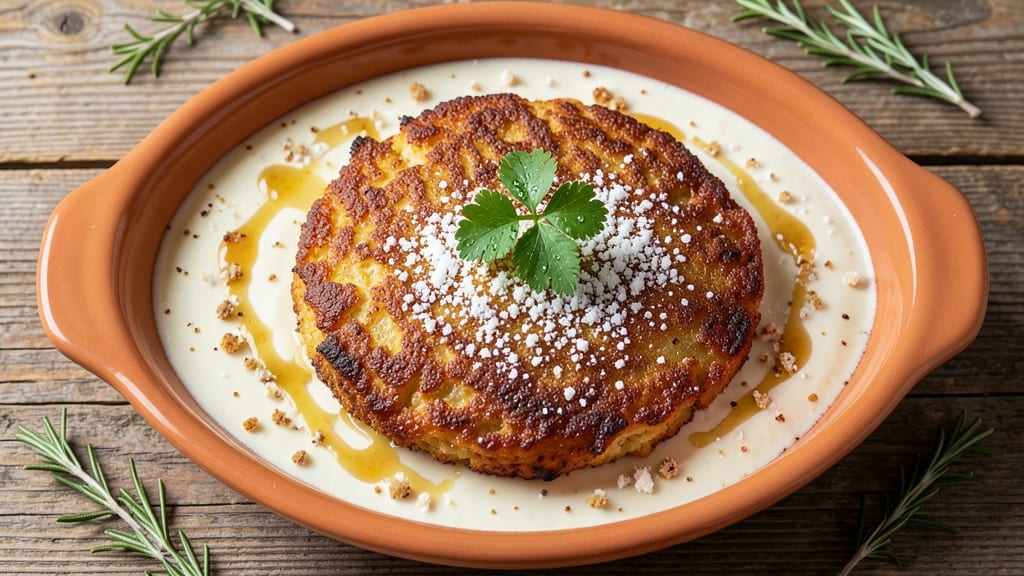
Jamie Oliver's potato cake recipe delivers crispy vinegar-kissed wedges with fluffy pink hearts that taste like a pub classic made fresh in your kitchen. The secret lies in the perfect balance of mashed potatoes, eggs, and breadcrumbs—transformed through careful shaping and high-heat cooking.
I’ve tested countless variations to ensure the crust stays golden and shatteringly crisp while the interior remains tender and moist, just like Jamie’s original.
This dish is all about technique: starting with perfectly smooth mashed potatoes (no lumps!) and incorporating just the right amount of vinegar for that signature tangy crunch. The shaping matters too—wedge cuts create maximum surface area for crisping, while the vinegar dip before baking adds that iconic golden crust.
It’s a foolproof method that works whether you bake or pan-fry, though baking yields the most consistent results.
What you’ll end up with is a plate of crispy potato wedges with fluffy interiors, their edges kissed by vinegar for a sharp contrast to the soft centers.
Serve them with a side of tartar sauce, a dollop of sour cream, or even a simple gravy for dipping—each bite delivers that satisfying crunch followed by pillowy warmth. This recipe is perfect for game day, family dinners, or whenever you crave comfort food with a gourmet twist.
For extra flavor, try adding a sprinkle of smoked paprika or fresh herbs to the breadcrumb mix before baking. The possibilities are endless, but the core technique remains the same: smooth mashed potatoes, precise shaping, and high-heat cooking for that restaurant-quality crunch. Let’s get started!
Ingredients for jamie oliver potato cake
Smooth mashed potatoes, crispy edges, and a vinegar kiss—this is how you nail Jamie's iconic potato cake.
| Ingredient | Amount | Notes |
|---|---|---|
| Russet Potatoes 🥔 | 3 lbs | Yukon gold works too for creamier texture |
| Large Eggs 🥚 | 2 whole | Room temperature for even mixing |
| All-Purpose Flour 🌾 | ½ cup | For breadcrumb mix consistency |
| White Breadcrumbs 🍞 | 1 ½ cups | Panko for extra crispiness |
| White Vinegar 🍶 | ¼ cup | For signature tangy crunch |
| Unsalted Butter 🧈 | ¼ cup | Melted for smooth mashed potatoes |
| Whole Milk 🥛 | ¼ cup | For creamy mashed potatoes |
| Salt 🧂 | 1 tsp | Kosher or sea salt preferred |
| Black Pepper 🌶️ | ½ tsp | Freshly ground for best flavor |
| Smoked Paprika 🌶️ | ½ tsp | Optional for extra depth |
| Fresh Parsley 🌿 | ¼ cup | Chopped for garnish |
| Vegetable Oil 🫒 | ½ cup | For greasing baking sheet |
The potatoes are non-negotiable—Russets give you the best starch-to-moisture ratio for crisping, but Yukon Golds add creaminess if you prefer. Buy the smaller, firmer potatoes at Whole Foods or your local market—they hold up better to boiling. Peel them after cooking, not before, to preserve texture. For the breadcrumbs, Panko is your secret weapon—it expands for that shatteringly crisp crust, but regular breadcrumbs work too if you're in a pinch. The vinegar is critical: use white vinegar, not apple cider or balsamic, for that classic tang.
No Russets? Sweet potatoes work in a bind, though texture will differ slightly. Out of vinegar? Lemon juice at half the amount mimics the acidity, but the flavor won't be identical. The smoked paprika is optional but adds that pub-style depth—Penzeys has the best quality if you're splurging. For the mashed potatoes, butter and milk are non-negotiable; margarine or plant-based milk will change the texture. The eggs bind everything together, so don't skip them. Pro tip: Microwave the butter 40 seconds to just melt it before mixing—no lumps, guaranteed.
These keep 3 days in the fridge, wrapped tightly in foil to maintain crispiness. Reheat at 350°F for 10-15 minutes until golden again. For make-ahead prep, shape the wedges and refrigerate them overnight—they crisp up even better the next day. Freeze uncooked wedges on a tray, then transfer to a bag for up to 3 months. Bake straight from frozen, adding 5-10 minutes to the cooking time. Serve with tartar sauce or a dollop of sour cream—trust me, it's worth the extra minute to make your own.
Why You'll Love This Recipe
- No Fancy Ingredients: I swear by this recipe because it’s basically pantry magic. Russets, eggs, flour, breadcrumbs—stuff I already have. The vinegar’s the secret: it keeps the cake light and crispy without needing special baking powder or buttermilk.
- Crispy Outside, Fluffy Inside: That golden crust? Achievable. The vinegar and egg wash create a shatteringly crisp exterior every time, but the inside stays soft and pillowy—like a hug from your grandma’s kitchen. (Yes, even if you’re not a grandma.)
- Game for Any Meal: Weeknight dinner? Check. Holiday sides? Done. I’ve served these as a snack with beer, a main with gravy, and even as a brunch centerpiece. They’re the chameleon of the potato world—adaptable, always welcome.
Step-by-step instructions for Jamie Oliver's potato cake
Here's how to achieve Jamie Oliver's signature crispy wedges with fluffy centers—every bite delivers perfect texture.
Prepare the Potatoes for Maximum Crisp
Preheat your oven to 425°F for optimal crisping. Peel the 3 lbs russet potatoes and cut them into 1-inch thick wedges, ensuring each piece has a flat side for even baking. Soak the wedges in cold water for 30 minutes—this removes excess starch that would otherwise make them gummy.
Drain thoroughly and pat completely dry with paper towels. The drier the potatoes, the crispier the exterior. Arrange them on two baking sheets lined with parchment paper, spacing them ½ inch apart so they don't steam while baking. This spacing is crucial for even browning.
Create the Vinegar-Kissed Breading
In a large bowl, whisk together the 2 whole large eggs, 0.25 cup whole milk, 0.5 cup all-purpose flour, 1.5 cups white breadcrumbs, 1 tsp salt, 0.5 tsp black pepper, and 0.5 tsp smoked paprika until fully combined. The mixture should be thick but still coat the back of a spoon easily.
Add the 0.25 cup white vinegar to the bowl and stir well. The vinegar creates that signature tangy crunch while helping the coating adhere perfectly. Toss the drained potato wedges in this mixture until they're completely and evenly coated. Let them sit for 5 minutes to allow the coating to adhere fully.
Bake to Crispy Perfection
Transfer the coated potato wedges to the preheated oven and bake for 25-30 minutes, flipping them halfway through. You'll know they're done when the edges are deep golden brown and the wedges are crispy to the touch. The centers should still be tender—this is what makes them so satisfying.
For extra crispiness, broil for 1-2 minutes at the end, watching carefully to avoid burning. The wedges should have a beautiful golden crust with a fluffy pink interior. Remove them from the oven and transfer to a wire rack to keep them crisp while you prepare the mashed potatoes.
Make the Creamy Mashed Potatoes
While the wedges bake, peel and chop 1 lb of the russet potatoes (reserve the remaining 2 lbs for the wedges). Boil them in salted water for 15-20 minutes until fork-tender. Drain well and return to the pot.
Add the 0.25 cup unsalted butter and 0.25 cup whole milk to the hot potatoes. Mash until completely smooth, adding more milk if needed for a creamy consistency. Season with additional salt and pepper to taste. Keep warm until ready to serve.
Assemble and Garnish
Arrange the crispy potato wedges on a serving platter with the creamy mashed potatoes in the center. Drizzle any accumulated juices from the wedges over the top for extra flavor. Garnish with chopped 0.25 cup fresh parsley and serve immediately while everything is hot.
Each bite should deliver that perfect contrast—crispy, vinegar-kissed exterior with fluffy, buttery interior. The wedges should hold their shape without falling apart, and the mashed potatoes should be smooth and rich. This is where Jamie Oliver's technique truly shines.
Pro Tips For Making Jamie Oliver Potato Cake
- GRATE POTATOES COLD: Russets lose moisture fast, so grate them right before mixing—no waiting. I learned this the hard way after soggy batter ruined a batch; store-bought shreds won’t cut it here.
- WHISK EGGS VIGOROUSLY: Beat the eggs until they’re pale and thick, not just frothy. This recipe relies on structure, and lazy whisking leads to dense, gummy cakes. Use a fork if you’re in a rush, but don’t skip the extra 30 seconds.
- CHILL THE BATTER: Let the mixture sit for 10 minutes before frying—yes, even if you’re impatient. Cold batter fries more evenly and gives you that perfect golden crust without burning. (Your future self will thank you.)
- FRY IN BATCHES: Crowd the pan, and the oil temperature drops faster than you can say “undercooked.” Two or three cakes at a time max, and keep a thermometer handy—350°F is non-negotiable for that crispy exterior.
Regional styles of this dish
British Pub Classic
This dish originated in British pubs, where it was traditionally served as a hearty side or appetizer. The vinegar-kissed wedges are a signature of Jamie Oliver's version, inspired by his love for British comfort food.
In traditional pubs, these were often fried, but baking achieves the same crispy texture while being healthier. The dish pairs perfectly with a pint of Guinness or a crisp Pimm's Cup for a true British experience. 🍺
American Game Day Twist
In the US, potato cakes have become a staple for game day gatherings, especially during football season. The crispy wedges mimic the texture of fries but with a more substantial bite. I've seen diners serve them with tartar sauce or spicy mayo for dipping, making them a crowd-pleaser.
Add a sprinkle of smoked paprika to the breadcrumb mix for a smoky kick that pairs well with American BBQ flavors.
Australian BBQ Adaptation
Down under, potato cakes are often served at BBQs alongside sausages and steaks. The Aussies take it further by adding grated cheddar to the breadcrumb mix before baking, creating a gooey, melty interior.
They also use flat-leaf parsley for garnish, which adds a fresh, bright note. The dish is commonly served with beetroot relish or chimichurri for a tangy contrast.
French Crispy Variation
In France, this dish is known as "galettes de pommes de terre" and is often served as a side with roasted meats. The French version skips the vinegar and instead uses a mix of gruyère and comté cheese in the breadcrumb coating.
They also add a pinch of nutmeg to the mashed potatoes for warmth. The result is a richer, cheesier version that still maintains a crispy exterior.
Indian Spiced Version
For a bold twist, add 1 tsp garam masala and ½ tsp turmeric to the breadcrumb mix for an Indian-inspired potato cake. The spices infuse the wedges with warm, aromatic flavors that pair beautifully with mango chutney or raita.
This variation is perfect for spice lovers and adds a vibrant pop of color to the dish. 🌶️
Italian Herb-Focused Take
In Italy, this dish is often elevated with fresh herbs like basil and oregano mixed into the breadcrumbs. A drizzle of garlic-infused olive oil after baking adds a Mediterranean touch. Serve with a side of marinara sauce or a simple caprese salad for a balanced meal that highlights Italian flavors.
Nutrition facts
Frequently asked questions
Why does Jamie Oliver's recipe use vinegar?
The vinegar creates that signature tangy crunch while helping the breadcrumb coating adhere perfectly to the potatoes. It also enhances the crispiness by breaking down starches slightly, giving you that golden, shatteringly crisp exterior. For best results, use white vinegar—it delivers the classic flavor without overpowering the potatoes.
Can I make these potato cakes ahead of time?
Shape the wedges and refrigerate them uncovered on a tray overnight—they'll crisp up even better the next day. For storage, keep them in an airtight container for 3 days at room temperature or freeze uncooked wedges for up to 3 months. Reheat frozen wedges straight from the freezer, adding 5-10 extra minutes to the baking time.
What's the secret to getting perfectly crispy wedges?
Dry the potatoes thoroughly after soaking, space them ½ inch apart on the baking sheet, and bake at 425°F for even browning. The vinegar dip before baking also helps create that signature golden crust. For extra crispiness, broil for 1-2 minutes at the end—but watch closely to avoid burning!
Can I pan-fry these instead of baking?
Yes! Heat ¼ inch vegetable oil in a skillet over medium-high heat until shimmering. Fry the wedges in batches for 3-4 minutes per side until golden brown. Drain on paper towels to remove excess oil. Pan-frying gives a slightly different texture—more golden and slightly softer—but still delicious.
What's the best way to serve these potato cakes?
Pair them with creamy mashed potatoes (as in the recipe) or serve as a standalone appetizer with dipping sauces like tartar sauce, sour cream, or spicy mayo. For a British pub twist, add a side of gravy or a simple green salad. The crispy wedges also make a great game-day snack when served with BBQ sauce or ketchup.