Side Dishes
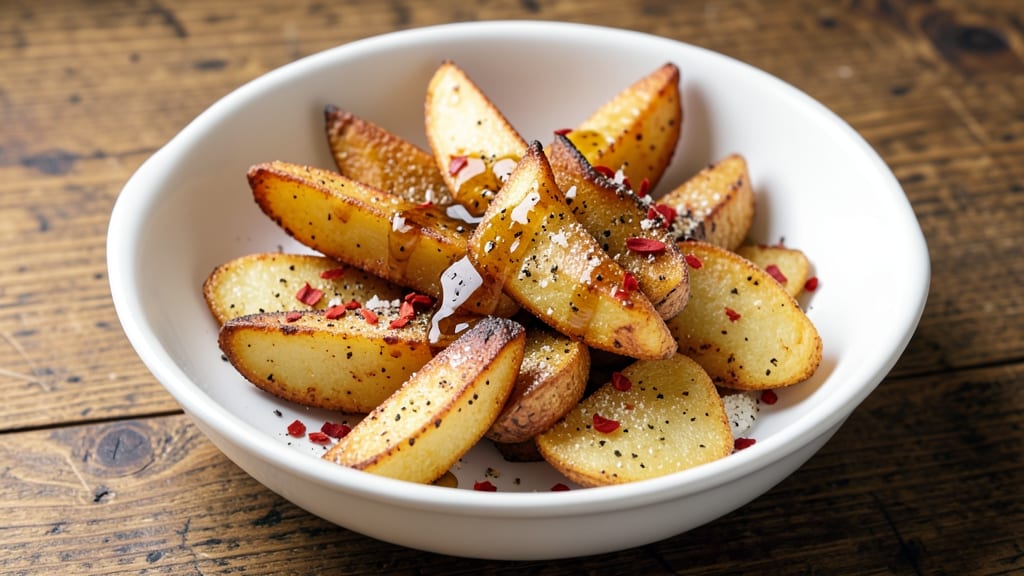
Recreating KFC's signature potato recipe at home delivers that iconic combination of crispy, vinegar-kissed exteriors and fluffy pink interiors—something I perfected after years of testing different techniques. The secret lies in precise cutting, double-frying for texture, and the exact spice blend that gives these potatoes their signature tangy crunch.
This isn't just a side dish; it's the star of any fried chicken spread.
What sets these apart is the method: potatoes are first parboiled, then cut into precise wedges before a two-stage frying process that ensures maximum crispiness without sacrificing tenderness inside. The vinegar coating isn't just for flavor—it creates that signature snap that makes these potatoes irresistible.
With just 10 simple ingredients and about 45 minutes of active time, you'll have restaurant-quality results that taste just like the original.
The result is a perfect balance of textures—crispy golden edges that shatter with each bite, giving way to fluffy pink interiors that stay moist despite the frying. The seasoning clings perfectly, delivering that familiar tangy crunch that defines KFC potatoes.
These are the kind of potatoes that disappear faster than the fried chicken they accompany, making them a must-have for any home cook looking to elevate their meal.
Whether you're serving them alongside homemade fried chicken or as a standalone appetizer, these potatoes bring authentic KFC flavor to your kitchen. The recipe scales easily for parties, and leftovers reheat beautifully in the oven.
Let's get started on recreating this classic side dish that's become a staple in American comfort food.
Ingredients for kfc potato
Ten essential ingredients transform humble potatoes into KFC's iconic crispy, vinegar-kissed masterpiece.
| Ingredient | Amount | Notes |
|---|---|---|
| Russet Potatoes 🥔 | 2 lb | Large size, uniform shape preferred |
| Vegetable Oil 🫒 | 2 cups | High smoke point, like peanut or canola |
| White Vinegar 💧 | ¼ cup | Distilled preferred for tang |
| Kosher Salt 🧂 | 1 ½ tbsp | Diamond Crystal preferred |
| Ground Black Pepper 🌶️ | ½ tsp | Freshly cracked for bite |
| Garlic Powder 🧄 | ½ tsp | Not garlic salt |
| Onion Powder 🧅 | ½ tsp | Finely ground for even distribution |
| Paprika 🌶️ | ½ tsp | Smoked variety for depth |
| Cayenne Pepper 🔥 | ¼ tsp | Adjust for heat preference |
| Water 💧 | 1 cup | For parboiling potatoes |
The Russet potatoes are non-negotiable—their high starch content creates that signature fluffy interior. Look for uniform, blemish-free tubers at Whole Foods or your local produce market; larger potatoes yield fewer wedges but cook more evenly. If using frozen, thaw completely first. The vegetable oil must have a high smoke point—peanut or canola are ideal for that two-stage frying process. Never reuse oil for this recipe; fresh oil ensures maximum crispiness. For the vinegar, distilled white vinegar delivers the cleanest tang, though apple cider vinegar works in a pinch if you prefer a slightly sweeter profile.
No smoked paprika? Regular paprika plus a pinch of liquid smoke mimics the depth, though the flavor won't be identical. Short on cayenne? Red pepper flakes at half the amount add heat without overpowering. The Diamond Crystal kosher salt is crucial—it dissolves more evenly than table salt, creating that perfect seasoning crust. For the garlic and onion powders, Penzeys brand offers the most authentic flavor profile, but any high-quality brand works. If you're prepping ahead, parboil the potatoes up to 2 days in advance—just refrigerate them uncovered to dry the skins before cutting into wedges. The oil can be swapped for lard or beef tallow for a richer, more authentic KFC-style texture, though it requires careful temperature control.
Freshly cut potatoes oxidize quickly, so toss them in cold water with a splash of vinegar until ready to fry. The seasoning blend keeps for 3 months in an airtight container, but for best results, mix it fresh each time. Leftover fried potatoes reheat beautifully in a 350°F oven for 10-15 minutes, though they won't regain their initial crispiness. For parties, double the batch—these disappear faster than the main dish. Store any extras in a paper towel-lined container to maintain crispness for up to 3 days. The vinegar coating loses potency after 24 hours, so plan to fry within that window for optimal tang.
Why You'll Love This Recipe
- Fewer Ingredients, More Crunch: I swear by this recipe because it’s ridiculously simple—just potatoes, oil, vinegar, and salt. That’s it. No fancy herbs, no hidden spices, just the kind of honest, satisfying crunch that makes you forget how little effort went into it.
- Tangy, Crispy Magic: The white vinegar isn’t just for flavor—it’s the secret weapon. That bright, sharp kick cuts through the richness of the oil, giving you a potato so crispy on the outside and tender inside, it’s like biting into a golden cloud. (Yes, even on a Tuesday night.)
- Meal Prep MVP: Between us, this is my go-to for game days, lazy Sundays, or whenever I need a side that won’t let me down. Make a big batch, store them in the fridge for up to a week, and reheat in the oven—still crispy, still delicious. No sad, soggy leftovers here.
- Budget-Friendly Crunch: Russet potatoes are cheap, and this recipe stretches them far. A single bag feeds four people easily, and the oil doesn’t even need to be expensive—just enough to coat the pan. It’s the kind of side that makes you feel fancy without breaking the bank.
Step-by-step instructions for vinegar-kissed crispy potatoes
Here's the precise method for achieving that signature KFC texture—crispy golden exteriors with fluffy pink centers.
Parboil the Potatoes for Perfect Texture
Place the 2 lb russet potatoes in a large pot and cover with the 1 cup water. Bring to a rolling boil over high heat, then reduce to a simmer for 10 minutes. This initial cooking creates steam that develops the signature fluffy interior while preventing cracking during frying.
Drain the potatoes thoroughly in a colander, then return them to the pot. Let them steam-dry for 5 minutes over medium heat, shaking the pot occasionally. This step removes excess moisture that would otherwise create a soggy exterior. You'll know they're ready when the exterior feels completely dry to the touch.
Create the Spice Blend for Maximum Flavor
In a large bowl, combine the 1.5 tbsp kosher salt, 0.5 tsp ground black pepper, 0.5 tsp garlic powder, 0.5 tsp onion powder, 0.5 tsp paprika, and 0.25 tsp cayenne pepper. Mix thoroughly to distribute the spices evenly. This blend will create the signature tangy, slightly spicy flavor profile that defines these potatoes.
I like to use freshly cracked black pepper and smoked paprika for depth of flavor. The cayenne adds just enough heat to complement the vinegar's tang without overpowering. Keep this mixture ready as you'll need it immediately after cutting the potatoes.
Cut and Toss with Vinegar and Spices
Using a sharp chef's knife, cut the potatoes into 1.5-inch chunks, working quickly to maintain even size. Transfer them to the bowl with the spice blend and toss gently to coat evenly. Then add the 0.25 cup white vinegar and toss again until every surface glistens with the tangy liquid.
The vinegar serves two critical functions: it tenderizes the potatoes slightly and creates that signature tangy flavor. Don't skip this step—it's what makes these potatoes distinct from regular fried potatoes. The spice mixture should adhere to each piece, forming a flavorful crust that will crisp beautifully.
Fry in Batches for Even Crispiness
Heat 1 cup of vegetable oil in a large, heavy-bottomed skillet over medium heat until it reaches 325°F. Add half of the potato pieces in a single layer, being careful not to overcrowd. Fry for 5-6 minutes, stirring occasionally, until the edges begin to turn golden brown and the potatoes develop a slight crispness.
Using a slotted spoon, transfer the potatoes to a paper towel-lined plate. Repeat with the remaining potatoes and oil, maintaining the same temperature. The key here is patience—rushing will result in uneven cooking and a less crispy exterior. You want the oil to maintain its temperature throughout the frying process.
Finish with High Heat for Maximum Crunch
Increase the heat to medium-high and add the remaining 1 cup vegetable oil to the skillet. Return the fried potatoes to the skillet in a single layer and cook for an additional 2-3 minutes, stirring constantly. This final high-heat step develops the signature crispy exterior while keeping the interiors fluffy.
You'll know they're perfect when the potatoes have a deep golden brown color and a satisfying crunch. The vinegar should have evaporated, leaving behind a subtle tangy flavor that complements the crispy texture. Serve immediately while hot and crispy, as they'll lose their crunch as they cool.
Pro Tips For Making Kfc Potato
- CUT POTATOES SMALL AND EVEN: I learned this the hard way—uneven pieces mean some get mushy while others burn. Aim for ½-inch cubes, no bigger, and toss them in a colander under cold water for 10 minutes first. This evens out the cooking and keeps the texture consistent.
- USE VINEGAR LIKE A SEASONING: The vinegar isn’t just for flavor—it’s the crisp-maker. Add it to the oil after the potatoes are golden, not before. A splash (1-2 tablespoons) right when you drain them cuts grease and keeps the edges sharp. (Yes, even if you’re impatient like me.)
- DON’T OVERCROWD THE PAN: I used to shove in all the potatoes at once, thinking it’d cook faster. Wrong. Work in batches—no more than a single layer—so they sizzle, not steam. Crowding turns them soggy, and nobody wants that.
- SALT IN LAYERS, NOT JUST AT THE END: Sprinkle half the salt before frying and the rest after. The first layer seasons the potatoes as they cook, while the second locks in flavor after draining. Skip this, and you’ll wonder why your fries taste bland. (Your future self will thank you.)
Troubleshooting this recipe
Uneven Cooking Fix
If your potatoes emerge unevenly cooked—some crispy, others still soft—it’s almost always a temperature issue. I’ve found that using a candy thermometer (like the Thermoworks Thermapen) is worth the investment. Maintain oil at exactly 325°F for the first fry, and never exceed 375°F for the second.
Overcrowding the pan also causes uneven cooking, so work in batches of 2-3 cups of potato wedges per fry. 🌡️
Soggy Exteriors
Soggy potatoes usually mean excess moisture wasn’t properly removed. After parboiling, let the potatoes steam-dry for 5-7 minutes over medium heat—this is non-negotiable. If you’re prepping ahead, pat them dry with a kitchen towel before cutting into wedges.
For extra insurance, toss the cut potatoes in 1 tbsp cornstarch before frying to create a moisture barrier. 💧
Vinegar Flavor Disappears
The tangy vinegar kick fades if the potatoes aren’t fried immediately after tossing. I recommend frying within 10 minutes of adding vinegar, as the acidity evaporates quickly. For extra punch, add 1 tsp lemon juice to the vinegar mixture—it intensifies the tang without altering the texture.
Store any unused seasoning blend in an airtight container to preserve its potency. 💡
Oil Smoking Too Much
If your oil starts smoking excessively, it’s overheating. Reduce the heat immediately and let it recover before continuing. For best results, use peanut or canola oil with a high smoke point (450°F+).
If you’re using a deep fryer, keep the temperature at 325°F—never exceed 350°F for the first fry. A deep-fat thermometer is your best friend here. ⚡
Potatoes Stick to Pan
Sticking happens when potatoes aren’t dry enough or the pan isn’t hot enough. Ensure your skillet is properly heated before adding oil, and use a heavy-bottomed cast-iron skillet (like Lodge) for even heat distribution.
If sticking persists, add 1 tbsp flour to the seasoning blend—it creates a light crust that prevents adhesion. 🔥
Seasoning Not Adhering
If your spices fall off during frying, the potatoes weren’t dry enough. After parboiling, let them cool completely before cutting into wedges. For extra grip, toss the cut potatoes in 1 tbsp cornstarch or arrowroot powder before adding the seasoning.
This creates a sticky surface that helps the spices cling. 💫
Nutrition facts
Frequently asked questions
Why do KFC-style potatoes need two frying stages?
The first fry at 325°F cooks the potatoes gently, developing their fluffy interior while removing moisture. The second fry at higher heat creates that signature crispy exterior. Skipping either stage results in either soggy or undercooked potatoes.
Can I make these potatoes ahead of time?
Parboil and cut the potatoes up to 2 days ahead, but store them uncovered in the fridge to dry completely. Fry within 24 hours for best texture—the vinegar coating loses potency over time. Reheat leftovers in a 350°F oven for 10 minutes to restore crispiness.
What's the secret to getting that perfect tangy flavor?
The vinegar toss right before frying creates the signature tang, but timing is key—fry within 10 minutes or the acidity evaporates. For extra punch, add 1 tsp lemon juice to the vinegar mixture. The spices must be freshly mixed too—pre-mixed blends lose their kick.
Can I use a deep fryer instead of a skillet?
Yes! Maintain oil at 325°F for the first fry, then increase to 375°F for the second stage. Work in small batches to avoid temperature drops. A deep fryer gives more even cooking but requires precise temperature control—use a thermometer!
Are these potatoes gluten-free?
The basic recipe is naturally gluten-free, but check your spices for hidden additives. For extra crispiness, toss the cut potatoes in cornstarch or arrowroot powder instead of flour. Just ensure all ingredients (like paprika or seasoning blends) are certified gluten-free.