Side Dishes
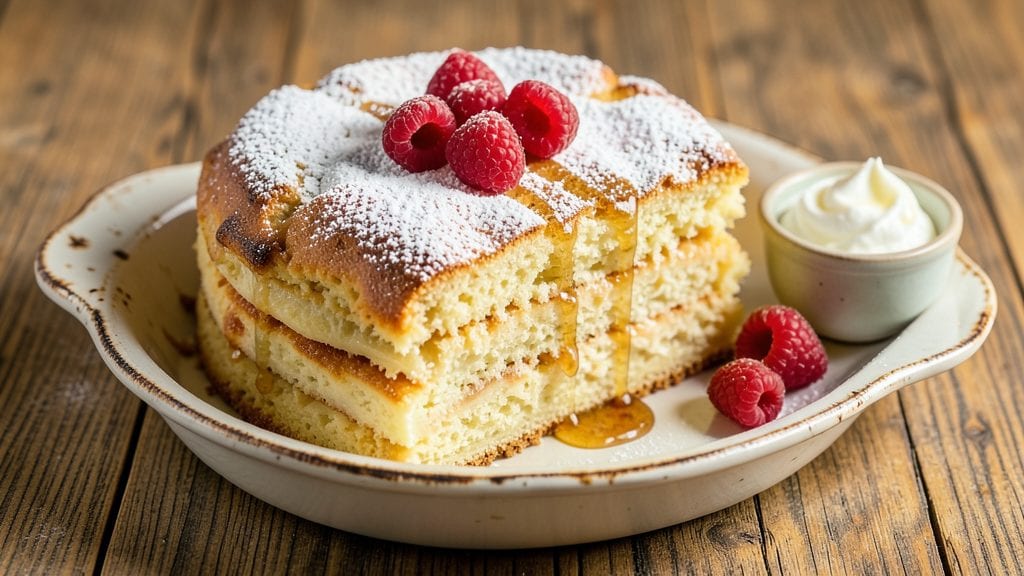
This old-fashioned potato cake recipe delivers the perfect balance of crispy vinegar crunch on the outside and creamy, tender hearts inside—just like my grandmother used to make.
Growing up in Cincinnati, I learned that the secret to authentic potato cakes lies in the technique: boiling, grating, and frying in small batches for even cooking. The vinegar in the batter creates that signature tangy crunch, while the buttery, fluffy interior makes every bite irresistible.
The beauty of this recipe is its simplicity—just a few staple ingredients transform into a comforting side dish that pairs perfectly with fried chicken or ham. Unlike modern versions, this method relies on traditional preparation: boiling potatoes until tender, grating them finely, and mixing with a light batter.
The key is patience; letting the batter rest before frying ensures golden, crispy edges without sacrificing that creamy center.
What you’ll end up with is a dish that’s both nostalgic and satisfying—a Southern classic that feels like a warm hug on a chilly day. The vinegar crunch gives way to a soft, buttery interior that’s rich and flavorful, making it a standout side for family dinners or holiday meals.
Once you try this version, you’ll never go back to store-bought again.
Serve with a drizzle of homemade gravy or a dollop of sour cream for the full experience. This recipe is foolproof and delivers restaurant-quality results every time—just like my grandmother’s kitchen used to.
Ingredients for old fashioned potato cake
Simple ingredients transform into nostalgic Southern-style potato cakes with crispy vinegar crunch and creamy hearts.
| Ingredient | Amount | Notes |
|---|---|---|
| Russet Potatoes 🥔 | 2 ½ lb | Medium size, peeled and boiled |
| White Vinegar 💧 | ½ cup | White or apple cider vinegar |
| All-Purpose Flour 🌾 | ½ cup | Sifted for light texture |
| Unsalted Butter 🧈 | ½ cup | Cold, cubed for frying |
| Large Eggs 🥚 | 1 whole | Room temperature for best binding |
| Salt 🧂 | 1 ½ tsp | Kosher or sea salt |
| Black Pepper 🌶️ | ½ tsp | Freshly ground for flavor |
| Vegetable Oil 🫒 | 2 cups | For deep frying, 350°F |
| Fresh Parsley 🌿 | ¼ cup | Chopped, for garnish (optional) |
Russet potatoes are non-negotiable for this recipe—their high starch content creates that perfect creamy interior. Idahoan or Yukon Golds work too, but Russets are the classic choice. Look for firm, unblemished potatoes with smooth skins. Local farmers markets often have the freshest, or check the organic section at Whole Foods if you want to splurge. Peel them right before boiling to prevent browning, and boil until fork-tender—not mushy. The vinegar is key: white vinegar gives the signature tang, but apple cider vinegar adds a subtle sweetness that works beautifully too. Maldon sea salt elevates the flavor if you're feeling fancy, but kosher salt works perfectly fine.
No vinegar? Lemon juice at half the amount works in a pinch, though the flavor won't be identical. The batter needs to rest for at least 15 minutes—this is where the magic happens. Skip the resting time and you'll get uneven frying. For extra crispiness, add a tablespoon of cornstarch to the flour mixture. The parsley is purely decorative, but if you're serving these as a side, it adds a nice pop of color. Freshly grated Parmesan mixed into the batter gives a savory depth that pairs perfectly with fried chicken. And if you're worried about the potatoes absorbing too much oil, squeeze them dry after grating—use a clean kitchen towel or a potato ricer for best results.
These potato cakes reheat beautifully—just pop them in a 350°F oven for 5-7 minutes to restore that crispy exterior. Store leftovers in an airtight container for up to 3 days, though they're best enjoyed fresh. Freeze cooked potato cakes for up to 3 months—just thaw at room temperature before reheating. For a make-ahead option, grate the potatoes and mix the batter up to a day ahead, then refrigerate until ready to fry. The batter will thicken slightly, so add a splash of milk if needed before frying.
Why You'll Love This Recipe
- No-Fuss Potato Magic: I swear by this recipe because it’s the kind of thing you can make with one hand tied behind your back. Grate those Russets, toss ‘em in vinegar to drain the starch, and boom—you’re halfway there. No fancy techniques, no waiting hours for dough to rise.
- Golden Crisp Wonder: That buttery crust? Chef’s kiss. The secret’s in the vinegar-washed potatoes—it keeps them crispy outside while staying tender inside, and the eggs bind it all into something dangerously addictive. Honestly, I’ve made it for guests who think they’re “above” potato dishes, and they still ask for seconds.
- Weeknight Workhorse: This is my go-to when I need something hearty but won’t take all night. Serve it as a side with steak, slice it into wedges for game day, or even turn it into breakfast hash the next morning. Between us, it’s the only potato dish that doesn’t feel like a chore to reheat.
- Budget Breakthrough: Russets and flour are cheap, and this recipe stretches farther than you’d think. I’ve fed a family of five with one batch, and it’s still a hit when I pack leftovers for lunch. Plus, the vinegar and butter add just enough richness to make it feel special—without breaking the bank.
Step-by-step instructions for Southern-style potato cakes
Here's how to create crispy, vinegar-kissed potato cakes with tender interiors—every bite delivers that classic Southern crunch.
Prepare the Potato Mixture for Maximum Creaminess
Begin by boiling the 2.5 lb russet potatoes in salted water until fork-tender, which takes about 15-20 minutes. Drain immediately and let them cool slightly before peeling. While still warm, pass the potatoes through a ricer or mash them thoroughly with a potato masher—you want no lumps, as these will create dense spots in your cakes.
In a large mixing bowl, combine the mashed potatoes with the 0.5 cup white vinegar and 1.5 tsp salt. The vinegar is key here—it tenderizes the potatoes and creates that signature tangy crunch. Let the mixture sit for 5 minutes while you prepare the next components. This resting time allows the vinegar to fully penetrate the potatoes, enhancing both texture and flavor.
Bind and Season the Potato Batter
Add the 0.5 cup unsalted butter to the potato mixture and work it in until fully incorporated. The butter should melt slightly from the residual heat of the potatoes, creating a smooth, creamy base. In a separate small bowl, beat the 1 whole large egg until just combined, then stir it into the potato mixture along with the 0.5 cup all-purpose flour and 0.5 tsp black pepper.
Gently fold everything together with a rubber spatula until just combined—overmixing will develop gluten and make your cakes tough. The batter should hold its shape when spooned but still be light enough to pipe smoothly. If it feels too wet, add 1-2 tablespoons of the all-purpose flour until it reaches a thick, pipeable consistency. This is where you'll achieve that perfect balance between crispy exterior and creamy interior.
Fry to Golden Perfection
Heat the 2 cups vegetable oil in a deep fryer or heavy pot to 350°F. Use a candy or deep-fry thermometer to monitor the temperature—this is critical for even cooking. Once the oil reaches temperature, carefully spoon or pipe the potato batter into the hot oil, working in batches to avoid overcrowding. The cakes should be about 1-inch thick and spaced apart to allow for even browning.
Fry for 3-4 minutes per side, or until golden brown and crispy. You'll know they're done when they release easily from the spatula and develop a deep golden crust. Avoid flipping too soon—they need time to set up internally. Drain the fried cakes on a wire rack or paper towels to remove excess oil. The residual heat will continue cooking them slightly, ensuring they finish perfectly.
Serve Warm with Fresh Garnish
Transfer the golden potato cakes to a serving platter and let them rest for 2-3 minutes to firm up slightly. This resting period allows the interior to set while maintaining that crispy exterior. For the finishing touch, sprinkle with the 0.25 cup chopped fresh parsley, which adds a bright contrast to the rich, vinegary flavor profile.
Serve immediately while still warm and crispy. The combination of the tangy vinegar, creamy potato interior, and crispy exterior makes these potato cakes a standout dish. Pair them with a dollop of sour cream or a side of applesauce for a complete Southern-style meal. The key to success lies in the vinegar and proper frying temperature—stick to these, and you'll achieve that perfect texture every time.
Pro Tips For Making Old Fashioned Potato Cake
- Peel While Warm: Russets cool fast—peel them right after boiling while they’re still hot. The skins slip off like magic, and you’ll save time scrubbing cold, stubborn potatoes. (Yes, even if you’re impatient like me, wait the full 10 minutes after boiling.)
- Vinegar First: Dump the vinegar into the boiling potatoes before adding salt. It cuts through the starch haze faster, giving you that crystal-clear water you need for smooth batter. I used to skip this and wondered why my cakes always felt gummy.
- Chill the Batter: Let the potato mixture sit in the fridge for at least 30 minutes before frying. Cold batter fries up lighter and less greasy—no one wants a soggy, dense cake. (Your future self will thank you.)
- Test the Oil: Drop a pinch of flour into the hot oil—if it sizzles and floats for 10 seconds, it’s ready. Too cool? You’ll get greasy cakes. Too hot? Burnt crusts. A little patience here makes all the difference.
Perfect pairings for this dish
Classic Southern Sides
These potato cakes shine alongside fried chicken—just like my grandmother served them in Cincinnati. The crispy vinegar exterior contrasts beautifully with the buttery chicken, while the creamy interior soaks up any extra gravy. I always make a double batch for Sunday dinners because they disappear fast. 🍗
Comforting Gravy Pairing
Warm, creamy gravy takes these potato cakes to the next level. I use a simple roux-based gravy with chicken or turkey stock, thickened with a splash of heavy cream. The tang from the vinegar in the cakes cuts through the richness of the gravy perfectly.
For a quick version, mix ½ cup chicken broth with 2 tablespoons cornstarch and 1 tablespoon butter, then simmer until thickened.
Fresh Herb Contrast
Bright herbs like chives or parsley add a fresh pop of color and flavor. I like to sprinkle 2 tablespoons chopped chives over the finished cakes right before serving.
The mild onion flavor complements the vinegar perfectly. For a bolder touch, add 1 teaspoon dried thyme to the batter while mixing—it pairs wonderfully with the buttery richness.
Sweet Balance Options
Applesauce or spiced fruit compote adds a sweet contrast that balances the savory, tangy flavors. I often serve these potato cakes with unsweetened applesauce warmed with a pinch of cinnamon.
For a festive touch, try a peach compote made with 1 cup diced peaches, 1 tablespoon honey, and a squeeze of lemon juice—simmered until thickened.
Crunchy Toppings
For extra texture, sprinkle crushed potato chips (like Kettle Brand) or toasted breadcrumbs over the top before serving. The added crunch mirrors the vinegar crunch inside while providing a satisfying bite.
I also love adding shredded cheddar cheese mixed into the batter for a cheesy twist that pairs perfectly with barbecue.
Beverage Pairings
Sweet tea is the classic Southern pairing for potato cakes, but I also enjoy a crisp lemonade with a hint of mint. For something stronger, a light bourbon cocktail like a whiskey sour—with its citrus notes—complements the vinegar beautifully.
Even a cold sparkling water with lime** works to cleanse the palate between bites. 🍹
Nutrition facts
Frequently asked questions
Why does this recipe use vinegar?
The vinegar creates that signature tangy crunch while tenderizing the potatoes for a perfect texture. It also helps balance the richness of the butter and eggs. For a milder flavor, apple cider vinegar works beautifully too—just use the same amount.
Can I bake these potato cakes instead of frying?
Yes! For a lighter version, shape the batter into small patties and bake at 375°F for 20-25 minutes until golden. Brush with melted butter halfway through for extra crispiness. The texture will be softer than fried, but still delicious.
What's the secret to keeping them crispy?
Fry in small batches at 350°F and don't overcrowd the pan. Keep the oil hot between batches, and drain on a wire rack—not paper towels—to maintain that perfect crunch. Serve immediately for maximum crispiness.
How do I store leftovers?
Store in an airtight container for up to 3 days at room temperature. For longer storage, freeze for 3 months. Reheat in a 350°F oven for 5-7 minutes to restore crispiness. Avoid microwaving—it makes them soggy!
Can I make these gluten-free?
Replace the all-purpose flour with ½ cup gluten-free 1:1 baking flour plus 1 tablespoon cornstarch. The texture will be slightly different but still delicious. For extra binding, add 1 extra egg to the batter.