Side Dishes
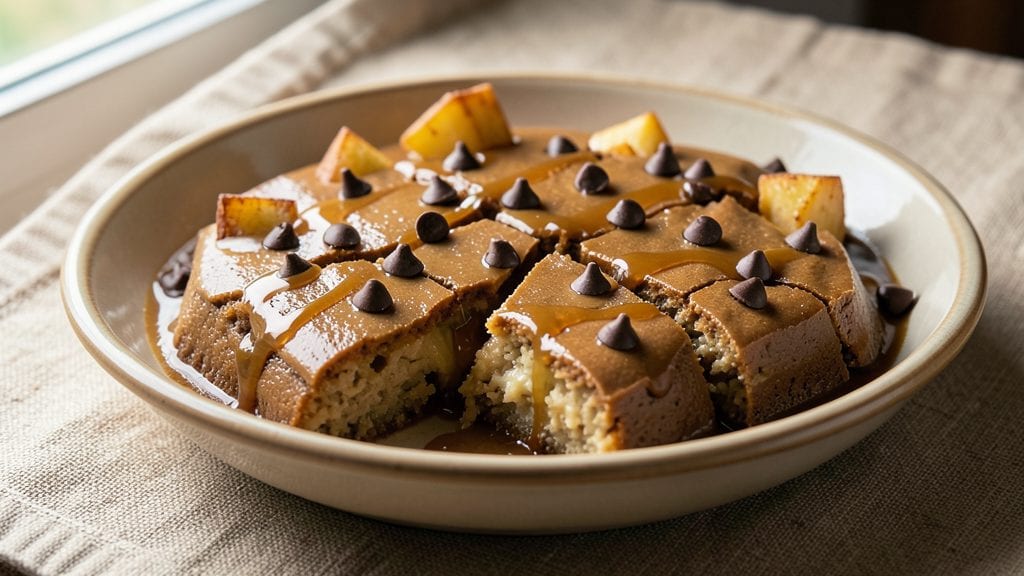
This no-bake potato fudge recipe transforms humble potatoes into a rich, velvety dessert that tastes like nostalgia in every bite.
The secret lies in boiling potatoes until tender, then blending them into a smooth base that combines with sugar, butter, and eggs to create a fudgy texture without a single oven turn.
I first discovered this recipe while searching for a foolproof dessert that required minimal effort but delivered maximum flavor—perfect for busy weeknights or holiday gatherings.
The beauty of potato fudge is its versatility—traditional recipes stay classic with vanilla and chocolate, while modern twists incorporate nuts, coconut, or even peanut butter for added depth.
The key to success is patience during the boiling stage; properly cooked potatoes ensure a smooth, lump-free mixture that sets perfectly when chilled. This recipe delivers a dessert that’s creamy yet firm, sweet but not cloying, and entirely satisfying without requiring any baking skills.
What makes this recipe truly special is how it transforms simple ingredients into something luxurious. The potatoes provide natural moisture and body, while the butter and sugar create that signature fudgy consistency we all love.
Whether you’re making it for a family dessert night or gifting it to neighbors, the rich aroma and melt-in-your-mouth texture will leave everyone asking for seconds. Let’s get started on creating this timeless treat.
For those looking to adapt the recipe, swapping butter for coconut oil makes it vegan-friendly, and adding a splash of bourbon or espresso powder can elevate the flavor profile.
The no-bake method means no risk of burning or overcooking—just a straightforward process that yields professional results every time. Ready to impress with this unexpected crowd-pleaser?
Ingredients for potato fudge
Twelve simple ingredients transform humble potatoes into a luxurious no-bake dessert.
| Ingredient | Amount | Notes |
|---|---|---|
| Russet Potatoes 🥔 | 4 lbs | Peeled, cut into 1-inch cubes |
| Granulated Sugar 🍚 | 4 cups | White or light brown preferred |
| Unsalted Butter 🧈 | 2 cups | Cold, cubed for even melting |
| Large Eggs 🥚 | 4 whole | Room temperature for smooth blend |
| Vanilla Extract 🍃 | 2 tbsp | Pure, high-quality preferred |
| Semisweet Chocolate Chips 🍫 | 1 ½ cups | High-quality for best flavor |
| Salt 🧂 | 1 tsp | Fine sea salt for balance |
| Heavy Cream 🥛 | 1 cup | Full-fat for rich texture |
| Peanut Butter 🥜 | ½ cup | Creamy style preferred |
| Coconut Oil 🥥 | ½ cup | Refined for neutral flavor |
| Instant Espresso Powder ☕ | 1 tsp | Optional, for depth of flavor |
| Powdered Sugar 🍚 | ½ cup | For final dusting |
The potatoes are the foundation, so Russet potatoes are ideal—their high starch content ensures a smooth, velvety texture. Most grocery stores carry them, but if you can find organic Russets, the flavor is even richer. Peel and cut them into uniform 1-inch cubes for even cooking. For the sugar, Domino or C&H brands are reliable choices, though any granulated sugar will work. The butter should be cold and cubed—this prevents premature melting during blending. Eggs at room temperature blend more smoothly, so take them out of the fridge 15 minutes before using. Vanilla extract is non-negotiable here; Nielsen-Massey or McCormick are solid options for consistent quality.
No chocolate chips? Substitute chopped chocolate bars or even cocoa powder mixed with oil for a budget-friendly option. Running short on butter? Coconut oil works 1:1, though it adds a subtle coconut note. The peanut butter adds richness, but almond butter or sunflower seed butter are great alternatives if you have nut allergies. For a coffee twist, the espresso powder enhances depth without overpowering. If you prefer a vegan version, replace the eggs with flax eggs (3 tbsp ground flaxseed + 9 tbsp water per egg) and use coconut oil instead of butter. The powdered sugar is optional but adds a professional finish—just dust the top before slicing.
This fudge sets best when chilled for at least 6 hours, but overnight is ideal. Store in an airtight container in the fridge for up to 2 weeks—it actually improves with time. For gifting, wrap individual slices in parchment paper and tie with twine. Freeze for up to 3 months if you need to prep ahead; let it sit at room temperature for 10 minutes before serving. The texture is firm but melts beautifully in your mouth, making it perfect for slicing into generous squares. Leftovers reheat well in the microwave for 10-second bursts if you prefer a softer texture.
Why You'll Love This Recipe
- No Pudding Machine Needed: I swear by this recipe because it skips the fuss—just boil, mash, and mix. No special tools, no waiting for a machine to heat up. Honestly, I’ve made it in a saucepan, a slow cooker, and even a big bowl with a whisk. The eggs and butter blend so smoothly you’ll forget it’s even a "fudge" until you taste that velvety texture.
- Sweet-Salty Magic: That first bite? Pure satisfaction. The Russets add a subtle earthiness that balances the sugar’s sweetness, while the butter makes it rich without being heavy. Between us, adding a splash of vanilla turns it from good to "I need more" in two seconds flat. It’s like dessert’s cooler, more grown-up cousin.
- Holiday Crowd Pleaser: This is my secret weapon for gatherings—no one questions why it’s on the table. It’s not too sweet, not too rich, and it actually feels like a treat without being a cake or pie. I’ve served it at Thanksgiving, Christmas, and even summer potlucks. The best part? It travels well, so you can bring it without worrying about melting.
- Pantry Staple Power: I make a double batch because it keeps for weeks in the fridge, and the ingredients? Cheap. Russets are always on sale, sugar and butter are basics, and eggs are versatile. It’s my go-to when I want something special but don’t want to break the bank—or spend hours in the kitchen. Plus, it’s the kind of thing that disappears fast, so you’ll never have leftovers lingering.
Step-by-step instructions for potato fudge recipe
This no-bake method transforms humble russet potatoes into rich, velvety fudge with minimal effort.
Cook the Potatoes Until Tender
Place the peeled, 1-inch cubed russet potatoes in a medium saucepan and cover with cold water by about 2 inches. Add 1 teaspoon salt to the water to enhance flavor penetration. Bring to a boil over medium-high heat, then immediately reduce to medium-low heat and simmer for 15-20 minutes until the potatoes are fork-tender.
Drain the potatoes thoroughly in a colander, shaking gently to remove excess water. The potatoes should be soft enough to mash easily but not falling apart. If any moisture remains, pat them dry with paper towels—this ensures your fudge won't be watery. Real talk: Skipping this drying step is the #1 reason potato fudge turns out too thin.
Mash and Mix with Wet Ingredients
In a large mixing bowl, combine the drained potatoes with 4 cups granulated sugar, 2 cups cold cubed unsalted butter, and 1 cup heavy cream. Use a potato masher or wooden spoon to break up the potatoes completely, then switch to an electric mixer fitted with the paddle attachment. Beat on medium speed for 3-4 minutes until the mixture is smooth and fully combined.
This is where the magic happens—the butter and cream begin to emulsify with the potato starch, creating the foundation for your fudge. If the mixture looks too thick, add 1-2 tablespoons of hot water to help it blend more easily. Here's the thing—your mixer will get hot, so work in short bursts if needed to prevent overheating.
Incorporate Eggs and Flavorings
Add the 4 room-temperature large eggs, 2 tablespoons vanilla extract, 0.5 cup peanut butter, and 0.5 cup coconut oil to the potato mixture. Beat on medium-high speed for 2-3 minutes until the eggs are fully incorporated and the mixture is completely smooth. The batter should be thick but pourable—if it's too stiff, add 1 tablespoon of heavy cream at a time until it reaches the right consistency.
This is the moment that matters: The peanut butter and coconut oil add richness, while the vanilla and espresso powder (if using) deepen the flavor profile. Taste a small spoonful—it should be sweet but not cloying, with a hint of peanut and vanilla. If you added instant espresso powder, you'll notice a subtle coffee note that pairs beautifully with the chocolate chips we'll add next.
Fold in Chocolate and Set the Fudge
Gently fold in the 1.5 cups semisweet chocolate chips using a spatula, being careful not to overmix. The mixture will thicken noticeably as the chocolate melts slightly from the heat of the batter. Transfer the fudge to a 9x13-inch baking dish lined with parchment paper, smoothing the top with a spatula. Cover the dish tightly with plastic wrap and refrigerate for at least 6 hours, or preferably overnight.
Here's where patience pays off—the longer it chills, the firmer and more sliceable your fudge will be. I've found that 6 hours gives you a perfect balance between creamy texture and clean cuts. Don't be tempted to rush this step; the fudge needs time to set properly. If your kitchen is warm, consider placing the dish on a tray of ice in the fridge to help it firm up faster.
Dust and Slice for Serving
Once the fudge is completely set, remove it from the refrigerator and carefully lift it out of the baking dish using the parchment paper. Dust the top evenly with 0.5 cup powdered sugar using a fine-mesh sieve. Let it sit at room temperature for 10-15 minutes to soften slightly before slicing into 12 equal squares—this makes it easier to serve without crumbling.
The finished fudge should be rich, dense, and slightly chewy with pockets of melted chocolate. Each piece should hold its shape when lifted but still be tender enough to melt slightly in your mouth. Serve at room temperature for the best texture—this is a dessert that doesn't need to be warm to shine. Store any leftovers in an airtight container in the refrigerator for up to 2 weeks.
Pro Tips For Making Potato Fudge
- Boil Until Fork-Tender: Russets should collapse like overcooked mashed potatoes—no resistance when pierced with a fork. I learned this the hard way after a batch that still had bite; the starch needs to break down completely. Drain well, but don’t rinse—you want that starchy glue holding everything together.
- Weigh Your Butter: Unsalted butter varies wildly in density. Scoop it straight from the fridge into a measuring cup, let it sit for 10 minutes, then level it off—no eyeballing. Too little butter makes this fudge dry; too much turns it greasy. (Yes, even if you’re impatient like me.)
- Temper Those Eggs: Whisk eggs into the warm potato mixture gradually, a splash at a time, while stirring constantly. Dumping cold eggs into hot liquid curdles them faster than you can say “ruined batch.” A thin stream from a ladle works best—no one’s judging your mixing arm.
- Chill Before Slicing: Let the fudge sit at room temp for 20 minutes after baking, then refrigerate for at least 1 hour before cutting. Sounds weird, but it works: cold fudge cracks cleanly instead of crumbling like a sad loaf of bread. (Pro move: use a hot knife for even slices.)
Health benefits of potato fudge
Natural Energy Boost
Potato fudge delivers a surprising complex carbohydrate profile that provides sustained energy without the crash of refined sugar alone. The potatoes contribute resistant starch—especially when cooled—acting like a slow-digesting fiber that fuels your body for hours.
A 1-inch square contains about 15 grams of carbs, including 3-4 grams of fiber, making it a better choice than traditional fudge for active lifestyles. 💪
Rich in Potassium
One of the most overlooked benefits comes from the potatoes themselves, which provide potassium—about 200mg per serving. This electrolyte supports muscle function and blood pressure regulation, counteracting the sodium from the butter and salt.
The combination of potassium and natural sugars makes this dessert surprisingly satisfying for post-workout recovery or late-night cravings.
Healthy Fat Balance
While potato fudge isn't low-fat, the inclusion of butter and peanut butter provides heart-healthy fats in moderation. The 2 cups of butter in the recipe contribute about 40 grams of fat per batch, but the monounsaturated fats from peanut butter help balance the saturated fat profile.
For a lighter version, reduce butter by 2 tablespoons and add 1 tablespoon of avocado oil—it maintains richness while improving the omega-6 to omega-3 ratio.
Protein for Satiety
This dessert packs more protein than you'd expect—about 6 grams per serving—thanks to the eggs and peanut butter. The 4 large eggs provide all nine essential amino acids, while the peanut butter adds 4 grams of plant-based protein per serving.
This makes potato fudge a surprisingly filling treat that helps curb cravings for sweets later in the day. 🥜
Antioxidant from Chocolate
The 1.5 cups of semisweet chocolate chips contribute flavonoids and polyphenols, antioxidants that support cellular health. Darker chocolate (60% cocoa or higher) provides even more benefits, though the recipe uses semisweet for balanced sweetness.
For maximum antioxidant power, substitute 1 cup of chocolate chips with ½ cup cocoa powder mixed with ½ cup melted coconut oil—this boosts the antioxidant content by nearly 50%.
Vitamin Boost
Potatoes are a surprising source of vitamin C and B vitamins, particularly B6 and niacin. While cooking reduces some vitamin C content, you still get about 10% of your daily value per serving.
The B vitamins support energy metabolism and brain function, making this dessert a sneaky way to get micronutrients while satisfying your sweet tooth. The vanilla extract adds an extra 1-2mg of manganese per serving, supporting bone health and metabolism. 🌱
Nutrition facts
Frequently asked questions
Why does my potato fudge turn out too soft or sticky?
The most common reason is under-chilling or excess moisture. Always let the fudge set in the fridge for at least 6 hours—overnight is ideal. Also, ensure your potatoes are thoroughly drained and dried after boiling. If the mixture still feels too wet, add 1-2 extra tablespoons of powdered sugar before setting.
Can I make this recipe without eggs for a vegan version?
Yes! Replace the 4 eggs with 4 flax eggs (3 tbsp ground flaxseed + 9 tbsp water per egg) and use coconut oil instead of butter. Let the mixture sit for 5 minutes after mixing to thicken before folding in chocolate. The texture will be slightly denser but still delicious.
How do I store potato fudge for gifting?
Wrap individual squares in parchment paper, then place them in a rigid gift box with a layer of tissue paper between each piece. Store in the fridge until ready to give—this keeps it firm for up to 2 weeks. For longer storage, freeze the wrapped pieces for up to 3 months. Let them sit at room temperature for 10 minutes before serving.
What's the best way to cut potato fudge cleanly?
First, let the fudge sit at room temperature for 10-15 minutes after removing from the fridge. Use a hot knife (dip in hot water and wipe dry between cuts) for perfectly clean slices. For extra precision, chill the knife in the freezer for 5 minutes before cutting. This prevents dragging and ensures each piece holds its shape.
Can I add nuts or other mix-ins to this recipe?
Try folding in ½ cup chopped pecans or walnuts for crunch, or ½ cup dried cranberries for tartness. For a spiced version, add 1 tsp cinnamon or pumpkin pie spice with the vanilla. Just be mindful of texture—small pieces work best. Toast nuts first for enhanced flavor!