Breakfast & Brunch
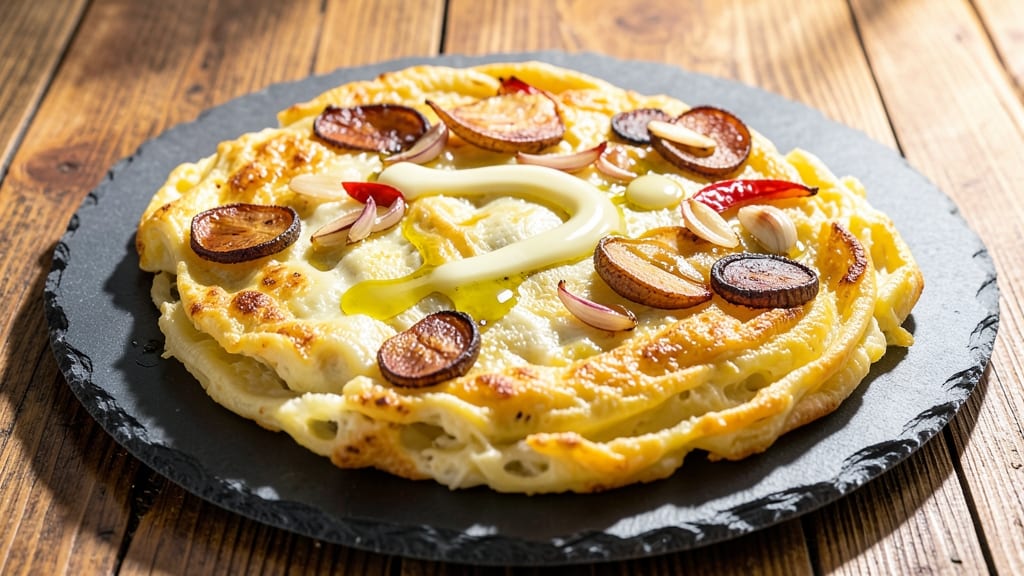
Mastering a potato omelet that delivers fluffy eggs wrapped around crispy spuds is the breakfast game-changer I perfected after years of experimenting with textures. The secret lies in perfectly sautéed potatoes that stay crispy while the eggs cook to tender perfection—no rubbery edges here.
I developed this recipe during a particularly busy week when I needed a hearty, protein-packed meal that felt indulgent without being complicated.
What makes this recipe stand out is the balance: golden, crispy potatoes on the outside with creamy, custardy egg in the center, all held together just long enough to create that satisfying roll.
The potatoes are the star, but the eggs bring everything together with their rich, fluffy texture—no dry or tough bites here. This isn’t your average omelet; it’s a foolproof method that turns simple ingredients into a restaurant-worthy breakfast.
By the time you’re done, you’ll have a plate that’s equal parts satisfying and elegant—crispy potato edges, tender egg layers, and a dish that’s substantial enough to keep you full for hours. The best part?
It only takes 15 minutes to prepare, making it perfect for busy mornings or lazy weekend breakfasts. Serve it with a side of fresh fruit or avocado for a complete meal.
This recipe is incredibly versatile too—add cheese, herbs, or spices to customize it to your taste. Whether you're feeding a crowd or treating yourself to a special breakfast, this potato omelet delivers every time. Let’s get cooking!
Ingredients for potato omelet
Six eggs, one crispy potato, and a few simple tricks for perfect fluffy eggs wrapped around golden spuds.
| Ingredient | Amount | Notes |
|---|---|---|
| Large Eggs 🥚 | 6 whole | Room temperature for best fluffiness |
| Russet Potatoes 🥔 | 1 lb | Waxy potatoes preferred, peeled |
| Unsalted Butter 🧈 | 3 tbsp | Full-fat for best crispiness |
| Extra-Virgin Olive Oil 🫒 | 1 tbsp | For extra crispy potatoes |
| Shallot 🧅 | 1 whole | Minced, or sub 1 tbsp onion |
| Garlic Cloves 🧄 | 2 cloves | Minced, fresh preferred |
| Salt 🧂 | 1 tsp | Kosher or sea salt |
| Black Pepper 🌶️ | ½ tsp | Freshly ground preferred |
| Fresh Chives 🌿 | 2 tbsp | Chopped, for garnish |
| Vegetable Broth 💧 | 1 tbsp | Low-sodium preferred |
| Sharp Cheddar Cheese 🧀 | ½ cup | Shredded, optional but recommended |
The potatoes are the star—Russet potatoes are ideal for their crispiness, but Yukon Golds work too. Peeled and cut into 1/4-inch thick rounds, they cook faster and stay crispy. I grab mine from Whole Foods or the organic section at Kroger—they hold up better. For extra crispiness, toss them in olive oil after the initial sauté. The butter matters here—unsalted, full-fat butter gives that rich, golden flavor. If you're short on time, skip the shallots and just use garlic, but I always grab a bunch at Trader Joe's—they're cheaper and fresher than the grocery store.
No shallots? One small onion or extra garlic cloves work just fine. The vegetable broth adds moisture without overpowering—low-sodium is key so you don't have to adjust the salt later. The cheese is optional, but sharp cheddar melts beautifully and adds that extra layer of flavor. If you're avoiding dairy, nutritional yeast or vegan cheese can work, but the texture won't be the same. For the eggs, room temperature is a game-changer—they whip up fluffier and cook more evenly. If you forget, just let them sit out for 10 minutes while you prep the potatoes.
Potatoes stay crispy for 3-4 days in the fridge if stored in a sealed container. The eggs? Use them within 2 days for best results. I like to prep the potatoes ahead and reheat them in a skillet for 2 minutes before wrapping in the eggs. This reheats beautifully—just 5 minutes in a 350°F oven to warm through. For extra fluffiness, fold the omelet gently and let it rest for a minute before serving. Garnish with fresh chives right before eating—they add a pop of color and freshness.
Why You'll Love This Recipe
- One-Pan Magic: I swear by this—just slice those russets thin, toss them in olive oil and butter, then let them crisp while you scramble eggs. No flipping pans, no extra bowls, and honestly? The smell alone makes my kitchen feel like a home.
- Crispy-Creamy Dream: That golden crust from the butter and olive oil? It’s the best part. The shallots add a sweet, caramelized bite, while the eggs tie it all together—fluffy inside, crispy out. Not the prettiest dish, but the taste makes up for it every time.
- Breakfast or Dinner: Between us, this is my go-to when I’m too tired for anything fancy. Serve it with a sprinkle of salt and pepper for a hearty breakfast, or pile it high with cheese and greens for a satisfying dinner. My college-aged son even asks for it after late-night study sessions.
- Budget Breakfast Boost: Russets are cheap, eggs are cheap, and a little butter stretches further than you’d think. I make a big batch on Sundays, reheat portions all week, and still feel like I’m treating myself. Plus, it’s way cheaper than takeout—no judgment if you’re counting pennies.
Step-by-step instructions for fluffy eggs wrapped around crispy spuds
Here's how to make the perfect potato omelet with crispy potatoes and fluffy eggs every time.
🍳 Step 1: Prep and Cook the Potatoes
Start by peeling the 1 lb russet potatoes and cutting them into ½-inch cubes. Toss the cubes with 1 tbsp extra-virgin olive oil, ½ tsp salt, and ¼ tsp black pepper. Heat 1 tbsp unsalted butter in a large skillet over medium-high heat until it foams. Add the potatoes in a single layer and cook undisturbed for 5 minutes until golden brown on the bottom.
Flip the potatoes and continue cooking for another 5-7 minutes, stirring occasionally, until they're deep golden brown and tender when pierced with a fork. Remove them from the pan and set aside. If the potatoes seem dry, add 1 tbsp vegetable broth to the pan and let it simmer for 1 minute before scraping up the browned bits with a wooden spoon. This adds extra flavor to your omelet filling.
👨🍳 Step 2: Sauté the Aromatics
In the same skillet, melt the remaining 2 tbsp unsalted butter over medium heat. Add the minced shallot and cook for 2-3 minutes until softened and translucent. Add the minced garlic cloves and cook for another 30 seconds until fragrant—don't let it brown. Return the potatoes to the skillet and toss everything together, heating through for 1 minute. Remove from heat and stir in the ½ cup shredded sharp cheddar cheese until melted and creamy.
Here's the thing—this step ensures your omelet filling is flavorful and cohesive. The melted cheese binds everything together, and the aromatics add depth that makes this omelet taste restaurant-quality. If you're using the optional cheese, now's the time to add it.
🍳 Step 3: Whisk the Eggs to Fluffy Perfection
While the potato mixture is still warm, crack the 6 whole large eggs into a large bowl. Add ½ tsp salt and ½ tsp black pepper, then whisk vigorously with a fork or a whisk until the mixture is completely smooth and the yolks and whites are fully combined. This ensures your omelet will be light and airy rather than dense.
I like to add a splash of 1 tbsp vegetable broth to the egg mixture at this point—it makes the eggs even fluffier. Whisk again until fully incorporated. The eggs should be at room temperature for best results, so if they're straight from the fridge, let them sit out for 10-15 minutes before whisking.
🥘 Step 4: Cook the Omelet
Heat a 10-inch nonstick skillet over medium-low heat. Pour in the egg mixture and let it sit undisturbed for 2-3 minutes until the edges start to set and the top looks slightly dry. Gently tilt the pan to let any uncooked egg flow toward the edges. Once the bottom is lightly golden and the edges are set, sprinkle half of the potato mixture down the center of the omelet.
Use a spatula to fold the omelet in half over the potatoes, pressing down lightly to help it hold its shape. Cook for another 2-3 minutes until the top is just set but still slightly moist. The omelet should be golden brown on the outside and fluffy on the inside. Remove from heat and let it rest for 1 minute before sliding it onto a plate.
🍽️ Step 5: Garnish and Serve
Top the omelet with the remaining potato mixture and sprinkle with 2 tbsp chopped fresh chives. Serve immediately while the eggs are still warm and the potatoes are crispy. The contrast of the fluffy eggs and crispy potatoes makes this omelet a standout dish. Pair it with a simple side salad or toast for a complete breakfast.
Real talk: the secret to this omelet is keeping the heat medium-low during cooking. Too high, and you'll end up with rubbery eggs. Too low, and the potatoes will get soggy. But when you nail it, you'll have a restaurant-worthy potato omelet that's crispy on the outside, fluffy on the inside, and packed with flavor.
Pro Tips For Making Potato Omelet
- PRE-COOK POTATOES LOW: Russets stay clumpy if raw—slice them ¼-inch thick and simmer in salted water for 8–10 minutes until fork-tender. Drain well, then pat ridiculously dry with paper towels (yes, even if you’re impatient like me). This keeps the omelet from turning into a soggy mess.
- CRISP THE SHALLOTS: Cook the shallots in olive oil over medium heat until they’re golden and just caramelized—about 5–6 minutes. If you let them burn, they’ll taste bitter and overpower the dish. Remove them before they start to stick, then set aside.
- SALT THE EGGS: Whisk the eggs with a full teaspoon of salt (more if using unsalted butter) before folding in the potatoes. Salted eggs bind better and create a lighter texture—trust me, your omelet will hold together like a pro’s.
- USE BUTTER LAST: Melt the butter in the pan after the potatoes and eggs have cooked through, then swirl it in at the very end. This adds richness without turning the omelet into a greasy pile. A quick tilt of the pan coats everything evenly—no extra flipping needed.
Pro cooking tips for perfect results
Potato Prep Secrets
Cutting potatoes into ¼-inch thick rounds (not cubes) ensures even cooking and maximum crispiness. I use a mandoline slicer for precision, but a sharp knife works too. Toss the slices in 1 tbsp olive oil and ½ tsp salt before cooking—this helps them crisp up faster.
For extra flavor, add a pinch of smoked paprika to the oil while tossing. 🌶️
Heat Control Matters
Cook the potatoes over medium-high heat for that perfect golden crust, but don’t walk away! Stirring them too soon will make them steam instead of crisp. Let them develop a crust for 4-5 minutes undisturbed before flipping.
I like to use a cast-iron skillet—it retains heat better than nonstick and gives those potatoes a deeper flavor. If your pan isn’t hot enough, the potatoes will turn out soggy.
Egg Whisking Tricks
Whisking the eggs until they’re completely smooth is key to that cloud-like texture. I add a splash of 1 tbsp vegetable broth to the egg mixture—it makes the eggs even fluffier by creating steam as they cook.
For extra richness, I sometimes fold in 1 tbsp heavy cream at this stage. Room-temperature eggs are non-negotiable; cold eggs won’t whip up properly and can lead to a dense omelet.
Folding Like a Pro
When folding the omelet, use a spatula to press down gently on the fillings to help the egg wrap around them securely. I like to fold it in half first, then roll it into a log shape for easier handling.
This makes it easier to slide onto a plate without falling apart. If the omelet starts to look too dry while cooking, add a splash of water to the pan—it’ll help steam the eggs just enough to keep them tender.
Cheese Timing
If you’re using cheese, add it right before folding the omelet—this ensures it melts perfectly without turning rubbery. I prefer sharp cheddar because it adds a tangy depth, but Gruyère or Parmesan work beautifully too.
For a vegan version, sprinkle nutritional yeast over the potatoes before folding—it adds a cheesy flavor without the dairy. 🧀
Resting and Serving
Letting the omelet rest for 1 minute after cooking is crucial—it helps the eggs set and makes it easier to slide onto a plate. I always garnish with fresh chives or parsley right before serving to add a pop of color and freshness.
For a hearty meal, serve with a side of avocado slices or a simple spinach salad. This dish is even better the next day—just reheat in a skillet for 2-3 minutes to restore crispiness.
Nutrition facts
Frequently asked questions
Why do my potato omelet eggs turn out rubbery?
Rubbery eggs usually mean the heat was too high or the eggs were overcooked. Keep your skillet on medium-low heat and remove the omelet when the top is just set but still slightly moist. Overcooking dries out the eggs—aim for golden brown on the outside with fluffy centers. Also, make sure to whisk the eggs thoroughly until completely smooth for that cloud-like texture.
Can I make this potato omelet ahead of time?
Yes! Prep the potatoes and store them in an airtight container in the fridge for up to 3 days. Reheat them in a skillet for 2 minutes before wrapping in fresh eggs. For the full omelet, cook it just before serving—eggs reheat poorly and can become dry. If you must reheat, warm it in a 350°F oven for 5-7 minutes to restore crispiness.
What's the best potato variety for crispy omelet potatoes?
Russet potatoes are ideal because they're high in starch and create that perfect crispy texture. Yukon Golds work too, but they'll be slightly creamier. Avoid waxy potatoes like reds—they stay too firm. Pro tip: Cut them into ¼-inch thick rounds (not cubes) for even cooking and maximum crispiness. Toss them in olive oil before cooking to help develop that golden crust.
How do I make this omelet without cheese?
Skip the cheese entirely and boost flavor with extra aromatics! Sauté 1 tbsp minced shallots and 2 cloves garlic until caramelized, then toss with the potatoes. Add a pinch of smoked paprika or dried herbs like thyme or rosemary for depth. For a vegan option, sprinkle nutritional yeast over the potatoes before folding—it adds a cheesy, umami flavor without dairy.
Can I use frozen hash browns instead of fresh potatoes?
Not ideal—they won't be as crispy or flavorful. If you're short on time, thaw frozen hash browns and pat them completely dry before cooking. Sauté them in olive oil over medium-high heat for 6-8 minutes, stirring occasionally, until crispy. They'll lack the depth of fresh potatoes but work in a pinch. For best results, always use fresh potatoes cut into thin rounds.