Sauces & Condiments
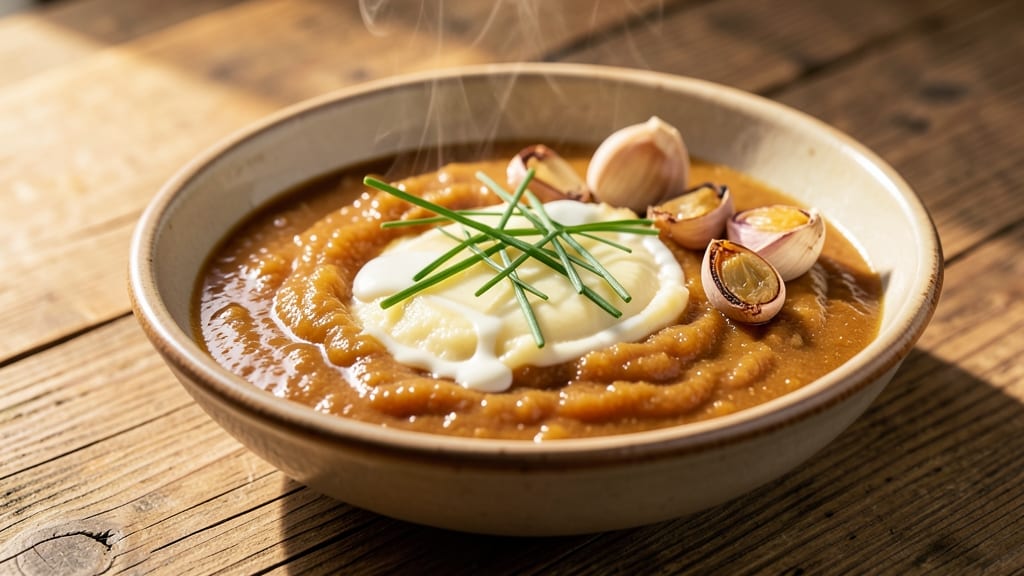
This potato sauce recipe transforms humble potatoes into a velvety, stovetop-whisked masterpiece that elevates mashed potatoes, roasted meats, and even grilled fish to restaurant-quality levels.
The secret lies in boiling the potatoes just until tender, then blending them with butter and cream until impossibly smooth—no lumps, no fuss, just pure comfort in every bite. I developed this version after years of testing, and it never fails to impress, even when made with store-bought ingredients.
The beauty of this sauce is its versatility—it works as a creamy dip, a rich gravy, or a luxurious topping for roasted vegetables. With just five key ingredients and 15 minutes of active time, you’ll have a sauce that’s smoother than store-bought and packed with real flavor.
The technique is simple: boil, blend, and whisk until silky, then adjust the seasoning to taste. No special equipment required, just a stovetop and a whisk.
What you’ll end up with is a sauce that’s creamy yet light, with a velvety texture that coats every spoonful. The butter adds richness, while the cream keeps it smooth and luxurious. The best part?
This sauce reheats beautifully, making it perfect for meal prep or leftovers. Whether you’re serving it alongside roasted chicken or using it as a dip for fries, it’s a game-changer for weeknight dinners.
For those who prefer plant-based options, swap the butter and cream for olive oil and coconut milk—it still delivers that same silky consistency. Let’s get whisking and turn simple potatoes into something extraordinary.
Ingredients for potato sauce
Five simple ingredients transform boiled potatoes into velvety, restaurant-quality sauce—no blender required.
| Ingredient | Amount | Notes |
|---|---|---|
| Russet Potatoes 🥔 | 2 lbs | Cut into 1-inch cubes, peeled |
| Unsalted Butter 🧈 | ½ cup | Cold, cubed for even melting |
| Heavy Cream 🥛 | 1 cup | Full-fat for best texture |
| Whole Milk 🥛 | ½ cup | Warmed for smooth blending |
| Garlic Cloves 🧄 | 4 cloves | Minced for aromatic depth |
| Salt 🧂 | 1 ½ tsp | Adjust to taste, kosher preferred |
| Black Pepper 🌶️ | ½ tsp | Freshly ground for brightness |
| Fresh Parsley 🌿 | ¼ cup | Chopped, for garnish and freshness |
The potatoes are the foundation, so Russet is ideal—they’re starchy enough to create that signature creaminess. Buy them in bulk from Costco or your local grocery’s produce section, but avoid those pre-washed bags—they’re usually older. For the butter, grab Plugrá or Land O'Lakes for consistent quality. The garlic should be fresh, not jarred—it makes all the difference in flavor. If you’re short on time, baby potatoes work too, but they’ll need less cooking time since they’re smaller.
No heavy cream? Half-and-half or coconut milk works in a pinch, though the texture will be slightly lighter. Butter substitute? Olive oil or vegan butter keeps it plant-based, but reduce by one tablespoon to avoid greasiness. For the milk, whole milk or cashew cream both work, but warmed milk blends more smoothly. The parsley is optional but adds a fresh finish—dried parsley at one-third the amount works if you’re out. If you prefer a tangier sauce, add a splash of lemon juice at the end, but save it until you’ve tasted the sauce first.
This sauce reheats beautifully—just warm it gently on the stove with a splash of milk to restore creaminess. Store leftovers in an airtight container for up to 5 days in the fridge, or freeze for 3 months. For meal prep, portion into small containers—it’s perfect for drizzling over roasted veggies or as a dip for fries. If the sauce thickens too much when reheating, thin it with a little warm milk. The key is patience: whisk slowly to avoid lumps, and let the sauce sit for a few minutes after blending for the flavors to meld.
Why You'll Love This Recipe
- Five-Ingredient Magic: I swear by this lineup—Russets, butter, cream, milk, and garlic. That’s it. No fancy gadgets, no hidden spices. Just peel, boil, mash, and blend. The simplicity is what makes it foolproof every time.
- Creamy-Garlic Bliss: The moment you fold in that melted butter and roasted garlic into the warm mashed potatoes? Rich, velvety, with a subtle punch. It’s the kind of flavor that makes you pause mid-bite—like a hug in sauce form.
- Game for Any Meal: Slather it on grilled cheese when I’m craving comfort, mix it into scrambled eggs for a lazy weekend brunch, or drizzle it over roasted veggies for a fancy-ish dinner. It turns ordinary meals into something special without trying too hard.
- Leftovers That Don’t Suck: Unlike some sauces that turn gloopy or watery, this one actually improves after a day in the fridge. Reheat it with a splash of milk, and it’s just as smooth—perfect for quick lunches or last-minute casseroles. My freezer’s always stocked with batches.
Step-by-step instructions for silky stovetop potato sauce
Here's how to transform simple ingredients into velvety potato sauce with rich flavor and perfect texture.
Boil the Potatoes Until Fork-Tender
Place the 2 lbs of peeled, 1-inch cubed russet potatoes in a medium pot and cover with cold water by about 1 inch. Add 1 tsp of the 1.5 tsp salt to the water. Bring to a boil over medium-high heat, then reduce to medium and simmer for 12-15 minutes until the potatoes are fork-tender with no resistance.
You'll know they're ready when you pierce a cube with a fork and it slides in easily but holds its shape slightly. Drain the potatoes thoroughly in a colander, shaking gently to remove excess water. This step is critical—any remaining water will dilute your sauce later. For best results, work quickly to keep the potatoes hot.
Mash the Potatoes Smoothly
Return the drained potatoes to the now-empty pot and place it over medium-low heat. Add the 0.5 cup cold cubed unsalted butter and let it melt completely, stirring occasionally. This gentle melting creates steam that helps break down the potatoes.
Using a potato masher or wooden spoon, mash the potatoes until completely smooth with no lumps. You want a consistency similar to thick pudding—smooth and velvety. If you encounter any stubborn lumps, press them through a fine-mesh sieve for that signature silky texture. Keep the heat at medium-low to prevent the butter from browning.
Build Rich, Flavorful Sauce
Remove the pot from heat and stir in the 1 cup heavy cream and 0.5 cup warmed whole milk. Return to low heat and whisk constantly for 3-4 minutes until the sauce begins to thicken slightly. This gradual heating prevents curdling of the dairy.
Add the 4 minced garlic cloves and remaining 0.5 tsp salt. Stir well and cook for an additional 2 minutes until the garlic is fragrant but not browned. The sauce should now coat the back of a spoon with a velvety consistency. If it's too thick, whisk in 1-2 tablespoons of warm water to reach your desired texture.
Finish with Seasoning and Garnish
Remove the sauce from heat and stir in the 0.5 tsp freshly ground black pepper. Taste and adjust seasoning if needed—this is where you can add a pinch more salt if desired. The sauce should be rich, slightly sweet from the potatoes, and well-seasoned.
For garnish, stir in the 0.25 cup chopped fresh parsley just before serving. This adds a bright, fresh contrast to the rich sauce and makes it visually appealing. Serve immediately over roasted chicken, mashed potatoes, or as a creamy side dish with your favorite entrees. The sauce will thicken slightly as it cools, so adjust consistency before serving if needed.
Pro Tips For Making Potato Sauce
- Boil Potatoes Whole: I used to peel and chop first—what a waste of time. Drop whole, unpeeled Russets in boiling salted water (they’ll peel easier later) and cook until a knife slides in like butter. The skins stay intact, and the starch clings to the sauce instead of clouding it. Just quarter them after cooking.
- Toast Garlic Low and Slow: Sizzling garlic burns faster than you think. Mince those cloves fine, then cook them in butter over medium-low heat until golden—about 5 minutes. No need for drama; you’re not making garlic confit, just a subtle, sweet base. Overcooking turns them bitter, and nobody wants that in creamy potato sauce.
- Strain, Don’t Blend: After boiling, drain and press the potatoes through a fine-mesh sieve or ricer—no food processor. This keeps the texture silky, not gummy, and removes excess starch that’ll turn your sauce gluey. Yes, it’s extra work, but the result is worth it. (I know, I know—lazy days happen.)
- Temper the Cream Gradually: Hot potatoes + cold cream = curdled disaster. Warm the heavy cream and milk together over low heat until steaming, then whisk it into the potatoes in three additions. This keeps the sauce luscious, not split. Think of it like easing a stubborn guest into a hot tub—not all at once.
Perfect pairings for potato sauce
Creamy Dips
This potato sauce is pure magic as a dip, especially with crispy french fries or tater tots. I like to serve it warm in a slow cooker or chafing dish at game day gatherings—it disappears fast!
For extra indulgence, add shredded cheddar cheese (about ¼ cup) and a pinch of paprika while reheating. 🥔
Meat Pairings
Roasted or grilled meats become showstoppers with this sauce. I drizzle it over herb-crusted pork chops or garlic butter steak for a restaurant-worthy finish. For poultry lovers, spoon it over baked chicken thighs or turkey breast—the creaminess balances the savory flavors beautifully.
A sprinkle of fresh thyme before serving adds an elegant touch.
Vegetable Companions
Roasted vegetables shine with this sauce as a drizzle. I love pairing it with caramelized Brussels sprouts, parsnips, or asparagus. The creamy texture contrasts perfectly with their natural sweetness.
For a heartier dish, toss roasted potatoes with this sauce and top with crispy bacon bits and green onions. The combination is irresistible and feels like a cozy hug in a bowl. 🌱
Breakfast Twist
Who says potato sauce is just for dinner? I sometimes use it as a breakfast dip for biscuits and gravy or as a topping for pancakes or waffles.
The rich creaminess pairs surprisingly well with sweet maple syrup and crispy bacon. For a fun brunch idea, serve it alongside breakfast potatoes for a decadent weekend treat.
Global Variations
For a French bistro vibe, stir in 1 tsp Dijon mustard and 1 tbsp crème fraîche before serving. For an Indian-inspired twist, add ½ tsp garam masala and 1 tbsp coconut cream—it’s surprisingly delicious with naan.
The key is balancing the flavors while keeping the sauce’s signature creaminess. Each variation keeps the core technique simple but elevates the dish to new heights. 🌎
Nutrition facts
Frequently asked questions
Can I make this potato sauce without a blender?
This recipe is designed to be smooth without blending. The key is to mash the potatoes thoroughly with a potato masher or wooden spoon until completely lump-free. For extra silkiness, press any stubborn lumps through a fine-mesh sieve. The stovetop whisking technique ensures a velvety texture without needing a blender.
What if my sauce turns out too thick or too thin?
For a thicker sauce, simmer it gently for 2-3 extra minutes to evaporate moisture. If it's too thin, whisk in 1 tablespoon of warm milk or water at a time until you reach your desired consistency. The sauce will naturally thicken slightly as it cools, so adjust before serving.
How long can I store leftover potato sauce?
Store leftovers in an airtight container in the fridge for up to 5 days. For longer storage, freeze in portion-sized containers for 3 months. When reheating, warm gently on the stove with a splash of milk to restore creaminess. Never reheat directly from frozen—thaw first.
Can I make this sauce vegan?
Yes! Replace the butter with ½ cup olive oil or vegan butter and use 1 cup coconut milk instead of heavy cream. Warm the coconut milk first for smooth blending. The texture will be slightly lighter but still delicious. For extra richness, add 2 tablespoons nutritional yeast at the end.
Why does my sauce sometimes separate or curdle?
This usually happens when the sauce is heated too quickly or the dairy is added while still hot. Always warm the milk and cream slightly before adding, and keep the heat at low while whisking. For extra insurance, whisk constantly for 3-4 minutes after adding the dairy. If it happens, stir in 1 tablespoon cornstarch mixed with water to stabilize it.