Side Dishes
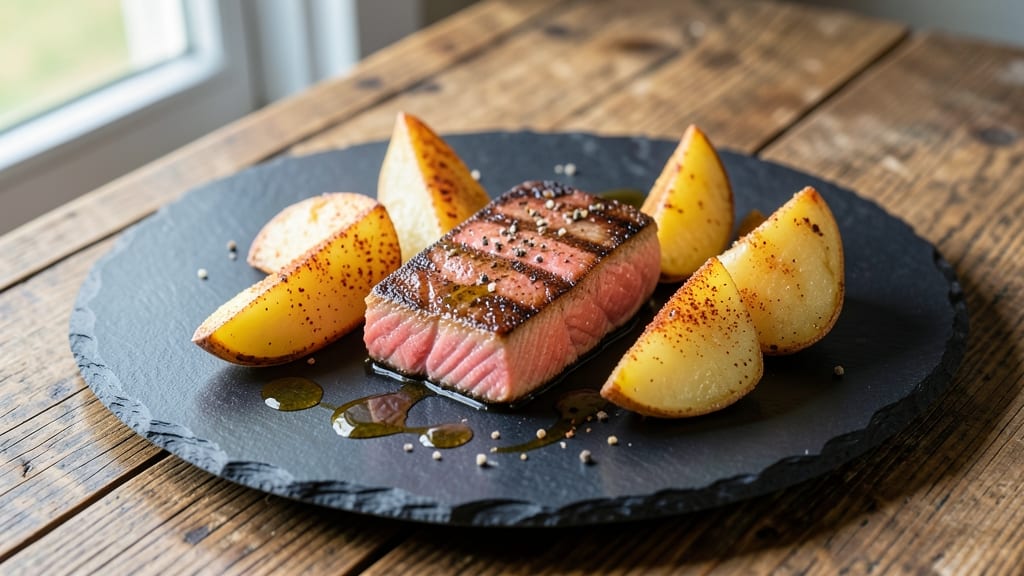
This tuna potatoes recipe transforms simple ingredients into a restaurant-worthy dish that balances smoky depth and crispy edges—perfect for pescatarians or anyone craving a protein-packed side.
The key lies in roasting potatoes until caramelized while searing tuna to medium-rare perfection, then finishing with a bright paprika-lemon glaze that ties everything together. I developed this after realizing how often tuna gets overlooked in side-dish pairings, and the results are worth the extra effort.
The method is straightforward but delivers professional results: potatoes roast in a single pan with olive oil and smoked paprika until their edges turn golden and crisp, while the tuna sears in the same pan for just 3-4 minutes per side.
No fancy equipment needed—just a sturdy skillet and patience for the potatoes to develop that perfect texture. The smoky paprika infuses the potatoes with warmth, while the tuna stays tender and flavorful.
What you’ll end up with is a dish that’s equal parts satisfying and elegant—crispy potato edges that give way to tender centers, paired with perfectly seared tuna that’s just warm enough to melt into the potatoes.
The bright lemon glaze adds a final touch of acidity that cuts through the richness, making every bite balanced and delicious. This recipe proves that sides don’t have to be boring, especially when tuna takes center stage.
Serve this as a standalone dish for a light dinner or pair it with a fresh salad and crusty bread for a complete meal. The flavors hold up well for leftovers, too, making it ideal for meal prep. Ready to elevate your tuna game? Let’s get started.
Ingredients for tuna potato
Pantry staples meet restaurant-quality technique in this tuna potatoes dish.
| Ingredient | Amount | Notes |
|---|---|---|
| Yellow Russet Potatoes 🥔 | 1 ½ lb | Cut into 1-inch cubes, even size |
| Sushi-Grade Ahi Tuna Steak 🐟 | 1 lb | 1-inch thick slices, center-cut preferred |
| Extra-Virgin Olive Oil 🫒 | ⅓ cup | High-quality, fruity variety |
| Smoked Paprika 🌶️ | 2 tsp | Spanish or Hungarian preferred |
| Ground Black Pepper 🌶️ | 1 ½ tsp | Freshly cracked preferred |
| Kosher Salt 🧂 | 1 ½ tsp | Diamond Crystal preferred |
| Fresh Lemon Juice 🍋 | 2 tbsp | From 1 medium lemon |
| Garlic Cloves 🧄 | 3 cloves | Minced, for finishing |
| Fresh Parsley 🌿 | ¼ cup | Chopped, for garnish |
| Sesame Seeds 🌾 | 1 tsp | Toasted, for garnish |
| Avocado Oil 🫒 | 1 tbsp | For high-heat searing |
The potatoes are the foundation—Russets hold their shape best while developing crispy edges. Costco or Trader Joe's carry the best value for large bags, but any grocery store's produce section works. Cut them evenly to ensure consistent cooking; 1-inch cubes give you that perfect crunch without turning to mush. The tuna should be sushi-grade, meaning it's been frozen to kill parasites. Whole Foods or specialty seafood markets are your best bets for quality, but even grocery store sushi counters carry reliable options. Look for bright red color and firm texture—never fishy smells. The ahi tuna should be center-cut for the best texture, with just a thin layer of fat on top.
No smoked paprika? Substitute with a mix of sweet paprika and a pinch of liquid smoke—it won't be identical, but it'll get you close. Fresh parsley wilting? Dried parsley at one-third the amount works in a pinch, though it lacks brightness. The lemon juice is critical—bottled lemon juice lacks freshness, so always use freshly squeezed. For the sesame seeds, toast them in a dry pan for 30 seconds to deepen their flavor. The avocado oil is non-negotiable for high-heat searing—olive oil burns too easily. If you're short on time, parboil the potatoes for 5 minutes first to speed up the roasting process, but they won't be as crispy.
Potatoes can be prepped a day ahead—toss them with olive oil, paprika, salt, and pepper, then store in the fridge. Roast them straight from the fridge for even cooking. The tuna should be seared immediately before serving—it loses its perfect texture if cooked ahead. This dish reheats surprisingly well; cover with foil and warm in a 300°F oven for 10 minutes. Store leftovers for 2 days in the fridge, though the tuna will be best eaten fresh. For meal prep, roast extra potatoes and serve the tuna separately to maintain texture. The lemon glaze can be made ahead and stored in the fridge for 3 days—just stir before using.
Why You'll Love This Recipe
- Here’s what sold me: sushi-grade tuna doesn’t have to break the bank if you use it sparingly. A single steak stretches over multiple servings, and the potatoes? Just dirt-cheap Russets. You’re getting high-end flavors without the high-end price tag.
- One-Pan Magic: I swear by this—just toss the potatoes in olive oil with smoked paprika, roast them until golden, then sear that ahi tuna on the same pan. Minimal cleanup, maximum flavor. The tuna’s smoky edge from the paprika? Chef’s kiss.
- Smoky-Sweet Crunch: The potatoes get this irresistible crispy skin while staying fluffy inside, and the ahi? A quick sear with black pepper turns it into something restaurant-worthy. Honestly, the contrast of textures—crunchy, tender, silky—is what keeps me coming back.
- Lunchbox Hero: Between us, this is my go-to for meal prep. Roast a big batch of potatoes on Sunday, slice the tuna fresh when needed, and you’ve got a protein-packed lunch that feels fancy. Pack it cold or at room temp—it’s foolproof.
Step-by-step instructions for smoky paprika roasted tuna with crispy potatoes
Here's how to balance smoky depth and crispy textures using just 11 ingredients.
Parboil and Season the Potatoes
Preheat your oven to 425°F. In a large pot, bring 8 cups of water to a rolling boil and add 1 teaspoon of the kosher salt. Add the 1.5 lb yellow russet potatoes, cut into 1-inch cubes, and cook for exactly 5 minutes. This partial cooking ensures they finish tender without turning mushy.
Drain the potatoes thoroughly in a colander, then transfer them to a large bowl. In the same bowl, combine the potatoes with 0.33 cup extra-virgin olive oil, 2 teaspoons smoked paprika, and 1 teaspoon ground black pepper. Toss gently but thoroughly until every cube is evenly coated. The paprika will infuse the potatoes with a subtle smokiness while the oil creates a crisp exterior.
Sear the Tuna to Medium Rare
While the potatoes roast, heat 1 tablespoon avocado oil in a heavy skillet over medium-high heat until shimmering. Add the 1 lb sushi-grade ahi tuna steak, sliced into 1-inch thick pieces, and sear for 2-3 minutes per side. You're aiming for 125-130°F internal temperature—this ensures the tuna remains tender and slightly pink in the center.
Remove the tuna from the pan and let it rest on a wire rack for 3-5 minutes. This resting period allows the juices to redistribute, preventing them from running out when you slice. Don't skip this step—it's the difference between dry and perfectly moist tuna.
Roast the Potatoes to Crispy Perfection
Spread the seasoned potatoes evenly on a single large baking sheet, ensuring they don't overlap. Roast in the preheated 425°F oven for 25-30 minutes, stirring once halfway through, until the edges are deep golden brown and the centers are fork-tender. The high heat and direct contact with the baking sheet create that coveted crispy texture.
During the last 5 minutes of roasting, sprinkle the potatoes with the remaining 0.5 teaspoon kosher salt. This final seasoning enhances their flavor and ensures every bite is well-seasoned. The potatoes should be crisp on the outside and fluffy on the inside—if they're still soft, return them to the oven for another 5 minutes.
Finish with Bright Flavors and Garnishes
In a small bowl, whisk together the 2 tablespoons fresh lemon juice, 3 minced garlic cloves, and the remaining 0.5 teaspoon ground black pepper. Drizzle this mixture evenly over the roasted potatoes and toss gently to combine. The acidity brightens the smoky flavors while the garlic adds a fresh, aromatic note.
Divide the crispy potatoes among 4 plates, placing 2-3 tuna slices on top of each serving. Garnish with 0.25 cup chopped fresh parsley and 1 teaspoon toasted sesame seeds. The parsley adds a pop of color and freshness, while the sesame seeds contribute a nutty crunch that contrasts beautifully with the tender tuna and crispy potatoes.
Serve Immediately for Maximum Impact
Serve the dish immediately while the potatoes are still crisp and the tuna is warm. The contrast of textures—crispy potatoes, tender tuna, and the slight crunch of sesame seeds—makes every bite exciting. Pair with a simple arugula salad dressed with a touch of extra-virgin olive oil to balance the richness.
This dish delivers restaurant-quality results with minimal effort, all while highlighting the natural flavors of the tuna and potatoes. The smoky paprika and bright lemon juice create a perfect balance, making it a standout for any meal.
Pro Tips For Making Tuna Potato
- CRISP THE POTATOES FIRST: I learned this the hard way—roasting the potatoes ahead of time gives them that perfect, fluffy interior and crispy exterior without stealing heat from the tuna. Toss them in olive oil, smoked paprika, and a generous pinch of salt, then bake at 425°F (220°C) for 30 minutes before searing the tuna. Yes, it’s an extra step, but the texture difference is night and day.
- SEAR TUNA ON DRY PAN: Skip the oil splash—ahi tuna needs a hot, dry pan to develop that caramelized crust. Pat the steak bone-dry with paper towels, then sear it over high heat for 20 seconds per side (medium-rare). The natural fats will render just enough to crisp the edges. If your pan isn’t screaming hot, you’re wasting time.
- DON’T OVERHANDLE THE TUNA: I used to flip it like a nervous first-timer, and every time, the edges turned rubbery. Ahi steak is delicate—let it sit undisturbed for 10 seconds per side before sliding it onto the plate. If you’re serving it over the potatoes, add the tuna after plating to keep it warm and intact.
- UPGRADE WITH A GARLIC BURST: While the tuna rests, hit the same pan with a whole garlic clove (cut side down) for 10 seconds—just enough to infuse the oil with flavor. Drizzle this fragrant oil over the potatoes and tuna right before serving. It’s lazy, but it makes the dish feel restaurant-worthy. (And no, you don’t need to peel the garlic—charred skin adds depth.)
Common mistakes when making perfect results
Overcooking the Tuna
Tuna is unforgiving once it hits 140°F internal temperature—that’s when it turns from tender to rubbery. I’ve ruined more tuna than I’d admit by keeping it on the heat too long.
Use a meat thermometer (I recommend the Thermoworks Dot) to monitor the tuna’s core temp. For medium-rare, aim for 125-130°F—any higher, and you’ll regret it. 🌡️
Skipping the Rest
You must let the tuna rest for 3-5 minutes after searing—this isn’t optional. The juices need time to redistribute, or they’ll pool on your plate instead of staying in the meat.
I’ve seen people slice tuna immediately and end up with dry, sad bites. Pro tip: Rest it on a wire rack to maximize airflow.
Uneven Potato Sizes
If your potato cubes vary in size, they’ll cook unevenly—some crispy, others mushy. I learned this the hard way when I rushed cutting. Use a mandoline slicer (like the OXO Good Grips) for precision, or carefully measure each cube with kitchen shears.
Even-sized potatoes ensure consistent texture throughout the dish.
Overcrowding the Pan
Stuffing too many potatoes onto the baking sheet or pan steams them instead of crisping. Spread them in a single layer with space between each cube—think of a bed of roses, not a sardine can.
I’ve had to re-roast potatoes twice because I packed them too tightly. The goal is crispy edges, not soggy centers.
Using Low-Quality Tuna
Not all tuna is created equal. Frozen, thawed, or pre-marinated tuna will never deliver the same texture as fresh, sushi-grade ahi. Look for bright red color and firm texture—if it smells fishy, walk away.
I’ve tried budget tuna steaks, and they turned out dry and flavorless. Invest in quality; your taste buds will thank you.
Ignoring the Parboil Step
Skipping the 5-minute parboil means your potatoes will either burn on the outside or stay raw inside. This step is non-negotiable for achieving that perfect crispy-tender texture.
I’ve had to pull undercooked potatoes from the oven more times than I’d like to admit. Trust the process—it’s the secret to foolproof results.
Nutrition facts
Frequently asked questions
Can I substitute regular potatoes for the recipe?
Yellow Russet potatoes work best because their high starch content creates that perfect crispy exterior while staying fluffy inside. For a quick swap, try Yukon Golds—they'll be slightly creamier but still hold their shape. Avoid red potatoes (too waxy) or sweet potatoes (sweet flavor profile). If you must use reds, parboil them for 7 minutes instead of 5 to ensure tenderness.
How do I know when the tuna is cooked perfectly?
Use a meat thermometer to check for 125-130°F internal temperature for medium-rare—this ensures tender, juicy tuna. For visual cues, look for a deep brown sear on the outside while the center remains slightly pink. Never overcook beyond 140°F or it turns rubbery. If you don't have a thermometer, cut into the thickest slice—the center should feel slightly warm but still cool to the touch.
Can I make this dish ahead of time?
Roast the potatoes a day ahead and store them at room temperature in an airtight container—they'll stay crispy for 24 hours. Cook the tuna fresh and serve immediately, or store it separately in the fridge for 2 days (it reheats poorly). The lemon glaze can be made ahead and stored for 3 days, but add it just before serving to maintain brightness. Reheat potatoes in a 300°F oven for 10 minutes to restore crispiness.
What if I don't have smoked paprika?
Mix 1.5 teaspoons sweet paprika with 0.5 teaspoon liquid smoke for a similar smoky flavor. For a completely different approach, try 1 teaspoon garlic powder or 0.5 teaspoon onion powder—both add depth without smoke. The key is balancing the potatoes' flavor with something aromatic, so don't skip the seasoning entirely. If you're feeling adventurous, a pinch of ground coriander adds a subtle citrus note that pairs well with the lemon finish.
Is this dish suitable for meal prep?
Prep the potatoes and store them in the fridge for 3 days—they reheat beautifully. Cook the tuna fresh or store it separately for 2 days (it's best eaten immediately). Assemble the dish when ready to eat by tossing the potatoes with fresh lemon juice and garnishing with parsley and sesame seeds. For extra convenience, make a double batch of potatoes and freeze half for another meal—just thaw overnight before reheating.