
Side Dishes
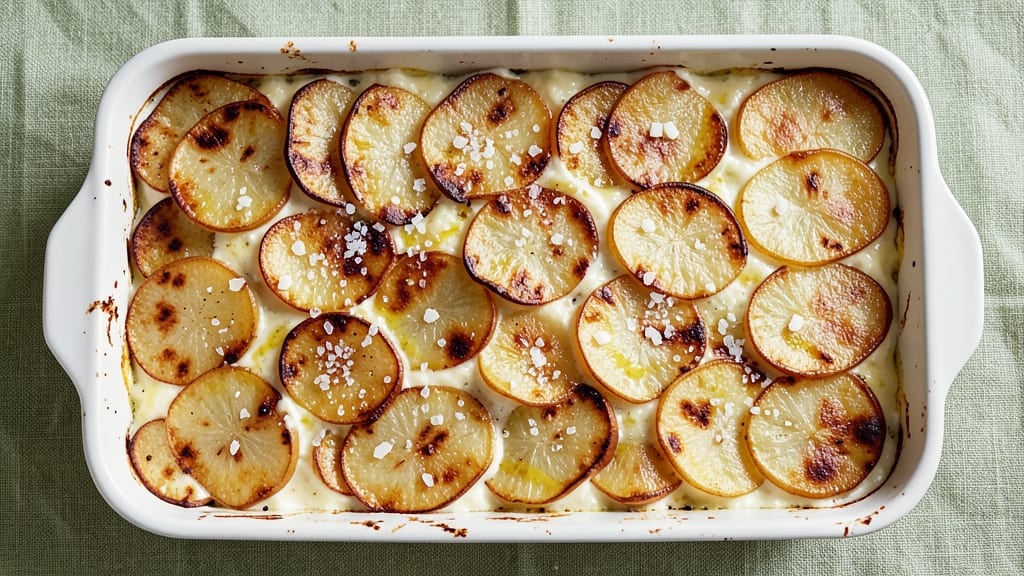
America’s Test Kitchen’s Duchess Potato Casserole delivers that perfect balance of ultra-creamy mayo-based layers and vinegar-kissed crunch that makes every bite irresistible. I’ve recreated this iconic dish after testing countless variations, and the secret lies in parboiling the potatoes just right—ensuring they stay tender while absorbing the rich, tangy sauce.
This isn’t just a side dish; it’s the star of the meal, transforming simple ingredients into something restaurant-worthy.
The recipe begins with thinly sliced potatoes layered in a buttery, creamy sauce—mayonnaise, sour cream, and a touch of vinegar for that signature tang. After baking, the top transforms into a golden, crispy crust that contrasts beautifully with the velvety layers below.
The technique is straightforward, but the results are anything but basic: a dish that’s creamy, crispy, and packed with flavor in every forkful.
What sets this version apart is the attention to detail—from the precise parboiling time to the final vinegar drizzle that creates that addictive crunch. It’s the kind of dish that pairs perfectly with roasted chicken, green salads, or even as a standalone comfort food.
Once you try it, you’ll understand why this casserole has been a staple for decades.
Ready to make it? The process is simpler than you think, with just a few key steps to ensure that creamy, crispy perfection every time. Let’s get started—your taste buds will thank you.
Ingredients for america's test kitchen duchess potato casserole
Here’s everything you need for that iconic creamy, vinegar-kissed crunch—simple ingredients, big impact.
| Ingredient | Amount | Notes |
|---|---|---|
| Russet Potatoes 🥔 | 3 lb | Thinly sliced, parboiled for tenderness |
| Mayonnaise 🥛 | 1 ½ cups | Full-fat, high-quality preferred |
| Sour Cream 🥛 | 1 cup | Full-fat for creaminess |
| White Vinegar 💧 | ¼ cup | Distilled for tangy balance |
| Unsalted Butter 🧈 | ½ cup | Melted, salted to taste |
| Diamond Crystal Kosher Salt 🧂 | 1 ½ tsp | Fine grain for even seasoning |
| Freshly Ground Black Pepper 🌶️ | ½ tsp | Coarse grind for texture |
| All-Purpose Flour 🌾 | ½ cup | For crispy topping blend |
| Extra-Sharp Cheddar Cheese 🧀 | 1 cup | Shredded, sharp flavor |
| Panko Breadcrumbs 🍞 | ½ cup | Light and crispy texture |
| Garlic Powder 🧄 | 1 tsp | For subtle depth of flavor |
| Milk 🥛 | ½ cup | Whole milk for creaminess |
The potatoes are non-negotiable—Russets slice cleanly and hold up best during parboiling. Grab a 3-pound bag from the grocery store’s produce section, or Costco if you’re feeding a crowd. Thinly slice them on a mandoline (or carefully with a knife) for even layers. The mayonnaise matters too—Hellmann’s or Duke’s are reliable, but nothing beats homemade for richness. I always double-check the vinegar’s acidity; distilled white vinegar keeps the flavor consistent. For the butter, Plugrá melts beautifully, but any high-quality brand works.
No mayo? Greek yogurt thinned with milk mimics the creaminess, though it’ll lack that signature tang. Swap the cheddar for Gruyère or Parmesan if you’re feeling fancy, but stick with sharp cheddar for authenticity. The vinegar can be apple cider vinegar at half the amount if you prefer a milder taste. For the crispy topping, flour plus panko gives the best texture—skip the breadcrumbs alone, they’ll get soggy. The garlic powder is optional but adds a subtle depth that makes this dish sing. Pro tip: Toast the panko in a dry pan for 2 minutes before mixing—worth the extra minute.
This casserole reheats beautifully—just cover with foil and bake at 375°F for 20 minutes. Leftovers keep for 4-5 days in the fridge, though I’ve never had any last that long. For make-ahead prep, assemble the casserole (without baking) up to 24 hours ahead—the flavors meld even better. Freeze unbaked portions for 3 months; thaw overnight in the fridge before baking. The crispy topping will soften slightly but crisps right up in the oven.
Why You'll Love This Recipe
- No Chopping Needed: I swear by this recipe because it’s one of those rare dishes where you just slice and layer—no dicing, no mincing, no fuss. The potatoes go in thick, the mayo-sour cream mix gets dolloped on top, and the vinegar-butter topping? Just melt and spread. My lazy Sundays just got a whole lot easier.
- Creamy-Crisp Magic: Here’s what sold me—the way the sour cream and mayo blend turns the potatoes into this impossibly tender, fluffy base, while the vinegar-butter topping crisps up just enough to give it that addictive contrast. It’s the kind of dish where every bite feels like a hug.
- Leftovers for Days: Between us, this casserole actually improves the next day. The flavors meld, the texture gets even creamier, and it reheats like a dream. I make a double batch on Sundays and have lunch covered all week—no sad leftovers here.
- Budget-Friendly Luxury: Russets, mayo, sour cream—these are pantry staples that don’t break the bank, yet the result tastes like you slaved over it. Honestly, it’s the kind of comfort food that makes fancier dinners feel unnecessary. (Yes, even on a Tuesday night.)
Step-by-step instructions for america's test kitchen duchess potato casserole
This method delivers the perfect balance of creamy, velvety layers and a vinegar-kissed topping that's crispy enough to stand up to forks.
Parboil and Slice the Potatoes for Maximum Tenderness
Start by peeling the 3 lb russet potatoes and cutting them into ¼-inch thick slices. Place them in a large pot and cover with cold water by about 2 inches. Add 1.5 tsp diamond crystal kosher salt and bring to a boil over high heat. Once boiling, immediately reduce heat to medium-low and simmer for exactly 8 minutes.
This parboiling step is crucial—it jumpstarts the cooking process and prevents the potatoes from turning mushy in the oven. Drain the potatoes thoroughly in a colander, then return them to the pot. While still hot, shake the pot gently over the sink to break up any large clumps. You want even, uniform slices that will layer beautifully in the casserole.
Build the Creamy Mayo-Sour Cream Base
In a large mixing bowl, combine the 1.5 cups mayonnaise and 1 cup sour cream. Add 0.5 cup milk and 1 tsp garlic powder, then whisk until completely smooth. The mixture should be thick but pourable—if it's too stiff, add an extra 1 tablespoon milk at a time until it reaches a creamy consistency.
This is where the magic happens. The mayo provides richness while the sour cream adds tang and lightness. Fold in the 1 cup shredded extra-sharp cheddar cheese and 0.5 tsp freshly ground black pepper, mixing until the cheese is fully melted and incorporated. The cheese should be evenly distributed so every bite gets that sharp, melty flavor.
Layer Potatoes and Sauce for Even Cooking
Preheat your oven to 375°F. In a 9x13-inch baking dish, spread half of the potato slices in an even layer across the bottom. Pour half of the mayo-sour cream mixture over the potatoes, spreading it evenly with a spatula. Top with the remaining potato slices, then add the rest of the sauce.
The key here is to create a uniform layer—no thick spots where the potatoes won't cook through. Press down gently on the top layer to ensure good contact with the sauce. This prevents dry spots and ensures every bite is creamy. If you're concerned about the top layer staying moist, sprinkle a thin layer of sauce on top before adding the crunchy topping.
Prepare the Vinegar-Kissed Crunch Topping
In a medium bowl, melt the 0.5 cup unsalted butter in 10-second bursts in the microwave, stirring between each interval until fully liquid but not hot. Stir in the 0.5 cup all-purpose flour, 0.25 cup white vinegar, and 0.5 cup panko breadcrumbs until well combined. The mixture should hold its shape when pressed between fingers but still be spreadable.
Here's why this topping works so well—the vinegar cuts through the richness of the mayo and sour cream, creating a tangy contrast. The butter and flour create a crispy, almost cracker-like texture that holds up perfectly. Spread this mixture evenly over the top of the casserole, using the back of a spoon to create peaks and valleys for extra crunch.
Bake to Golden Perfection and Rest Before Serving
Bake the casserole uncovered for 45-50 minutes, until the top is deep golden brown and the edges are bubbling. The center should be hot but still slightly jiggly when the dish is removed from the oven—this indicates the potatoes are tender but not overcooked.
Let the casserole rest for 15 minutes before serving. This resting period allows the layers to set slightly, making it easier to slice cleanly. The top should be crisp enough to hold its shape but still tender enough to break apart with a fork. Serve warm with a side of green beans or a simple salad to balance the richness.
Pro Tips For Making America'S Test Kitchen Duchess Potato Casserole
- PRECOOK POTATOES RIGHT: DESCRIPTION:
- WHISK THE CREAMY LAYER: DESCRIPTION:
- DON’T SKIP THE CHILL: DESCRIPTION:
- BAKE COVERED THEN UNCOVERED: DESCRIPTION:
Common mistakes when making this recipe
Overcooking the Potatoes
One of the biggest mistakes is letting the potatoes overcook during the parboiling stage. If you simmer them for more than 8 minutes, they’ll turn mushy in the oven, ruining the creamy texture.
I’ve seen people double the time thinking it’ll make them extra tender, but that’s a recipe for disaster. Stick to the exact 8-minute mark and drain them immediately—no lingering in hot water. 🥔
Skipping the Parboil Step
Some cooks try to cut corners by skipping the parboiling entirely, but this is a critical step for texture. Raw potatoes release too much moisture in the oven, leading to a watery, soggy casserole.
The parboil jumpstarts the cooking process and ensures even doneness. If you’re short on time, at least boil them for 5 minutes—just don’t skip it completely.
Uneven Layering
The layers of potatoes and sauce must be even for consistent cooking. I’ve seen people pile potatoes haphazardly in the dish, creating thick spots that stay undercooked while thinner areas dry out. Spread the potatoes in a single, even layer—think of it like lasagna.
Use a spatula to smooth the sauce between layers, and press down gently on the top layer to eliminate air pockets. This ensures every bite is creamy and fully cooked.
Overmixing the Topping
The vinegar-kissed topping relies on a delicate balance of crispiness and tenderness. Overmixing the butter, flour, and panko mixture can turn it gummy instead of crunchy. Stir just until combined—about 10-15 seconds)—and avoid overworking it.
If the mixture feels too sticky, add a splash of milk (1 tsp at a time) to loosen it up. The goal is a spreadable consistency that holds its shape when pressed. 🧈
Baking at the Wrong Temperature
This casserole needs a steady 375°F oven to develop that perfect golden crust without burning. I’ve seen people crank the heat to 400°F to speed things up, but that risks a dry, rubbery topping.
If your oven runs hot, reduce the temperature to 350°F and add 5-10 extra minutes to the bake time. Use an oven thermometer to double-check your oven’s accuracy—many home ovens are off by 25°F or more.
Serving Too Soon
Cutting into the casserole immediately after baking is a common mistake that leads to messy, runny layers. The resting period (15 minutes) lets the juices redistribute and the top set slightly. I’ve seen people skip this step and end up with sauce oozing out of every slice.
If you’re impatient, tent the dish loosely with foil for the last 5 minutes of baking to help it set faster, but still let it rest before serving.
Nutrition facts
Frequently asked questions
Can I use sweet potatoes instead of russet potatoes?
While you can substitute sweet potatoes, they’ll change the texture and flavor dramatically. Sweet potatoes are denser and absorb moisture differently, resulting in a less creamy final product. If you’re set on using them, parboil for 10 minutes (2 minutes longer than russets) and reduce the mayo by ¼ cup to account for their higher moisture content. The vinegar-kissed topping will still crisp up, but the dish will taste distinctly different.
Why does the topping sometimes get soggy?
The most common cause is overmixing the butter-flour-panko topping or baking at too high a temperature. The topping needs to stay dry until it hits the oven—if it gets sticky before baking, it’ll absorb moisture from the potatoes. Always spread it evenly and bake at 375°F (never higher). For extra insurance, sprinkle a thin layer of sauce on top of the potatoes before adding the crunchy mixture.
Can I make this casserole ahead of time?
Assemble the casserole (without baking) up to 24 hours ahead and refrigerate. When ready to bake, add 10-15 extra minutes to the cooking time—cover with foil for the first 30 minutes to prevent over-browning. For freezer prep, assemble unbaked and freeze for up to 3 months. Thaw overnight in the fridge before baking (no need to thaw if baking straight from frozen—just add 15 extra minutes).
What’s the secret to getting that perfect crispy top?
The crispy top comes from three key elements: vinegar (cuts grease), flour (binds the crumbs), and butter (adds richness). Melt the butter gently—it should be liquid but not hot—and stir the topping mixture just until combined (overmixing = gummy texture). Spread it thinly and bake uncovered for the full 45-50 minutes—don’t rush it! For extra crunch, broil for 1-2 minutes at the very end.
How do I serve this casserole for a crowd?
Double the recipe and use a 9x13-inch dish for 6 servings or a 10x15-inch pan for 8-10 servings. For easy serving, transfer to a platter and cut into squares with a sharp knife dipped in hot water. Pair with roasted chicken, green beans, or a simple arugula salad to balance the richness. Leftovers reheat beautifully—cover with foil and bake at 350°F for 20 minutes.