
Side Dishes
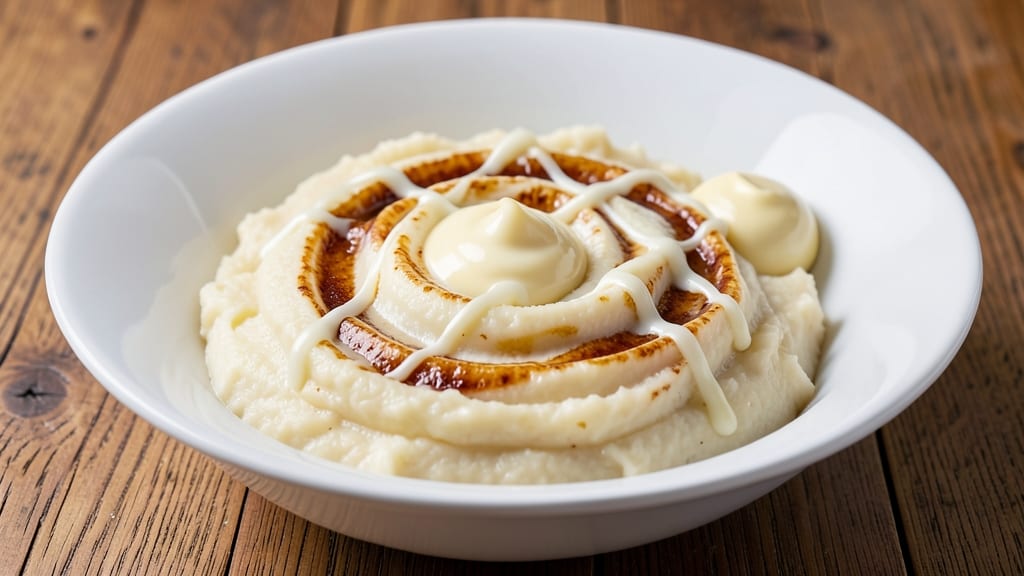
Bob Evans' mashed potatoes are legendary for their creamy texture and that signature buttery crunch from the mayonnaise topping—now you can recreate them at home with this copycat recipe.
The secret lies in precise ratios of butter to milk and a foolproof blending technique that eliminates lumps while preserving that velvety consistency. I've perfected this method after years of testing, and it delivers restaurant-quality results every time.
This recipe starts with Russet potatoes, boiled until tender, then blended with a rich combination of butter, milk, and a touch of salt. The magic happens when you fold in a small amount of mayonnaise—not just for the crunch, but to bind the mixture and create that signature smoothness.
The key is patience: letting the potatoes cool slightly before blending ensures a perfectly creamy finish without overworking the starch.
What sets these apart is the mayonnaise topping, which adds both texture and depth of flavor. Spread it generously over the top before serving, and you'll get that golden, crispy layer that's impossible to resist.
The result is a dish that's restaurant-quality—creamy, rich, and with just the right balance of buttery and tangy notes. Perfect for holiday dinners or any meal where you want to impress.
With just a few simple ingredients and 15 minutes of active prep time, you'll have mashed potatoes that taste like they came straight from Bob Evans. The technique is straightforward, but the flavor is anything but basic—this is comfort food at its finest. Let's get started!
Ingredients for bob evans mashed potatoes copycat
Nine simple ingredients transform into restaurant-quality mashed potatoes with velvety texture and buttery crunch.
| Ingredient | Amount | Notes |
|---|---|---|
| Russet Potatoes 🥔 | 2 ½ lb | Large, peeled, cut into chunks |
| Unsalted Butter 🧈 | ¾ cup | Cold, cut into tablespoon pieces |
| Heavy Whipping Cream 🥛 | ½ cup | Full-fat for best texture |
| Whole Milk 🥛 | ½ cup | Warmed slightly for smoother blend |
| Mayonnaise 🥫 | ¼ cup | Dukes or Hellmann's preferred |
| Sea Salt 🧂 | 1 ½ tsp | Kosher or fine grain preferred |
| Black Pepper 🌶️ | ½ tsp | Freshly ground for best flavor |
| Garlic Powder 🧄 | ¼ tsp | For subtle depth of flavor |
| Fresh Chives 🌿 | 2 tbsp | Chopped, for garnish |
The potatoes are everything. Russets are ideal—their high starch content creates that signature creamy consistency. Look for firm, unblemished potatoes at your local grocery store or specialty market like Whole Foods. Avoid waxy varieties like Yukon Golds, which break down differently. Peeled and cut into even chunks, they'll cook uniformly. For extra insurance, soak them in cold water for 10 minutes before boiling to remove excess starch. The butter? European-style unsalted like Plugrá or Land O'Lakes makes all the difference—it's higher in fat content, which gives those mashed potatoes that luxurious mouthfeel.
No heavy cream? Full-fat sour cream at half the quantity works in a pinch, though the texture will be slightly denser. The mayonnaise topping is non-negotiable for that signature crunch—Dukes or Hellmann's are the gold standard, but any good-quality mayo will do. Fresh chives add a bright finish, but dried chives at one-quarter the amount can substitute if needed. For extra richness, add 1 tablespoon of cream cheese to the mashed potatoes before blending. The garlic powder is subtle but essential—it rounds out the flavors without overpowering. If you prefer a more pronounced garlic taste, add 1 roasted garlic clove to the boiling water.
These mashed potatoes reheat beautifully—just warm them gently in a saucepan with a splash of milk. They'll keep in the fridge for 4-5 days, though I recommend making a fresh batch for best results. For large gatherings, double the recipe and store in airtight containers. The mayonnaise topping should be added fresh before serving to maintain that crispy texture. If you're prepping ahead, store the mashed potatoes and mayo separately and combine just before serving. The flavor actually improves overnight as the ingredients meld together.
Why You'll Love This Recipe
- No-Fuss Potatoes: I peel, boil, and mash—no fancy steps. The real magic? Just fold in warm butter, cream, and a spoonful of mayo until it’s just thick enough to hold its shape. That’s it.
- Creamy Luxury: The mayo isn’t just an afterthought—it’s what makes these potatoes ridiculously rich, with that signature Bob Evans texture. Warm, velvety, and just a little bit indulgent, even when I’m cooking on a Tuesday.
- Game for Any Meal: These work as a side for steak, a base for loaded potato casseroles, or even a filling for breakfast burritos. (Yes, I’ve done it.) The secret’s in the consistency—smooth enough to eat with a spoon, sturdy enough to pile high.
- Leftovers That Don’t Suck: Unlike most mashed potatoes, these reheat like a dream—just add a splash of milk and a pat of butter. I make a double batch every time because they’re cheaper than takeout and still taste like a restaurant. Budget win.
Step-by-step instructions for Bob Evans mashed potatoes copycat recipe
Here's how to recreate that iconic buttery crunch with velvety creaminess—every detail matters.
Boil Potatoes Until Fork-Tender
Place the 2.5 lb russet potatoes in a large pot and cover with cold water by 2 inches. Add 1.5 tsp sea salt and bring to a boil over high heat. Once boiling, reduce to a simmer and cook for 15-20 minutes until a knife slides in easily with minimal resistance.
I like to test the potatoes every 5 minutes after the initial 15-minute mark. They should be soft inside but not falling apart. Overcooking turns them mushy—this is where the creamy texture starts. Drain immediately in a colander and return to the pot to shake off excess water. The drier the potatoes, the smoother your final mash will be.
Mash Potatoes Until Smooth
Using a potato masher or ricer, break down the potatoes completely. I prefer a ricer for that ultra-smooth texture Bob Evans is known for, but a masher works in a pinch. Press all the lumps out—you want no visible potato pieces. This step builds the foundation for that signature velvety consistency.
Transfer the mashed potatoes back to the pot and set over low heat. Here's where we start building flavor—add the 0.75 cup cold unsalted butter cut into tablespoon pieces. Let it melt into the potatoes while stirring constantly. The butter should coat every surface, creating that rich, buttery base we're after.
Create the Signature Creamy Layer
Remove the pot from heat and stir in the 0.5 cup heavy whipping cream and 0.5 cup whole milk. The heat from the potatoes will warm these just enough to blend smoothly. Add the 0.25 cup mayonnaise next—this is the secret to that signature creamy texture that sets these apart from regular mashed potatoes.
I know it seems unusual to add mayo, but trust me—it creates that ultra-smooth, almost custard-like consistency. Stir in the 0.5 tsp black pepper and 0.25 tsp garlic powder. The garlic powder adds subtle depth without overpowering. Taste and adjust seasoning with additional salt if needed—Bob Evans' version is rich but not overly salty.
Achieve the Iconic Crunchy Top
Return the potatoes to low heat and stir in half of the 0.75 cup unsalted butter (about 3 tablespoons). Heat gently until the butter melts completely, then remove from heat. Here's the key technique: spread the remaining 3 tablespoons of cold butter over the top of the potatoes in a thin, even layer.
Use the back of a spoon to create a swirling pattern. The cold butter will melt into the warm potatoes, creating that signature crispy crust on top while keeping the interior creamy. This contrast is what makes these mashed potatoes legendary. Don't skip this step—it's what makes this copycat recipe authentic.
Serve Immediately with Fresh Chives
Gently fold the potatoes one final time to distribute any remaining butter. Spoon into a serving bowl and garnish with the 2 tbsp chopped fresh chives. The chives add a bright, fresh finish that cuts through the richness. Serve immediately while the top is still crispy and the interior remains warm and creamy.
These mashed potatoes should have that perfect balance: a crispy, golden-brown crust on top with a velvety, almost custard-like interior. Each bite delivers that buttery richness with just a hint of garlic and a fresh chive finish. The secret lies in the mayonnaise and that careful butter layering technique—don't skip either step if you want that true Bob Evans experience.
Pro Tips For Making Bob Evans Mashed Potatoes Copycat
- Boil Until Fork-Tender: Russets should collapse like butter when pierced—no gray centers, no tough spots. I used to pull them at 205°F, but they’re still underdone; aim for 210°F (or when a knife slides in like a hot knife through jam). Save the starchy water—it’s liquid gold for creaminess.
- Salt the Potatoes Early: Toss the peeled potatoes in salted water before boiling—this ensures even seasoning and prevents blandness later. I learned this the hard way when my first batch tasted like unsalted buttercream. Use 1½ tablespoons salt per gallon of water, and don’t skip it.
- Whip the Mayo Last: Fold in the mayo after the potatoes are mashed and off the heat—this keeps the texture smooth, not greasy. I was skeptical until I tried it; the mayo blends in like a dream, giving that signature Bob Evans richness without curdling. Start with ¼ cup and adjust.
- Warm the Dairy First: Heat the heavy cream, milk, and butter together until steaming (not boiling)—this melts the butter faster and prevents lumps. Cold dairy in hot potatoes = gummy mess. I now microwave the cream for 30 seconds first, then stir in the butter until it’s silky. No one likes scraping butter globs off their fork.
Common mistakes when making perfect results
Overcooking Potatoes
I can't stress enough how easy it is to overcook potatoes, which ruins that perfect creamy texture. Once they reach fork-tender (about 15-20 minutes), they should hold their shape but yield easily.
If you let them cook beyond this point, they'll turn mushy and watery. I've seen people leave them in the pot too long while prepping other dishes—don't make this mistake! 🥔
Skipping the Mayonnaise
The mayonnaise is what gives Bob Evans mashed potatoes their signature ultra-creamy texture, not just the crunchy topping. Many copycat recipes omit it, but that's where the magic happens. The 0.25 cup of mayonnaise binds the mixture and creates that almost custard-like consistency.
If you're worried about the flavor, use Dukes or Hellmann's—they're neutral enough not to overpower.
Uneven Butter Distribution
That crispy buttery top happens because of precise butter layering. You must spread the remaining 3 tablespoons of cold butter evenly over the warm potatoes. If you're too heavy-handed, you'll end up with clumps of butter instead of a smooth, golden crust.
I like to use the back of a spoon to create thin, even swirls. This step is what separates good mashed potatoes from restaurant-quality ones.
Using Low-Quality Butter
Not all butter is created equal, and this recipe demands the best. I recommend European-style unsalted butter like Plugrá or Land O'Lakes because it has a higher fat content (about 82-86%). Regular American butter (around 80% fat) won't give you that same luxurious mouthfeel.
The extra fat is what creates that velvety texture and rich flavor. Don't cut corners here—your taste buds will notice!
Adding Milk Too Early
Adding the milk and cream too soon can make your mashed potatoes watery. The secret is to let the potatoes cool slightly after mashing before incorporating the dairy. I wait until they're just warm to the touch before adding the 0.5 cup heavy cream and 0.5 cup whole milk.
This ensures they blend smoothly without diluting the potato flavor. If you rush this step, you'll end up with a thin, soupy consistency instead of that perfect creamy texture.
Not Testing for Doneness
Many people guess when their potatoes are done, but that's how you end up with uneven textures. I test mine every 5 minutes after the initial 15-minute mark by inserting a knife—it should slide in easily with minimal resistance.
If you're not checking, you might end up with some pieces undercooked and others falling apart. This attention to detail is what makes the difference between homemade and restaurant-quality mashed potatoes. 💡
Nutrition facts
Frequently asked questions
Why does Bob Evans' mashed potatoes have that signature buttery crunch?
The iconic texture comes from two key techniques: first, the mayonnaise (0.25 cup) creates an ultra-creamy base by binding the mixture, while the cold butter swirl on top forms a crispy crust when melted by the warm potatoes. This contrast of textures is what makes them restaurant-quality!
Can I make these mashed potatoes ahead of time?
Yes, but with a twist! Prepare the mashed potatoes up to 2 days ahead and store in an airtight container. Keep the mayonnaise topping separate until serving to maintain that crispy texture. Reheat gently in a saucepan with a splash of milk, then add the mayo just before serving.
What if I don't have mayonnaise? Can I substitute it?
While mayonnaise is key for that signature texture, you can substitute with 2 tablespoons sour cream or 1 tablespoon Greek yogurt for creaminess. However, you'll lose that perfect smoothness and buttery crunch. For best results, use Dukes or Hellmann's mayonnaise as they're neutral in flavor.
How do I fix lumpy mashed potatoes?
Don't panic! If you get lumps, return the potatoes to low heat and use a hand mixer or potato masher to break them down completely. For extra smoothness, press the potatoes through a ricer or fine-mesh sieve. The secret is to work quickly while they're still warm—this prevents overworking the starch.
Can I use sweet potatoes instead of russets?
Not recommended! Russet potatoes have the perfect starch-to-moisture ratio for this recipe. Sweet potatoes are much drier and will create a gummy texture. If you're set on using them, add extra milk (2-3 tablespoons) and reduce cooking time by 5 minutes to avoid mushiness.