
Side Dishes
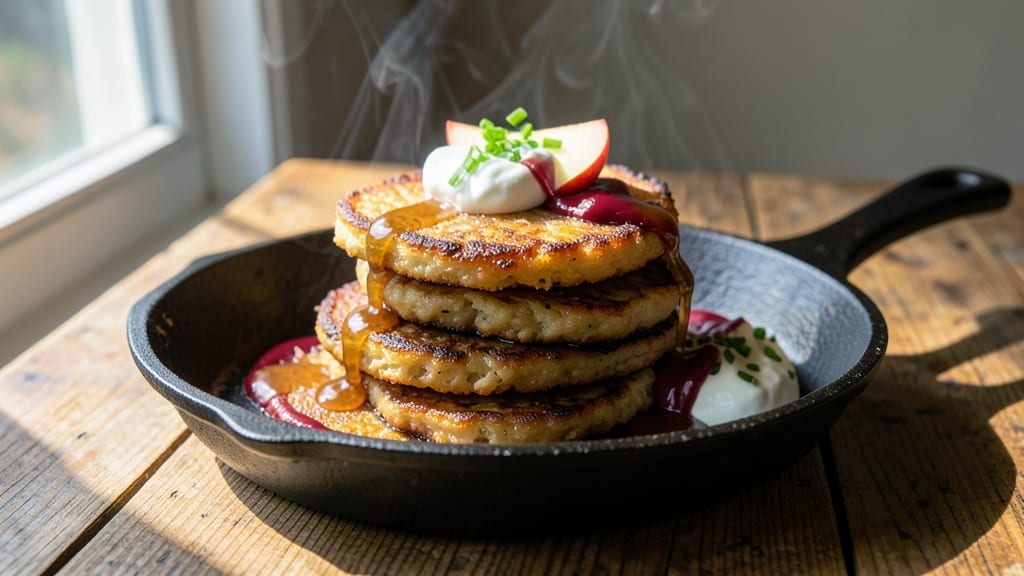
A basic potato latke recipe begins with the right technique—grate, drain, and fry until golden brown for perfect crispiness. The secret lies in thin, even shreds that crisp perfectly while staying tender inside, all thanks to a simple egg and flour binder.
I’ve perfected this method over years of Hanukkah celebrations, ensuring every bite delivers that satisfying crunch and vinegar-kissed flavor.
This recipe delivers restaurant-quality latkes in just 30 minutes, using basic ingredients you likely already have. The key steps—properly grating potatoes, draining excess moisture, and maintaining 350°F oil temperature—make all the difference between soggy and perfectly crispy results.
The vinegar in the batter adds a subtle tang that balances the richness of the fried potatoes.
By the end, you’ll have a stack of golden-brown latkes with crispy edges and fluffy centers, ready to be served with classic toppings like applesauce, sour cream, or even a sprinkle of fresh herbs.
The aroma alone will have everyone gathering around the table, and the texture—crunchy outside, tender within—is impossible to resist.
Serve these latkes warm for the best experience, and don’t forget to keep them covered to maintain their crispiness. Whether you’re hosting a Hanukkah gathering or just craving a comforting side dish, this recipe delivers foolproof results every time.
Ingredients for basic potato latke
Russet potatoes, eggs, and a touch of vinegar create crispy, golden latkes with perfect texture.
| Ingredient | Amount | Notes |
|---|---|---|
| Russet Potatoes 🥔 | 2 lb | Unpeeled, grated into fine shreds |
| Large Eggs 🥚 | 1 whole | Room temperature for even binding |
| All-Purpose Flour 🌾 | ¼ cup | Lightly sifted for aeration |
| White Vinegar 💧 | 1 tbsp | Distilled, for subtle tang |
| Diamond Crystal Kosher Salt 🧂 | 1 tsp | Fine grain for even seasoning |
| Ground Black Pepper 🌶️ | ½ tsp | Freshly cracked for aroma |
| Vegetable Oil 🫒 | 2 cups | High smoke point (350°F) |
| Fresh Parsley 🌿 | ⅛ cup | Chopped, for garnish |
| Applesauce 🍎 | ½ cup | Unsweetened, for serving |
| Sour Cream 🥛 | ½ cup | Full-fat for richness |
| Lemon Wedges 🍋 | 2 whole | For serving |
Russet potatoes are non-negotiable here—their low moisture content and fluffy texture yield ideal latkes. Buy organic if possible to avoid waxy coatings, or thoroughly rinse conventional potatoes before grating. The food processor with a shredding disc is your best friend for even, thin shreds—thicker pieces fry unevenly. For maximum crispiness, pat the shredded potatoes dry with paper towels to remove excess moisture, which is crucial for that restaurant-quality crunch. If you're prepping ahead, store the grated potatoes in a colander lined with paper towels in the fridge for up to 24 hours, but drain them again before using.
No white vinegar? Apple cider vinegar works equally well, though it adds a slightly fruity note. Substitute flour with cornstarch at the same ratio for extra crispiness, though the texture will differ slightly. For a dairy-free option, omit the sour cream and applesauce or use dairy-free alternatives like coconut yogurt or vegan applesauce. If you're short on parsley, fresh chives or dill add a nice contrast. The key to perfect latkes lies in the 350°F oil temperature—use a deep-fry thermometer to maintain precision, as oil that's too cool will yield greasy latkes, while oil that's too hot will burn the exterior before the interior cooks through.
Latkes are best served immediately after frying, but if you must reheat, place them in a 350°F oven for 5-10 minutes to restore crispiness. Store leftovers in an airtight container between layers of paper towels to absorb moisture—they'll keep for 3 days this way. For freezer storage, arrange latkes on a baking sheet to freeze solid, then transfer to a sealed bag for up to 1 month. Reheat frozen latkes directly from frozen in the oven at 375°F for 10-12 minutes, adding a splash of oil to the pan to help crisp them up.
Why You'll Love This Recipe
- No-Fuss Grate: I just peel, grate, and squeeze out the moisture—no fancy gadgets, no stress. The vinegar keeps them from turning into a soggy mess, and honestly? That’s half the battle won.
- Crispy-Creamy Magic: That perfect golden crust with a fluffy inside? It’s all in the mix—flour and egg bind it just right, while the salt makes every bite taste like a hug from your favorite comfort food.
- Holiday or Hangry Fix: Serve them at Hanukkah with applesauce or top with sour cream anytime—weeknight snack, game-day bite, or festive side. They’re the kind of food that works for both celebrations and lazy Sundays.
- Pantry-Proof Perfection: Russets are cheap, eggs are cheap, and you’re not buying specialty ingredients. Make a double batch, freeze the extras, and reheat them straight from the fridge—zero waste, all flavor.
Instructions for crispy potato latkes with perfect golden edges
Mastering latkes begins with precise technique—here's how to achieve that signature crunch and vinegar-infused flavor every time.
Grate and Squeeze Excess Moisture from the Potatoes
Using a box grater or food processor, grate the 2 lb russet potatoes into fine shreds. Immediately transfer the shreds to a clean kitchen towel or cheesecloth-lined colander. The key here is removing excess starch and moisture—gently press the shreds in the towel, then wring out the liquid. You want the potatoes to be damp but not dripping when you're done. This step prevents soggy latkes and ensures that crispy exterior we're after.
Work in batches if needed, as potatoes release moisture rapidly. The goal is to have shreds that hold their shape when squeezed but still maintain some moisture for binding. If you're using a food processor, pulse briefly to avoid pulverizing the potatoes into a paste. The texture should resemble coarse sandpaper when you run your fingers through it.
Combine Wet and Dry Ingredients for Optimal Binding
In a large mixing bowl, combine the grated potatoes with the 1 whole large egg, 0.25 cup lightly sifted all-purpose flour, 1 tbsp white vinegar, 1 tsp diamond crystal kosher salt, and 0.5 tsp freshly cracked ground black pepper. Using your hands, gently fold everything together until just combined. Be careful not to overmix—the dough should hold together when pressed but remain slightly crumbly.
The vinegar plays a crucial role here, acting as a natural tenderizer that breaks down the potato's cell structure for a lighter texture. The flour acts as a binder, but we're using just enough to hold the mixture together without making the latkes dense. If the mixture feels too wet, add an extra tablespoon of flour; if too dry, add a splash of ice water. The ideal consistency should resemble damp sand that clumps when pressed but doesn't stick to your fingers.
Heat Oil and Form Latkes for Even Cooking
Pour the 2 cups vegetable oil into a deep, heavy-bottomed skillet or Dutch oven. Heat over medium heat until the oil reaches 350°F—use a deep-fry thermometer to monitor this precisely. The oil should shimmer gently but not smoke when properly heated. While the oil heats, shape the potato mixture into 4 equal portions (about ½ cup each), pressing gently but firmly to form ½-inch thick patties.
Here's where attention to detail matters most: don't press too hard or the latkes will become dense. Instead, form them with just enough pressure to hold together. I like to make them slightly larger than the final size—they'll shrink as they cook. Keep the formed latkes on a wire rack or plate while you wait for the oil to reach temperature, as any residual moisture will cause them to steam instead of crisp.
Fry Until Golden Brown and Crisp
Carefully slide 2 latkes into the hot oil, being mindful not to splash. Fry for 3-4 minutes per side until they develop a deep golden brown color and the edges are crisp and slightly caramelized. You'll know they're ready when you can see the golden crust through the oil and the edges release easily from the pan. Use a slotted spatula to flip them—don't press down, as this can cause the latkes to absorb oil and become greasy.
Work in batches, maintaining the oil temperature at 350°F between frying. If the oil temperature drops below 325°F, the latkes will absorb excess oil and lose their crispness. For even cooking, I recommend frying two latkes at a time, spacing them about ½ inch apart in the pan. Transfer the cooked latkes to a paper towel-lined plate to drain excess oil while you finish the remaining batches.
Serve Immediately with Traditional Toppings
Serve the latkes immediately while they're still hot and crisp, accompanied by 0.5 cup unsweetened applesauce, 0.5 cup full-fat sour cream, and the 2 whole lemon wedges. The sour cream adds a cooling contrast to the crispy latkes, while the lemon brightens the dish with a tangy finish. Sprinkle with 0.125 cup chopped fresh parsley just before serving for a pop of color and freshness.
For maximum crispiness, serve the latkes straight from the fryer—waiting even 5 minutes will cause them to soften. The contrast of textures is what makes latkes special: the crispy exterior, the tender interior, and the creamy, tangy toppings. Each bite should deliver that perfect balance of crunch and flavor, with the vinegar-infused edge adding a subtle tang that elevates the dish.
Pro Tips For Making Basic Potato Latke
- GRATE THEM WET: Russets release starch like crazy when grated—soak the shredded potatoes in cold water for 10 minutes, then drain and squeeze out every last drop. I learned this the hard way after making latkes that turned into gluey pancakes. The extra step keeps them crispy, not soggy.
- SALT THE POTATOES FIRST: Toss the grated potatoes with 1.5 teaspoons of kosher salt before mixing with egg and flour. This draws out moisture and seasons them properly—no need to overdo it later. (Yes, even if you're impatient like me, give it 5 minutes to sit.)
- TEST THE OIL TEMP: Drop a small piece of potato into the oil—if it sizzles and rises immediately, you’re golden. Too quiet? Heat it longer. Too loud? Let it cool slightly. My first batch of burnt latkes taught me: medium-high heat is a range, not a setting.
- PRESS THEM FLAT: Use a fork to press the batter into the pan, then flatten with a spatula before frying. This ensures even cooking and prevents puffy, uneven latkes. (Pro move: Chill the batter 10 minutes first—it holds shape better.)
Serving suggestions for basic potato latke
Classic Toppings
Serve your latkes with unsweetened applesauce and full-fat sour cream for the traditional Hanukkah experience. The applesauce provides a sweet contrast to the savory potatoes, while the sour cream adds a creamy, cooling element that balances the crispy texture.
I always include lemon wedges to cut through the richness with their bright acidity—just a squeeze adds a refreshing finish. 🍎
Herb Garnishes
Brighten your latkes with chopped fresh parsley right before serving. The parsley adds a pop of color and freshness that makes the dish look restaurant-worthy. For a bolder flavor, try fresh chives or dill—both pair beautifully with the vinegar-infused potatoes.
I like to sprinkle them over the top just as the latkes come out of the fryer for maximum aroma. 🌿
Sweet Variations
Swap out the sour cream for mashed sweet potatoes or caramelized onions for a sweeter twist. The natural sweetness complements the crispy latkes without overpowering them. For a festive touch, drizzle with honey or maple syrup after frying.
This works especially well for brunch or holiday gatherings when you want a slightly sweeter profile. 🍯
Spicy Kick
Add a little heat with smoked paprika or crushed red pepper flakes on top of your latkes. The smoky depth of paprika enhances the vinegar flavor, while the pepper flakes bring a subtle burn that cuts through the richness.
For a more intense kick, serve with spicy mustard or sriracha-infused sour cream on the side. 🌶️
Make-Ahead Serving
If you're prepping ahead, keep cooked latkes warm in a 200°F oven for up to 30 minutes before serving. Reheat them in a 350°F oven for 5 minutes to restore crispiness.
Store leftovers in an airtight container between layers of paper towels to absorb excess moisture. When ready to serve, simply reheat and garnish with fresh herbs or toppings. ⏰
Presentation Tips
For an elegant presentation, arrange latkes on a wooden board or slate platter with toppings artfully placed around them. Use a ladle to serve applesauce and a small bowl for sour cream to encourage interactive eating.
A sprinkle of flaky sea salt or toasted sesame seeds adds a sophisticated touch that elevates the dish. The golden-brown color of the latkes makes them naturally photogenic—perfect for sharing on social media! 📸
Nutrition facts
Frequently asked questions
Why do my latkes turn out soggy instead of crispy?
Soggy latkes usually mean excess moisture in the potato mixture. Always grate potatoes and press out liquid thoroughly with a clean towel before mixing. Also, maintain 350°F oil temperature—if it's too low, the latkes will absorb oil instead of crisping.
Can I make latkes ahead of time?
Yes, but with care! Fry latkes fresh for best texture, but store cooked ones in an airtight container between paper towels for up to 3 days. Reheat in a 350°F oven for 5-10 minutes to restore crispiness. For freezing, arrange on a tray, freeze solid, then transfer to a bag for up to 1 month. Reheat from frozen at 375°F for 10-12 minutes.
What's the best oil for frying latkes?
Use vegetable, canola, or peanut oil—they have high smoke points and neutral flavors. Avoid olive oil (too low smoke point) or butter (burns easily). Keep oil temperature at 350°F using a thermometer for perfect crispiness.
Can I make latkes without eggs?
Yes! Replace the egg with 1 tbsp ground flaxseed mixed with 3 tbsp water (let sit for 5 minutes to thicken) or ½ cup mashed potato for binding. The texture will differ slightly but still hold together. For extra crispiness, add 1 tbsp cornstarch to the batter.
How do I keep latkes warm for serving?
Place finished latkes in a 200°F oven on a wire rack (not piled) for up to 30 minutes. The rack allows air circulation to maintain crispiness. For buffet-style serving, use a chafing dish or slow cooker set to 170°F. Never cover with foil—it traps steam and makes them soggy.