
Side Dishes
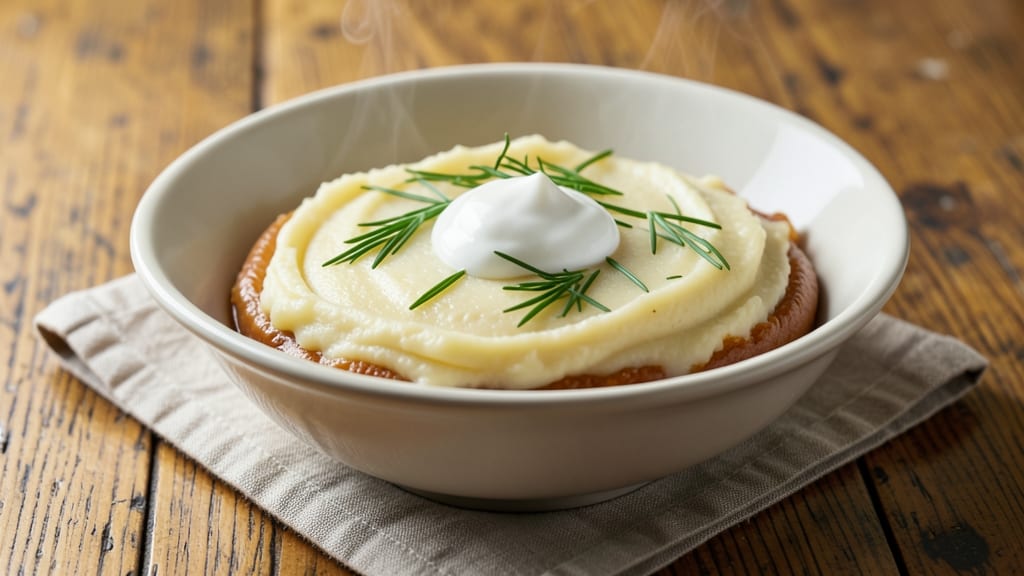
Bob Evans' sour cream and chives mashed potatoes deliver that signature restaurant-quality texture—velvety smooth with just enough resistance to hold its shape. The secret lies in precise technique: boiling potatoes until tender yet firm, then mashing while hot with butter and cream before folding in tangy sour cream.
I've recreated this dish exactly as served in their diners, where every bite balances rich creaminess with bright chive freshness.
What sets these apart is the two-stage mashing method—first breaking down the potatoes roughly, then pushing through a ricer for that signature silky finish. The sour cream adds tangy depth without overpowering, while fresh chives contribute a bright herbal note that cuts through the richness.
This isn't just mashed potatoes; it's a foolproof technique that transforms simple ingredients into a restaurant-worthy side dish.
By the time you're done, you'll have potatoes that are perfectly creamy yet still hold their shape, topped with a generous sprinkle of chopped chives. The aroma alone will have everyone at the table asking for seconds—this is comfort food at its finest.
The best part? It only takes about 45 minutes from start to finish, making it ideal for holiday dinners or weeknight meals.
Serve alongside roasted meats or grilled vegetables for a complete meal, or enjoy as a standalone dish with extra chives and black pepper. The key to success is patience—don't rush the boiling or mashing, and let the flavors meld before serving.
Here's how to make them exactly like Bob Evans serves them.
Ingredients for bob evans sour cream and chives mashed potatoes
Six simple ingredients create Bob Evans' signature velvety mashed potatoes with perfect chive freshness.
| Ingredient | Amount | Notes |
|---|---|---|
| Russet Potatoes 🥔 | 3 lb | Medium size, peeled and quartered |
| Unsalted Butter 🧈 | ¾ cup | Cold, cut into 1-inch pieces |
| Heavy Whipping Cream 🥛 | ½ cup | Full-fat for best texture |
| Sour Cream 🥛 | ½ cup | Full-fat, room temperature |
| Fresh Chives 🌿 | ¼ cup | Finely chopped, plus extra for garnish |
| Salt 🧂 | 2 tsp | Kosher or sea salt |
| Ground Black Pepper 🌶️ | ½ tsp | Freshly ground preferred |
| Milk 🥛 | ¼ cup | Optional, for extra creaminess |
The potatoes are the foundation—Russet potatoes are ideal for their high starch content, giving that signature fluffy texture. Buy them a day ahead if possible; storing them in a cool, dark place lets the starch convert to sugar for better flavor. Peeled and quartered before boiling ensures even cooking. For the butter, unsalted is a must—it gives you full control over the seasoning. Plugrah or Land O'Lakes are reliable brands that work well. The chives should be bright green with no yellowing; Trader Joe's or local farmers markets often have the freshest bunches.
No heavy whipping cream? Half-and-half works in a pinch, though the texture will be slightly lighter. The sour cream adds that signature tang, so don't skip it—Kroger or Breyers are good full-fat options. If you're making this ahead, prepare the mashed potatoes without the sour cream and fold it in right before serving to prevent curdling. For the chives, fresh is non-negotiable—dried chives won't give you that bright, fresh flavor. If you can't find fresh, substitute 1 tbsp dried chives plus 1 tsp lemon zest for a similar brightness. The milk is optional but helps create that ultra-smooth texture Bob Evans is known for.
These mashed potatoes keep beautifully—reheat in the microwave with a splash of milk to restore creaminess. Store in an airtight container for up to 5 days in the fridge or freeze for 3 months. For serving, always garnish with extra chives right before eating. The dish reheats best when warmed gently on the stovetop over low heat, stirring occasionally. Portion into ramekins for individual servings if making ahead for a dinner party.
Why You'll Love This Recipe
- Foolproof Boil: I swear by this method—just peel, cube, and boil Russets until fork-tender. No need to fuss with draining or mashing by hand; a ricer handles it in seconds while I’m still chopping chives.
- Creamy Chive Magic: That tangy sour cream and bright chives? It’s the perfect marriage. The butter and cream make it velvety, but the chives add a fresh bite that keeps it from being too heavy.
- Game Day Hero: Between us, this is my go-to for football Sundays or holiday dinners. It’s hearty enough to stand alone but pairs perfectly with anything—smoked brisket, roasted chicken, or even just a grilled cheese.
- Leftovers Win: Honestly, I make a double batch because these potatoes reheat like a dream. Just microwave with a splash of milk, and they’re just as creamy as day one—no one will guess they’re not fresh.
Step-by-step instructions for Bob Evans' sour cream and chives mashed potatoes
Here's the method for restaurant-quality mashed potatoes with velvety texture and bright chive flavor.
Prepare and Boil the Potatoes
Start by peeling the 3 lb russet potatoes and cutting them into 1-inch chunks for even cooking. Place them in a large pot and cover with cold water by about 2 inches. Add 2 teaspoons salt to the water—this enhances flavor as the potatoes cook.
Bring the water to a boil over high heat, then reduce to a gentle simmer. Cook the potatoes for 15-20 minutes until they're fork-tender—you should be able to pierce them easily with minimal resistance. Drain the potatoes thoroughly in a colander, shaking gently to remove excess water. The drier the potatoes, the creamier your mash will be.
Mash the Potatoes to a Smooth Texture
Return the drained potatoes to the pot and place it over low heat. Add the 0.75 cup cold unsalted butter in 1-inch pieces and let it melt gradually into the potatoes. This gentle melting prevents butter from scorching and creates a silky base.
Using a potato masher or ricer, work the potatoes until they reach your desired texture—smooth with just a few lumps for rustic appeal, or completely silky. Avoid overworking them, as this can make the mash gummy. If the potatoes feel dry at any point, add 1-2 tablespoons of the 0.25 cup milk to restore moisture.
Incorporate Cream and Sour Cream
Remove the pot from heat and let the potatoes cool slightly for 2-3 minutes. This prevents the cream from curdling when mixed in. Stir in the 0.5 cup heavy whipping cream and 0.5 cup sour cream, mixing gently but thoroughly. The cream adds richness while the sour cream contributes that signature tang.
Return the pot to low heat and warm the mixture for 1-2 minutes, stirring constantly. This step ensures all ingredients are fully incorporated and the flavors meld together. Avoid boiling—the heat should be just enough to warm through without breaking down the cream.
Season and Fold in Chives
Season the mashed potatoes with 0.5 teaspoon freshly ground black pepper, then taste and adjust the salt if needed. The sour cream and butter should balance the need for additional salt. Stir in the 0.25 cup finely chopped fresh chives, reserving a small amount for garnish.
For extra creaminess, fold in the remaining 0.25 cup milk if the texture feels slightly thick. The potatoes should be light, airy, and smooth with a bright herby note from the chives. Transfer to a serving bowl and garnish with the reserved chives for a restaurant-worthy presentation.
Serve Immediately for Best Results
Serve the mashed potatoes while still warm, as they'll continue to thicken slightly as they cool. The combination of butter, cream, and sour cream creates a velvety texture that pairs perfectly with roasted meats or holiday feasts.
If you need to reheat leftovers, gently warm them in a pot over low heat with a splash of milk or cream, stirring constantly to prevent drying. For best flavor, enjoy them fresh off the stove where the creamy richness truly shines.
Pro Tips For Making Bob Evans Sour Cream And Chives Mashed Potatoes
- BOIL UNTIL FORK-TENDER: Russets stay dry if you cut them too big—aim for 1.5-inch chunks max. Test one piece after 15 minutes; it should collapse like a sad marshmallow. Overcooked potatoes turn to glue, and no amount of butter or sour cream can fix that.
- SALT THE POTATO WATER: Toss the chunks in salted water (1 tbsp per gallon) from the start. This seasons the starches and makes the final mash taste richer. I learned this the hard way—water-only potatoes taste bland no matter how much butter you add.
- WHISK IN THE SOUR CREAM: Fold the sour cream in last, after mixing in the butter and cream. If you add it early, the acid can break down the starches and make the potatoes gummy. A few lazy minutes now = regret later.
- CHOP CHIVES FINE: Don’t just sprinkle whole chives on top—chop them into tiny pieces and mix them into the last few spoons of mashed potatoes. This distributes the flavor evenly and makes every bite taste like Bob Evans, not just the surface. (Yes, even if you’re impatient like me.)
Common mistakes when making this recipe
Overcooking Potatoes
I’ve seen this happen more times than I can count—potatoes that turn mushy and gluey because they were boiled too long. The key is fork-tender, not falling-apart tender. Overcooked potatoes release too much starch, which turns your mash into a paste.
Aim for 15-20 minutes of simmering time, and test with a fork. If it slides in easily but still has a little resistance, they’re perfect. 🥔
Skipping the Cooling Step
One of the biggest mistakes is mixing in the cream and sour cream while the potatoes are still piping hot. This causes the dairy to curdle, creating a lumpy, grainy texture instead of the silky finish you want.
Let the potatoes cool for 2-3 minutes before adding the cream. This small step makes all the difference in achieving that restaurant-quality smoothness.
Using Low-Quality Dairy
Not all sour cream and butter are created equal. I’ve tried store-brand versions that turn my mashed potatoes greasy or overly tangy. Stick with full-fat, high-quality brands like Kroger sour cream and Plugrah butter for the best results.
The fat content in these ingredients is what gives Bob Evans’ potatoes that luxurious, velvety mouthfeel. Skimping here ruins the texture.
Overworking the Mash
I used to think the smoother the mash, the better—until I realized overmixing creates gummy potatoes. Once you’ve mashed the potatoes to your desired consistency, stop. Use a ricer if you want ultra-smooth results, but even then, avoid excessive force.
The goal is light and airy, not dense. If your mash starts to feel sticky, it’s too late—prevent this by working quickly and gently. 💫
Adding Chives Too Early
Fresh chives should be the final flourish, not an ingredient folded in during mashing. Adding them too soon causes the delicate herbs to wilt and lose their bright flavor.
Reserve a small amount for garnish and fold in the rest just before serving. This keeps their aroma and color vibrant, making your dish look as good as it tastes.
Ignoring the Butter Temperature
Cold butter is your friend—never melt it all at once over high heat. Adding cold butter in 1-inch pieces lets it melt gradually, preventing scorching and creating tiny pockets of richness.
If you melt the butter completely before adding it, you’ll end up with a greasy, uneven texture instead of the creamy, velvety finish Bob Evans’ version is known for.
Nutrition facts
Frequently asked questions
Can I make these mashed potatoes ahead of time?
Prepare them up to 2 days ahead by mashing the potatoes and adding butter and cream, but hold off on the sour cream until right before serving. Store in an airtight container in the fridge, then warm gently on the stovetop with a splash of milk and fold in the sour cream and chives just before serving. This keeps the texture perfect and prevents curdling.
What if I don't have fresh chives?
Use 1 tablespoon dried chives plus 1 teaspoon lemon zest as a substitute. For extra brightness, add a pinch of garlic powder or onion powder to mimic the fresh herb flavor. If you can't find chives at all, green onion tops finely chopped work well too. The key is to maintain that fresh, herby note.
How do I fix lumpy mashed potatoes?
If your mash turns out lumpy, don't panic! Press it through a potato ricer or use a food mill for ultra-smooth results. For a quick fix, vigorously mash with a hand masher while adding 1-2 tablespoons of warm milk to help break down the lumps. The secret is working quickly and thoroughly—this is why the two-stage mashing method in the recipe works so well.
Can I make this recipe with sweet potatoes?
While possible, sweet potatoes won't give you the same light, fluffy texture as russets. Their natural moisture and different starch content make them better suited for mashed sweet potato recipes with different techniques. If you're set on using them, boil them 5-10 minutes longer and add an extra 2 tablespoons of butter to compensate for their natural sweetness.
Why does Bob Evans' version taste different from mine?
The key differences are two-stage mashing, using full-fat dairy, and proper timing with the sour cream. Bob Evans' version also uses high-quality ingredients and precise cooking methods—like not overcooking the potatoes and letting them cool slightly before adding dairy. The fresh chives and proper seasoning balance make all the difference in that signature flavor.