
Side Dishes
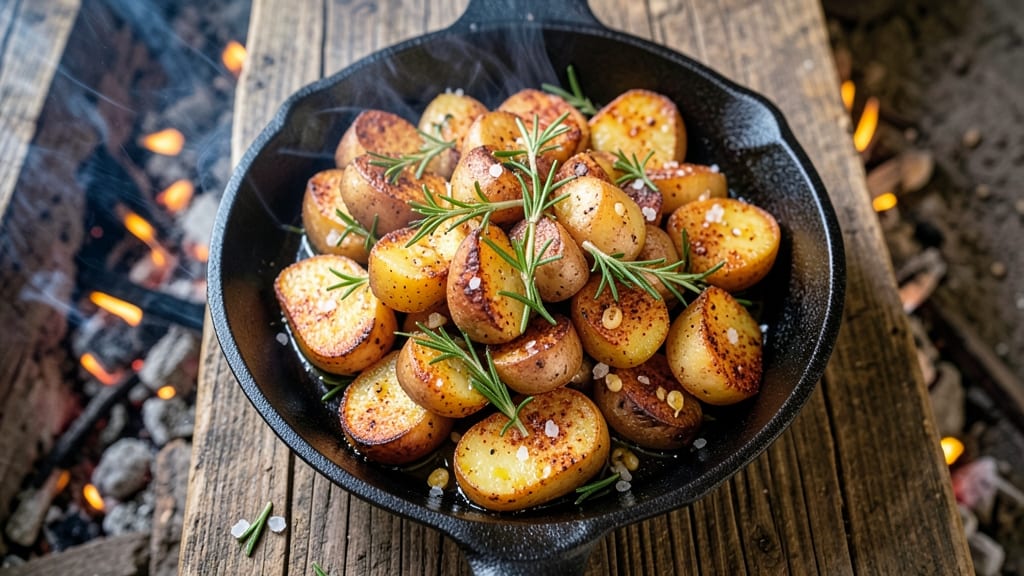
Mastering campfire potatoes transforms a simple side into a showstopper with smoky char and fluffy centers—all wrapped in foil for effortless cleanup. The key lies in the right seasoning blend and understanding how direct heat affects texture, a technique I’ve perfected over countless campfire nights.
This method delivers restaurant-quality results without requiring fancy equipment, just a grill or campfire and a few basic ingredients.
What sets these campfire potatoes apart is their perfect balance: crispy edges from the flames, tender interiors that stay moist, and a savory depth from herbs and spices that caramelize beautifully. The foil packet method ensures even cooking while trapping steam, creating that ideal contrast between char and fluff.
Unlike oven-baked potatoes, the campfire adds a distinct smoky aroma that elevates every bite.
You’ll end up with golden, charred potatoes that are crisp on the outside yet pillowy inside—a texture that’s impossible to resist. The seasoning clings perfectly to the foil, infusing each bite with a harmonious blend of garlic, paprika, and rosemary.
This dish pairs effortlessly with grilled meats, burgers, or even as a standalone meal for a quick, satisfying outdoor dinner.
Whether you're cooking for a crowd or just a campfire gathering, this recipe scales perfectly while keeping prep simple. The foil packets make serving easy, and the leftovers reheat beautifully—just pop them back on the grill for a few minutes. Let’s get started on creating your next campfire centerpiece.
Ingredients for campfire potatoes
Six essential ingredients transform humble potatoes into smoky, restaurant-quality campfire bites.
| Ingredient | Amount | Notes |
|---|---|---|
| Russet Potatoes 🥔 | 3 lb | Medium-sized, cut into even chunks |
| Extra-Virgin Olive Oil 🫒 | ¼ cup | High smoke point for grilling |
| Smoked Paprika 🌶️ | 2 tbsp | For authentic campfire smokiness |
| Garlic Cloves 🧄 | 6 cloves | Minced for even distribution |
| Fresh Rosemary 🌿 | ¼ cup | Finely chopped, stems removed |
| Kosher Salt 🧂 | 1 ½ tsp | Diamond Crystal preferred |
| Ground Black Pepper 🌶️ | 1 tsp | Freshly cracked preferred |
| Heavy Cream 🥛 | ¼ cup | Full-fat for rich flavor |
| Aluminum Foil 📄 | 2 sheets | Heavy-duty for direct heat |
| Wood Chips 🌳 | ½ cup | Hickory or oak preferred |
| Fresh Parsley 🌿 | ⅛ cup | Chopped for garnish |
The potato selection is critical—Russets deliver the ideal fluffy interior, while smaller varieties risk uneven cooking. For optimal results, source them from local farmers markets during peak season (late summer to fall), where they’re typically fresher than grocery store stock. The smoked paprika is non-negotiable for that authentic campfire aroma; Penzeys or McCormick brands offer consistent quality. Fresh rosemary should have a vibrant green color and firm stems—avoid wilted sprigs that compromise flavor. For the wood chips, hickory or oak from specialty stores like Traeger or Weber provide the perfect smoky backbone without overpowering the dish.
No smoked paprika? Substitute half the amount with regular paprika plus a pinch of liquid smoke—though the flavor won’t be identical. Fresh rosemary unavailable? Dried works at one-third the quantity, but toast it first in a dry pan for 30 seconds to revive its aroma. For the olive oil, avoid light or refined varieties—stick to extra-virgin with a peppery finish. The heavy cream isn’t just for richness; it creates steam during cooking, ensuring those fluffy centers. If you’re cooking for a crowd, double the batch—these potatoes reheat beautifully, making them ideal for meal prep. The aluminum foil should be heavy-duty; Reynolds or Foil Armor brands hold up best to direct heat.
Store prepped potato mixtures in airtight containers for up to 24 hours before cooking, but assemble foil packets just before grilling to prevent sogginess. Leftover cooked potatoes keep for 4 days in the fridge—reheat by wrapping in fresh foil and returning to the grill for 5 minutes. For a smoky twist on leftovers, sprinkle with extra smoked paprika before reheating. The wood chips can be reused once, but store them in a sealed container for up to 3 months if kept dry. Fresh herbs like parsley and rosemary should be wrapped in damp paper towels and refrigerated for 5-7 days to maintain vibrancy.
Why You'll Love This Recipe
- One-Pan Magic: I swear by this—just slice, toss, and forget. The potatoes go from raw to golden in the same pan you cook them, and honestly? That’s my kind of effortless.
- Smoky Garlic Hug: That smoked paprika and rosemary combo? It’s like a warm, earthy blanket over every bite. The garlic cloves roast right into the potatoes, turning them into something dangerously addictive.
- Tailgate or Taco Night: Between us, these potatoes work everywhere. Serve them alongside grilled steaks for a crowd, or pile them into tacos for a weeknight shortcut. My daughter even sneaks them into her lunchbox.
- Budget Crunch Saver: Russets are cheap, and a single pan of these feeds four for under $5. Leftovers? They reheat like a dream—crispy edges, creamy middle—no sad, dry potatoes here.
Step-by-step instructions for smoky char and fluffy campfire potatoes
Transform simple russet potatoes into restaurant-worthy campfire bites with perfect char and tender centers.
Prepare the Potatoes with Smoky Seasoning
Begin by cutting the 3 lb russet potatoes into even 2-inch chunks—consistent size ensures uniform cooking. Place them in a large bowl and toss gently with the 0.25 cup extra-virgin olive oil until evenly coated. This high-smoke-point oil prevents burning while creating a crisp exterior.
In a small bowl, combine the 2 tbsp smoked paprika, 6 minced garlic cloves, 0.25 cup finely chopped fresh rosemary, 1.5 tsp kosher salt, and 1 tsp freshly cracked black pepper. Sprinkle this aromatic blend evenly over the potatoes, pressing gently to ensure every piece absorbs the flavors. The paprika will infuse that authentic campfire smokiness while the rosemary and garlic add herbal depth.
Assemble and Seal in Foil Packets
Divide the seasoned potatoes evenly between the 2 sheets of heavy-duty aluminum foil, creating two separate portions. Fold each sheet into loose packets—leave about 6 inches of foil open at the top to allow steam to escape while preventing spillage. The foil will create a perfect cooking vessel that traps moisture and infuses smoke flavor.
Place the foil packets directly over the wood chips in your campfire grill or grill grate. The wood chips should be positioned beneath the foil to create indirect heat and infuse the potatoes with smoky aroma. Maintain a temperature of 375°F—hot enough to develop char but not so hot that the potatoes burn before cooking through.
Cook Until Perfectly Charred and Tender
Cook the foil packets for 45-50 minutes, rotating them every 15 minutes to ensure even browning on all sides. You're aiming for potatoes with deep golden-brown char marks on the exterior while maintaining a fluffy, fork-tender interior. The foil will create steam that keeps the centers moist, while the direct heat creates that coveted campfire char.
Test doneness by piercing a potato chunk with a sharp knife—it should slide in easily with slight resistance. If the potatoes aren't tender enough, return them to the heat for an additional 10 minutes, checking frequently to prevent over-browning. The wood chips should continue smoldering, filling the air with that irresistible smoky aroma.
Finish with Creamy Garnish
Remove the foil packets from the grill and carefully open them—steam will escape, so use caution. Transfer the potatoes to a serving platter and drizzle generously with the 0.25 cup heavy cream. The cream adds a luxurious finish that balances the smoky flavors while keeping the potatoes moist. Toss gently to coat each piece evenly.
Garnish immediately with the 0.125 cup chopped fresh parsley for a pop of color and freshness. The parsley not only enhances presentation but also adds a subtle herbal note that complements the smoky, garlicky flavors. Serve directly from the grill for that authentic campfire experience, or transfer to a platter for a more formal presentation.
Pro Tips For Making Campfire Potatoes
- CUT THEM EVENLY: Russets are stubborn—uneven slices mean some burn while others stay raw. Grab a sharp knife and slice them into ½-inch rounds (no smaller, or they’ll turn to mush). If you’re lazy like me, a mandoline does this in seconds, but a steady hand works too. Just don’t rush it.
- OIL THEM FIRST: Tossing potatoes in oil after they hit the fire is a gamble—half will stick to the pan. Instead, toss them in 1-2 tablespoons of olive oil while still cold, then season. The oil clings better, and the potatoes crisp up faster. (Yes, even if you’re impatient like me.)
- DON’T CROWD THE FIRE: I learned this the hard way—piling potatoes too close means they steam instead of crisp. Spread them in a single layer, leaving gaps. If your fire’s small, work in batches. Trust me, the first time you see them golden and crispy instead of soggy, you’ll never go back.
- BURY THE GARLIC: Whole cloves burn before they soften. Smash them flat with the side of your knife first—just enough to expose the good stuff. Tuck them into the potatoes halfway through cooking so they infuse without turning bitter. (And skip the pre-minced garbage; it’s a flavor crime.)
Wine and beer pairings for this campfire potatoes
Smoky White Wine
For campfire potatoes, a dry Riesling with its crisp acidity and subtle honeyed notes cuts through the smokiness beautifully. I recommend a German Riesling like Dr. Loosen Blue Slate—its mineral finish enhances the rosemary and garlic in the potatoes.
The slight sweetness balances the charred edges, while the acidity cleanses your palate between bites. Serve slightly chilled (50-55°F) to highlight its vibrant fruit flavors. 🍷
Crisp Lager Pairing
A Belgian-style witbier like Hoegaarden brings refreshing citrus and coriander notes that complement the smoky depth. The effervescence helps reset your palate after each bite of rich, charred potato.
For a more approachable option, try a German Helles like Weihenstephaner Original—its malty backbone stands up to the heavy cream finish. Keep it well-chilled (40-45°F) to maintain crispness. 🍺
Bold Red Alternative
If you prefer red wine, a light-bodied Pinot Noir with earthy undertones works surprisingly well. Look for a Oregon Pinot Noir like Domaine Serene—its red fruit and subtle spice notes mirror the smoked paprika in the potatoes.
Avoid heavy Cabernets or Syrahs, which would overpower the dish. Decant for 30 minutes before serving to soften tannins and enhance aroma. 🍇
Smoky Stout Contrast
For a bold pairing, a dark stout like Guinness Foreign Extra Stout creates an unexpected but delicious contrast. The roasted malt notes echo the campfire char, while the creamy texture mirrors the heavy cream finish.
Serve at 45-50°F to balance the richness. This pairing works best with heartier meals like grilled steaks or smoked sausages. 🍻
Non-Alcoholic Options
For a refreshing non-alcoholic choice, try a sparkling hibiscus tea like Tazo Hibiscus Sparkling Tea. The tart berry notes complement the rosemary and garlic, while the bubbles cleanse the palate.
For a smoky twist, add a splash of smoked sea salt> to your ice. Serve chilled (38-42°F) for the best experience. 🌿
Nutrition facts
Frequently asked questions
Can I use sweet potatoes instead of russets for campfire cooking?
Sweet potatoes work beautifully and add a natural caramelized sweetness when charred! Use the same cooking time (45-50 minutes) but expect slightly softer centers. For extra flavor, brush with maple syrup before grilling. The foil method keeps them moist, but sweet potatoes benefit from an additional 5 minutes of direct heat at the end for deeper char.
How do I prevent potatoes from sticking to the foil?
Lightly grease the foil with olive oil before adding potatoes, or use a silicon baking mat inside the foil for easy release. The key is ensuring the foil isn't too tightly sealed—leave those 6-inch openings to let steam escape. If sticking occurs, simply add 1 tablespoon of water to the packet before sealing to create extra steam.
What's the best way to reheat leftover campfire potatoes?
Wrap leftovers in fresh foil and return them to the grill over medium heat for 5-7 minutes—this restores that perfect char. For oven reheating, bake at 375°F for 10 minutes> with a splash of water in the foil to prevent drying. Avoid microwaving as it turns potatoes rubbery; the grill or oven maintains ideal texture.
Can I make these potatoes without wood chips for smoky flavor?
Yes! Skip the wood chips and use 1 teaspoon of liquid smoke mixed with the heavy cream for finishing. For a smokier alternative, grill the foil packets directly over hot coals> for the last 5 minutes> of cooking. The direct flame creates char and some natural smoke, though wood chips provide the most authentic aroma.
Why did my potatoes turn out mushy instead of fluffy?
Overcooking or insufficient oil are the most common causes. Ensure your potatoes are cut evenly> and cook at 375°F>—higher heat burns the outside before the inside cooks. Toss with extra olive oil> (up to 0.5 cup total>) and use heavy-duty foil to trap steam properly. For extra insurance, add 2 tablespoons of chicken broth> to the packet before sealing.