
Side Dishes
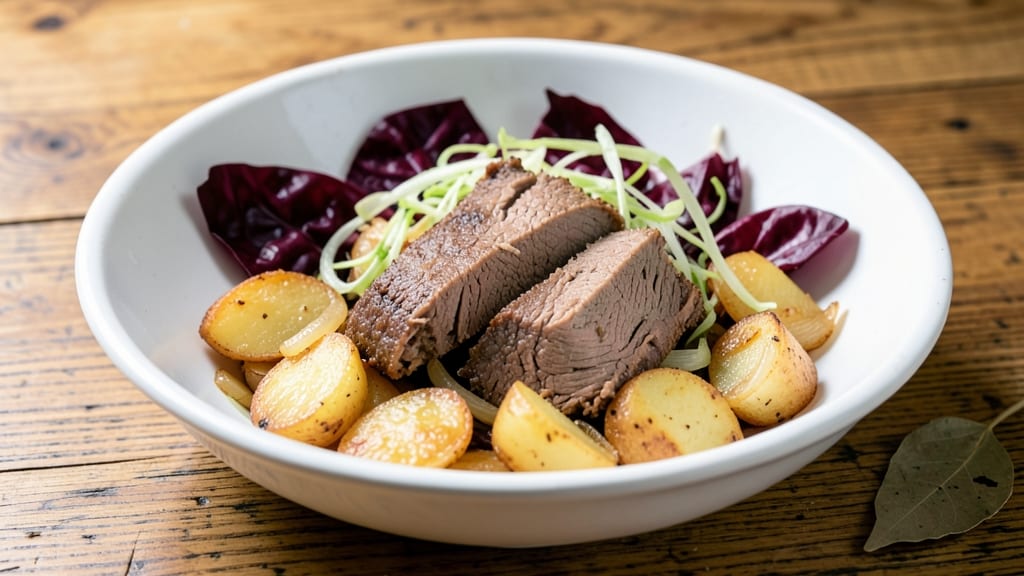
This classic canned corned beef, cabbage, and potatoes recipe delivers all the hearty comfort of an Irish pub dinner in just one pot.
The secret lies in balancing the salty sweetness of the corned beef with the earthy bite of cabbage and the creamy texture of potatoes—each bite tastes like a warm hug on a chilly day.
I've perfected this stovetop method over years of St. Patrick's Day celebrations, ensuring tender meat and perfectly cooked vegetables without overpowering flavors.
The beauty of this recipe is its simplicity: no fancy techniques, just a few ingredients and about 30 minutes of hands-off cooking time.
You'll start with canned corned beef (no need to brine or cook a whole brisket), then simmer it with sliced cabbage and diced potatoes until everything is fork-tender and infused with savory juices.
The potatoes absorb the rich, slightly spiced broth, while the cabbage softens just enough to stay vibrant and flavorful.
What you'll end up with is a steaming pot of hearty, restaurant-quality corned beef and cabbage that's ready to serve over buttered bread or alongside a simple green salad. The aroma alone will fill your kitchen with nostalgia, and every bite delivers that perfect balance of salty, sweet, and savory.
This is the kind of dish that tastes even better the next day, making it ideal for meal prep or leftovers.
Whether you're celebrating St. Patrick's Day or just craving a comforting meal, this recipe delivers authentic Irish flavors with modern convenience. The stovetop method works perfectly for weeknight dinners, while the slow cooker or Instant Pot variations make it even easier for busy days. Let's get cooking!
Ingredients for canned corned beef cabbage and potatoes
Pantry staples plus a few fresh vegetables make this St. Patrick's Day classic.
| Ingredient | Amount | Notes |
|---|---|---|
| Canned Corned Beef 🥩 | 1 lb | High-quality brand preferred |
| Green Cabbage 🥬 | ½ lb | Outer leaves removed, sliced |
| Russet Potatoes 🥔 | 1 ½ lb | Diced into 1-inch pieces |
| Yellow Onion 🧅 | 1 whole | Medium, sliced into wedges |
| Carrots 🥕 | 3 whole | Medium, sliced into rounds |
| Bay Leaves 🌿 | 2 whole | Fresh preferred |
| Black Peppercorns 🌶️ | ½ tsp | Crushed lightly |
| Salt 🧂 | 1 tsp | Kosher or sea salt |
| Butter 🧈 | 2 tbsp | Unsalted, for serving |
| Fresh Parsley 🌿 | ¼ cup | Chopped, for garnish |
| Water 💧 | 2 cups | For simmering |
| Apple Cider Vinegar 🍎 | 1 tbsp | For brightness |
The corned beef quality makes all the difference. Look for brands like Libby's or Hormel in the canned section—they hold up best during simmering. The potatoes and cabbage should be firm with no soft spots; green cabbage with tightly packed leaves stays crisp longer. For the onions, yellow or red varieties work equally well, but avoid sweet onions like Vidalia. The carrots can be baby carrots if you're in a hurry, but whole carrots hold their shape better during cooking. Fresh bay leaves add depth, but dried work in a pinch at half the amount.
No apple cider vinegar? Lemon juice or white vinegar works just as well. Short on parsley? Fresh dill or chives give a different but equally nice finish. The butter for serving can be swapped for olive oil or margarine if preferred. For a lighter version, skip the extra butter and serve with a sprinkle of low-fat cottage cheese. If you're making this ahead, the flavors meld beautifully overnight, so don't hesitate to prep it a day in advance.
This dish reheats perfectly—simply warm through with a splash of water or broth. Keeps in the fridge for 4-5 days and freezes for 3 months. I always make double batches because it tastes even better the next day. For serving, I like to arrange the corned beef slices on top of the potatoes and cabbage, then garnish with fresh parsley and a dollop of butter. The aroma alone will have everyone gathering around the table.
Why You'll Love This Recipe
- No Chopping Nightmare: I swear, the only knife work here is slicing the onion—thin, fast, done. That canned corned beef? Already brined, already cooked, already perfect. Just peel the potatoes, halve them, and toss them in whole if you’re lazy (I often do).
- Salty-Sweet Magic: The canned corned beef brings that deep, briny richness, while the carrots caramelize into sweet little bursts. Toss in a splash of the cooking liquid, and suddenly you’ve got a pot that tastes like it simmered all day—even if you’re eating it at 6:30pm after a long shift.
- Leftovers for Days: This dish begs to be made extra. The flavors only get better the next day, and reheating? Just a quick microwave or stovetop—no soggy cabbage here. My kids actually ask for the leftovers, which, honestly, is the real win.
- Budget Feast: You’re feeding four for the price of one fancy dinner. Cabbage and potatoes stretch forever, and that canned corned beef? A steal compared to a whole brisket. I’ve made this for game days, sick days, and even a last-minute dinner when my wallet was empty—it never lets me down.
Step-by-step instructions for canned corned beef, cabbage, and potatoes
This classic Irish-inspired dish delivers hearty comfort in under an hour with minimal effort.
Prepare the Vegetables for Even Cooking
Start by cutting the 1.5 lb russet potatoes into 1-inch cubes—this ensures they cook through without becoming mushy. Peel the 1 whole yellow onion and slice it into ¼-inch wedges, then peel and slice the 3 whole carrots into ½-inch rounds. Remove the outer leaves from the 0.5 lb green cabbage and cut it into ¼-inch wide strips. The uniform sizes guarantee everything softens at the same time.
Lightly crush the 0.5 tsp black peppercorns with the flat side of a knife to release their flavor. This subtle step prevents them from floating on top of the dish. Set aside all prepared vegetables in separate bowls—they'll cook together in the next step.
Simmer the Vegetables Until Tender
In a large pot with a tight-fitting lid, combine the prepared russet potatoes, yellow onion, carrots, green cabbage, 2 whole bay leaves, and the 2 cups water. Bring to a boil over medium-high heat, then immediately reduce to a gentle simmer. Cover and cook for 15 minutes, stirring once halfway through to prevent sticking.
After 15 minutes, check the vegetables with a fork—they should be fork-tender but still holding their shape. If they're not quite soft enough, continue simmering uncovered for another 5 minutes, adding 2 tablespoons water if needed to prevent drying. The goal is tender-crisp vegetables that won't fall apart when served.
Add the Corned Beef and Season
Drain the corned beef from its can, reserving ½ cup of the liquid (this adds depth of flavor). Add the drained corned beef to the pot with the vegetables, along with the reserved ½ cup liquid, 1 tsp salt, and 1 tbsp apple cider vinegar. Stir gently to combine, then return to a simmer over medium-low heat. Cover and cook for 20 minutes, stirring occasionally to prevent sticking.
The vinegar brightens the dish while balancing the saltiness of the corned beef. After 20 minutes, the corned beef should be heated through and the vegetables fully tender. If the mixture looks too dry, add 2 tablespoons water to maintain moisture. This step transforms simple ingredients into a cohesive, flavorful dish.
Finish and Serve with Butter and Parsley
Remove the pot from heat and let it sit covered for 5 minutes to allow the flavors to meld. Before serving, discard the 2 whole bay leaves and stir in the 2 tbsp butter, melting it into the hot mixture. The butter adds richness and helps distribute the flavors evenly. If the dish seems too thick, add 1 tablespoon water to loosen it slightly.
Garnish each serving with 1 tablespoon chopped fresh parsley just before serving. The parsley adds a fresh contrast to the hearty flavors and brightens the dish visually. Serve immediately while hot, with extra corned beef on the side if desired. This classic combination delivers satisfying, comforting flavors with minimal effort.
Pro Tips For Making Canned Corned Beef Cabbage And Potatoes
- START HOT, END LOW: Crank the stove to medium-high when you add the potatoes and carrots—this gets them searing fast so they don’t turn to mush. Once everything’s bubbling, drop the heat to medium-low and let it simmer uncovered. I learned this the hard way after ending up with gluey potatoes because I kept the heat too low from the start.
- CUT CABBAGE THIN: Shred the cabbage into ¼-inch slices, not thick wedges. Thin slices soften faster and absorb the corned beef broth without turning soggy. I used to cut them in big chunks, and they’d always end up undercooked or waterlogged—this change made all the difference.
- DRAIN BEFORE HEATING: Open the canned corned beef, drain and rinse it under cold water first. The brine is salty, and skipping this step means your potatoes will taste like a salt lick. I know, I know—it’s an extra 30 seconds, but your taste buds will notice.
- ADD POTATOES LAST: Toss the onions and carrots in first, let them cook for 5 minutes, then add the potatoes. They’re the most delicate ingredient here and will fall apart if they sit too long in the liquid. I used to dump everything in at once, and half the potatoes would disintegrate by the end.
Make-ahead tips for this canned corned beef cabbage and potatoes
Prep Ahead Strategy
Chop all vegetables—potatoes, cabbage, onions, and carrots—and store them in separate airtight containers in the fridge for up to 2 days. This saves 20 minutes of prep time on cooking day.
I like to keep them in labeled containers so I can grab them straight from the fridge and start cooking without chopping. 🥔🥬
Slow Cooker Make-Ahead
For a hands-off approach, combine all chopped vegetables with 1 cup water, 2 bay leaves, and ½ tsp crushed peppercorns in your slow cooker. Cook on LOW for 4 hours before adding the corned beef and simmering for another 1-2 hours.
The slow cooker keeps everything tender while you focus on other tasks. Perfect for busy weeknights!
Instant Pot Shortcut
Use the Instant Pot to cut cooking time dramatically. Sauté onions and carrots for 3 minutes, then add potatoes, cabbage, and 1.5 cups water. Seal the lid, set to High Pressure for 5 minutes, then quick-release.
Add corned beef and simmer for 10 minutes. This method reduces total time to under 30 minutes—ideal for last-minute meals. 💡
Fridge Storage Tips
This dish tastes even better the next day! Store leftovers in an airtight container for up to 5 days. Reheat gently on the stovetop with a splash of water or broth to restore moisture.
I always make a double batch—it’s perfect for lunches or a quick dinner. The flavors deepen overnight, making it more delicious than ever!
Freezing for Later
Freeze portions in single-serving containers for up to 3 months. Thaw overnight in the fridge, then reheat on the stovetop or microwave with a splash of water.
The texture holds up well, though the cabbage may soften slightly. Label containers with the date to track freshness. Perfect for meal prep Sundays! ❄️
Serving Suggestions
Serve with crusty bread or buttered noodles to soak up the flavorful broth. Garnish with extra parsley and a dollop of sour cream for a creamy finish.
For a complete meal, pair with a simple green salad or pickled vegetables to balance the richness. The leftovers make great sandwiches the next day!
Nutrition facts
Frequently asked questions
Can I use frozen cabbage instead of fresh?
Yes, but thaw it completely first and pat dry with a paper towel to prevent excess moisture in your dish. Frozen cabbage works well, but it may release more water during cooking, so you might need to reduce the added water by ¼ cup if your pot seems too wet after simmering.
How do I make this dish less salty?
Skip adding extra salt during cooking and use low-sodium canned corned beef if available. The potatoes and cabbage will help dilute the saltiness. If needed, add a splash of apple cider vinegar or lemon juice—the acidity helps balance the flavor without adding more sodium.
Can I substitute another type of potato?
Russet potatoes work best for their fluffy texture, but you can use Yukon Gold or red potatoes instead. Just note that red potatoes stay slightly firmer. Avoid waxy potatoes like red potatoes if you prefer extra-creamy results—they hold their shape better but won't break down as much during cooking.
Why did my cabbage turn mushy?
Overcooking is the most likely culprit. Cabbage should be tender but still hold its shape—simmer uncovered for the last 5 minutes if needed. Also, check your cabbage's freshness; older heads soften faster. For extra crispness, add the cabbage to the pot only 5 minutes before the corned beef goes in.
Is this dish kid-friendly?
Yes, with a few adjustments! Serve the potatoes and carrots separately if your kids prefer softer textures. The corned beef can be shredded finely for younger eaters. You might also reduce the vinegar or omit it entirely to make the flavors milder. Always check for small peppercorns before serving.