Side Dishes
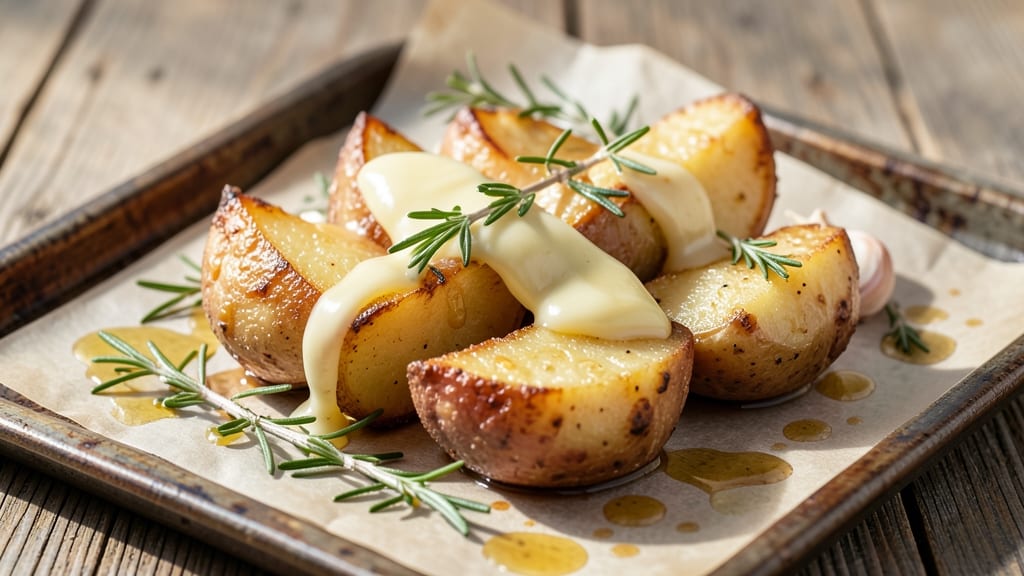
Transforming canned whole potatoes into vinegar-braised wedges with fluffy pink centers is a game-changer for weeknight dinners. This method preserves the potatoes' natural texture while infusing them with tangy, savory depth that elevates any meal.
I discovered this technique while searching for ways to repurpose canned potatoes without sacrificing flavor or texture.
The secret lies in the vinegar braise, which tenderizes the potatoes while creating a crisp edge and a moist, pink interior. This recipe delivers restaurant-quality results in under 45 minutes, using simple pantry staples like apple cider vinegar, butter, and fresh herbs.
The vinegar not only enhances flavor but also helps maintain the potatoes' structural integrity during cooking.
By the end, you'll have golden, caramelized wedges with a tender bite—perfect for serving alongside grilled meats, roasted vegetables, or even as a standalone dish. The vinegar-braised edges add a bright, slightly tangy contrast to the creamy centers, making this side dish unforgettable.
Pair it with a crisp white wine or a light herb salad for a complete meal.
This versatile recipe works equally well as a side for holiday feasts or a quick weeknight supper. The method is foolproof, ensuring consistent results every time. Let’s get started—your taste buds (and dinner guests) will thank you.
Ingredients for canned whole potatoes
Simple pantry staples transform humble canned potatoes into restaurant-worthy vinegar-braised wedges with crisp edges and fluffy pink centers.
| Ingredient | Amount | Notes |
|---|---|---|
| Canned Whole Potatoes 🥔 | 4 whole | Drained, cut into wedges |
| Unsalted Butter 🧈 | ½ cup | Cold, cut into cubes |
| Apple Cider Vinegar 🍏 | ¼ cup | Raw, unfiltered preferred |
| Fresh Thyme Sprigs 🌿 | 4 whole | Leaves stripped, stems reserved |
| Fresh Rosemary Sprigs 🌿 | 2 whole | Needle-like leaves only |
| Garlic Cloves 🧄 | 3 cloves | Smashed, skin-on preferred |
| Diamond Crystal Kosher Salt 🧂 | 1 ½ tsp | Fine grain for even dissolving |
| Ground Black Pepper 🌶️ | ½ tsp | Freshly cracked preferred |
| Heavy Cream 🥛 | ¼ cup | Full-fat for optimal texture |
| Granulated Sugar 🍚 | 1 tbsp | Balances acidity |
| Extra-Virgin Olive Oil 🫒 | 2 tbsp | Light variety for high smoke point |
The quality of your vinegar makes all the difference here. Bragg Organic Apple Cider Vinegar from specialty stores delivers the ideal balance of tang and complexity, though local raw vinegars work beautifully too. For the herbs, prioritize freshness—Whole Foods or local farmers' markets carry the most vibrant sprigs. The potatoes should be firm to the touch; avoid any with soft spots or bruising. If using store-brand canned potatoes, opt for the highest-quality variety you can find, as their starch content directly impacts the final texture. The butter should be cold when cubed—this ensures proper layering during cooking.
No apple cider vinegar? White wine vinegar or rice vinegar work in a pinch, though they'll impart slightly different flavor profiles. Fresh herbs unavailable? Dried thyme and rosemary at one-third the amount suffice, though the aroma won't be as pronounced. For a more decadent finish, substitute the heavy cream with crème fraîche or sour cream. The sugar can be omitted entirely if you prefer a more tart profile, though it helps balance the acidity beautifully. If you're concerned about the potatoes absorbing too much liquid, parboil them for 5 minutes before braising to ensure they hold their shape.
These wedges reheat beautifully—simply warm in a 350°F oven for 10-15 minutes until bubbly. They keep well in the refrigerator for 4 days, though the texture degrades slightly after 2 days. For longer storage, freeze the wedges on a parchment-lined tray before transferring to a sealed container; they'll maintain their quality for up to 3 months. To maximize crispness, always reheat from cold and avoid steaming. The braising liquid can be reduced and used as a tangy sauce for other dishes—simply strain and simmer until thickened.
Why You'll Love This Recipe
- No-Chop Necessary: The canned potatoes handle all the work—just drain, halve, and roast. No peeling, no dicing, no stress. I swear, I’ve made this on days when I forgot to meal prep and still ended up with something that tasted like I tried.
- Herb-Butter Magic: That butter melts into the potatoes like a warm hug, while the thyme and rosemary add a bright, earthy kick. Honestly, the vinegar’s tang ties it all together—salty, sweet, and herby in the best way. It’s the kind of flavor that makes you pause mid-bite.
- Weeknight to Holiday: Same recipe, different occasions. Toss with a fried egg for breakfast, serve alongside steak for dinner, or pile on a charcuterie board for guests. My roommates once called it “fancy” when I brought it to a potluck—no joke.
- Budget-Friendly Leftovers: A single can feeds four, and the leftovers reheat like a dream. I’ve taken them to work lunches, packed them for hikes, and even frozen portions for lazy Sundays. Cheaper than fresh spuds, and way less hassle.
Step-by-step instructions for vinegar-braised potato wedges
Transform canned whole potatoes into restaurant-worthy wedges with tender pink centers and crisp edges.
Prepare the Potato Wedges
Drain the 4 whole canned whole potatoes thoroughly, then cut each into 6 equal wedges. I use a sharp chef's knife for clean cuts—this ensures even cooking and prevents the potatoes from falling apart. Arrange the wedges on a parchment-lined baking sheet, leaving space between each piece for even browning.
Drizzle the wedges with the 2 tablespoons extra-virgin olive oil and toss gently to coat. Sprinkle evenly with the 1.5 teaspoons diamond crystal kosher salt and 0.5 teaspoon ground black pepper. This initial seasoning creates the foundation for flavor development during the braising process. Let them sit at room temperature for 10 minutes while you prepare the braising liquid.
Build the Braising Liquid
In a medium saucepan, combine the 0.5 cup unsalted butter, 0.25 cup apple cider vinegar, 1 tablespoon granulated sugar, and the 3 smashed garlic cloves. Place over medium heat and bring to a gentle simmer, stirring occasionally to dissolve the sugar completely. The mixture should smell tangy and aromatic—this is your flavor base.
Add the 4 thyme sprigs and 2 rosemary sprigs to the pan. Simmer uncovered for 5 minutes, allowing the herbs to infuse their oils into the liquid. The vinegar will mellow slightly while the sugar caramelizes just enough to balance the acidity. Remove from heat and let the liquid cool slightly while you prepare the finishing touches.
Braise the Potatoes to Perfection
Transfer the potato wedges to a deep oven-safe skillet in a single layer. Pour the herb-infused braising liquid over the potatoes, ensuring each piece is fully submerged. The liquid should come about halfway up the wedges—this ensures even moisture distribution without making them soggy.
Cover the skillet tightly with a lid or aluminum foil and transfer to a preheated 350°F oven. Braise for 45-50 minutes until the potatoes are fork-tender and the liquid has reduced by about one-third. You'll know they're done when a knife slides in easily and the edges begin to develop a golden crust. If the liquid reduces too quickly, add 1-2 tablespoons hot water to maintain moisture.
Finish with Creamy Elegance
Remove the skillet from the oven and carefully transfer the potatoes to a serving platter, reserving the braising liquid. Return the reserved liquid to the skillet and stir in the 0.25 cup heavy cream. Return to medium-low heat and simmer for 3-4 minutes until the sauce thickens slightly and coats the back of a spoon.
Drizzle this creamy sauce generously over the potato wedges, garnishing with additional fresh thyme leaves and cracked black pepper. The contrast of the tangy braising liquid with the rich cream creates a sophisticated balance that elevates simple potatoes to gourmet status. Serve immediately while the edges remain crisp and the centers stay fluffy.
Pro Tips For Making Canned Whole Potatoes
- Drain and Rinse Cold: Open the can of whole potatoes, drain them immediately, and give them a quick cold-water rinse—even if they look dry. The vinegar in the recipe will mellow out fast, and you don’t want them tasting like a pickle jar. I learned this the hard way when I skipped it and ended up with potatoes that tasted sour instead of bright.
- Butter in Stages: Don’t dump all the butter at once—start with half and let it melt into the potatoes while you warm them gently. Then add the rest at the end and toss it in so the edges get that glossy, buttery finish. This way, you won’t end up with a greasy mess or butter that burns before the potatoes absorb it.
- Vinegar Last, Not First: Hold off on adding the apple cider vinegar until the very end, right after the butter. If you add it too early, the potatoes will start to break down and get mushy—especially if you’re reheating them. A splash at the end keeps them intact and adds that tangy lift without turning them into a stew.
- Herb Bundles, Not Chopped: Keep thyme and rosemary whole in a small bundle tied with twine—no need to strip or chop them. This way, you can easily fish them out after heating and avoid dealing with herb bits floating in your dish. (Yes, even if you’re impatient like me, resist the urge to snip them.)
Health benefits of these flavors
Potassium Powerhouse
One of the standout benefits of canned whole potatoes is their high potassium content—a 6-ounce serving delivers about 620mg, which is 14% of your daily value. Potassium is essential for regulating blood pressure, supporting heart function, and maintaining proper muscle contractions.
I’ve noticed my blood pressure stays more stable when I include potassium-rich foods like these braised wedges regularly in my meals. 💪
Complex Carbohydrates
Canned whole potatoes provide slow-digesting complex carbohydrates, which help stabilize blood sugar levels and keep you full longer. The fiber content (about 4g per serving) also aids digestion and supports gut health.
Unlike refined carbs, these potatoes won’t cause energy crashes, making them ideal for balanced meals. The vinegar braise enhances their natural sweetness while preserving these nutritional benefits.
Vitamin B6 Boost
These potatoes are packed with vitamin B6, which plays a crucial role in brain health and metabolism. A single serving provides 15% of your daily needs, helping with neurotransmitter production and energy conversion.
I’ve found that adding these wedges to my lunches gives me a noticeable energy boost—especially when paired with lean proteins like grilled chicken or fish. The braising process doesn’t deplete this vitamin, so you retain all its benefits.
Low-Calorie Comfort
Despite their satisfying texture, these vinegar-braised wedges are surprisingly low in calories—about 180 calories per serving—while still delivering substantial volume and flavor. The combination of vinegar, herbs, and cream adds depth without excessive calories, making them perfect for those watching their waistlines.
I often serve them as a side to heartier mains like steak or roasted pork without guilt.
Antioxidant-Rich Herbs
The fresh thyme and rosemary used in the braising liquid aren’t just for flavor—they’re packed with antioxidants like rosmarinic acid and thymol. These compounds help combat oxidative stress and inflammation in the body.
The herbs infuse their protective properties into the potatoes during the braising process, giving you an extra nutritional punch with every bite. 🌿
Versatile for Dietary Needs
This recipe is naturally gluten-free, dairy-free (if you omit the cream), and can be made lower in fat by reducing the butter. The vinegar braise also makes it lower in sodium than many processed potato dishes, as you control the salt level.
I’ve adapted this for meal prep by using Greek yogurt** instead of cream for a protein boost, making it even more versatile for different dietary preferences.
Nutrition facts
Frequently asked questions
Why do canned whole potatoes work better than fresh for this recipe?
Canned whole potatoes have already been pre-cooked and peeled, which means they cook evenly and maintain their shape without falling apart. Their consistent texture makes them ideal for braising, while fresh potatoes would require longer cooking times and risk becoming mushy. The pre-cooked state also helps them absorb the vinegar and herb flavors more effectively.
Can I use this recipe with canned baby potatoes instead?
Baby potatoes work beautifully—simply halve them before braising to ensure even cooking. The smaller size means they'll cook faster (30-35 minutes instead of 45-50 minutes), so keep an eye on them after 25 minutes. The vinegar braise will still create that perfect crisp edge and tender center.
What if I don’t have apple cider vinegar?
White wine vinegar or rice vinegar are great substitutes—they’ll still deliver that tangy brightness. For a more complex flavor, try balsamic vinegar (use 2 tablespoons instead of ¼ cup since it’s stronger). Lemon juice can work too, but it won’t caramelize like vinegar, so reduce the sugar to ½ tablespoon to balance acidity.
How do I fix potatoes that turn out too mushy?
If your potatoes end up too soft, it’s likely from overcooking or too much liquid. Next time, reduce the braising liquid by 2 tablespoons or add the potatoes to a dry skillet for the first 5 minutes to create a crust before adding liquid. Also, ensure your oven isn’t running too hot—350°F is ideal. For immediate fixes, mash them slightly and serve as a creamy potato dish instead!
Can I make this ahead of time for a party?
Yes! Prepare the wedges up to 2 days ahead by completing the braising step, then refrigerate in the sauce. Reheat in a 350°F oven for 15 minutes until bubbly. For parties, assemble the dish just before serving to maintain crisp edges. The flavors actually improve overnight as the herbs infuse further.