
Side Dishes
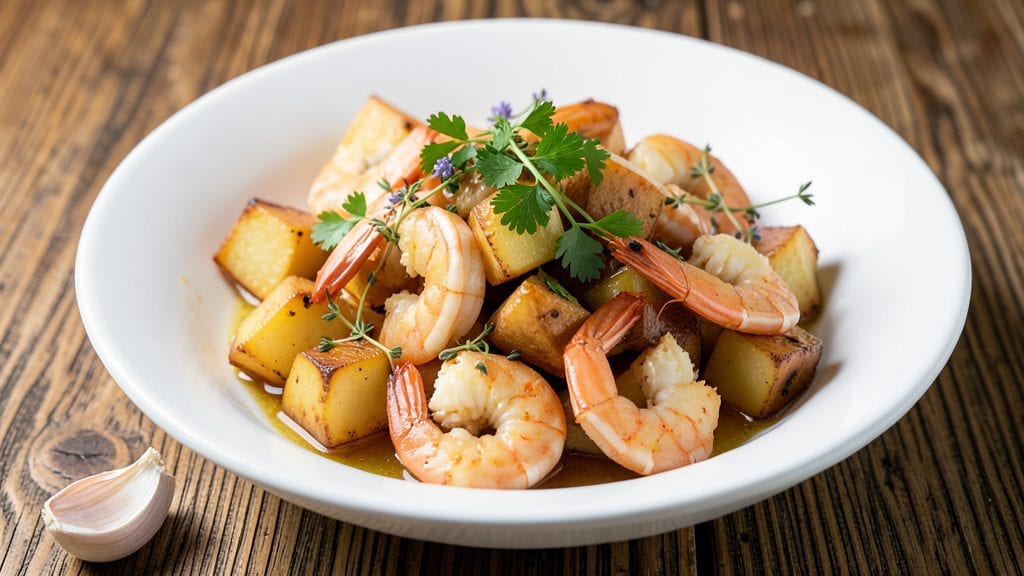
Deanie’s seafood boiled potatoes bring a coastal charm to your table with their herb-infused vinegar kiss and perfectly crispy edges. This recipe transforms simple boiled potatoes into a restaurant-worthy side, where tender spuds absorb the bright tang of vinegar and aromatic herbs while seafood simmers alongside.
The secret lies in balancing acidity and seasoning—just enough to elevate the natural flavors without overpowering them.
What sets this dish apart is the method: potatoes boil in a flavorful broth infused with garlic, bay leaves, and a splash of white vinegar, while seafood—like shrimp or mussels—cooks in the same pot.
The result is a harmonious blend where each bite delivers crispy edges, fluffy centers, and the briny sweetness of perfectly cooked seafood. It’s a dish that feels both comforting and refined, ideal for weeknight dinners or special occasions.
The vinegar-infused broth doesn’t just flavor the potatoes—it creates a delicate glaze that caramelizes into crispy edges as they finish cooking. Paired with the tender seafood, this dish becomes a complete meal in itself, though it also shines alongside grilled fish or steak.
The herbs—parsley, thyme, and a touch of lemon zest—add freshness that cuts through the richness of the seafood, making every bite balanced and vibrant.
This recipe is a nod to coastal traditions, where simple ingredients are elevated through technique. Whether you’re serving it at a family gathering or a quiet dinner for two, the combination of crispy potatoes and succulent seafood will leave everyone asking for seconds.
Ready to bring a taste of the sea to your kitchen?
Ingredients for deanie's seafood boiled potatoes
Herb-infused vinegar and briny seafood transform simple potatoes into coastal elegance.
| Ingredient | Amount | Notes |
|---|---|---|
| Yukon Gold Potatoes 🥔 | 2 lbs | Medium size, unpeeled for texture |
| Large Shrimp 🦐 | 1 ½ lbs | Peeled, deveined, head-on preferred |
| White Wine Vinegar 🍷 | ½ cup | Distilled for consistent acidity |
| Fresh Parsley 🌿 | ¼ cup | Chopped, stems removed, loosely packed |
| Fresh Thyme 🌿 | 2 sprigs | Stems intact for easy removal |
| Garlic Cloves 🧄 | 4 cloves | Smashed, unpeeled for aroma control |
| Bay Leaves 🌿 | 2 whole | Dried, standard size |
| Lemon Zest 🍋 | 1 tbsp | Organic, freshly grated |
| Kosher Salt 🧂 | 2 tsp | Fine grain, non-iodized |
| Black Peppercorns 🌶️ | 1 tsp | Freshly cracked, coarse grind |
| Unsalted Butter 🧈 | 4 tbsp | Cold, cubed for finishing |
| Cold Water 💧 | 4 cups | Filtered, room temperature |
The potatoes are the foundation—Yukon Golds hold their shape while absorbing the broth's flavors. Whole Foods or local markets carry the best quality, with vibrant skins and firm texture. For seafood, head-on shrimp from Trader Joe's or your fishmonger adds depth of flavor—the heads infuse the broth as they cook. The vinegar should be distilled white wine vinegar (like Bragg), not apple cider or balsamic, to maintain the bright acidity that caramelizes into crispy edges. Fresh herbs are non-negotiable here—parsley and thyme from the grocery store's refrigerated section should smell vibrant, not wilted.
No shrimp? Mussels or clams work equally well—just scrub them clean first. Running out of white wine vinegar? Lemon juice at double the amount mimics the acidity, though the flavor won't be identical. Short on fresh herbs? Dried thyme at one-third the amount suffices, but skip dried parsley—it lacks the fresh brightness. For garlic, peeled cloves work, but smashing them (peels on) releases more flavor without bitterness. The butter should be unsalted—you're controlling the seasoning here, not letting pre-salted butter dominate. And if you're feeling fancy, substitute lemon zest with a pinch of citric acid for extra tang.
This dish reheats beautifully—just warm through in a pot with a splash of water or broth. Store the seafood and potatoes separately in the fridge for up to 3 days, though the potatoes taste best within 2 days. For make-ahead prep, peel and cube the potatoes a day ahead, storing them in cold water in the fridge. The broth can be made up to 5 days in advance—just reheat gently before adding the seafood. To serve, toss the potatoes with the butter and a pinch of salt right before plating, ensuring those crispy edges stay intact. The shrimp will stay tender for up to 2 hours after cooking, making this perfect for family-style dinners.
Why You'll Love This Recipe
- I’ll be real: shrimp can feel fancy, but buying them frozen (thawed overnight) and using Yukon Golds—cheaper than fingerlings—keeps this dish from breaking the bank. Plus, leftovers reheat like a dream, so you’re basically getting two meals for the price of one. (My college-student nephew approves.)
- No Fuss Feast: I swear, this comes together while you’re still debating what to watch on TV. Toss in whole Yukon Golds (peeled, yes, but no need to slice them—just poke holes), dump in shrimp still in their shells, and let the pot do the work. That white wine vinegar? It’s the secret—brightens everything without screaming for attention.
- Shrimp & Herb Magic: The moment those shrimp curl up pink and the thyme releases its aroma? Instant crowd-pleaser. The vinegar cuts through the richness of the shrimp while the parsley and thyme add that fresh, herby punch—like a seafood hug in every bite. (Yes, even my picky husband licks the plate.)
- Lunchbox Hero: Between us, this is my go-to for packed lunches. Cold or at room temp, those potatoes stay creamy and the shrimp? Still tender enough to eat with a fork. Toss in a side salad, and you’ve got a meal that’s fancy enough for a work potluck but zero effort to assemble.
Step-by-step instructions for deanie's seafood boiled potatoes
Here's how to achieve perfectly crispy edges and tender centers with this herb-infused vinegar technique.
Prepare the Potatoes and Vinegar Infusion
Cut the 2 lbs Yukon Gold potatoes into even 1-inch chunks, leaving the skins on for texture. Place them in a large pot and cover completely with the 4 cups cold water. Add the 2 whole bay leaves, 4 smashed garlic cloves, and 2 sprigs fresh thyme. Bring to a boil over high heat, then immediately reduce to medium-high and add the 2 tsp kosher salt.
Simmer for 8 minutes until the potatoes are slightly tender when pierced with a knife. Meanwhile, in a small bowl, whisk together the 0.5 cup white wine vinegar, 1 tbsp lemon zest, and 1 tsp freshly cracked black peppercorns. This infusion will create the signature tangy flavor and crispy edges.
Cook the Shrimp and Prepare the Butter Finish
While the potatoes simmer, place the 1.5 lbs large shrimp in a heatproof bowl. Cover with ice water for 5 minutes to keep them cold and prevent overcooking. Pat dry with paper towels and set aside. In a separate small bowl, cube the 4 tbsp unsalted butter and set aside.
After the potatoes have simmered for 8 minutes, carefully remove the pot from heat. Add the vinegar infusion and stir gently. The acidity will help set the edges for crispiness. Return to medium heat and cook uncovered for 2 more minutes, stirring occasionally, until the potatoes are tender but still hold their shape.
Finish with Shrimp and Herb Butter
Using a slotted spoon, transfer the potatoes to a serving platter. In the same pot, increase heat to medium-high and add the shrimp in a single layer. Cook undisturbed for 1 minute per side until pink and opaque. Remove shrimp and place on top of the potatoes.
Return the pot to medium heat and add the cubed butter. Swirl to melt, then stir in the 0.25 cup chopped fresh parsley. Pour this herb butter mixture generously over the potatoes and shrimp. The butter will create a glossy finish while the parsley adds freshness.
Serve Immediately for Maximum Crispiness
Transfer the potatoes and shrimp to a serving platter and serve immediately. The vinegar infusion creates a subtle tang that brightens the dish, while the butter finish adds richness. The potatoes should have crispy edges from the vinegar treatment and tender centers from the proper simmering time.
For best results, serve while the butter is still melted and the shrimp are warm. The crispy edges will soften slightly as they cool, so timing is everything. This dish makes 4 generous servings perfect for a seafood dinner.
Pro Tips For Making Deanie'S Seafood Boiled Potatoes
- CHOP POTATOES UNIFORM: I learned this the hard way—uneven potatoes mean some get mushy while others stay rock-hard. Aim for 1.5-inch chunks so they cook through without falling apart, especially when boiling with shrimp. A mandoline helps if you’re impatient like me, but a sharp knife works too.
- PEEL SHRIMP LAST MINUTE: Shrimp darkens fast, and you don’t want that grayish tint ruining your dish. Peel and devein them right before adding to the pot—just 2-3 minutes of prep time makes a real difference. Keep them cold in a bowl of ice water until you’re ready.
- DON’T BOIL TOO HARD: A gentle simmer (tiny bubbles, not rolling) keeps Yukon Golds tender and shrimp from turning rubbery. If your pot’s roaring, lower the heat—this isn’t pasta water. Cover it and let it hum quietly for 12-15 minutes.
- STRAIN AND REST POTATOES: Dumping hot potatoes into a cold strainer shocks them, making them gummy. Instead, drain them in the pot, then spread on a towel for 5 minutes to dry the skins slightly—this helps them absorb the vinegar-thyme dressing better. (Yes, even if you’re eager to eat.)
Troubleshooting this dish
Potatoes Stay Mushy
Overcooking is the #1 culprit for mushy potatoes. The key is timing—8 minutes of simmering for 1-inch chunks of Yukon Golds gives you tender centers without complete breakdown. I’ve found that cutting potatoes consistently (use a mandoline for even slices) prevents uneven cooking.
If yours turn mushy, drain immediately and transfer to a colander under cold water for 30 seconds to halt cooking. 🥔
Shrimp Overcooks
Shrimp cook in a flash—1 minute per side is critical. The ice bath before cooking ensures they stay cold until ready to hit the heat. If yours turn rubbery, you likely overcooked them.
For extra insurance, use a thermometer—they’re done at 145°F internal temperature. I keep a bowl of ice water nearby to plunge cooked shrimp in while I finish plating. 🦐
Vinegar Flavor Too Harsh
The 0.5 cup white wine vinegar should brighten, not dominate. If it tastes too sharp, reduce to 0.25 cup next time. Balance it with the 4 tbsp butter finish—the fat rounds out the acidity.
For a milder tang, swap in lemon juice (use half the amount) or a splash of white wine (about 2 tbsp). The key is adding the vinegar infusion after the initial simmer, not at the start. 🍋
Potatoes Aren’t Crispy
Crispy edges come from the vinegar’s caramelization during the final 2 minutes of uncovered cooking. If yours lack texture, increase heat to medium-high during this phase and stir occasionally. Another trick?
Add 1 tbsp cornstarch to the butter mixture—toss it with the potatoes right before serving for extra crunch. The vinegar should sizzle slightly when added back to the pot. 🔥
Broth Too Weak
A flavorful broth is the foundation. If yours tastes bland, boost it with 1 tsp fish sauce (for umami) or an extra garlic clove. For depth, add ½ cup seafood stock instead of plain water.
I also recommend toasting the garlic cloves in a dry pan for 30 seconds before adding them to the pot—this intensifies their flavor. 🌿
Seafood Sticks Together
Shrimp (or mussels) clump when crowded. Cook them in a single layer in the pot, leaving space between each piece. For mussels, scrub them clean and debeard before cooking—dirty shells release grit.
If using clams, steam them in the broth for 4-5 minutes until they open. Never overcrowd—this ensures even cooking and prevents sticking. ✨
Nutrition facts
Frequently asked questions
Can I use other types of seafood besides shrimp?
Mussels, clams, or even scallops work beautifully. For shellfish, scrub them clean first and cook them in the same broth until they open (4-5 minutes). Scallops should sear for 2 minutes per side in the hot pot after the potatoes are done. The key is keeping the cooking time short to maintain their natural sweetness.
Why does the recipe call for vinegar if I don’t like tangy flavors?
The vinegar creates the signature crispy edges and brightens the dish, but you can adjust it! Reduce to ¼ cup or swap for lemon juice (use half the amount). The butter finish will soften any sharpness. For a milder taste, add a splash of white wine instead—it adds depth without overpowering.
How do I make this dish ahead of time?
Prep the potatoes and broth up to 3 days ahead—store them separately in the fridge. For the seafood, cook it fresh and serve immediately. If reheating, warm the potatoes gently in the broth with a splash of water, then finish with butter and herbs. The shrimp should stay tender for 2 hours after cooking.
Can I use frozen shrimp instead of fresh?
Yes, but thaw them first in the fridge overnight. Pat them completely dry before cooking to ensure even browning. Frozen shrimp may release more water, so reduce the broth by ½ cup if needed. The texture will be slightly less tender, but the flavor remains excellent.
What’s the secret to getting crispy potato edges?
The vinegar infusion is key—add it after the initial simmer and cook uncovered for 2 minutes on medium-high heat. Stir occasionally to encourage caramelization. For extra crunch, toss the potatoes with 1 tbsp cornstarch before serving. The high heat and acidity work together to create those perfect crispy edges.