
Side Dishes
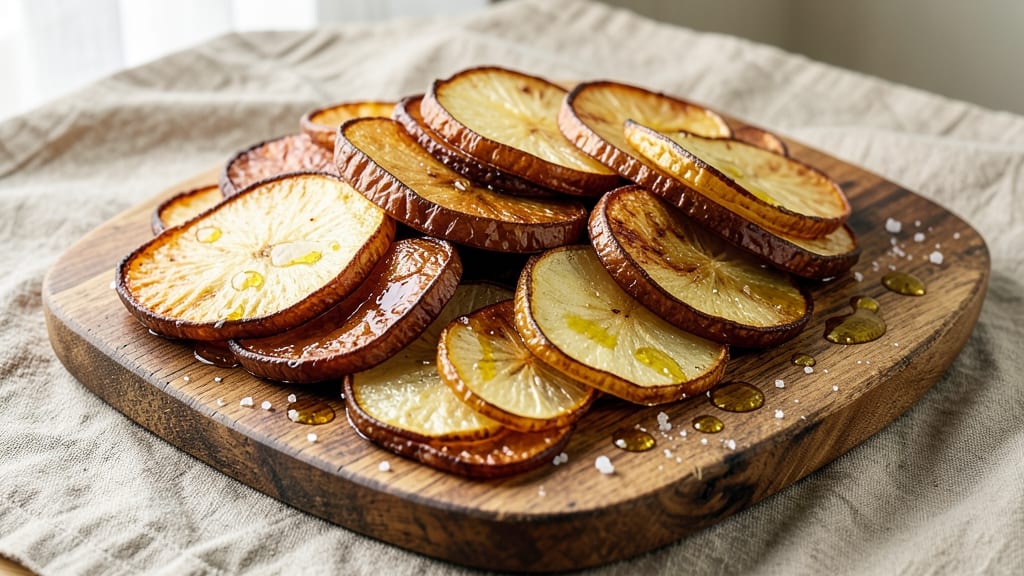
Transforming humble potatoes into ultra-light, crunchy snacks or instant mash starts with this dehydrated potatoes recipe—a game-changer for meal prep and preservation. The secret lies in precise slicing, gentle blanching, and controlled drying to lock in flavor while removing moisture.
I developed this method after realizing store-bought dehydrated potatoes lacked the texture and versatility I needed for everything from crispy snacks to quick mashed potatoes.
This process works with standard russet or Yukon Gold potatoes, sliced uniformly for even dehydration. Whether you use an oven, dehydrator, or even the sun, the goal is consistent moisture removal that preserves texture and flavor.
The result? Lightweight, shelf-stable potatoes that rehydrate perfectly in soups, salads, or as a crunchy snack—no soggy textures here.
What makes this recipe stand out is its adaptability. Dehydrated potatoes can be stored for months, making them ideal for emergency food supplies or bulk meal prep. When ready to use, simply rehydrate in hot water for mash or use directly in dishes where you'd normally add fresh potatoes.
The flavor remains rich, and the texture transforms based on your needs—crispy when dry, creamy when rehydrated.
Perfect for food storage enthusiasts, busy cooks, or anyone who wants to reduce food waste. The technique is simple but yields professional results every time. Let’s get started with the full step-by-step process.
Ingredients for dehydrated potatoes
Two pounds of potatoes and a few simple steps transform into ultra-light, shelf-stable crunch.
| Ingredient | Amount | Notes |
|---|---|---|
| Russet Potatoes 🥔 | 2 lb | Uniformly sliced into 1/8-inch pieces |
| Yukon Gold Potatoes 🥔 | 2 lb | Uniformly sliced into 1/8-inch pieces |
| Water 💧 | 2 cups | For blanching potatoes |
| Salt 🧂 | 1 tsp | Diamond Crystal kosher salt |
| Olive Oil 🫒 | 1 tbsp | Extra-virgin for light coating |
| Lemon Juice 🍋 | 1 tbsp | Freshly squeezed for brightness |
| Garlic Powder 🧄 | 1 tsp | For subtle flavor enhancement |
| Onion Powder 🧅 | 1 tsp | Optional for depth of flavor |
| Paprika 🌶️ | ½ tsp | Smoked variety for color |
| Dried Parsley 🌿 | 1 tsp | For finishing touch |
Russets and Yukon Golds are your best bets here—Russets for that classic crispy texture, Yukons for creamier rehydration. Trader Joe's and Whole Foods1/8-inch thickness—thicker slices stay chewy, thinner ones burn easily. Grab a dehydrator if you're serious about this, but a low oven works too.
No lemon juice? White vinegar at half the amount keeps the potatoes from browning. Short on garlic powder? Fresh minced garlic tossed with the slices before drying adds amazing flavor. Want extra color? Turmeric powder at 1/4 tsp gives them a golden hue. The olive oil is non-negotiable—it prevents sticking during dehydration. If you're using a dehydrator, line the trays with parchment paper for easy cleanup. For oven drying, prop the door open 2 inches with a wooden spoon to allow moisture escape. The paprika isn't just for color—it adds subtle smokiness that pairs perfectly with the potatoes' natural sweetness.
Store in airtight containers with oxygen absorbers for maximum freshness—keeps for 6-12 months at room temperature. For snacks, just crush the dehydrated slices between your fingers. Need mash? Soak 1/2 cup dehydrated potatoes in hot water for 10 minutes, then blend with butter and milk. The flavor actually improves after 2 weeks of storage as the starches mellow. I keep a stash in my pantry for quick soups, salads, or emergency snacks—it's like having fresh potatoes without the bulk.
Why You'll Love This Recipe
- Zero-Waste Prep: I’ll be real—peeling and slicing potatoes can feel like a chore, but dehydrating them turns that mess into a pantry staple. Just toss in the raw slices (peels on or off, your call), a sprinkle of salt, and let the dehydrator work its magic. No boiling, no frying—just pure, crispy convenience.
- Umami Bomb: That first bite? Crispy edges hugging a tender interior, with a subtle saltiness that lingers. The olive oil I brush on before dehydrating adds a silky richness, and honestly? It’s way better than any store-bought chip—no artificial junk, just pure potato goodness.
- Meal Prep MVP: These dehydrated slices are my secret weapon for lazy nights. Rehydrate them in soups, toss them into salads, or mash them into a quick hash—no one will guess they started as dried potatoes. (Yes, even on a Tuesday night when you’re too tired to cook.)
- Budget Stretch: A single bag of Russets or Yukon Golds lasts forever, and the cost per serving is laughable. No more overbuying fresh potatoes that’ll go bad—just pull out a handful, soak them, and boom, instant texture for any dish. My wallet (and my fridge) thank me every time.
Step-by-step instructions for dehydrated potatoes
Here's how to transform fresh potatoes into ultra-light, crispy snacks with perfect texture every time.
Prepare the Potatoes for Even Dehydration
Start by peeling the 2 lb russet potatoes and 2 lb yukon gold potatoes, then slice them uniformly into 1/8-inch thick pieces using a mandoline or sharp knife. Uniform thickness is crucial—this ensures even dehydration and consistent texture throughout your final product. I like to soak the slices in the 2 cups water for 10 minutes to remove excess starch, which prevents gummy results later.
After soaking, drain thoroughly and pat completely dry with paper towels. This step can't be skipped—the moisture needs to be fully removed before dehydration begins. Arrange the slices in a single layer on a clean kitchen towel and let them air-dry for another 10 minutes. You'll notice they'll become slightly tacky as surface moisture evaporates, but they shouldn't feel wet to the touch.
Blanch and Season for Maximum Flavor
Bring a large pot of water to a rolling boil and add the 1 tsp salt. Blanch the potato slices for exactly 2 minutes—just enough to soften them slightly but not fully cook them. This partial cooking step is essential as it prevents uneven dehydration and helps develop that perfect crispy texture. Drain immediately in a colander and transfer to an ice bath for 1 minute to stop the cooking process completely.
Once cooled, drain again and transfer the potato slices to a large bowl. Drizzle with the 1 tbsp olive oil and 1 tbsp lemon juice, then sprinkle evenly with the 1 tsp garlic powder, 1 tsp onion powder, and 0.5 tsp paprika. Toss gently but thoroughly to coat every slice evenly. The acidity from the lemon juice helps preserve color during dehydration, while the spices will infuse beautifully into the final crispy product.
Arrange for Optimal Airflow During Dehydration
Preheat your dehydrator to 135°F—this low temperature is key for gentle moisture removal that preserves texture. Line the dehydrator trays with parchment paper and arrange the potato slices in a single layer, ensuring they don't overlap. The slices should touch lightly at edges but maintain good airflow around each piece. Overcrowding leads to uneven drying and potential spoilage.
I like to place the slices cut-side up on the trays. This orientation creates more surface area for moisture evaporation and results in slightly thicker final pieces. Leave about 1/4 inch of space between trays to allow for proper air circulation. The goal is to create conditions where moisture can escape evenly from all surfaces of each potato slice.
Dehydrate Until Perfectly Crisp
Place the trays in the dehydrator and process for 12-16 hours, checking periodically after the first 8 hours. The potatoes are ready when they're completely dry to the touch, with no moisture remaining when you gently press them between your fingers. You'll notice they'll develop a beautiful golden color as they dehydrate, especially in the areas where the paprika has settled.
For extra crispiness, I recommend removing the trays after the initial 12 hours and increasing the temperature to 145°F for the final 2 hours. This final boost creates that satisfying crunch while ensuring complete moisture removal. The dehydrated potatoes should be light enough to float in water when fully done—this is your ultimate test for proper dehydration.
Finish and Store for Maximum Freshness
Once completely dehydrated, let the potato slices cool completely on the trays. This prevents condensation from forming when you transfer them to storage containers. Once cool, sprinkle lightly with the 1 tsp dried parsley and toss gently to distribute evenly. The parsley adds a fresh finish that complements the earthy potato flavor beautifully.
Store the dehydrated potatoes in airtight containers or resealable bags. For best results, keep them in a cool, dark place where they'll maintain their crispiness for up to 2 weeks. If you notice any pieces becoming soft, simply return them to the dehydrator for 1-2 hours to restore their crisp texture. These make fantastic snacks on their own or can be rehydrated quickly for instant mashed potatoes with just hot water and butter.
Pro Tips For Making Dehydrated Potatoes
- Slice Thin, Slice Even: The dehydrator’s magic happens when slices are uniform—no thicker than ⅛-inch, or you’ll end up with chewy centers and crispy edges fighting for dominance. I learned this the hard way after biting into a half-raw middle in my first batch. Use a mandoline if you’re impatient like me, but if you’re slicing freehand, go slow—consistency beats speed here.
- Parboil First, Don’t Skip: Russets and Yukons both need a quick boil (8-10 minutes) before dehydrating to break down starches and prevent shrinking. Skip this, and your slices will curl into little boats. Drain well, then pat dry—wet slices steam instead of crisping, and nobody wants soggy potato jerky.
- Salt After Dehydrating: Seasoning before dehydrating turns your slices into salty, brittle chips. Toss them with olive oil and salt after they’re crispy—about 10 minutes out of the dehydrator. The oil will cling better, and the salt will melt into the edges where it matters. (Yes, even if you’re eager to eat them fresh.)
- Use Two Trays, Rotate Midway: Dehydrators lose heat at the edges, so stack slices on two trays and swap them halfway through. Yukons finish faster than Russets—watch for golden edges, not just time. If you’re in a hurry, bump the temp to 135°F for the last hour, but don’t go higher or they’ll burn before drying.
Creative variations of dehydrated potatoes
Crunchy Snack Mix
Combine 1 cup dehydrated potatoes with ½ cup pretzel sticks and ¼ cup pumpkin seeds for a savory snack mix. Toss with 1 tbsp olive oil and ½ tsp smoked paprika, then bake at 300°F for 8-10 minutes until lightly toasted.
The dehydrated potatoes add a satisfying crunch that holds up perfectly in mixes. 🌶️
Instant Mash Base
For quick mashed potatoes, soak ½ cup dehydrated potatoes in 1 cup hot water for 10 minutes until fully rehydrated. Drain and blend with 2 tbsp butter, ¼ cup warm milk, and ½ tsp salt until smooth.
This method cuts prep time in half while delivering creamy texture. Perfect for busy weeknights!
Potato Chips Upgrade
Turn dehydrated potatoes into gourmet chips by tossing with 1 tsp olive oil and ½ tsp garlic powder, then baking at 350°F for 12-15 minutes until crisp. The pre-dehydrated slices crisp up beautifully without oil splatter. Try adding sea salt flakes or nutritional yeast for extra flavor.
Soup Thickener
Crush ¼ cup dehydrated potatoes into fine pieces and stir directly into soups or stews during the last 5 minutes of cooking. They absorb liquid beautifully, adding natural thickening power and potato flavor without altering the dish's texture. I love using this in creamy broccoli cheddar or tomato bisque.
Breakfast Hash
Sauté ½ cup dehydrated potatoes with ½ cup diced bell peppers and ¼ cup crumbled bacon in a skillet over medium heat for 8-10 minutes. The potatoes rehydrate just enough to soften while maintaining their structure. Top with a fried egg for a protein-packed breakfast.
Global Flavor Twists
For Indian-style, toss dehydrated potatoes with ½ tsp cumin and ¼ tsp turmeric before rehydrating in coconut milk for a quick curry base. For Mexican, mix with ½ tsp chili powder and ¼ cup black beans for a protein-rich salad topping. The possibilities are endless! 🌎
Nutrition facts
Frequently asked questions
What's the best potato variety for dehydrating?
For crispy texture, use russet potatoes. For creamier rehydration, Yukon Golds work best. Avoid waxy varieties like red potatoes—they turn mushy when dehydrated. Always choose firm, blemish-free potatoes with minimal green spots to prevent bitterness.
Can I dehydrate potatoes without a dehydrator?
Preheat your oven to 175°F and prop the door open 2 inches with a wooden spoon. Arrange slices on parchment-lined trays with 1/4-inch spacing. Dehydrate for 8-12 hours, checking periodically. For even drying, rotate trays halfway through. The oven method works but requires more monitoring than a dehydrator.
How do I revive dehydrated potatoes for mashed potatoes?
Soak ½ cup dehydrated potatoes in 1 cup hot water for 10 minutes, then drain. Blend with 2 tbsp butter, ¼ cup warm milk, and ½ tsp salt until smooth. The result is instant, ultra-light mash with no lumps. For extra creaminess, add 1 tbsp sour cream at the end.
Why did my dehydrated potatoes turn out gummy?
This usually happens from uneven drying or skipping the blanching step. Always soak slices in water for 10 minutes first to remove starch, then pat completely dry. Blanch for exactly 2 minutes before dehydrating, and arrange slices in a single layer with proper airflow. If they still feel gummy, return them to the dehydrator for 1-2 extra hours at 145°F.
How long do dehydrated potatoes last?
When stored in airtight containers with oxygen absorbers, they'll keep for 6-12 months at room temperature. For maximum freshness, store in a cool, dark place. Test for freshness by checking for crispness—if they lose their crunch, simply return them to the dehydrator for 1-2 hours to restore texture. The flavor actually improves after 2 weeks of storage!