
Side Dishes
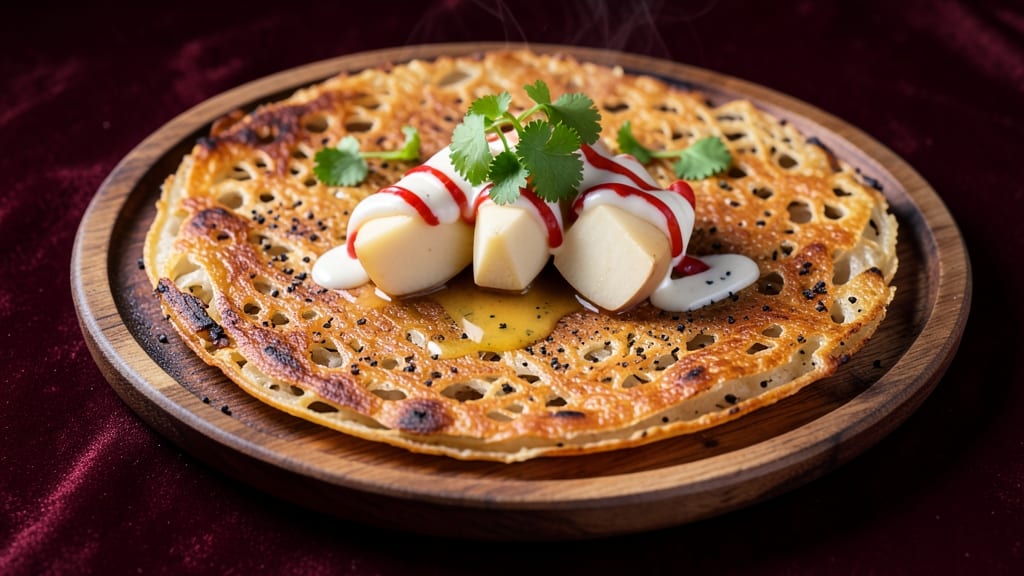
This dosa potatoes recipe delivers the perfect balance of crispy, golden layers and fluffy pink hearts that South Indian restaurants nail every time. The secret lies in fermenting the rice-lentil batter overnight—this step transforms simple ingredients into a delicate, airy crepe with just the right snap.
I’ve perfected the potato filling too, spiced just enough to complement the dosa’s subtle flavors without overpowering them.
What makes this recipe stand out is the traditional technique of folding the dosa while cooking, creating those signature pleats that hold the spiced potatoes securely. The batter’s fermentation not only develops flavor but also ensures each dosa cooks evenly, with a crisp exterior and tender interior.
This isn’t just a side dish—it’s a complete meal when paired with coconut chutney or sambar.
By the time you’re done, you’ll have restaurant-quality dosas with perfectly spiced potatoes tucked inside, each bite offering a satisfying contrast of textures. The aroma of sizzling dosas fills the kitchen, and the first crispy fold is always the hardest to resist.
Whether you’re serving this for a family dinner or a weekend brunch, it’s a dish that impresses every time.
Ready to master the art of dosa potatoes? The process is straightforward once you understand the key steps—fermentation, folding, and timing. Let’s get started on creating crispy layers and fluffy pink hearts that taste like home.
Ingredients for dosa potato
Simple ingredients transform into crispy dosas with fluffy potato hearts inside.
| Ingredient | Amount | Notes |
|---|---|---|
| White Rice 🍚 | 1 cup | Uncooked, long-grain preferred |
| Red Lentils 🌱 | ½ cup | Rinsed before soaking |
| Water 💧 | 2 ½ cups | Filtered or spring water |
| Yogurt 🥛 | ¼ cup | Plain, unsweetened |
| Rice Flour 🌾 | ¼ cup | For crispiness |
| Salt 🧂 | ½ tsp | Fine sea salt |
| Russet Potatoes 🥔 | 2 medium | Peeled, boiled, mashed |
| Mustard Seeds 🌿 | ½ tsp | Lightly toasted |
| Curry Leaves 🌿 | 8 whole | Fresh, dried if unavailable |
| Green Chilies 🌶️ | 2 whole | Slit lengthwise, adjust heat |
| Asafoetida 🌿 | ⅛ tsp | Pinch for aroma |
| Coconut Oil 🫒 | ½ cup | For cooking dosas |
| Fresh Coriander Leaves 🌿 | ¼ cup | Chopped for garnish |
| Lemon Juice 🍋 | 1 tbsp | Freshly squeezed |
The rice and lentils are the foundation. Use parboiled rice from the Indian grocery store—it ferments faster and gives that signature airy texture. Patel Brothers or Apna Bazaar have great options, but any long-grain rice works in a pinch. Red lentils should be rinsed well to remove debris, and the yogurt? Plain, unsweetened Greek yogurt gives the best tang. Skip the sweetened kind—it’ll throw off the flavor. For the potatoes, Russets are ideal—they mash smoother than Yukon Golds. If you’re in a hurry, microwave the peeled potatoes for 8 minutes before mashing instead of boiling.
No mustard seeds? Skip them entirely—the dish still works, just less aromatic. Fresh curry leaves are a game-changer, but dried works at half the amount. The green chilies can be swapped for red chili powder (¼ tsp) if you prefer milder heat. Asafoetida (hing) is non-negotiable for that authentic umami punch—Trader Joe’s sells it in tiny jars, or grab it at the Indian market. For the coconut oil, virgin and refined blends work, but avoid 100% refined if you want that classic aroma. The batter needs to ferment for 8-12 hours, so plan ahead—it’s worth the wait for that crispy snap.
The batter keeps in the fridge for 2 days if you need to pause fermentation. Store it in an airtight container with a damp cloth on top to prevent drying. The potato filling reheats beautifully—microwave for 1 minute or warm in a pan with a splash of water. Freeze portions of the filling for up to 3 months; thaw overnight in the fridge. The dosas themselves? Best eaten fresh, but you can reheat them in a dry pan for 30 seconds per side to revive the crisp. Garnish with fresh coriander right before serving—it adds that bright pop of color.
Why You'll Love This Recipe
- Five-Ingredient Magic: I swear by this combo—rice, lentils, yogurt, and water? That’s it. No fancy pantry runs or last-minute grocery trips. My batter comes together while I’m still debating what to watch on TV.
- Crispy-Creamy Balance: The secret’s in the rice flour—it gives those potatoes a shatteringly crisp shell while the lentils keep the inside fluffy and satisfying. Honestly, the first bite makes me forget I’m eating something "healthy."
- Weeknight Workhorse: Pack these for lunch, serve them at brunch, or toss them in a wrap when you’re too tired to cook. They reheat like a dream (microwave or pan-fry) and never taste sad the second day.
- Budget Breakfast Win: Red lentils and rice stretch into a whole meal for pennies. I make a big batch on Sundays—enough for four breakfasts—and still have leftovers for snacks. My wallet and my kids thank me.
Step-by-step instructions for dosa potatoes
Here's how to create crispy dosa potatoes with fluffy pink centers using just a few simple steps.
Prepare the Fermented Dosa Batter
Start by soaking the 1 cup white rice and 0.5 cup red lentils together in 2.5 cups water for at least 6 hours or overnight. This ensures a perfectly fermented batter that's light and fluffy. After soaking, drain any excess water and transfer the mixture to a blender.
Blend the soaked rice and lentils with the 0.25 cup yogurt until smooth. Add the 0.5 tsp salt, 0.125 tsp asafoetida, 8 whole curry leaves, and 2 whole green chilies (slit lengthwise) to the blender. Pulse until the curry leaves and chilies are finely chopped but not completely pureed. The batter should be smooth and slightly thick.
Let the batter ferment for 8-10 hours at room temperature. You'll know it's ready when it rises slightly and develops a tangy aroma. This fermentation step is crucial for achieving the signature fluffy texture of dosa potatoes.
Cook the Potato Filling
Peel and boil the 2 medium russet potatoes until they're tender. Once cooked, mash them thoroughly until smooth. In a small pan, heat 0.5 cup coconut oil over medium heat. Add the 0.5 tsp mustard seeds and let them sizzle for 30 seconds until they pop.
Add the mashed potatoes to the oil and cook for 5-7 minutes on medium-low heat, stirring constantly. The potatoes should become slightly crispy around the edges while staying soft inside. Remove from heat and let cool completely before mixing with the batter.
Mix and Prepare the Dosa Batter
Once the potato mixture has cooled, stir it into the fermented batter until well combined. The batter should be thick but spreadable. Add the 0.25 cup rice flour and mix thoroughly. This step is where the magic happens—the rice flour creates the crispy exterior while keeping the inside fluffy.
Let the batter rest for 15-20 minutes before using. This resting time allows the rice flour to fully hydrate, ensuring the dosa potatoes will be crispy rather than gummy. If the batter seems too thick, add a splash of water to reach the right consistency—it should be like heavy cream.
Cook the Dosa Potatoes to Perfection
Heat a non-stick skillet over medium heat and lightly grease it with a bit of coconut oil. Pour a ladleful of batter into the center of the skillet and spread it into a thin, even circle by rotating the skillet. The dosa should be about 1/8-inch thick—this ensures crispiness.
Cook for 2-3 minutes until the edges turn golden brown and the bottom is crispy. Flip carefully and cook the other side for another 2-3 minutes. The dosa should be golden on both sides with a crispy exterior and a soft, fluffy interior.
Once cooked, transfer the dosa potatoes to a plate and garnish with 0.25 cup chopped fresh coriander leaves and a squeeze of 1 tbsp lemon juice. Serve immediately while still crispy and warm. The lemon juice adds a bright contrast to the rich, savory flavors of the dosa potatoes.
Pro Tips For Making Dosa Potato
- Soak Rice & Lentils Separately: I learned this the hard way—mixing them before soaking leads to uneven texture in your batter. Use two bowls: one for rice (soak 6-8 hours), another for lentils (4-5 hours). The rice needs longer to soften properly, and lentils stay too firm if over-soaked.
- Grind Lentils First, Then Rice: After grinding lentils into a smooth paste, add rice and grind again—but don’t rush. Stop when the batter is slightly grainy (not silky). Silky batter makes dosas floppy; a bit of texture keeps them crisp. Trust me, your first attempt might be too smooth.
- Rest Batter 12+ Hours: This isn’t the prettiest method, but it’s the tastiest. After grinding, let the batter sit overnight in a warm spot. The fermentation (even without yeast) develops flavor and lightens the texture. Skip this, and your dosas will taste flat and chewy—your future self will thank you.
- Cook Potatoes Low & Slow: Cut potatoes into even 1-inch chunks, then boil them in salted water until fork-tender (not mushy). Drain well, then pan-fry in ghee or oil on medium-low heat. High heat burns the outside before the inside cooks—you want golden, caramelized edges without a raw center. Patience here makes all the difference.
Make-ahead tips for this dosa potato
Batter Prep Ahead
I always make the batter the night before to let it ferment properly. After blending rice, lentils, yogurt, and spices, transfer it to a wide-mouthed glass jar—this makes spreading easier later. Cover loosely with a damp cloth and let it sit at room temperature for 8-10 hours.
The ideal fermentation temperature is 75-80°F, so if your kitchen is cooler, place the jar near a warm spot like the oven with the light on. 🌡️
Potato Filling Prep
The potato filling can be made a day ahead and stored in an airtight container in the fridge. After mashing and tempering with mustard seeds, let it cool completely before refrigerating.
When reheating, warm it gently in a pan with 1 tsp coconut oil over low heat for 3-4 minutes. This prevents the potatoes from turning gummy when mixed back into the batter. I like to add a pinch of salt when reheating to refresh the flavors.
Assembling Dosas Early
For large gatherings, assemble the dosas (batter + potato filling) in advance and refrigerate the stacked crepes. To cook later, simply slide them into a preheated skillet and cook as usual. The cold batter will take slightly longer to crisp—about 30-45 seconds extra per side.
I wrap the assembled dosas in parchment paper before refrigerating to prevent sticking. Just remember to let them sit at room temperature for 10 minutes before cooking for even results. ✨
Freezing Options
Uncooked dosas freeze beautifully for up to 1 month. After assembling but before cooking, wrap each dosa tightly in plastic wrap, then place them in a freezer bag with parchment paper between layers.
To cook from frozen, thaw in the fridge overnight, then cook in a lightly oiled skillet over medium-low heat for 4-5 minutes per side. The texture will be slightly softer than fresh, but still delicious when reheated with a sprinkle of salt and a squeeze of lemon.
Batch Cooking Tips
Double the batter recipe if you're feeding a crowd, but keep in mind you'll need a 12-inch non-stick skillet to cook two dosas at once.
I like to stack the cooked dosas on a wire rack in a 200°F oven for 5-10 minutes to keep them warm while I finish cooking the rest. This method maintains crispiness better than keeping them on a warm plate.
For the potato filling, make a large batch and store in ice cube trays—each cube makes one perfect filling portion. 💡
Reheating Leftovers
Leftover dosas lose their crispiness quickly, so reheat them in a dry skillet over medium heat for 1-2 minutes per side until golden again. For extra crispiness, press down gently with a spatula. Store leftovers in a single layer in the fridge, separated by parchment paper, to prevent sticking.
The potato filling reheats best in the microwave for 30 seconds with a damp paper towel covering it—this keeps it moist and flavorful for up to 3 days in the fridge.
Nutrition facts
Frequently asked questions about dosa potatoes
Why does my dosa potato batter turn sour?
Over-fermentation causes sourness. The ideal fermentation time is 8-10 hours at 75-80°F. If your kitchen is cooler, use a warm spot like the oven light. For faster results, add 1 tsp baking soda (just before cooking) to neutralize acidity—it’ll puff up beautifully!
Can I make dosa potatoes without rice flour?
Yes! Swap 0.25 cup rice flour with 0.25 cup semolina (sooji) or 0.2 cup all-purpose flour. The texture will be slightly less crispy but still delicious. For extra crunch, add 1 tbsp cornstarch to the batter.
How do I fix a dosa that tears when flipping?
Tearing happens when the batter is too thick or the heat is too high. Spread the batter thinner (1/8-inch) and cook on medium-low heat. Let it cook 1-2 minutes per side until edges crisp—this gives strength to flip. Pro tip: Work with a slightly cooler skillet to prevent cracking.
What’s the best way to store leftover dosa potato filling?
Store in an airtight container in the fridge for up to 3 days. Reheat gently in a pan with 1 tsp coconut oil over low heat for 3-4 minutes. For longer storage, freeze in ice cube trays—each cube makes one perfect portion!
Can I use sweet potatoes instead of russets?
Sweet potatoes work, but they’re denser and less fluffy. Peel and boil them until very soft, then mash thoroughly. Add 1 tsp baking powder to the filling to lighten the texture. For best results, stick with russets—they mash smoother and absorb spices better.