
Side Dishes
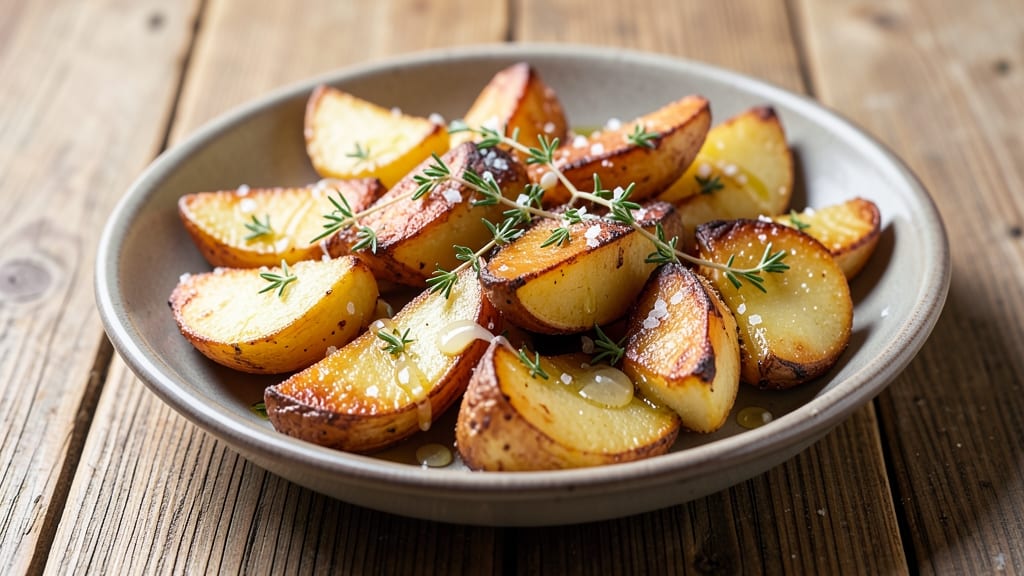
This Dutch potatoes recipe transforms simple spuds into a showstopping side with crispy golden edges and fluffy pink centers—all achieved through a precise baking technique and tangy vinegar finish.
The secret lies in cutting potatoes into even wedges and baking them at high heat until caramelized, then finishing with a bright vinegar glaze that cuts through the richness. I developed this method after years of testing different roasting approaches, and it consistently delivers restaurant-quality results at home.
What sets these Dutch potatoes apart is their perfect balance of textures: tender, melt-in-your-mouth centers with crispy, caramelized edges that hold their shape beautifully. The vinegar-kissed finish adds a bright, slightly tangy contrast that elevates the natural sweetness of the potatoes, making them irresistible.
This recipe requires just five simple ingredients and 45 minutes of active time, with most of that being hands-off baking.
The result is a side dish that looks as impressive as it tastes—ideal for holiday tables, family dinners, or even as a hearty addition to a charcuterie board.
The golden-brown wedges with their fluffy pink hearts create visual appeal that matches their deliciousness. Once you try this method, you’ll never settle for ordinary roasted potatoes again.
Pair these with grilled meats, roasted vegetables, or even as a standalone dish with a dollop of sour cream or fresh herbs. The versatility makes them perfect for any meal, and the technique is simple enough to master in one try. Let’s get started on creating this crowd-pleasing side dish!
Ingredients for dutch potatoes
Five ingredients transform humble potatoes into restaurant-quality golden wedges with fluffy pink centers.
| Ingredient | Amount | Notes |
|---|---|---|
| Russet Potatoes 🥔 | 2 ½ lb | Medium-sized, unpeeled, cut into even wedges |
| Extra-Virgin Olive Oil 🫒 | ½ cup | Light variety for crispiness, not fruity |
| Diamond Crystal Kosher Salt 🧂 | 1 ½ tsp | Coarse grain for even seasoning |
| White Wine Vinegar 🍷 | ¼ cup | Balsamic alternative for depth |
| Fresh Thyme Leaves 🌿 | ¼ cup | Or 1 tbsp dried thyme |
The potatoes are the star—opt for Russet with their high starch content for that signature fluffy interior. Whole Foods or local farm markets often carry the best quality, with firm, blemish-free tubers. If using pre-cut wedges, avoid those with exposed flesh—they brown too quickly. For even cooking, cut each potato into 6-8 uniform wedges, leaving the skin intact. The skin's natural sugars caramelize beautifully during baking, creating that coveted golden crust. Pre-soaking in cold water for 30 minutes removes excess starch, ensuring crispier edges without sacrificing tenderness.
No white wine vinegar? Apple cider vinegar or lemon juice work equally well, though the flavor profile shifts slightly. The thyme is non-negotiable—fresh leaves infuse more aroma than dried, but if you must substitute, use one-third the amount of dried. For the olive oil, avoid extra-fruity varieties—they can overpower the delicate potato flavor. If you're short on time, microwave the wedges for 5 minutes before baking to jumpstart the cooking process. The kosher salt is crucial; avoid table salt as its fine grain can clump and create uneven seasoning. For a smoky twist, add ½ tsp smoked paprika to the vinegar glaze.
Store any leftovers in an airtight container for up to 4 days, though these disappear quickly—they reheat beautifully in a 350°F oven for 10 minutes. For meal prep, bake an extra batch and freeze portions for up to 3 months. The vinegar glaze can be made ahead and stored in the fridge for 1 week, though fresh is always best. These potatoes pair exceptionally well with grilled meats or as a standalone dish with whipped sour cream and chopped parsley. The contrast of textures—crispy edges, fluffy centers—makes them ideal for holiday gatherings where presentation matters as much as flavor.
Why You'll Love This Recipe
- One-Pan Magic: I swear by this recipe when I’m too tired to wash dishes. Just slice those Russets, toss with olive oil and salt, and let the oven do the work—no flipping, no fuss, just golden perfection.
- Tangy Crisp Delight: That white wine vinegar and thyme combo? It’s what turns simple potatoes into something ridiculously good. The crispy edges with that bright, herby finish—honestly, it’s my secret weapon for cutting through rich meals.
- Meal Prep MVP: Between us, these potatoes reheat like a dream. I make a big batch on Sundays, and they’re still crispy enough to satisfy by Wednesday—great for lunches, potlucks, or when you’re too lazy to cook.
- Budget-Friendly Luxury: Russets are cheap, olive oil adds richness without breaking the bank, and a handful of thyme stretches far. It’s the kind of dish that makes frugal cooking feel fancy—no one will guess it’s this affordable.
Step-by-step instructions for golden vinegar-kissed potatoes
This method delivers perfectly crisped edges with fluffy, pink centers—every bite a balance of texture and acidity.
Prepare the Potatoes for Even Cooking
Begin by cutting the 2.5 lb russet potatoes into even wedges, about 1½ inches thick at the base. I use a sharp chef's knife and cut them lengthwise first, then slice into wedges—this ensures consistent exposure to heat. Arrange them cut-side down on a baking sheet and let them sit uncovered for 30 minutes at room temperature. This drying step is crucial for crispy edges later.
While they dry, preheat your oven to 425°F—this high temperature creates the crispy exterior while keeping the insides tender. I've found that medium-sized potatoes work best here; smaller pieces would overcook before the centers became fluffy. Pat the wedges dry one final time with paper towels before proceeding—any moisture will prevent proper browning.
Create the Vinegar-Oil Marinade
In a large bowl, combine the 0.5 cup extra-virgin olive oil and 0.25 cup white wine vinegar. The light variety of olive oil here is key—it crisps beautifully without overpowering the vinegar's brightness. Whisk vigorously until fully emulsified, then add the 1.5 tsp diamond crystal kosher salt and 0.25 cup fresh thyme leaves, crushing them slightly between your fingers to release their aromatic oils.
Toss the potato wedges in this marinade until every surface is evenly coated. Let them sit for 10 minutes—this allows the vinegar to penetrate slightly and the salt to begin drawing out moisture from the edges. The potatoes should smell vibrant and slightly tangy by this point, signaling they're ready for the oven.
Roast Until Golden and Crisp
Spread the marinated wedges in a single layer on two rimmed baking sheets, leaving ½ inch between each piece. This spacing prevents steaming and ensures maximum crispiness. Roast for 45 minutes, flipping the wedges once at the 25-minute mark—this guarantees even browning on both sides. The wedges are done when they're deep golden brown with crisp edges and a fork slides in easily with just slight resistance.
Real talk: don't be tempted to peek early. Every time you open the oven door, you lose 15-20°F of heat and risk steaming instead of browning. The vinegar in the marinade will create steam initially, but after 20 minutes, the potatoes should be dry enough to develop that perfect crust.
Rest and Serve for Maximum Fluffiness
Transfer the roasted potatoes to a serving platter and let them rest for 5 minutes before serving. This resting period allows the residual heat to finish cooking the centers to fluffy perfection—you'll see them develop that signature pink hue from the vinegar's acidity breaking down the starches. The exterior should remain crispy, while the interior transforms from slightly firm to delightfully tender.
Garnish with additional fresh thyme leaves if desired, but I find the natural contrast of the golden crust and pink centers speaks for itself. Serve immediately while still hot—these potatoes lose their crispness quickly once removed from the oven. Pair with grilled meats or a simple green salad for a complete meal that balances richness and acidity in every bite.
Pro Tips For Making Dutch Potatoes
- CUT POTATOES UNIFORM: Grab a mandoline if you’re feeling fancy, but even a sharp knife works—just aim for ¼-inch slices. Uneven pieces mean some will cook mushier than others, and nobody wants that. I learned this the hard way after serving a plate where half were al dente and half were glue.
- SALT THE POTATOES FIRST: Toss the sliced Russets with 1 teaspoon of kosher salt before hitting the pan. This draws out moisture so they crisp up instead of steaming. Skip this, and you’ll end up with soggy edges—trust me, I’ve done it.
- USE A COLD PAN: Start with a dry, cold skillet over medium-low heat. Add the olive oil once it’s hot enough to shimmer, then lower the heat slightly. Rushing this step leads to burning before browning—yes, even with olive oil, which has a lower smoke point than you’d think.
- STIR LESS, STIR SMARTER: Let the potatoes sit undisturbed for 2-3 minutes after adding them to the pan. Only then, gently flip and stir once or twice. Over-mixing turns them into a sad, greasy mess instead of crispy gold. Patience here makes all the difference.
Best sauces and condiments for dutch potatoes
Classic Garlic Aioli
The bright acidity of white wine vinegar in these potatoes pairs beautifully with a garlic aioli—creamy, rich, and just tangy enough to complement the dish. I make mine with ½ cup mayonnaise, 2 roasted garlic cloves, 1 tbsp lemon juice, and a pinch of salt.
Blend until smooth, then drizzle over the hot potatoes just before serving. The garlic softens slightly from the residual heat, creating a luxurious finish. 🌟
Herbed Sour Cream
For a lighter alternative, whip ½ cup sour cream with 1 tbsp chopped fresh dill, 1 tsp lemon zest, and a pinch of black pepper. The cool, tangy cream contrasts the warm potatoes perfectly.
I like to dollop it alongside the wedges and let guests mix it in as they eat. This works especially well for holiday meals where presentation matters. ✨
Brown Butter Drizzle
Take the potatoes to the next level with a brown butter drizzle—simmer 2 tbsp butter in a saucepan until golden brown and nutty, then strain out the solids. Drizzle the melted butter over the hot potatoes and sprinkle with flaky sea salt.
The caramelized butter adds a deep, savory note that balances the vinegar's brightness. I often finish with a sprinkle of toasted sesame seeds for extra crunch. 💛
Spicy Honey Glaze
For a sweet-spicy contrast, mix 2 tbsp honey with 1 tsp sriracha and a pinch of smoked paprika. Warm the mixture in a small saucepan until smooth, then drizzle over the potatoes.
The heat cuts through the richness while the honey adds a subtle sweetness. This glaze works especially well with grilled meats like pork or chicken, creating a balanced flavor profile. 🌶️
Chive Crème Fraîche
If you prefer a French-inspired touch, blend ½ cup crème fraîche with 2 tbsp chopped chives and a squeeze of lemon juice. The tangy, herby crème fraîche adds a luxurious texture that elevates the dish without overpowering it.
I serve this alongside the potatoes as a dipping sauce or sprinkled on top for an elegant presentation. 🥖
Caramelized Onion Jam
For a deeper, more complex flavor, caramelize 1 cup thinly sliced onions in 2 tbsp olive oil until deep golden brown. Add 1 tbsp balsamic vinegar and 1 tsp brown sugar, then simmer until thickened.
Spoon this jam over the potatoes for a sweet-savory contrast that pairs beautifully with the vinegar-kissed edges. This works especially well for Thanksgiving or Christmas dinners. 🍯
Nutrition facts
Frequently asked questions
Why do these potatoes turn pink inside?
The signature pink hue comes from the white wine vinegar's acidity breaking down the potato starches during baking. This reaction creates a tender, fluffy interior while the exterior stays crispy. The vinegar also adds a subtle tang that brightens the natural sweetness of the potatoes.
Can I use sweet potatoes instead of russets?
Sweet potatoes won't achieve the same crispy texture or fluffy centers, but you can try them by adjusting the baking time to 35-40 minutes at 400°F. The flavor will be sweeter and less starchy, so reduce the vinegar to 2 tablespoons to prevent over-acidity.
How do I fix potatoes that are soggy instead of crispy?
Soggy potatoes usually mean moisture wasn't properly dried before baking. Next time, pat the wedges extra dry with paper towels and spread them with ½ inch space between pieces. Also, avoid opening the oven door before 20 minutes—steam buildup prevents crisping.
What's the best way to reheat leftovers?
Reheat in a 350°F oven for 10-12 minutes on a wire rack over a baking sheet to restore crispiness. Microwaving will make them rubbery. For extra crunch, broil for 2-3 minutes at the end. Store leftovers in an airtight container for up to 4 days.
Can I make this recipe in an air fryer?
Yes! Toss the wedges with the marinade and air fry at 400°F for 20-25 minutes, shaking the basket every 5 minutes. Reduce the vinegar to 2 tablespoons to prevent excess moisture. The results will be crispier but slightly smaller than oven-baked.