
Side Dishes
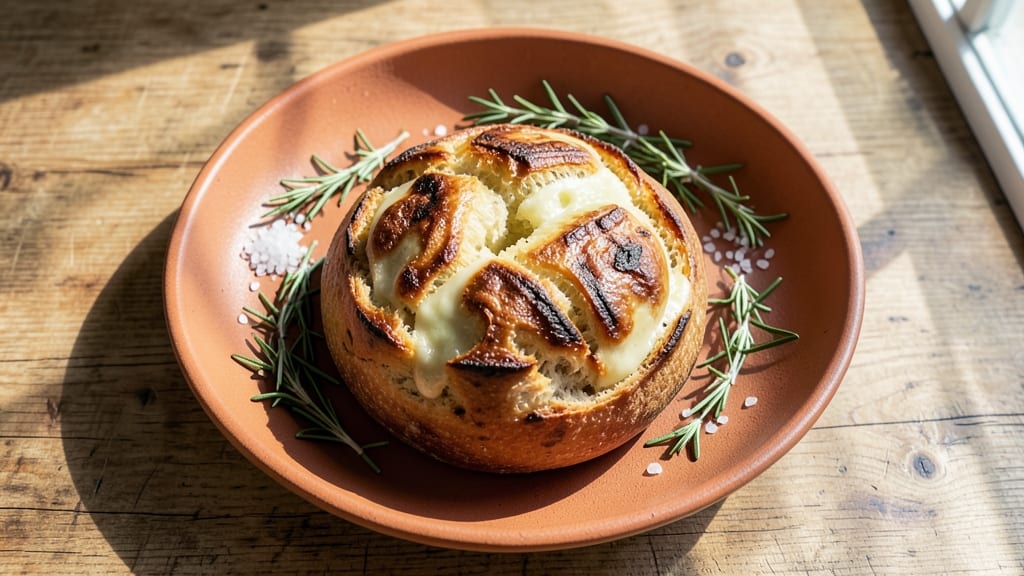
This fermented potato bread recipe transforms humble spuds into a tangy, sourdough-style loaf with a crisp crust and airy interior—perfect for elevating any meal. The fermentation process develops complex flavors while the mashed potato base creates a uniquely tender crumb.
I first discovered this technique while adapting traditional sourdough for gluten-sensitive diets, and it became an instant favorite for its depth of flavor and satisfying texture.
The key to success lies in properly fermenting the potato mixture before combining it with flour and yeast. This step develops the bread’s signature tang while keeping the crumb light and open.
Unlike traditional potato breads, this version uses a natural fermentation process that enhances flavor without requiring yeast—though a small amount still helps achieve that perfect rise. The result is a bread that’s both hearty and delicate, with a crust that crackles satisfyingly and a crumb that melts in your mouth.
What makes this recipe stand out is how the fermented potatoes contribute to both flavor and texture. The tangy notes from fermentation balance the bread’s natural sweetness, while the potato base adds moisture and tenderness.
This bread pairs beautifully with soups, stews, or even as a side to roasted meats—its versatility makes it a staple in any kitchen. The process is straightforward, but the payoff is a loaf that tastes like it came from a professional bakery.
Ready in about 24 hours (including fermentation time), this recipe delivers restaurant-quality results with minimal effort. The long fermentation develops deep flavor, while the baking process creates that coveted crisp crust and airy interior.
Once you try fermented potato bread, you’ll never go back to store-bought versions—it’s that good. Let’s get started on crafting your own loaf.
Ingredients for fermented potato bread
Four loaves from humble potatoes—just flour, yeast, and a little patience.
| Ingredient | Amount | Notes |
|---|---|---|
| Russet Potatoes 🥔 | 2 ½ lbs | Peeled and boiled until tender |
| All-Purpose Flour 🌾 | 3 cups | Unbleached for best texture |
| Active Dry Yeast 🍞 | ¼ tsp | Freshly opened for best results |
| Unsalted Butter 🧈 | ½ cup | Cold, cubed for mixing |
| Granulated Sugar 🍚 | 1 tbsp | For yeast activation |
| Salt 🧂 | 1 ½ tsp | Diamond Crystal preferred |
| Whole Milk 🥛 | ½ cup | Room temperature for mixing |
| Apple Cider Vinegar 🍎 | 1 tbsp | For fermentation tang |
| Olive Oil 🫒 | 2 tbsp | Extra-virgin for richness |
| Honey 🍯 | 1 tbsp | For yeast feeding |
| Cornmeal 🌽 | ¼ cup | For dusting baking sheet |
The potatoes are non-negotiable here. Russets give the best texture—Yukon Golds work too but lack the starchy bite. Whole Foods or Trader Joe's carry perfect ones year-round. Peel them first, then boil until fork-tender. Drain well and mash while still hot—this breaks down starches better. For extra flavor, save a cup of the potato water to use in the dough. The yeast needs to work hard, so make sure your potatoes are fully cooled before mixing with flour.
No apple cider vinegar? White vinegar or lemon juice work in a pinch—just use the same amount. Swapping flour? White whole wheat keeps it gluten-friendly while adding nuttiness. The honey can be subbed with maple syrup, but it'll taste sweeter. For a richer dough, replace half the milk with buttermilk. The butter matters—European-style (like Plugrá) stays cold longer when cubed. If your yeast is old, proof it in warm milk first to test activity.
This dough ferments best at 70°F—use an oven with the light on if your kitchen runs cold. The first rise takes 12-16 hours, so plan ahead. Shape the loaves gently—overworking kills the airy crumb. Bake until golden with an internal temp of 205°F. Cool completely before slicing or it'll turn gummy. Leftovers? 3 days in a bread box or 3 months frozen—wrap tightly in plastic.
Why You'll Love This Recipe
- Here’s what sold me: the fermentation. No sourdough starter, just a few hours of proofing with yeast and potatoes. The flavor deepens overnight, and it’s cheaper than buying artisanal loaves—plus, you’ll have leftovers that taste better the next day.
- No Boil, No Peel: I’ll admit, I was skeptical about skipping the peeling—but those Russets? Just scrubbed and grated raw, no fuss. The texture’s dense and satisfying, like a hug for your sandwich.
- Sweet Butter, Warm Crumb: That little pat of butter and sugar in the dough? It’s the secret. The bread turns out with a buttery aroma that fills the kitchen, and the crumb? Soft enough to melt, but with just enough chew to keep it interesting.
- Lunchbox Legend: Between us, this bread is my go-to for school lunches or picnic baskets. It holds up better than store-bought—no soggy edges—and the kids actually eat it. (Yes, even on a Tuesday.)
Step-by-step instructions for fermented potato bread
Here's how to transform boiled potatoes into a bread with a tangy sourdough crust and airy interior.
Prepare the Potato Purée and Fermented Starter
Begin by boiling the 2.5 lbs of peeled russet potatoes until fork-tender, about 20-25 minutes. Drain and mash them until completely smooth—no lumps should remain. Let the purée cool to room temperature before proceeding.
In a separate bowl, whisk together the 0.5 cup whole milk, 1 tbsp apple cider vinegar, 1 tbsp honey, and 2 tbsp olive oil. This creates a tangy, slightly sweet liquid that will infuse the potato mixture with depth. Slowly fold this mixture into the cooled potato purée until fully combined. Cover and refrigerate for 12-18 hours to develop fermentation flavors—you'll notice a subtle tang when you taste it.
Mix the Dough with Cold Butter and Yeast
In a large mixing bowl, combine the 3 cups all-purpose flour and 1.5 tsp salt. Make a well in the center and add the fermented potato mixture, 0.5 cup cold cubed unsalted butter, and 0.25 tsp active dry yeast. Mix gently with a wooden spoon until the dough begins to form, then turn it out onto a lightly floured surface.
Knead the dough for 8-10 minutes until smooth and elastic. The cold butter should incorporate gradually, creating a slightly sticky but manageable dough. If it feels too dry, add 1 tbsp water at a time; if too sticky, add 1 tbsp flour. Place the dough in a lightly oiled bowl, cover with a damp towel, and let it rise in a warm place for 1-2 hours, or until it has nearly doubled in size.
Shape and Ferment the Dough
Punch down the risen dough to release air, then divide it into 4 equal portions. Shape each into a round loaf, tucking the edges under to seal. Place the shaped loaves on a parchment-lined baking sheet dusted with 0.25 cup cornmeal. Cover loosely with plastic wrap and let them rise again for 30-45 minutes until puffy and slightly domed.
Preheat your oven to 375°F with a baking stone or inverted baking sheet inside. Brush the tops of the loaves with a little olive oil for a golden finish. Bake for 25-30 minutes until the crust is deep golden brown and the internal temperature reaches 190°F. The bread should sound hollow when tapped on the bottom.
Cool and Serve for Maximum Flavor
Remove the loaves from the oven and transfer them to a wire rack to cool completely. This resting period is crucial—it allows the crumb to set and the flavors to meld. The bread will be warm to the touch at first but will firm up as it cools.
Slice into thick wedges to reveal the airy, slightly moist crumb and the tangy, crisp crust. Serve warm with unsalted butter or a smear of honey for a perfect balance of sweet and savory. The fermentation process enhances the potato flavor, giving this bread a unique depth that pairs beautifully with soups or as a side to hearty meals.
Pro Tips For Making Fermented Potato Bread
- BOIL POTATOES UNTIL SOFT: Russets take longer to break down than you’d think—aim for a fork-tender mash, not just mushy. I used to pull them too soon, and the bread turned dense. Boil 15-20 minutes until a knife slides in like butter.
- COOL POTATO MASH COMPLETELY: Hot potato mash kills yeast faster than a winter freeze. Spread it thin on a tray and let it cool to room temp before mixing with flour—this gives the yeast a fighting chance. (Yes, even if you’re impatient like me.)
- WEIGH YOUR FLOUR: Scooping flour from the bag packs it too tightly, and your bread will turn out gummy. Use a kitchen scale for precision—this recipe needs about 3 cups (360g) of flour, not a guess. Trust me, the difference is noticeable.
- FOLD IN BUTTER COLD: Soft butter melts into the dough and weakens the gluten structure, leading to a sad, flat loaf. Cut it into small cubes and fold them in at the very end—just enough to coat the dough, not incorporate. The bread will stay light and crisp.
Creative variations of fermented potato bread
Herb-Infused Twist
Add 1 tbsp fresh rosemary or thyme to the fermented potato mixture before refrigerating. The herbs infuse subtle earthy notes that complement the tangy fermentation. I like using Penzeys Old World Herbs for consistent quality. For a stronger flavor, finely chop the herbs before mixing. 🌿
Spiced Sweet Potato Version
Replace russet potatoes with 2.5 lbs sweet potatoes and add 1 tsp cinnamon and ½ tsp nutmeg to the fermented starter. The natural sweetness pairs beautifully with the fermentation tang.
Roast the sweet potatoes first for deeper flavor—toss cubed sweet potatoes with 2 tbsp olive oil, ½ tsp salt, and roast at 400°F for 30 minutes before mashing.
Seeded Whole Grain Option
Swap half the all-purpose flour for whole wheat flour and add 2 tbsp sunflower seeds or pumpkin seeds to the dough. The seeds add crunch and extra nutrition.
Toast the seeds in a dry pan for 3-5 minutes before mixing to enhance their flavor. This version has a nuttier profile that balances the potato's earthiness. 🌾
Garlic & Cheese Fusion
Add 4 minced garlic cloves to the fermented potato mixture and fold in ½ cup shredded Gruyère cheese during the final dough mixing. The garlic mellows during fermentation while the cheese melts into the bread, creating pockets of rich flavor.
Use Kraft Canadian-style Gruyère for the best melt. This version pairs perfectly with soups or roasted vegetables. 🧀
Savory Onion & Caramelized Topping
Create a caramelized onion topping by sautéing 1 large yellow onion, sliced thin, in 1 tbsp butter until golden brown (20-25 minutes on low heat). Spread this over shaped loaves before the final rise.
The onions add sweetness that contrasts beautifully with the tangy crust. For extra depth, add 1 tsp smoked paprika to the onions. 🧅
Gluten-Free Adaptation
Replace all-purpose flour with a 1:1 gluten-free baking flour blend (like Bob's Red Mill) and add ½ cup potato starch to improve texture. The fermentation process still works but may take 24 hours instead of 12-18.
For binding, add 1 tbsp psyllium husk powder to the dough. This version maintains the tangy flavor while being safe for gluten-sensitive eaters. 🌱
Nutrition facts
Frequently asked questions
Why do I need to ferment the potato mixture before baking?
The fermentation step develops the bread's signature tangy flavor while breaking down starches for a lighter crumb. Without it, the bread would taste bland and dense. The acidity from vinegar and fermentation also tenderizes the potatoes, creating that perfect airy texture.
Can I make this bread without yeast?
Yes! The recipe uses a small amount of yeast (0.25 tsp) primarily for rise, but the fermentation from the vinegar and potato mixture creates natural leavening. For a fully yeast-free version, extend the fermentation time to 24 hours and shape the dough gently to preserve air bubbles.
How do I know when the dough is properly fermented?
Look for visual clues: the dough should rise 50-75% in volume and have small bubbles on the surface. Smell it too—it should have a pleasant tang (like yogurt) rather than a harsh vinegar odor. If it smells strong, reduce fermentation time next batch.
Why did my bread turn out dense instead of airy?
Common causes include over-kneading (which deflates air bubbles) or insufficient fermentation time. Use a dough scraper instead of hands to shape, and let it ferment until it nearly doubles in size. Also ensure your kitchen is warm enough (70°F) for proper yeast activity.
Can I use sweet potatoes instead of russets?
Sweet potatoes work beautifully and add natural sweetness. For best results, roast them first (tossed in 2 tbsp olive oil at 400°F for 30 minutes) before mashing. Add 1 tsp cinnamon to the fermented starter to enhance the flavor profile.