
Side Dishes
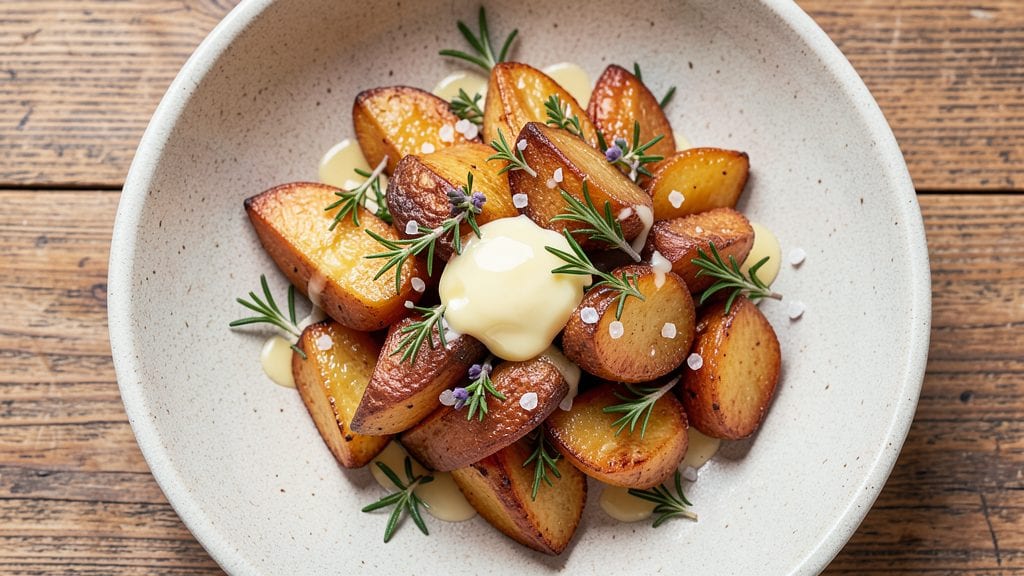
Creating French-style potato dishes that balance crispy exteriors and tender interiors is where French cuisine truly shines—this recipe delivers both with precision. The secret lies in a two-step cooking process that transforms simple potatoes into golden, vinegar-kissed wedges with fluffy pink hearts inside, a technique perfected in classic bistros.
Traditional French methods like using high-quality butter and precise heat control ensure every bite meets that signature texture.
What sets this recipe apart is the harmony of flavors: a delicate balance of tangy vinegar, rich butter, and aromatic herbs that elevate humble potatoes into a restaurant-worthy side.
The wedges achieve their signature crispiness through careful double-frying or baking, while the vinegar-infused oil adds a bright, refreshing finish that cuts through richer main dishes. This method works equally well for classic French fries or elegant Dauphinoise-style preparations.
By the time these potatoes emerge from the oven or fryer, you’ll have a dish that’s impossibly crispy on the outside while maintaining a tender, fluffy interior—just like the best bistro versions. The vinegar-kissed edges add a subtle tang that pairs beautifully with everything from steak to grilled fish.
Whether you’re serving them as a side or making them the star of a vegetarian plate, this recipe delivers professional results with minimal fuss.
For those who prefer modern adaptations, these wedges can be air-fried for a lighter texture or infused with fresh herbs like thyme or rosemary for added depth. The technique remains the same—just the execution varies. Ready to transform your next meal with this classic French approach? Let’s get started.
Ingredients for french potato
High-quality butter and vinegar transform simple potatoes into bistro-worthy golden wedges with fluffy pink centers.
| Ingredient | Amount | Notes |
|---|---|---|
| Russet Potatoes 🥔 | 2 lb | Uniform size, cut into 1-inch wedges |
| Unsalted European-Style Butter 🧈 | ½ cup | High-fat content, 82% minimum |
| White Wine Vinegar 🍷 | ¼ cup | Dry, aged variety preferred |
| Fresh Thyme Leaves 🌿 | ½ oz | Or 1 tbsp dried thyme |
| Fresh Rosemary Sprigs 🌿 | 2 whole | Finely chopped, woody stems removed |
| Diamond Crystal Kosher Salt 🧂 | 1 ½ tsp | Fine grain, for seasoning |
| Ground Black Pepper 🌶️ | ½ tsp | Freshly cracked preferred |
| Extra-Virgin Olive Oil 🫒 | ¼ cup | Light variety for frying |
| Granulated Garlic 🧄 | 1 tsp | For subtle garlic flavor |
| Fresh Parsley Leaves 🌿 | ¼ cup | Chopped, for garnish |
| All-Purpose Flour 🌾 | ¼ cup | For dredging wedges |
The Russet potatoes are non-negotiable—their high starch content creates that signature fluffy interior. Opt for organic, farm-fresh when possible, as their thicker skins hold up better during the double-frying process. Whole Foods Market or local farmers' markets often carry the best quality; look for potatoes that feel dense and firm with no soft spots. The European-style butter (like Plugrá or Kerrygold) is critical—its higher fat content (82% minimum) ensures proper browning and flavor development. If substituting, avoid margarine or low-fat butters, as they lack the necessary fat content for that signature French texture. The white wine vinegar should be aged at least one year for optimal complexity; Bartles & Jaymes or La Vieille Ferme are excellent choices available at most specialty grocers.
No fresh thyme? Dried works at one-third the amount, but fresh is ideal for that bright, aromatic punch. Rosemary can be swapped for tarragon if you prefer a milder profile, though the woody notes of rosemary are traditional. For the vinegar-infused oil, ensure it's light olive oil—extra-virgin can overpower the delicate potato flavor. If you're short on time, pre-cut frozen potato wedges (like Ore-Ida French Steak Fries) work in a pinch, though they lack the rustic texture of fresh-cut. The granulated garlic adds subtle depth without overpowering; if you prefer fresh, one clove minced is equivalent. For those avoiding gluten, cornstarch can replace the flour for dredging, though the texture will differ slightly.
Store pre-cut wedges in a sealed container with a paper towel to absorb moisture—keeps fresh for up to 24 hours in the fridge. For longer storage, par-cook the wedges (first fry only) and freeze them on a parchment-lined tray before transferring to a bag; they'll keep for up to 3 months. Reheat directly from frozen in the oven at 425°F (220°C) for 20-25 minutes until crispy. The vinegar-infused oil can be stored in a dark glass bottle in the fridge for up to 2 weeks, though it's best used fresh. Garnish with parsley just before serving—it wilts quickly when exposed to heat, so add it last for maximum freshness.
Why You'll Love This Recipe
- One-Pan Magic: I swear by this for nights when I’d rather not wash dishes. Russets roast until golden and crispy while the butter and herbs melt into a fragrant crust—just toss, bake, and call it a win.
- Herb-Infused Luxury: That European-style butter? It’s the star. Paired with rosemary and thyme, even the simplest bite tastes like a bistro dish. Honestly, the aroma alone makes my kitchen smell like a vacation.
- Weeknight Workhorse: Throw these in the fridge for up to 3 days—they reheat beautifully and still taste fresh. Perfect for lunchboxes, picnic sides, or when you’re too tired to cook but still want something special.
- Budget-Friendly Fancy: Russets are cheap, and a little butter goes a long way. The white wine vinegar adds brightness without costing a fortune, so you get restaurant-quality flavor for pennies. (Yes, even on a Tuesday night.)
Step-by-step instructions for French potatoes recipe
Master this technique and you'll transform simple russet potatoes into restaurant-quality wedges with crispy exteriors and fluffy pink centers.
Prepare and Season the Potato Wedges
Cut the 2 lb russet potatoes into 1-inch wedges, ensuring each piece has at least one skin edge for texture. Arrange them on two baking sheets in a single layer, leaving space between wedges for even cooking. This is crucial—they shouldn't touch during baking.
In a small bowl, combine the 0.25 cup all-purpose flour, 1.5 tsp diamond crystal kosher salt, 0.5 tsp ground black pepper, and 1 tsp granulated garlic. Toss the potato wedges in this seasoned flour mixture until they're evenly coated. The flour creates a light crust that enhances crispiness while absorbing the vinegar marinade perfectly.
Create the Vinegar Butter Marinade
In a separate mixing bowl, melt the 0.5 cup unsalted european-style butter over a double boiler or in the microwave in 20-second intervals until completely liquid. Remove from heat and stir in the 0.25 cup white wine vinegar, 0.5 oz fresh thyme leaves, and chopped stems from the 2 whole fresh rosemary sprigs (discard woody stems). Let the mixture cool to room temperature.
This acidic-sweet balance is what transforms ordinary potatoes into something extraordinary. The vinegar tenderizes the potatoes while cutting through the richness of the butter, creating that signature French brightness. Taste the marinade—it should be tangy with herbal notes, not overpowering.
Marinate and Par-Fry the Potatoes
Pour the cooled marinade over the floured potato wedges and toss gently to coat evenly. Transfer to a colander and let marinate for 30 minutes at room temperature. This step develops the flavor and ensures the potatoes absorb the marinade's essence.
Heat the 0.25 cup extra-virgin olive oil in a large skillet over medium-high heat until it shimmers at 350°F. Working in batches, add the marinated wedges and fry for 3-4 minutes per side until golden brown spots appear. The potatoes should be tender when pierced with a knife but still hold their shape. Remove to a paper towel-lined plate to drain excess oil.
Bake to Fluffy Perfection
Preheat your oven to 425°F. Return the par-fried wedges to the baking sheets and bake for 15-18 minutes, stirring once halfway through, until the edges are deeply golden and the centers are fork-tender. The internal temperature should reach 205°F when measured at the thickest wedge.
This baking phase develops the signature fluffy pink centers while maintaining the crispy exterior. The residual heat from the par-frying carries through during baking, creating that perfect contrast of textures. Watch carefully—they cook quickly at this temperature.
Finish with Fresh Herbs and Serve Immediately
Transfer the baked wedges to a serving platter and sprinkle with the remaining chopped fresh rosemary and 0.25 cup fresh parsley leaves. Toss gently to distribute the herbs evenly. The parsley adds freshness that cuts through the richness, while the rosemary enhances the herbal notes from the marinade.
Serve immediately while still hot. The wedges should be crispy on the outside with a fluffy, pink interior that's tender enough to pull apart with a fork. Each bite should deliver that perfect balance of tangy, herby, buttery flavors that make this preparation distinctly French.
Pro Tips For Making French Potato
- Cut Potatoes Evenly: Use a mandoline or sharp knife to slice them ¼-inch thick—no thicker, no thinner. I learned this the hard way after burning uneven slices; consistent thickness means even cooking every time.
- Salt the Potatoes First: Toss the raw slices with 1 teaspoon of salt before roasting—it draws out moisture so they crisp up better. (Yes, even if you’re impatient like me, wait 10 minutes before drying them.)
- Roast in Two Batches: Overcrowding steams the potatoes instead of crisping them. Roast half first, then flip and add the second batch when the pan’s hot again—this guarantees golden edges.
- Deglaze with Vinegar: After roasting, splash in 2 tablespoons of white wine vinegar and scrape up the browned bits. It cuts through the richness and adds brightness—skip the vinegar, and you’re missing the real French touch.
Best sauces and condiments for these flavors
Classic French Garlic Aioli
This creamy, aromatic sauce is a must-have for French-style potatoes. Whisk together ½ cup mayonnaise (I prefer Duke's for its rich texture), 2 minced garlic cloves, 1 tbsp white wine vinegar, 1 tsp Dijon mustard, and a pinch of salt.
The vinegar brightens the richness, while the Dijon adds depth. Serve warm or at room temperature—it pairs perfectly with the vinegar-kissed wedges. 🧄
Herb-Infused Butter Sauce
Melt ¼ cup European-style butter (like Plugrá) with 1 tbsp chopped fresh parsley, 1 tsp chopped thyme, and a pinch of salt in a small saucepan over low heat.
Keep it warm in a slow cooker or double boiler—this sauce enhances the potato's natural flavors without overpowering them. Drizzle generously over the wedges just before serving for that authentic bistro touch. 🧈
Truffle Oil Drizzle
For a luxurious finish, drizzle the wedges with 1 tsp high-quality truffle oil (I recommend Artisan Truffle Co.) just before serving. The earthy aroma complements the vinegar and herbs beautifully.
Start with a small amount—truffle oil is potent and should enhance, not dominate, the dish. A sprinkle of flaky sea salt (like Maldon) elevates it further. ✨
Spicy Mustard Sauce
Mix 2 tbsp whole-grain mustard with ¼ cup sour cream, 1 tsp honey, and a pinch of cayenne pepper for a tangy, slightly sweet contrast. This sauce cuts through the richness of the butter and adds a kick.
It’s perfect for those who enjoy a bit of heat with their French potatoes. 🌶️
Crème Fraîche with Chives
Whip ¼ cup crème fraîche with 1 tbsp chopped chives and a squeeze of lemon juice. This light, tangy sauce adds freshness and balances the buttery potatoes.
It’s a staple in French bistros and works beautifully as a finishing touch. The chives add a delicate onion flavor that brightens the dish. 🌿
Classic Béarnaise Sauce
For a showstopper, prepare a classic béarnaise sauce—it’s worth the effort. Melt ¼ cup butter in a saucepan, then whisk in 1 tbsp white wine vinegar, 1 tbsp tarragon vinegar, and 1 tbsp chopped tarragon.
Strain and reduce over low heat, then whisk in 1 egg yolk and 1 tsp Dijon mustard. The sauce should be silky and slightly tangy, perfect for drizzling over the crispy wedges. 🍷
Nutrition facts
Frequently asked questions
Can I make these vinegar-kissed wedges without frying?
For a healthier version, skip the oil and bake the marinated wedges directly at 425°F (220°C) for 35-40 minutes, flipping halfway. Use an air fryer at 390°F (200°C) for 20-25 minutes with a light spray of olive oil. The vinegar marinade still delivers that signature tang, though texture will be slightly less crispy.
Why do my French-style potatoes turn out soggy?
Soggy potatoes usually mean overcrowding or undercooking. Always arrange wedges in a single layer with space between them, and never stack them during baking. For frying, cook in batches to avoid steaming. The internal temperature should reach 205°F (96°C)—use a meat thermometer to check!
What's the best potato variety for this recipe?
Russet potatoes are ideal—their high starch content creates that signature fluffy interior. Avoid waxy varieties like Yukon Golds, which stay dense. For extra crispiness, choose organic russets with thicker skins that hold up better during cooking.
Can I prep these wedges ahead of time?
Yes! Cut and marinate the wedges up to 24 hours ahead, storing them in an airtight container in the fridge. For make-ahead frying, par-cook the wedges (first fry only) and freeze them on a parchment-lined tray. Reheat directly from frozen in the oven at 425°F (220°C) for 20-25 minutes until crispy.
What's the secret to extra crispy edges?
The two-step method is key: par-fry until golden, then bake to dry out the surface. For maximum crispiness, toss the wedges with 1 tsp cornstarch before the final bake. The starch creates a crispy crust while keeping insides tender. Double-frying (fry once, rest, fry again) also works for restaurant-style results.