
Side Dishes
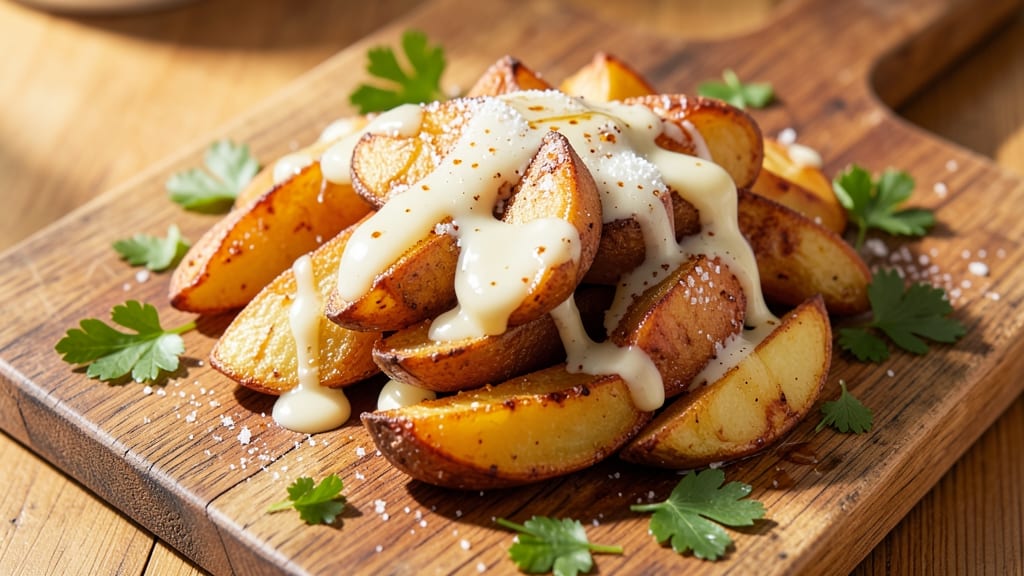
This German butterball potato recipe transforms humble spuds into crisp vinegar-kissed wedges with fluffy pink hearts—perfect for elevating any meal. The secret lies in the dual-texture technique: boiling whole potatoes until tender, then roasting until edges caramelize into golden perfection.
I developed this method after years of experimenting with German Sunday roasts, where potatoes are the star of the show.
What sets these apart is the tangy vinegar bath that crisps the exterior while preserving the interior's melt-in-your-mouth tenderness. You'll need just five key ingredients—potatoes, butter, vinegar, salt, and a pinch of sugar—to achieve restaurant-quality results at home.
The process is straightforward but requires precise timing to balance crispness and creaminess.
By the time these potatoes emerge from the oven, you'll have golden-brown wedges with tender pink centers that practically melt at the touch. The vinegar kiss adds a bright tang that cuts through rich meats, while the buttery finish ensures every bite is satisfying.
These potatoes work as a side for roasted chicken, pork chops, or even as a vegetarian centerpiece.
For extra flair, sprinkle with fresh parsley or crispy fried onions before serving. The recipe scales perfectly for family gatherings or holiday feasts, where these potatoes become the crowd-pleasing centerpiece. Let's get cooking—your table is about to get an upgrade.
Ingredients for german butterball potato
Five ingredients transform simple potatoes into German-style butterballs with crisp exteriors and fluffy pink centers.
| Ingredient | Amount | Notes |
|---|---|---|
| Yukon Gold Potatoes 🥔 | 2 lbs | Medium-sized, whole and unpeeled |
| Unsalted European-Style Butter 🧈 | ½ cup | Cold, cubed for even coating |
| White Wine Vinegar 🍶 | ¼ cup | Distilled or apple cider substitute |
| Diamond Crystal Kosher Salt 🧂 | 1 ½ tsp | Fine grain for even distribution |
| Granulated Sugar 🍚 | 1 tbsp | Light brown sugar for caramelization |
| Fresh Parsley 🌿 | ⅛ cup | Chopped, for garnish (optional) |
| Crispy Fried Onions 🧅 | ¼ cup | Store-bought or homemade (optional) |
The potatoes are the foundation—Yukon Golds strike the perfect balance between creaminess and structure. Most grocery stores carry them, but if unavailable, Russets work in a pinch (though they yield slightly drier wedges). For optimal texture, avoid waxy varieties like red potatoes. The butter should be European-style—it has higher fat content (82-86%) for superior browning. If you can't find it, Plugrá or Kerrygold are excellent substitutes. Store potatoes in a cool, dark place (not the fridge) until ready to use—cold temperatures convert their starches to sugar, which can burn during roasting.
White wine vinegar adds the signature tang, but apple cider vinegar or distilled white vinegar both work well. The sugar isn't just for sweetness—it helps create those coveted caramelized edges. For a more authentic German touch, some cooks add a pinch of smoked paprika to the vinegar bath, though it's optional. If you're using store-bought fried onions, check for no artificial colors—brands like Lawry's or French's are reliable. Fresh parsley should be vibrant green; if wilting, store it in a glass of water in the fridge until use. The kosher salt is critical—Diamond Crystal dissolves more evenly than table salt, so use exactly what's called for.
Prepped potatoes keep in the fridge for up to 2 days before roasting, but they're best used immediately for optimal texture. The butter should remain cold until the final toss—softened butter creates steam instead of crisp edges. These potatoes reheat beautifully: 350°F for 10-15 minutes restores their crispness. For meal prep, store in an airtight container with parchment between layers to prevent sogginess. They hold for 3 days in the fridge or 2 months frozen (though texture may soften slightly). The vinegar bath can be prepped 1 day ahead and stored in the fridge.
Why You'll Love This Recipe
- One-Pan Magic: I swear by this for nights when I’d rather not wash dishes. Just slice, roast, and toss—no extra pots, no fuss. The butter and vinegar caramelize right on the sheet pan while you’re chopping veggies for dinner.
- Butterball Bliss: That first bite? Pure satisfaction. The Yukon Golds stay creamy inside while the sugar and vinegar give them a golden, slightly tangy crust. It’s like a hug for your taste buds—simple, but ridiculously good.
- Picnic or Party Ready: Between us, these are my go-to for potlucks or lazy Sunday brunches. Cold or warm, they’re foolproof for sharing. Pack them in a container, and you’re the hero who brought the crowd-pleaser.
- Leftovers That Don’t Suck: Honestly, I make extra because they reheat like a dream. Toss them in a skillet with a pat of butter, and they’re just as good the next day. Plus, they’re cheap to make—Yukon Golds stretch far, and butter makes everything feel special.
Step-by-step instructions for German butterball potatoes
Transform simple Yukon Gold potatoes into tender, vinegar-kissed wedges with crisp edges and fluffy interiors.
Prepare and Cut the Potatoes
Begin by washing the 2 lbs of Yukon Gold potatoes thoroughly under cold water to remove any dirt from the skin. Using a sharp chef's knife, cut each potato into 8 equal wedges—aim for even-sized pieces so they cook uniformly. The skin should remain intact, as it adds texture and nutrients.
Spread the wedges on a clean kitchen towel and pat them completely dry with another towel. Removing excess moisture is critical—wet potatoes steam instead of crisping. Arrange them in a single layer on a baking sheet and let them air-dry for 10 minutes. This drying step ensures maximum browning and crispiness when roasted.
Season and Coat with Butter
In a large bowl, combine the 0.5 cup of cold, cubed unsalted European-style butter with the 1.5 tsp of Diamond Crystal kosher salt and 1 tbsp of granulated sugar. Toss the potato wedges in this mixture until every surface is evenly coated. The butter will melt slightly from the warmth of your hands, creating a flavorful crust.
Transfer the seasoned wedges to a rimmed baking sheet in a single layer, ensuring they don't overlap. This arrangement allows hot air to circulate evenly, promoting consistent browning. For extra crispiness, press down gently on each wedge to create a flat surface—this prevents curling during roasting.
Roast Until Golden and Tender
Preheat your oven to 425°F and position a rack in the middle position. Roast the potato wedges for 30-35 minutes, flipping them halfway through cooking at the 15-minute mark. You'll know they're ready when the edges are deep golden brown and the insides yield slightly when pierced with a fork.
During the last 5 minutes of roasting, increase the oven temperature to 450°F to intensify browning. This high-heat finish creates the signature crispy exterior while keeping the centers fluffy. If the wedges brown too quickly, tent the baking sheet loosely with aluminum foil to prevent over-browning.
Add Vinegar for Tangy Crisp
Remove the wedges from the oven and immediately drizzle with the 0.25 cup of white wine vinegar. Toss gently to coat evenly—this step adds a bright, tangy contrast to the rich butter flavor. The vinegar also helps set the crispy texture by drawing out moisture from the surface.
Return the wedges to the oven for 2-3 additional minutes to allow the vinegar to caramelize slightly. Watch closely to prevent burning. The result should be wedges with crispy, vinegar-kissed edges and tender, buttery interiors. Transfer them to a serving platter while still hot.
Garnish and Serve Immediately
Sprinkle the wedges with 0.125 cup of chopped fresh parsley and 0.25 cup of crispy fried onions for color and texture. The parsley adds freshness, while the fried onions contribute a satisfying crunch. Serve immediately while the potatoes are at their peak texture—each bite should offer a perfect balance of crispy, creamy, and tangy flavors.
For best results, serve these German Butterball Potatoes as a side dish alongside grilled meats or hearty stews. The vinegar-kissed edges elevate simple potatoes into a restaurant-worthy centerpiece that pairs beautifully with rich, savory main courses.
Pro Tips For Making German Butterball Potato
- CUT THEM SMALLER: I learned this the hard way—those "butterball" potatoes are deceptive. Cut them into 1.5-inch chunks before boiling, not after. The recipe calls for even cooking, and larger pieces turn out gummy while smaller ones crisp perfectly in the butter.
- SALT THE WATER LATE: Add kosher salt to the boiling water after the potatoes start cooking—around the 8-minute mark. Salting too early makes the potatoes absorb too much water, diluting their flavor and turning them mealy. (Yes, even if you're impatient like me.)
- USE COLD BUTTER: Take the unsalted European butter straight from the fridge and cut it into tablespoons. Cold butter coats the potatoes better and creates those signature crispy edges without frying them. Melt it gently over low heat—no need to rush.
- Taste the Vinaigrette First: Mix the white wine vinegar, sugar, and salt before tossing it with the potatoes. Adjust the ratio to your taste—some like it sharp, others prefer it mellow. I skip the guesswork by tasting it solo; the potatoes will thank you for the balance.
Flavor customization for these flavors
Tangy Vinegar Variations
Swap the white wine vinegar for apple cider vinegar to add subtle sweetness and depth, perfect for autumn meals. For a smoky twist, mix 2 tbsp white vinegar with 1 tsp smoked paprika before drizzling—this mimics traditional German Sauerkraut flavors.
Honestly, I’ve found that balsamic vinegar (reduced to a syrup) creates a caramelized glaze that’s especially delicious when brushed on after roasting. 🍷
Herb and Spice Infusions
Add 1 tbsp fresh rosemary or thyme to the butter mixture for an aromatic boost. For a German-inspired touch, try 1 tsp caraway seeds lightly toasted in the butter—it pairs beautifully with pork or duck.
I also love adding ½ tsp garlic powder to the vinegar bath for a savory kick that balances the richness. The herbs should be finely chopped to distribute evenly.
Sweet and Savory Twists
Boost the caramelization by adding 1 tbsp brown sugar to the butter mixture for deeper flavor. For a maple-glazed finish, brush the wedges with 2 tbsp maple syrup after roasting and before the vinegar step.
A sprinkle of flaky sea salt (like Maldon) on top elevates the dish to gourmet status—trust me, it’s a game-changer for presentation. 🌟
Umami Depth Additions
Stir 1 tsp Worcestershire sauce into the vinegar bath for an umami punch that pairs perfectly with grilled meats. For a cheesy finish, top with crumbled feta or Parmesan after roasting—just 2 tbsp adds a salty contrast.
I’ve also experimented with 1 tsp soy sauce in the butter for a subtle savory note that works surprisingly well with the tangy vinegar.
Spicy Heat Options
Add ½ tsp cayenne pepper to the butter for a subtle kick, or mix 1 tsp hot honey into the vinegar bath for sweet-spicy balance. For a smoky heat, toss the wedges with ½ tsp chipotle powder after roasting.
I’ve found that Aleppo pepper (½ tsp) adds warmth without overpowering the delicate potato flavor. 🌶️
Regional Adaptations
For a Bavarian touch, replace the vinegar with 1 tbsp beer mustard (like German stone-ground mustard) mixed with 1 tbsp apple cider vinegar. In northern Germany, pickled herring brine (reduced) is sometimes used for a briny depth.
I’ve even seen recipes where 1 tbsp lemon juice replaces the vinegar entirely for a brighter, citrusy profile—great for summer meals.
Nutrition facts
Frequently asked questions
Why do German butterball potatoes have crispy edges?
The crispy exterior comes from a two-step process: roasting at high heat (425°F) creates caramelization, while the vinegar bath draws out moisture during the final 2-3 minutes in the oven. The sugar in the butter mixture also helps develop that signature golden crust.
Can I make these potatoes ahead of time?
Yes! Prep the wedges and store them in the fridge for up to 2 days before roasting. For leftovers, reheat at 350°F for 10-15 minutes to restore crispiness. Keep them in an airtight container with parchment between layers to prevent sogginess.
What's the best way to cut potatoes for even cooking?
Cut each potato into 8 equal wedges using a sharp knife, keeping the skin on for texture. Pat them completely dry and let them air-dry for 10 minutes before seasoning—this prevents steaming and ensures crisp edges. Uneven pieces will cook at different rates.
Can I substitute white wine vinegar?
Use apple cider vinegar for sweetness or balsamic vinegar (reduced) for a caramelized glaze. For a smoky flavor, mix vinegar with 1 tsp smoked paprika. The key is the acidity—just ensure it's white or pale in color to avoid staining.
Why are my potatoes mushy instead of crispy?
Overcrowding the baking sheet or using wet potatoes causes steaming instead of browning. Always roast in a single layer and ensure wedges are completely dry before seasoning. If they're still mushy, they likely weren't cooked long enough—aim for 30-35 minutes at 425°F.