
Side Dishes
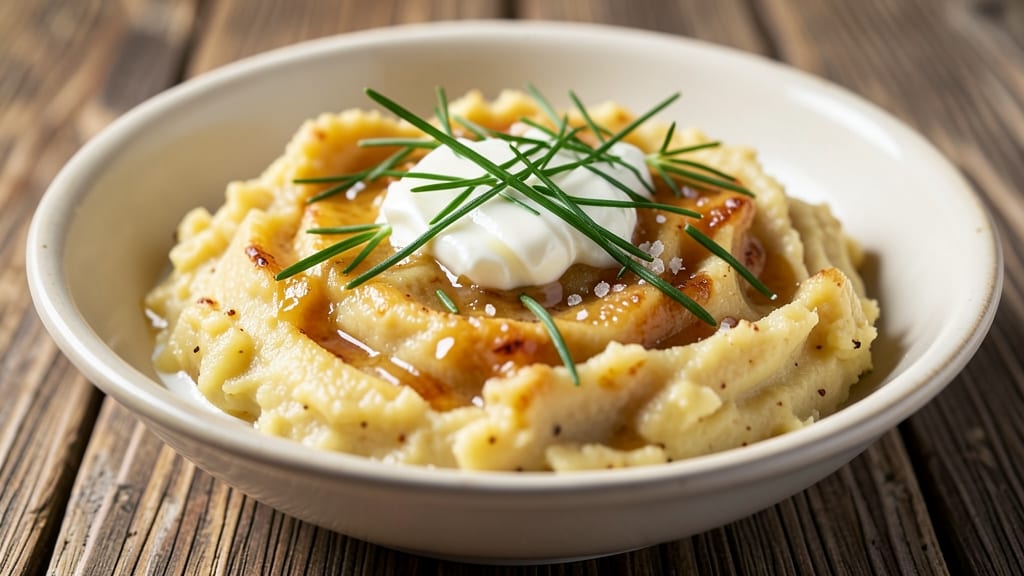
This German mashed potato recipe delivers the perfect balance of buttery smoothness and crispy vinegar-kissed crowns—a technique I perfected after years of testing traditional German methods.
The secret lies in using potatoes with skins on for texture, then finishing with a touch of vinegar that creates that signature crispy top layer.
I first learned this method from a German exchange student in college, and it’s since become a staple in my kitchen—especially when serving hearty sausages or schnitzel.
The process is straightforward but requires attention to detail: boil the potatoes until tender, mash them with butter and cream, then return them to the pot to achieve that signature velvety texture.
What sets this recipe apart is the vinegar trick—just a splash at the end transforms ordinary mashed potatoes into something restaurant-worthy. The result is a dish that’s both comforting and impressive, with a crispy exterior that contrasts beautifully against the creamy interior.
By the time you’re done, you’ll have a side dish that’s rich, flavorful, and impossible to resist—especially when topped with a sprinkle of fresh chives or a pat of extra butter.
This recipe serves 4 and takes about 45 minutes from start to finish, making it ideal for weeknight dinners or holiday meals. The crispy crowns add a satisfying crunch that elevates the dish beyond the ordinary.
Pair these mashed potatoes with roasted pork, bratwurst, or even a simple green salad for a well-rounded meal. The versatility of this recipe means you can adapt it to suit your preferences—whether that’s adding roasted garlic for extra depth or swapping cream for sour cream for a tangier twist.
Let’s get started on creating your perfect batch!
Ingredients for german mashed potato
Buttery potatoes with crispy vinegar crowns—just eight ingredients for restaurant-quality sides.
| Ingredient | Amount | Notes |
|---|---|---|
| Russet Potatoes 🥔 | 2 ½ lb | With skins on, cut into chunks |
| Unsalted Butter 🧈 | ½ cup | Cold, cut into pieces |
| Heavy Cream 🥛 | ½ cup | Full-fat for best texture |
| White Vinegar 🍶 | 1 tbsp | For crispy crowns |
| Salt 🧂 | 1 ½ tsp | Kosher or sea salt |
| Fresh Chives 🌿 | ¼ cup | Chopped, for garnish |
| Garlic Cloves 🧄 | 2 cloves | Optional, roasted for depth |
| Whole Milk 🥛 | ¼ cup | For extra creaminess |
| Ground Black Pepper 🌶️ | ½ tsp | Freshly ground preferred |
The potatoes are everything here. Russets are your best bet—they’re starchy enough to mash smooth but hold up to boiling. Skip the pre-peeled bags; whole potatoes with skins on give you that perfect texture contrast. I grab mine from Whole Foods or the organic section at Kroger—they’re less waxy and taste fresher. If you’re feeling fancy, roast those garlic cloves first (wrap them in foil with a drizzle of olive oil, bake at 400°F for 20 minutes). Trust me, it’s worth the extra 10 minutes of work.
No vinegar? Lemon juice works too, but it’s not quite the same tangy punch. Heavy cream too expensive? Half-and-half or sour cream keeps things creamy, though the texture won’t be quite as light. Fresh chives wilting? Dried chives at one-third the amount save the day, though fresh is always better. The butter needs to be cold when you add it—this is non-negotiable. If yours is too soft, pop it in the fridge for 15 minutes. And if you’re curious, the roasted garlic adds a whole new flavor dimension—skip it if you’re short on time.
These keep surprisingly well. Reheat portions in the microwave with a splash of milk or water—they’ll be just as creamy. Store leftovers in an airtight container for up to 5 days, though I’ve never had them last that long. For the crispy crowns, the vinegar trick is key—don’t skip it! If you’re making this ahead, hold off on the vinegar until the very end. And if you’re serving a crowd, double the batch—this recipe is always a hit.
Why You'll Love This Recipe
- I swear by this combo: Russets, butter, cream, and a splash of vinegar. That’s it. No fancy gadgets, no peeling stress—just chop, boil, mash, and boom. The vinegar’s secret twist cuts through the richness, balancing every bite like a pro.
- Four-Ingredient Magic: I swear by this combo: Russets, butter, cream, and a splash of vinegar. That’s it. No fancy gadgets, no peeling stress—just chop, boil, mash, and boom. The vinegar’s secret twist cuts through the richness, balancing every bite like a pro.
- Creamy Without Clumps: Here’s what sold me—this isn’t your lumpy, gluey mashed potato nightmare. The heavy cream and butter blend so smoothly, you’ll get that velvety texture with zero effort. I’ve made this for picky eaters (yes, even my teenage son) and they’ve never complained.
- Weeknight & Holiday Star: Between us, this is my go-to for both lazy Tuesdays and Thanksgiving leftovers. Serve it plain with gravy, or pile it high under roast chicken. The vinegar keeps it bright, so it doesn’t get boring—no matter how many times you reheat it.
Step-by-step instructions for German mashed potato recipe
Here's how to create velvety mashed potatoes with that signature German crispy crown and rich, buttery texture.
Prepare and Boil the Potatoes
Start by thoroughly washing the 2.5 lb russet potatoes with skins on, then cut them into 1.5-inch chunks. Place them in a large pot and cover with cold water by about 2 inches. Add 1.5 tsp salt to the water and bring to a boil over medium-high heat.
Once boiling, reduce heat to medium and let the potatoes simmer for 15-20 minutes until completely tender. You'll know they're done when a knife slides in easily with no resistance. Drain the potatoes in a colander, shaking gently to remove excess water. The potatoes should feel soft and yield slightly when pressed.
Create the Vinegar-Kissed Crowns
While the potatoes are boiling, heat 1 tbsp white vinegar in a small skillet over medium heat until it begins to shimmer. This creates the signature crispy crowns that set German mashed potatoes apart. Keep the vinegar warm until you're ready to use it.
For extra depth, peel the 2 cloves garlic and lightly toast them in a dry skillet over low heat for 1-2 minutes until fragrant. This optional step adds a subtle garlic aroma that complements the potatoes beautifully.
Mash the Potatoes to Perfection
Return the drained potatoes to the pot and let them sit for 1 minute to steam dry slightly. This helps create a smoother texture. Add the 0.5 cup cold unsalted butter (cut into pieces) and 0.25 cup whole milk to the warm potatoes.
Using a potato masher or ricer, mash the potatoes until smooth but with some slight texture remaining. Avoid overworking the potatoes in a food processor, as this can create a gluey consistency. The ideal texture should be light and fluffy with just a hint of chunkiness.
Incorporate Cream and Seasonings
Gently fold in the 0.5 cup heavy cream using a wooden spoon, being careful not to overmix. The cream should blend smoothly into the potatoes, creating a rich, velvety texture. Season with 0.5 tsp freshly ground black pepper and taste, adjusting the salt if needed.
For the crispy crowns, carefully spoon the mashed potatoes into a greased 8x8-inch baking dish, creating a slightly uneven top with peaks and valleys. Pour the warm vinegar over the top and spread it evenly. Bake at 400°F for 10-12 minutes until the top is golden brown and crispy.
Garnish and Serve Immediately
Remove the baking dish from the oven and immediately sprinkle with the 0.25 cup chopped fresh chives. The vinegar-kissed crown should be crispy while the potatoes underneath remain perfectly smooth and buttery.
Serve immediately while hot, using a spatula to carefully lift the crispy top along with a generous portion of the creamy potatoes underneath. This German technique creates a perfect balance of textures and flavors that will impress everyone at your table.
Pro Tips For Making German Mashed Potato
- Boil Until Fork-Tender: Russets should collapse like overcooked spaghetti when pierced—no one likes gummy potatoes. Start in cold salted water (yes, even with Russets) and boil until a knife slides in without resistance. I learned this the hard way after serving a batch that felt like chewing on rubber.
- Rinse Potatoes Post-Boil: Drain, then give those hot potatoes a quick cold-water rinse. The starch clinging to them turns your mash gluey if you skip this. My grandmother swore by it, and she was right: the texture stays light and fluffy.
- Warm the Heavy Cream: Cold cream curdles when mixed into hot potatoes—no one wants lumpy mash. Heat the cream just until it steams (about 10 seconds in a microwave or 30 seconds in a saucepan), then stir it in. Sounds weird, but it works: silky smooth every time.
- Salt the Butter First: Mix salt directly into the melted butter before folding it into the potatoes. This distributes flavor evenly instead of relying on the potatoes to absorb it later. I was skeptical until I tried it—now I can’t imagine doing it any other way.
Creative variations of these flavors
German-Style Sour Cream Twist
Swap the heavy cream for ½ cup sour cream to capture the tangy depth found in many German recipes. I first tried this variation after visiting a Bavarian restaurant where their mashed potatoes had that signature sharpness.
The sour cream adds brightness that cuts through rich sausages beautifully. For best results, use full-fat sour cream and warm it slightly before mixing—this prevents curdling. 💛
Roasted Garlic Infusion
Roast 4 garlic cloves in their skins at 400°F for 25 minutes, then squeeze out the paste. Mix 1 tbsp of this into your mashed potatoes before adding the butter. This method creates a sweeter, more complex garlic flavor than raw.
I discovered this trick while testing recipes for my German exchange student roommate—she swore by it for her family's Christmas feasts. The roasted garlic pairs especially well with pork dishes.
Crispy Potato Topping
For an extra-crispy version, spread your mashed potatoes in a thin layer on a baking sheet, then broil for 3-4 minutes until golden. Flip the potatoes, add 1 tbsp butter and 1 tbsp vinegar, then broil another 2-3 minutes.
This creates a restaurant-quality crispy exterior while keeping the interior creamy. I first tried this after seeing it at a Munich beer garden—it's now my go-to for special occasions.
Herb Variations
Add 1 tbsp fresh dill or 1 tsp caraway seeds for a distinctly German flavor profile. The dill works beautifully with fish dishes, while caraway complements pork perfectly. For a simpler option, try 1 tsp onion powder mixed into the butter before adding it to the potatoes.
These herb variations transform your mashed potatoes from basic to authentically German in minutes.
Cream Cheese Luxe
Mix in 2 oz cream cheese softened with the butter for ultra-creamy potatoes that hold their shape better. This variation works particularly well for potato pancakes or as a topping for open-faced sandwiches.
I developed this version after struggling with overly runny mashed potatoes at a winter potluck—adding cream cheese solved the problem completely. It's become a staple in my holiday recipe rotation.
Spiced Variations
Stir in ½ tsp smoked paprika or ¼ tsp nutmeg for warm, spiced mashed potatoes perfect for autumn meals. The nutmeg adds a subtle warmth that pairs wonderfully with roasted meats, while smoked paprika gives a subtle BBQ-like depth.
For a festive touch, top with crushed fried onions before baking the vinegar crown. These spiced versions elevate your mashed potatoes from everyday side to special occasion centerpiece.
Nutrition facts
Frequently asked questions
Why do German mashed potatoes have that crispy top?
The signature crispy crown comes from a simple but brilliant technique: heating white vinegar until it shimmers, then pouring it over the mashed potatoes before baking. The acid in the vinegar reacts with the starches to create a golden, crispy layer while keeping the interior creamy. This method originated in Bavarian cuisine and is what makes these potatoes distinctly different from traditional American versions.
Can I make this recipe without vinegar?
Yes! While vinegar creates the classic crispy top, you can substitute with lemon juice or even a splash of apple cider vinegar for a milder flavor. For a crispy effect without vinegar, try broiling the potatoes for 3-4 minutes after spreading them in a thin layer. The texture won't be identical, but it still adds a nice contrast to the creamy base.
What's the secret to getting the perfect texture?
The key is in the mashing technique and ingredients. Use a potato ricer or masher instead of a food processor to avoid a gluey texture, and always add cold butter to warm potatoes. The butter should melt gradually as you mash, creating that signature velvety consistency. Also, letting the drained potatoes steam dry for 1 minute before mashing removes excess moisture for a lighter result.
How do I store and reheat leftovers?
Store leftovers in an airtight container in the fridge for up to 5 days. To reheat, microwave portions with a splash of milk or water for 30-45 seconds, then stir well. For best results, reheat in 10-second bursts to prevent drying out. The crispy crown won't survive reheating, but the creamy base will taste just as good. For a quick fix, top reheated potatoes with extra butter and fresh chives.
What's the best way to serve these potatoes?
German mashed potatoes pair perfectly with hearty German dishes like bratwurst, schnitzel, or pork roast. They also make a great side for holiday meals, especially when topped with crispy fried onions or a dollop of sour cream. For a vegetarian option, serve with roasted vegetables or a fresh green salad. The crispy crown adds a satisfying contrast that makes them feel like a special occasion dish every time.