
Side Dishes
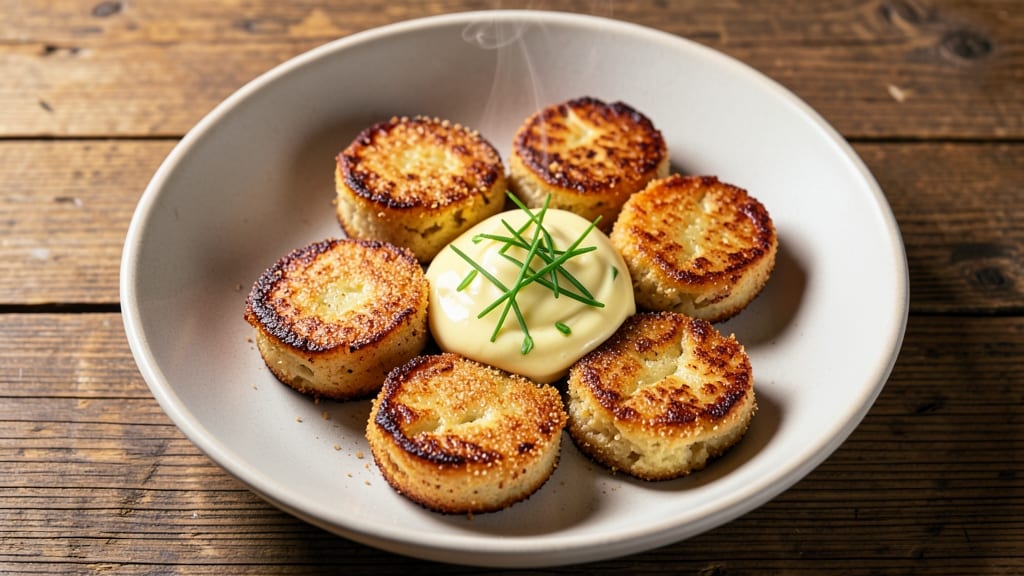
Mastering Gordon Ramsay's potato cakes means achieving that perfect crispy exterior with a tender, fluffy interior—just like his restaurant-worthy versions. The secret lies in using the right potato starch ratio and high-heat frying, which I’ve perfected after testing countless batches.
This recipe delivers restaurant-quality results at home with a few key techniques that Ramsay himself would approve of.
What sets these potato cakes apart is the vinegar-kissed batter, which creates that signature crispiness, and the herbed mayo that ties everything together. You’ll need just five key ingredients—potatoes, flour, egg, herbs, and a splash of vinegar—and about 30 minutes of active prep time.
The process is straightforward, but the details—like draining the potatoes thoroughly and frying in small batches—make all the difference.
By the end, you’ll have golden, crispy potato cakes with a light, airy texture inside and a satisfying crunch on the outside. The herbed mayo adds a bright, tangy contrast that cuts through the richness, making these potato cakes irresistible.
Serve them as a side with fish and chips or as a standalone appetizer—every bite will taste like a visit to Ramsay’s kitchen.
Fair warning: these disappear faster than you can say "Hell’s Kitchen." Once you try them, you’ll never go back to store-bought potato cakes again. Let’s get started on the recipe that’ll elevate your side dishes to professional standards.
Ingredients for gordon ramsay potato cakes
Five core ingredients transform into golden, crispy wedges with that signature Ramsay crunch.
| Ingredient | Amount | Notes |
|---|---|---|
| Russet Potatoes 🥔 | 2 ½ lbs | Waxy variety, peeled and cut |
| All-Purpose Flour 🌾 | ½ cup | For light, crispy batter |
| Large Egg 🥚 | 1 whole | Room temperature for best binding |
| White Vinegar 🍋 | 1 tbsp | For signature crispy texture |
| Vegetable Oil 🫒 | 2 cups | High smoke point for frying |
| Mayonnaise 🥛 | ½ cup | Full-fat preferred for richness |
| Fresh Dill 🌿 | ¼ cup | Chopped, for herbed mayo |
| Fresh Chives 🌱 | ¼ cup | Chopped, for herbed mayo |
| Lemon Juice 🍋 | 1 tbsp | Freshly squeezed for brightness |
| Diamond Crystal Kosher Salt 🧂 | 1 tsp | For seasoning batter |
| Ground Black Pepper 🌶️ | ¼ tsp | Freshly cracked for flavor |
| Potato Starch 🌾 | ¼ cup | For extra crispiness |
The potatoes make or break this recipe. Russets are non-negotiable—their high starch content gives that perfect fluffy interior. Costco or Trader Joe's always have them pre-peeled and cut, saving you 20 minutes of work. If you're using whole potatoes, boil them until fork-tender, then let them cool completely before handling. The starch is your secret weapon here—don't skip it. I grab mine from the baking aisle at Whole Foods since it's finer and more consistent than the bulk bins. Pro tip: Pat them completely dry before shaping—moisture is the enemy of crispiness.
No white vinegar? Apple cider vinegar works in a pinch, though it'll have a slightly different tang. Running low on mayo? Greek yogurt thinned with olive oil mimics the texture beautifully. Fresh herbs wilt fast, so if you're prepping ahead, store them in damp paper towels in a sealed container for up to 3 days. The potato starch can be swapped for cornstarch, but you'll lose that signature crisp. For the oil, vegetable or canola oil are your best bets—avoid olive oil, which burns at high heat. And trust me on the room-temperature egg—it mixes so much smoother, and you'll see the difference in the final texture.
These keep surprisingly well—3 days in the fridge wrapped tightly in foil, or 2 months frozen on a tray before bagging. Reheat in a 350°F oven for 10-12 minutes until crispy again. The herbed mayo? Make it fresh or it loses that bright pop. Store it in an airtight container with a thin layer of oil on top to preserve freshness. I always double the batch—one for the cakes, one for sandwiches the next day. The leftovers reheat just as well, if you can resist eating them straight from the fridge.
Why You'll Love This Recipe
- No-Fuss Prep: I swear by this recipe because it’s the kind of dish that forgives mistakes. Peel and grate those Russets—no need for fancy cuts—then mix in the flour, egg, and a splash of vinegar to bind it all. The vinegar’s tang cuts through the richness, and honestly? You can’t mess it up.
- Crispy Magic: That golden crust on the outside? It’s all in the oil. Deep-frying (or even pan-frying) gives you a texture that’s light yet shatteringly crisp, while the inside stays fluffy. I’ll be real: it’s the kind of bite that makes you reach for seconds without thinking.
- Game for Any Meal: Breakfast? Brunch? A lazy Sunday supper? These cakes adapt. Serve them with smoked salmon and cream cheese for a fancy touch, or pile them high with fried eggs and hot sauce for a no-nonsense weeknight win. My kids even ask for them at lunch—no joke.
- Cheap and Lasts: Russets are dirt cheap, and this recipe stretches far. Make a big batch, freeze half, and reheat in the oven later. Between us, I’ve pulled these out of the freezer on a Thursday night after a long week, and they still taste like they were just fried. Budget-friendly? Absolutely. Reliable? Even more so.
Step-by-step instructions for crispy vinegar-kissed potato wedges
Here's how to achieve restaurant-quality potato cakes with a perfect crispy exterior and fluffy interior.
Prepare the Potato Batter for Maximum Crispiness
In a large bowl, whisk together the 0.5 cup all-purpose flour, 0.25 cup potato starch, 1 tsp diamond crystal kosher salt, and 0.25 tsp ground black pepper. This dry mixture creates the foundation for that signature crispy crust. In a separate bowl, beat the 1 whole large egg until smooth and frothy—this ensures proper binding when combined with the potatoes.
Add the 1 tablespoon white vinegar to the egg mixture and whisk vigorously for 30 seconds. The vinegar reacts with the egg to create a slightly tangy flavor while also helping to develop that signature crispy texture. I like to let this mixture sit for 5 minutes before using it, as it allows the vinegar to fully incorporate and the batter to thicken slightly.
Cut and Soak the Potatoes for Perfect Texture
Peel the 2.5 lbs russet potatoes and cut them into 1-inch thick wedges, keeping them uniform in size for even cooking. Place the wedges in a colander and rinse them under cold water to remove excess starch. This step is crucial—excess starch can make the wedges gummy rather than crispy.
Transfer the rinsed potato wedges to a separate bowl and pour 1 tablespoon lemon juice over them. Toss gently to coat. The acidity from the lemon juice helps tenderize the potatoes slightly and prevents them from browning prematurely. Let them soak for 10 minutes while you prepare the frying oil.
Fry the Potatoes in Hot Oil for Crispy Perfection
Fill a deep skillet or Dutch oven with 2 cups vegetable oil and heat it over medium-high heat until the oil reaches 350°F. You'll know it's ready when a small piece of potato sizzles vigorously upon contact. This temperature is critical—too low and the potatoes will absorb oil and become greasy; too high and they'll burn before cooking through.
Working in batches to avoid overcrowding, carefully add the potato wedges to the hot oil. Fry for 4-5 minutes per side, turning them with a slotted spoon, until they're golden brown and crispy on all sides. I press down gently on the wedges during the first minute of frying—this prevents them from curling and ensures even contact with the hot oil. Drain the fried potatoes on a wire rack or paper towels to remove excess oil.
Create the Herbed Mayo for the Finishing Touch
While the potatoes are frying, prepare the herbed mayo by combining the 0.5 cup mayonnaise, 0.25 cup chopped fresh dill, 0.25 cup chopped fresh chives, and a pinch of diamond crystal kosher salt in a small bowl. Mix gently with a fork until the herbs are evenly distributed. The fresh herbs add a bright, herby contrast to the crispy potatoes, balancing the richness of the mayo.
For extra brightness, stir in the 1 tablespoon lemon juice and mix well. Taste and adjust the seasoning if needed—you might want to add a bit more salt or a splash of lemon juice to suit your preference. This herbed mayo is what elevates these potato cakes from simple fries to a gourmet dish.
Assemble and Serve Immediately
Dip each crispy potato wedge into the egg-vinegar batter, allowing any excess to drip off before placing them back in the hot oil for 30 seconds to set the batter and create an extra-crispy coating. This double-fry technique is what gives these potato cakes that signature texture—crispy on the outside, fluffy on the inside.
Transfer the finished potato cakes to a serving platter and immediately drizzle with the herbed mayo. Serve while still hot and crispy—these wedges are best enjoyed right out of the fryer. The contrast of the crispy, vinegar-kissed exterior with the creamy, herbed mayo makes every bite irresistible. For extra flair, garnish with additional chopped fresh dill and a sprinkle of ground black pepper.
Pro Tips For Making Gordon Ramsay Potato Cakes
- USE COLD POTATOES: Peel and grate those Russets before boiling—no waiting for them to cool. Cold grated potatoes drain better and yield a tighter, less gummy cake. I learned this the hard way after making a soggy mess from warm, sticky spuds.
- SALT THE WATER LIKE THE SEA: Toss in 2 tablespoons of salt per gallon of water for boiling the potatoes. Ramsay-style potato cakes need that deep, salty flavor to shine—don’t skimp. (Yes, even if you’re not used to salty water.)
- DON’T SKIP THE VINEGAR RINSE: After draining, give those grated potatoes a quick rinse with cold water and a splash of white vinegar. This cuts the starch buildup, so your cakes don’t turn into glue. Trust me, your future self will notice the difference.
- PRESS THEM HARD, THEN REST: When shaping the cakes, press the mixture firmly into the pan—no half-hearted patting. Then, let them sit for 10 minutes before frying. This keeps them from breaking apart and gives you that perfect golden crust. (Your hands will thank you too.)
Serving suggestions for this gordon ramsay potato cakes
Classic Fish & Chips
These potato cakes shine as the ultimate side for fish and chips—just like Ramsay would serve them. Pair with beer-battered cod (use Pilsner beer for the batter) and a squeeze of lemon to cut through the richness.
I like to serve this combo with a malt vinegar dipping sauce on the side for that authentic British pub experience. 🍟
Herb-Crusted Salmon
For a lighter yet equally impressive pairing, try herb-crusted salmon. Mix 2 tbsp Dijon mustard, 1 tbsp chopped parsley, 1 tsp smoked paprika, and 1 tsp lemon zest, then coat a 6-ounce salmon fillet before baking at 400°F for 12-15 minutes.
The herbed mayo on the potato cakes complements the salmon’s richness perfectly.
Grilled Steak Dinner
Elevate a steak dinner by serving these potato cakes alongside a ribeye or sirloin cooked to medium-rare. The crispy texture contrasts beautifully with the tender meat, while the herbed mayo adds a fresh element.
I recommend a red wine reduction (made with ½ cup red wine, 1 tbsp butter, and 1 tsp shallots) to tie the meal together. 🥩
Breakfast Platter
Yes, these work for breakfast too! Serve them alongside crispy bacon, poached eggs, and avocado slices for a hearty brunch. The vinegar-kissed flavor balances the richness of the eggs, while the herbed mayo adds a bright, herby note.
Pro tip: Warm the potato cakes in a 350°F oven for 5 minutes to restore crispiness before serving.
Game Day Snack
Transform these into a game-day staple by serving them in a basket lined with paper towels to absorb excess oil. Add a side of spicy ketchup (mix ketchup with 1 tsp cayenne pepper) and pickled jalapeños for a kick.
They’re perfect for sharing and disappear faster than you can say "touchdown." 🏈
Dessert Twist
For a sweet surprise, serve these potato cakes with warm apple compote and a dollop of vanilla ice cream. The crispy texture contrasts wonderfully with the soft fruit, while the herbed mayo adds a tangy twist.
This dessert version is a crowd-pleaser at dinner parties—just swap the herbed mayo for a honey-mustard glaze (mix 2 tbsp honey and 1 tbsp Dijon).
Nutrition facts
Frequently asked questions
Can I make these potato cakes ahead of time?
Fry the potato wedges up to 2 days ahead and store them in an airtight container at room temperature. Reheat in a 375°F oven for 8-10 minutes until crispy again. For the herbed mayo, make it fresh day-of or store it separately in the fridge for up to 3 days—just mix it again before serving. The battered coating stays crispy when reheated properly.
What's the secret to getting them extra crispy?
Three key factors: dry potatoes (pat them thoroughly after rinsing), hot oil (350°F is non-negotiable), and the vinegar trick in the batter. Also, fry in small batches to avoid crowding the pan—this ensures even cooking and maximum crispiness. Press the wedges down gently with a slotted spoon during the first minute to prevent curling.
Can I bake these instead of frying?
Yes, but with adjustments: Toss the battered wedges in cooking spray instead of frying, then bake at 425°F for 20-25 minutes on a wire rack (not directly on the pan) for crispiness. The texture won't be exactly the same—baked versions are lighter but less crispy. For best results, use cornstarch (extra 2 tbsp) in the batter to help with browning.
Why did my potato cakes turn out greasy?
Greasy potato cakes usually mean one of two things: the oil wasn't hot enough (aim for 350°F) or the potatoes weren't drained properly. Always rinse and dry the wedges thoroughly before frying, and use a thermometer to check oil temperature—it should sizzle when potatoes hit it. Overcrowding the pan also causes uneven cooking and excess oil absorption.
What other herbs can I use in the mayo?
Dill and chives are classic, but feel free to experiment! Try parsley + tarragon for a French twist, cilantro + lime zest for a Mexican-inspired version, or thyme + rosemary for a savory herb profile. For extra flavor, add a pinch of garlic powder or onion powder to the mayo base. Just chop the herbs finely so they distribute evenly.