
Side Dishes
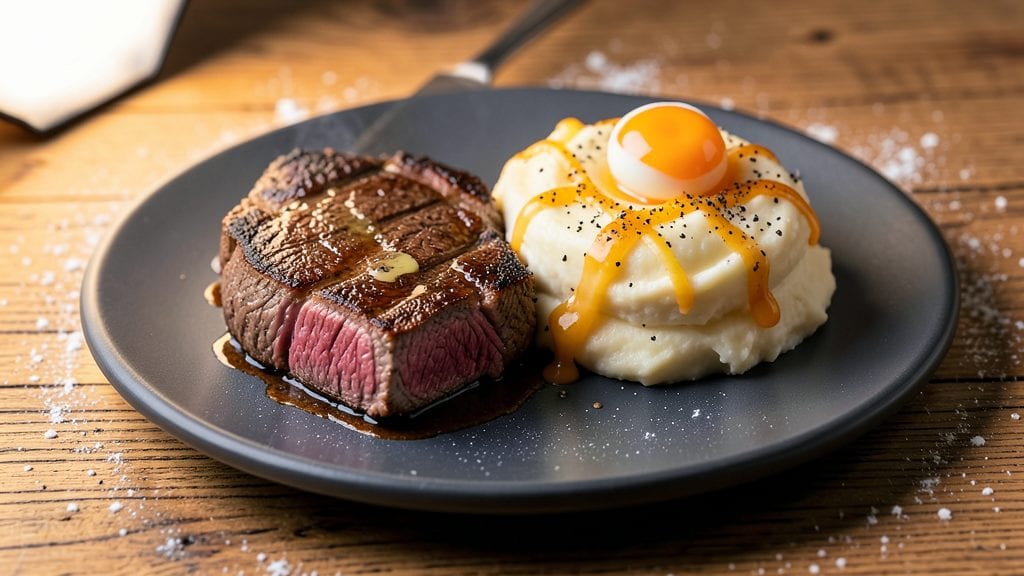
Mastering Gordon Ramsay's steak and mashed potatoes recipe delivers restaurant-quality results at home with precise techniques and professional-level details. This complete dish combines perfectly seared steak with velvety mashed potatoes that achieve that signature cloud-like texture.
The key lies in high-heat searing for a caramelized crust while keeping the interior tender, paired with buttery, garlic-infused spuds that melt in your mouth.
What sets this recipe apart is the attention to detail—from proper steak seasoning and resting times to achieving perfectly smooth mashed potatoes with just the right amount of cream and butter.
I've refined these techniques over years of practice, ensuring every element comes together for a dish that rivals high-end restaurants. The pan juices from the steak elevate the potatoes, creating a harmonious connection between both components.
By following these steps, you'll achieve steak with a deep mahogany crust and tender pink centers, served alongside mashed potatoes so light they practically disappear on your fork.
The aroma alone will transform your kitchen into a dining experience worthy of Ramsay's kitchen. Let's get started on creating this professional-level meal at home.
This recipe includes optional garnishes like fresh parsley or a drizzle of reduced pan juices to complete the presentation. The techniques here are designed to be approachable yet deliver restaurant-quality results, making it perfect for special occasions or impressing guests with your culinary skills.
The timing is structured to ensure everything comes together seamlessly, with the steak and potatoes ready at the same time.
Ingredients for gordon ramsay steak and mashed potatoes
Restaurant-quality steak and mashed potatoes start with these 12 ingredients—nothing fancy, just premium cuts and simple staples.
| Ingredient | Amount | Notes |
|---|---|---|
| Ribeye Steak 🥩 | 1 ½ lb | Center-cut, 1-inch thick preferred |
| Unsalted Butter 🧈 | ½ cup | Cold, cut into 1-inch cubes |
| Diamond Crystal Kosher Salt 🧂 | 1 ½ tbsp | For seasoning and finishing |
| Freshly Ground Black Pepper 🌶️ | 1 tbsp | Coarse grind preferred |
| Russet Potatoes 🥔 | 2 ½ lb | Yukon Gold works too |
| Heavy Cream 🥛 | ½ cup | Full-fat for best texture |
| Whole Milk 🥛 | ¼ cup | Warmed for smooth mash |
| Garlic Cloves 🧄 | 4 cloves | Peeled, smashed for infusion |
| Fresh Rosemary 🌿 | ½ tsp | Finely chopped, stems removed |
| Extra-Virgin Olive Oil 🫒 | 2 tbsp | High-quality, fruity variety |
| Fresh Parsley 🌿 | ¼ cup | Chopped, for garnish |
| Bone-In Chicken Thighs 🍗 | 2 whole | Optional for pan juices |
The ribeye is non-negotiable—look for center-cut at Whole Foods or your butcher counter. Thickness matters: 1-inch thick ensures perfect sear without overcooking. I always ask for it to be dry-brined overnight for extra tenderness. The potatoes? Russets or Yukon Golds—no waxy varieties here. Peel and cube them evenly (about 1.5-inch pieces) so they cook uniformly. For the garlic, smash those cloves with the flat side of your knife—releases more flavor than mincing.
No ribeye? Filet mignon or strip steak work, but trim excess fat first. Short on heavy cream? Half-and-half plus a splash of milk mimics the texture. The rosemary can be swapped for thyme or sage if that's what you've got, but fresh herbs make all the difference. For the pan juices, bone-in chicken thighs add depth—skip if you're in a hurry. The olive oil? Don't skimp—this is where the magic happens. A good Italian extra-virgin like Bertolli or Mezzetta elevates everything. And if you're worried about the steak drying out, rest it for 10 minutes before slicing—trust me on this.
Steaks and potatoes reheat like champs—steaks in a 200°F oven for 10 minutes, potatoes in the microwave with a splash of milk to keep them creamy. Store steaks airtight in the fridge for 3 days, potatoes up to 5 days (reheat with extra butter). Freeze steaks for 3 months wrapped tightly. For the parsley, wrap stems in damp paper towel—keeps fresh for days. And save those pan juices! They're liquid gold for drizzling over the potatoes or steak.
Why You'll Love This Recipe
- Steak in Minutes: This recipe turns a ribeye from intimidating to done in 20 minutes flat—just salt, sear, and let the heat work its magic. No fancy techniques, just that perfect crust and tender inside you’d pay $50 for at a steakhouse.
- Butter Love Bomb: That ribeye gets basted in butter until it’s shining, while the potatoes get whipped with actual butter (not margarine) until they’re fluffy enough to disappear with your first forkful. Honestly, the flavor alone justifies the effort.
- Weeknight Hero: Between us, this is my go-to when I need something impressive but can’t be bothered with a 3-hour roast. The steak feels special, the potatoes are foolproof, and leftovers? They reheat like a dream (just crisp them up in a pan).
- Budget Luxury: A ribeye doesn’t have to break the bank—this recipe stretches one steak into two meals (or three if you’re sneaky with portions). The potatoes are cheap, the salt and pepper cost pennies, and the butter? Well, worth every penny for that rich finish.
Step-by-step instructions for Gordon Ramsay steak and mashed potatoes
Here's how to nail perfect steak and velvety mashed potatoes like a pro.
Season and Sear the Ribeye to Restaurant Perfection
Take the ribeye steak out of the fridge and let it sit at room temperature for 30 minutes. Pat it dry completely with paper towels—this ensures maximum crust development. Season both sides generously with 1.5 tablespoons diamond crystal kosher salt and 1 tablespoon freshly ground black pepper, pressing the seasoning into the meat so it adheres. Let it rest for another 10 minutes while you prep the pan.
Heat a heavy skillet over medium-high heat until it's screaming hot. Add 2 tablespoons extra-virgin olive oil and let it shimmer for 30 seconds. Place the steak in the pan and resist the urge to move it immediately. Let it sear undisturbed for 3-4 minutes until you get deep golden-brown crust on both sides. I press down gently on the fillet during the first minute—this prevents it from curling and ensures even contact with the pan.
For the bone-in chicken thighs (if using), add them to the pan after removing the steak. Sear them skin-side down for 5 minutes until golden, then flip and cook for another 4 minutes. Transfer both to a plate and tent with foil to keep warm while you finish the potatoes.
Create the Ultimate Mashed Potato Base
While the steak rests, peel and quarter the 2.5 pounds russet potatoes. Place them in a large pot and cover with cold water by about 2 inches. Add 1 teaspoon diamond crystal kosher salt and bring to a boil over high heat. Once boiling, reduce to medium heat and cook for 15-20 minutes until the potatoes are fork-tender.
Drain the potatoes thoroughly, then return them to the pot. Add 0.5 cup heavy cream and 0.25 cup warmed whole milk. Mash vigorously with a potato masher or ricer until completely smooth—no lumps allowed. The key here is to work quickly while the potatoes are still hot to prevent them from turning gluey.
For extra flavor, add the 4 smashed garlic cloves and 0.5 teaspoon finely chopped fresh rosemary to the warm potato mixture. Mash again until fully incorporated. The garlic should infuse the potatoes with its aromatic sweetness without overpowering.
Finish the Steak with Butter and Rest Properly
Return the skillet to medium heat and add the 0.5 cup cold unsalted butter, cut into cubes. Let it melt completely, then tilt the pan to baste the steak with the buttery juices for 1 minute. This step is crucial—it adds incredible richness and helps develop that beautiful crust.
Transfer the steak to a cutting board and let it rest for 8-10 minutes before slicing. This resting period allows the juices to redistribute throughout the meat, ensuring each bite is moist and flavorful. Don't skip this step—I've seen too many home cooks ruin a perfect sear by slicing too soon.
Elevate the Mashed Potatoes with Finishing Touches
Return the mashed potatoes to the pot and stir in the remaining 0.5 cup cold unsalted butter, one pat at a time, until fully incorporated. The butter should create a silky, velvety texture. Taste and adjust seasoning with additional diamond crystal kosher salt and freshly ground black pepper if needed.
For that restaurant-quality finish, fold in the 0.25 cup chopped fresh parsley just before serving. The parsley adds a bright, fresh contrast to the rich, creamy potatoes. Transfer the mashed potatoes to a serving dish and create peaks with a spoon for that classic presentation.
Slice and Serve with Confidence
Slice the ribeye against the grain into ½-inch thick portions. The grain will be visible as small lines running through the meat. Serve the steak immediately alongside the mashed potatoes, garnished with additional chopped fresh parsley and a sprinkle of freshly ground black pepper.
Each bite should deliver perfectly seared crust, tender interior, and rich beefy flavor. The mashed potatoes should be light, airy, and bursting with buttery goodness. Serve with the pan juices from the chicken thighs (if using) for an extra layer of depth in every bite.
Pro Tips For Making Gordon Ramsay Steak And Mashed Potatoes
- Sear with a lid: After searing the ribeye, slap a lid on the pan and let it steam for 30 seconds—this traps moisture while finishing the crust. I used to skip this and ended up with a dry exterior and juicy center that bled all over the plate. Works especially well for thicker cuts.
- Peel potatoes after cooking: Russets are stubborn, so boil them whole, then peel them while still warm—skin slides off like butter. Cold potatoes? You’ll be peeling for 20 minutes with a spoon. Also, cut them even so they mash uniformly.
- Salt the steak twice: Generously salt the ribeye before searing, then hit it again with flaky salt and pepper right after resting. The first layer seasons deep; the second locks in flavor. I learned this after a dinner where my steak tasted bland despite heavy butter basting.
- Mash with hot milk: Heat the milk (or cream) until it’s steaming, then fold it into the potatoes—this keeps the texture silky without lumps. Cold milk? You’re fighting for smoothness the whole time. Also, resist the urge to overwork it; a few folds is all you need.
Essential equipment for gordon ramsay steak and mashed potatoes
Skillet Selection
A heavy 12-inch cast-iron skillet like the Lodge Pre-Seasoned is my go-to for searing steak—it retains heat beautifully and creates that coveted mahogany crust. If you prefer stainless steel, the All-Clad Stainless (12-inch) offers superior heat distribution for even cooking.
For budget-friendly options, a well-seasoned carbon steel pan works wonders too—just preheat it longer to reach the same temperature. Avoid nonstick pans for steak; they can't achieve the same crust quality. 🔥
Potato Tools
For mashed potatoes, a potato ricer (like the OXO Good Grips) is a game-changer—it eliminates lumps and creates that signature silky texture. If you don’t have one, a potato masher works, but be prepared to work extra to achieve smoothness.
For boiling, a stainless steel pot (like the Cuisinart MultiClad) prevents discoloration and heats evenly. Pro tip: Use a fine-mesh strainer to drain potatoes thoroughly before mashing. 🥔
Precision Thermometer
Invest in a meat thermometer like the ThermoWorks Smoke—it’s my secret weapon for perfect steak doneness. Insert the probe into the thickest part of the steak to monitor internal temperature. For medium-rare (Ramsay’s preferred), aim for 130-135°F internal temp.
A laser thermometer (like the Kizen) is another great option for quick, contactless readings. Don’t rely on visual cues alone; temperature is the only accurate way to judge doneness. 🌡️
Butter Basics
Use unsalted butter (like Plugrá or Land O’Lakes) for seasoning control—it melts cleaner and lets you adjust salt to taste. For basting, I recommend European-style butter (like Kerrygold) for its higher fat content and richer flavor.
Keep your butter cold until ready to use—this prevents premature melting in the pan. A small offset spatula helps spread the melted butter evenly over the steak’s surface. 🧈
Potato Peeler
A Y-peeler (like the OXO Good Grips) is my favorite for quickly peeling potatoes—it’s gentle on hands and efficient. For even faster prep, a mandoline slicer (like the Julienne) can cube potatoes uniformly in seconds.
Just be cautious with the blade guard! If you’re short on time, a sharp chef’s knife works, but it’s more labor-intensive. Always peel potatoes just before boiling to prevent browning. ⏱️
Nutrition facts
Frequently asked questions
Why does Gordon Ramsay recommend resting steak before slicing?
Resting steak for 8-10 minutes after cooking lets the juices redistribute evenly throughout the meat. If you slice too soon, all the flavorful juices will escape, leaving you with dry steak. This step is especially critical for thicker cuts like ribeye, where the center needs time to come up to temperature properly.
Can I make mashed potatoes ahead of time for this recipe?
Prepare the mashed potatoes up to 2 days ahead and store them in an airtight container in the fridge. To reheat, warm them gently in a pot over low heat with a splash of milk and an extra pat of butter. For best texture, serve immediately after reheating—don't let them sit too long.
What's the secret to achieving Ramsay's signature cloud-like mashed potatoes?
The magic lies in hot potatoes + cold dairy. Use hot potatoes straight from the pot and stir in cold butter (not melted) one pat at a time. This creates steam that fluffs the potatoes to that signature light, airy texture. Also, mash immediately after draining while the potatoes are still hot to prevent gluey results.
How do I adjust this recipe for a larger group?
Scale the recipe by 25% increments for best results. For 8 servings, use a 3-lb ribeye and 5 lbs potatoes. Double the butter and cream amounts proportionally. Cook potatoes in batches if needed, and use two heavy skillets for the steak. The key is maintaining the same ratio of ingredients to keep the flavors balanced.
What if my steak turns out overcooked?
If your steak is overcooked, don't panic! Slice it thinly against the grain and serve with extra pan juices or a rich red wine reduction. For future attempts, use a meat thermometer to monitor internal temperature—130-135°F for medium-rare. Also, let the steak sit at room temperature for 30 minutes before cooking to ensure even cooking.