
Side Dishes
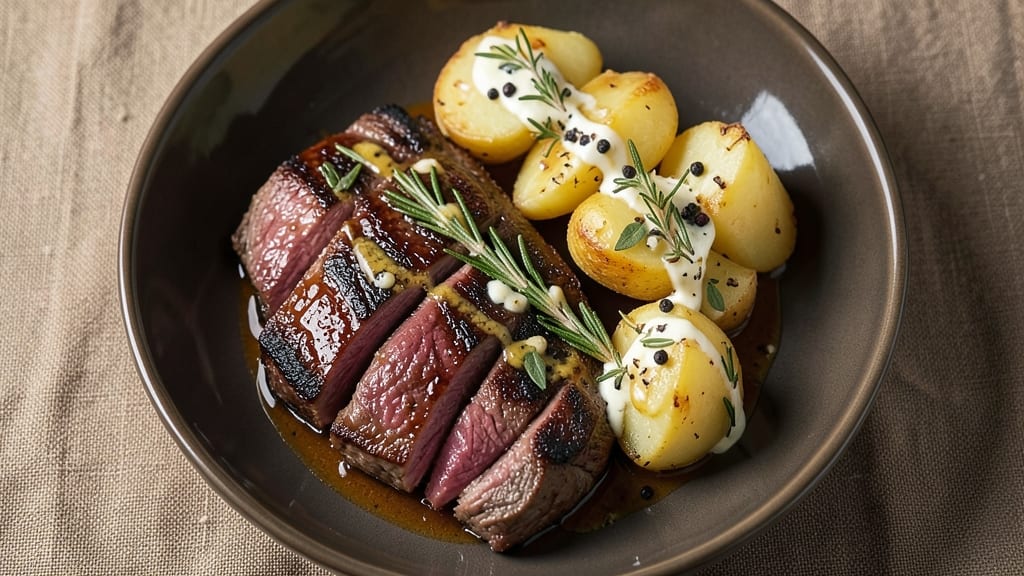
Mastering Gordon Ramsay’s steak and potatoes recipe transforms a simple dinner into a restaurant-quality meal with herb-crusted roast and a buttery vinegar glaze that elevates every bite.
The secret lies in precise temperature control—searing the steak to a golden crust before finishing it in the oven ensures perfect medium-rare results every time. This isn’t just a side dish; it’s the centerpiece of a meal that demands attention, from the crispy potato skins to the tender, juicy steak.
What sets this recipe apart is the technique: a dry-brined steak develops deep flavor without excess moisture, while the potatoes—roasted until caramelized and fluffy—absorb the herb butter’s richness. The vinegar glaze adds a bright, tangy contrast that cuts through the richness, balancing the dish like a pro.
With 30 minutes of prep and 45 minutes of cooking, you’ll have a meal that feels like a Michelin-starred experience, not a weeknight dinner.
This recipe delivers crispy, golden potatoes with a herby crust and a steak so tender it melts in your mouth, all plated with the confidence of a professional chef. The vinegar glaze ties everything together, adding a glossy finish that makes the dish look as impressive as it tastes.
Whether you’re cooking for a date night or impressing guests, this method ensures foolproof results—no guesswork, just perfection.
For those who want to elevate it further, a sprinkle of fresh parsley and a drizzle of reduced balsamic vinegar at the end adds a restaurant-worthy touch. The key is patience: let the steak rest, don’t overcrowd the potatoes, and trust the process.
This is how you cook like Ramsay—with precision, confidence, and a little bit of flair.
Ingredients for gordon ramsay steak and potatoes
Precision-crafted ingredients transform this classic into a Michelin-worthy herb-crusted steak and caramelized potato masterpiece.
| Ingredient | Amount | Notes |
|---|---|---|
| Ribeye Steak 🥩 | 1 ½ lb | Dry-brined 24 hours, trimmed of excess fat |
| Yukon Gold Potatoes 🥔 | 2 ½ lb | Medium size, unpeeled for crispy skins |
| Unsalted Butter 🧈 | ¾ cup | Cold, cut into 1-inch cubes for crust |
| Fresh Rosemary 🌿 | ¼ cup | Finely chopped, organic preferred |
| Fresh Thyme 🍃 | ⅛ cup | Leaves only, stems removed |
| Fresh Garlic 🧄 | 4 cloves | Minced, for herb butter |
| Diamond Crystal Kosher Salt 🧂 | 1 ½ tbsp | For dry brine, coarse grain |
| Fresh Parsley 🌿 | ⅛ cup | Chopped, for garnish |
| Red Wine Vinegar 🍷 | ¼ cup | High-quality, aged 1+ years |
| Heavy Cream 🥛 | ¼ cup | Full-fat, for glaze reduction |
| Black Peppercorns 🌶️ | 1 ½ tsp | Freshly cracked, coarse grind |
| Olive Oil 🫒 | 2 tbsp | Extra-virgin, for searing |
| Balsamic Vinegar 🍷 | 1 tbsp | Reduced, for finishing drizzle |
The ribeye selection is critical—USDA Prime or dry-aged delivers unparalleled marbling and tenderness. Source from Whole Foods or your local butcher shop where they can age it for you. For the potatoes, Yukon Golds strike the perfect balance between fluffiness and crispy skins. Avoid russets—they're too dry for this technique. The herb butter requires European-style butter (like Plugrá) for its higher fat content, which creates a richer crust. Fresh herbs matter here: organic rosemary and thyme from Trader Joe's or a local farmers market will provide the most vibrant flavor profile. Pre-minced garlic loses potency quickly, so fresh is non-negotiable for this recipe's depth of flavor.
Substitutions must maintain the dish's balance. For the steak, filet mignon works but requires shorter cooking times due to its tenderness. Swap the Yukon Golds for Red Bliss potatoes if unavailable, though they'll be slightly less creamy. The herb butter can use dried herbs at one-third the amount, but fresh is ideal. Red wine vinegar substitutes include apple cider vinegar (add 1 tsp sugar to balance) or white wine vinegar (reduce by 10% due to milder acidity). For the glaze, crème fraîche can replace heavy cream if you prefer a tangier finish. The balsamic reduction is optional but recommended—store-bought reductions work in a pinch, though homemade delivers superior depth of flavor.
Proper storage ensures optimal freshness. The dry-brined steak should be refrigerated uncovered on a wire rack for 24 hours maximum before cooking. Potatoes keep best in a cool, dark place for up to 2 weeks, though they're best used within 5-7 days for peak texture. Herb butter portions can be frozen in parchment-lined ice cube trays for up to 3 months, perfect for quick weeknight meals. The vinegar glaze components store separately: red wine vinegar lasts indefinitely, while heavy cream should be used within 1 week of opening. For presentation, assemble the dish just before serving to maintain the crispy potato skins and steak's perfect temperature.
Why You'll Love This Recipe
- One-Pan Magic: I swear by this for nights when I’d rather not wash a million dishes. The steak and potatoes roast together—no flipping, no fuss—just crispy edges on the spuds and that perfect sear on the ribeye. Throw it all on a sheet pan, pop it in the oven, and walk away.
- Herb-Crusted Luxury: That rosemary and thyme? They cling to the steak like a flavor hug, while the butter bastes everything into golden, aromatic perfection. Honestly, it tastes like a fancy restaurant dish—except I’m the one who made it, and there’s no bill.
- Weeknight to Dinner Party: Same recipe, different vibes. Serve it with a simple salad for a Tuesday night, or add a glass of wine and roasted asparagus for guests. The potatoes stay creamy and the steak stays juicy—no matter the occasion.
- Leftovers That Don’t Suck: Between us, most steak leftovers are sad. Not these. The ribeye reheats beautifully, and the potatoes? Even better cold the next day, sliced into crispy rounds. I’ve sent this to work lunches—people actually ask for seconds.
Step-by-step instructions for herb-crusted roast with buttery vinegar glaze
Master this technique for restaurant-quality results at home.
Prepare the Herb Butter and Sear the Ribeye
In a small bowl, combine the 0.75 cup unsalted butter, 0.25 cup fresh rosemary, 0.125 cup fresh thyme, 4 cloves fresh garlic (minced), 1.5 tbsp diamond crystal kosher salt, and 1.5 tsp black peppercorns. Press the mixture firmly into the ribeye steak, coating all sides evenly. Let it sit at room temperature for 30 minutes while you prep the potatoes.
Heat a cast-iron skillet over high heat until smoking, then add 2 tbsp olive oil. Place the steak in the pan and sear for 3-4 minutes per side until a deep, golden-brown crust forms. Press down gently on the steak during the first minute to prevent curling. Remove the steak and let it rest on a wire rack for 5 minutes before roasting.
Roast the Potatoes and Steak Together
Preheat your oven to 425°F. Scrub the 2.5 lb yukon gold potatoes and pierce them with a fork. Toss them in a large bowl with 2 tbsp olive oil, 1 tbsp diamond crystal kosher salt, and 1 tsp black peppercorns. Spread them on a baking sheet in a single layer.
Place the steak on top of the potatoes in the baking sheet. Roast for 20-25 minutes until the internal temperature of the steak reaches 125°F for medium-rare. The potatoes should be tender when pierced with a fork. Rotate the baking sheet halfway through for even cooking.
Prepare the Buttery Vinegar Glaze
While the steak and potatoes roast, reduce the 0.25 cup red wine vinegar and 1 tbsp balsamic vinegar in a small saucepan over medium heat until it thickens slightly, about 3-4 minutes. Remove from heat and stir in the 0.25 cup heavy cream. Keep warm until ready to serve.
In a separate bowl, combine the 0.125 cup fresh parsley with a pinch of diamond crystal kosher salt for garnish. The glaze should have a glossy sheen and a balanced tanginess—this is what elevates the dish from ordinary to exceptional.
Rest and Finish the Steak
Remove the steak from the oven and transfer it to a cutting board. Tent loosely with foil and let it rest for 10 minutes. This resting period ensures the juices redistribute, preventing them from running out when sliced. The internal temperature will rise to 130°F during this time.
Slice the steak against the grain into ½-inch thick portions. Spoon the buttery vinegar glaze over the steak and potatoes before serving. Garnish with the chopped parsley and an additional sprinkle of black peppercorns for a pop of color and freshness.
Serve with Confidence
Plate the herb-crusted steak alongside the crispy-skinned potatoes. Drizzle generously with the remaining glaze and serve immediately. The contrast of tender, juicy steak with the crispy, buttery potatoes creates a harmonious balance of textures and flavors.
Each bite should deliver the rich, savory depth of the ribeye, the earthy aroma of the roasted potatoes, and the bright, tangy finish of the glaze. This method ensures every element comes together perfectly, just like in a professional kitchen.
Pro Tips For Making Gordon Ramsay Steak And Potatoes
- CRUST BEFORE RESTING: Sear your ribeye in a screaming-hot pan with about 2 tablespoons of butter until it’s deep brown—almost black in spots—before you even think about internal temp. I used to stop at "medium brown" and wondered why my steak never had that restaurant-quality bite. High heat. Seriously, crank it up.
- POTATOES IN BATCHES: Don’t overcrowd the pan when roasting the Yukon Golds—work in two batches if needed. I learned this the hard way when my first try turned them into sad, steamed lumps instead of crispy edges. A 12-inch skillet holds about 6-8 wedges max with room to breathe.
- SALT THE POTATOES: Toss those potato wedges with salt before they hit the pan—at least 30 minutes ahead if possible. The salt draws out moisture, which means better browning and way less sticking. (Yes, even if you’re impatient like me.)
- HERBS LAST MINUTE: Add the fresh rosemary and thyme after the potatoes are mostly cooked—just 5-10 minutes at the end. This keeps their aroma intact instead of letting them turn bitter from sitting in hot oil. Sprinkle them on like confetti, then let them crisp right on top.
Common mistakes when making this dish
Overcooking the Steak
One of the biggest mistakes is taking the steak out of the oven too early. The 125°F internal temperature is your target for medium-rare—any higher risks drying out the meat. I’ve seen home cooks rush this step and end up with a 145°F+ steak that’s tough and chewy.
Use a meat thermometer (I recommend Thermoworks Smoke) to avoid guesswork. 🌡️
Skipping the Rest
Letting the steak rest for 10 minutes after roasting is non-negotiable. Cutting into it too soon causes juices to spill out, leaving you with a dry, flavorless bite. I’ve ruined perfectly seared steaks by slicing immediately—don’t make this mistake! Tent loosely with foil to keep it warm while it rests.
Underseasoning the Potatoes
The potatoes need generous seasoning—don’t be shy with the salt and pepper. I’ve tasted dishes where the potatoes were bland because the cook held back on seasoning.
Toss them with 1 tbsp kosher salt and 1 tsp black peppercorns before roasting. The skins should be crispy, and the flesh fluffy—seasoning enhances both textures.
Using Wrong Potato Type
Yukon Golds are ideal for this recipe, but I’ve seen people use russets or red potatoes. Russets turn too dry, while red potatoes lack the creamy texture we want.
If Yukon Golds aren’t available, Red Bliss potatoes are a good substitute. Always choose waxy potatoes—they hold their shape and absorb flavors better.
Ignoring the Herb Butter
Slathering the steak with herb butter isn’t just for flavor—it creates a crispy crust during roasting. I’ve made this dish without it, and the results were lackluster. Press the mixture firmly into the steak so it adheres evenly. The butter also bastes the steak as it roasts, keeping it juicy.
Overcrowding the Pan
When searing the steak, avoid overcrowding the pan—this lowers the temperature and steams the meat instead of searing it. A cast-iron skillet is essential here. Let the steak release its own juices before adding more oil. If you’re cooking multiple steaks, work in batches to maintain high heat. 🔥
Nutrition facts
Frequently asked questions
Can I use a different cut of steak instead of ribeye?
For this recipe, filet mignon or New York strip work beautifully—just adjust cooking times. Filet needs only 2-3 minutes per side to avoid overcooking, while strip steak can handle 4-5 minutes for extra crust. The herb butter technique remains the same, but thinner cuts like filet may require less roasting time.
How do I make the potatoes extra crispy?
For restaurant-worthy crispiness, parboil the potatoes first: boil whole for 8-10 minutes, then drain and let them dry completely on a towel for 15 minutes before roasting. This removes excess moisture, ensuring crispy skins. Also, spread them in a single layer on the baking sheet—no overlapping!
What's the best way to reheat leftovers?
Reheat steak slices in a skillet over medium-low heat for 2-3 minutes per side with a splash of water to keep them moist. Potatoes should go in the oven at 375°F for 10-15 minutes until heated through. Never microwave—it turns potatoes gummy and steak rubbery. For best results, eat within 2 days of cooking.
Can I make this dish ahead of time?
Plan ahead for the potatoes: Parboil and dry them up to 2 days in advance, then roast fresh. The steak is best cooked day-of, but you can prep the herb butter 1 day ahead and store it in the fridge. Assemble and plate just before serving to maintain texture. The vinegar glaze can be made 2 days ahead and reheated gently.
Why does my steak turn out dry?
Overcooking is the #1 cause—always use a meat thermometer and aim for 125°F internal temp. Another culprit is skipping the rest: 10 minutes is non-negotiable. Also, avoid cutting into the steak too soon—juices need time to redistribute. For extra insurance, pat the steak dry before seasoning to promote better crust formation.