
Side Dishes
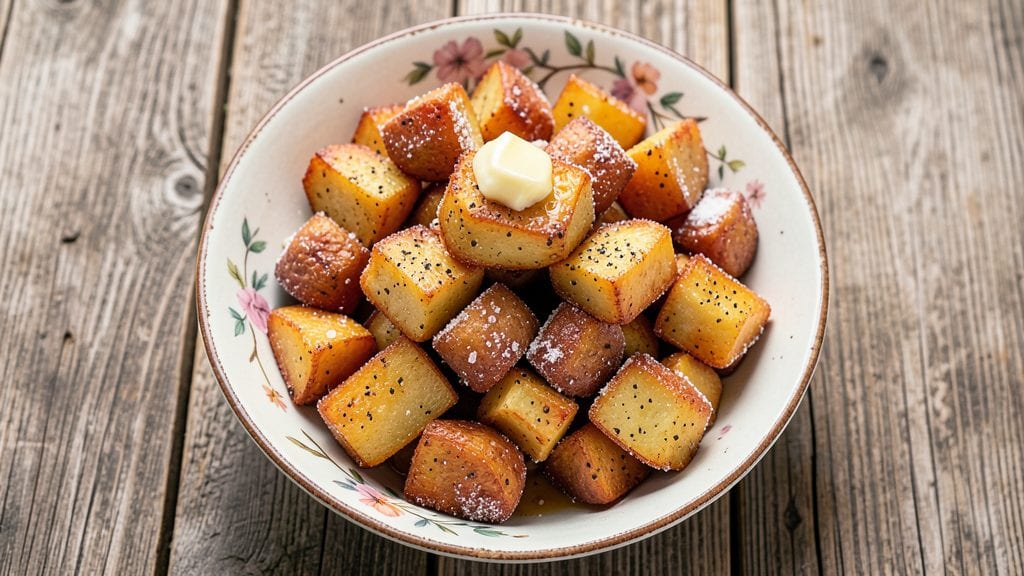
Grandma's fried potatoes recipe delivers the perfect balance of buttery crispy edges and soft centers that make every bite irresistible. The secret lies in a precise double-frying technique that transforms simple potatoes into golden, lacy layers—just like my grandmother used to make.
This method ensures restaurant-quality results without requiring special equipment, making it perfect for weeknight dinners or holiday sides.
What sets these potatoes apart is the two-step frying process, where potatoes cook gently first to develop a tender interior before getting a final crisp in hot oil. The right oil temperature and proper seasoning with salt and pepper at the right moments create that signature texture and flavor.
Whether you're deep-frying or using an air fryer, the principles remain the same for foolproof results.
Imagine golden-brown potatoes with crisp edges that shatter at the slightest touch, revealing fluffy, warm centers that melt in your mouth. The buttery aroma alone will have everyone at the table asking for seconds.
This recipe preserves the traditional method while offering modern shortcuts for busy cooks—perfect for both classic family meals and casual gatherings.
Serve these potatoes alongside burgers, steaks, or as a standalone side with a dollop of sour cream or gravy. The versatility of this recipe makes it a staple in any kitchen, delivering comfort food perfection with minimal effort. Let's get started on creating your own batch of Grandma-approved fried potatoes.
Ingredients for grandma's fried potatoes
Eight simple ingredients transform into golden, lacy potatoes with crispy edges and fluffy centers.
| Ingredient | Amount | Notes |
|---|---|---|
| Russet Potatoes 🥔 | 2 ½ lb | Cut into 1-inch chunks, peeled |
| Unsalted Butter 🧈 | ½ cup | Cold, cut into 1-inch pieces |
| Vegetable Oil 🫒 | 2 cups | High smoke point, like canola |
| Diamond Crystal Kosher Salt 🧂 | 1 tbsp | Coarse grain for even coating |
| Freshly Ground Black Pepper 🌶️ | ½ tsp | Freshly cracked for maximum flavor |
| All-Purpose Flour 🌾 | ¼ cup | For dredging potato chunks |
| Garlic Powder 🧄 | 1 tsp | For subtle aromatic depth |
| Onion Powder 🧅 | 1 tsp | Enhances savory profile |
| Paprika 🌶️ | ½ tsp | Smoked for extra character |
| Fresh Parsley 🌿 | ⅛ cup | Chopped, for garnish |
Russet potatoes are non-negotiable here—their high starch content creates that signature crispy texture. Buy them fresh from a local farm stand or the produce section at Whole Foods for the best results. The chunks should be uniform (about 1 inch) so they cook evenly. For extra insurance, soak them in cold water for 30 minutes before cooking to remove excess starch. That's the secret to the crispy edges Grandma swore by. The butter? Use European-style unsalted—it has a higher fat content that gives those lacy layers their buttery richness. Don't skip the cold butter pieces; they melt into the potatoes during frying, creating that irresistible aroma.
No vegetable oil? Peanut or avocado oil works just as well—both have high smoke points for perfect frying. Running out of kosher salt? Sea salt at a 1:1 ratio, but taste as you go since brands vary. The flour is for dredging, but if you're gluten-free, cornstarch works perfectly. For a shortcut, skip the double-fry and just do one hot bath in the oil—though purists will argue it's not the same. The spices are optional but add layers of flavor; Trader Joe's has great pre-mixed seasoning blends if you're in a hurry. And if you're using an air fryer, cut the oil in half and double-fry at 350°F for 10 minutes each time.
These potatoes reheat beautifully—just pop them in a 375°F oven for 5-7 minutes until crispy again. Store leftovers in an airtight container for up to 3 days, but honestly, they disappear faster than that. For a restaurant-worthy presentation, sprinkle with fresh parsley right before serving. The key to keeping them crispy? Reheat in the oven or air fryer—microwaving turns them soggy. Make a double batch and freeze half for lazy weeknights; they thaw perfectly in the fridge overnight.
Why You'll Love This Recipe
- Same recipe, different vibes: toss them with eggs for breakfast, serve alongside steak for a fancy meal, or pack them cold for lunch. I’ve even reheated them straight from the fridge—still solid.
- No-Fuss Prep: I swear by cutting the Russets into even chunks—no peeling, no fuss—then letting them soak in cold water for 20 minutes. That’s it. No fancy knife skills, no stress.
- Golden Crisp Magic: Between the hot oil and that butter bath at the end, these get ridiculously crispy outside while staying tender inside. Honestly, the first bite makes me pause mid-bite like, “Wait, is this really just potatoes?”
- Weeknight or Dinner Party: Same recipe, different vibes: toss them with eggs for breakfast, serve alongside steak for a fancy meal, or pack them cold for lunch. I’ve even reheated them straight from the fridge—still solid.
Step-by-step instructions for Grandma's fried potatoes
Here's how to create those legendary crispy layers with tender centers—just like Grandma used to make.
Prepare the Potatoes for Maximum Crispiness
Peel the 2.5 lb russet potatoes and cut them into 1-inch chunks—uniform size ensures even cooking. Place them in a large bowl and cover with cold water. Soak for 30 minutes, then drain and rinse thoroughly. This removes excess starch that would make them gummy instead of crispy. Pat them completely dry with paper towels, then toss with 1 tablespoon diamond crystal kosher salt and 0.5 teaspoon freshly ground black pepper. The salt will penetrate the potatoes while they soak, creating flavor in every bite.
Transfer the dried potatoes to a large bowl where you'll prepare the dredge. Here's the key: don't skip the drying step. Any moisture left on the potatoes will steam them instead of frying them to golden perfection. I like to work in batches if needed—just make sure they're completely dry before moving to the next step.
Create the Perfect Seasoned Flour Coating
In a separate bowl, whisk together 0.25 cup all-purpose flour, 1 teaspoon garlic powder, 1 teaspoon onion powder, and 0.5 teaspoon paprika. The paprika adds that beautiful golden color and subtle smokiness Grandma's version always had. Toss the dried potatoes in this mixture until they're evenly coated—press gently to ensure the seasoning sticks to every surface. The flour creates that crispy crust we're after, while the spices infuse flavor throughout.
Let the coated potatoes rest for 10 minutes while you prepare your frying station. This resting time allows the flour to adhere better and prevents the potatoes from absorbing too much oil during frying. Don't skip this step—it makes all the difference in achieving that perfect texture.
Fry in Stages for Perfect Doneness
Heat 2 cups vegetable oil in a large, heavy skillet over medium heat until it reaches 350°F—this is crucial for even cooking without burning. Test the oil by dropping in a small piece of potato; it should sizzle gently and float to the surface. Working in batches (don't overcrowd the pan), carefully add the potatoes and fry for 4-5 minutes per side until they're golden brown and crispy on the outside but still tender inside.
Here's the secret to Grandma's method: don't fry them all at once. Overcrowding lowers the oil temperature and steams the potatoes instead of frying them. You want that beautiful golden crust that shatters when you bite into it. When the first batch is done, transfer them to a paper towel-lined plate to drain excess oil while you fry the remaining batches.
Finish with Buttery Crispy Layers
Once all potatoes are fried to golden perfection, return them to the skillet (now off the heat) and add the 0.5 cup cold, cubed unsalted butter. Toss gently to coat the potatoes with the melted butter while they're still hot—this creates those irresistible buttery layers between the crispy exterior and tender interior. The residual heat from the potatoes will melt the butter perfectly without burning it.
Transfer the buttery potatoes to a serving platter and sprinkle with 0.125 cup chopped fresh parsley. The parsley adds a fresh contrast to the rich, crispy potatoes and makes them look as good as they taste. Serve immediately while they're still crispy—these potatoes won't wait! The buttery coating will continue to melt slightly as they cool, creating that perfect balance of textures in every bite.
Pro Tips For Making Grandma'S Fried Potatoes
- USE COLD POTATOES: I learned this the hard way—warm or room-temperature potatoes steam in the oil instead of frying. Cut them into even ½-inch sticks, then soak in ice water for 20 minutes before draining. The starch washes off, and you’ll get that perfect golden crust without greasy mess.
- SALT THE POTATOES FIRST: Toss the drained potato sticks with 1 teaspoon of kosher salt before frying. This seasons the interior while they cook, not just the outside. (Yes, even if you’re adding butter later—trust me, it matters.)
- START HOT, THEN LOW: Crank the oil to 375°F for the first batch—high enough to sear without burning. Once golden, lower to 325°F and cook until fork-tender. Rushing the heat gives you burnt edges and raw centers. I know, I know, but trust the process.
- DON’T SKIP THE REST: After frying, pile them onto a paper towel-lined plate and let them sit for 5 minutes. This lets steam escape, so the butter absorbs instead of making them soggy. (Your future self will thank you.)
Common mistakes when making this dish
Overcrowding the Pan
This is the #1 mistake that turns crispy potatoes into greasy, soggy lumps. When you overcrowd the pan, the oil temperature drops dramatically, causing the potatoes to steam instead of fry properly. I've seen home cooks try to rush by filling the skillet to capacity—big mistake.
The ideal batch size is about half the pan's capacity, leaving room for the potatoes to move freely. If you're frying a large batch, work in 2-3 batches rather than risking a watery mess. 🌡️
Skipping the Soak
Many recipes call for soaking potatoes before frying, but some cooks skip this step to save time. That's a huge error—the soak removes surface starch that would make your potatoes gummy instead of crispy.
I always soak my 1-inch potato chunks for 30 minutes in cold water, then pat them completely dry with paper towels. If you're in a hurry, at least rinse them thoroughly under cold water to remove some starch. The difference in texture is night and day.
Incorrect Oil Temperature
Using oil that's too hot or too cool will ruin your potatoes. Too hot, and they'll burn on the outside before cooking through. Too cool, and they'll absorb oil like a sponge, becoming greasy.
The perfect temperature is 350°F for the first fry and 375°F for the final crisp (if doing double-fry). I use a thermometer—don't guess! If you don't have one, test with a small potato chunk: it should sizzle gently and float to the surface. Adjust heat as needed.
Not Drying Potatoes Thoroughly
Even after soaking, potatoes need to be bone-dry before hitting the oil. Any moisture left on the surface will cause steaming instead of frying, leading to limp, greasy results. I double-check by pressing a paper towel against the potatoes—if it comes away damp, they need more drying time.
Pro tip: Use a clean kitchen towel or salad spinner for faster drying than paper towels. This extra step is what separates good fried potatoes from great ones.
Adding Butter Too Early
The butter should only be added in the very last step when the potatoes are already perfectly fried. Adding it earlier can cause the butter to burn or create a greasy coating.
I wait until the potatoes are golden and crispy, then turn off the heat before adding the cold cubed butter. The residual heat melts the butter just enough to coat the potatoes without burning.
This creates those beautiful buttery layers between the crispy exterior and tender interior that make these potatoes legendary.
Using the Wrong Potato Type
Russet potatoes are non-negotiable for this recipe—they contain the right starch-to-moisture ratio for perfect crispiness. Substituting waxy potatoes like Yukon Golds will give you a dense, mealy texture instead of the lacy, crispy layers we're after.
If you absolutely must use another type, soak them for 45 minutes instead of 30 to remove more starch. I've tried this with sweet potatoes, and while they work, they lack the classic potato flavor and texture that make this recipe special. Stick with Russets for authentic results. 🥔
Nutrition facts
Frequently asked questions
Can I make these potatoes ahead of time?
Cook them up to 2 days ahead and store in an airtight container at room temperature. For best texture, reheat in a 375°F oven for 5-7 minutes until crispy again. If storing longer, freeze portions for up to 3 months—thaw overnight in the fridge before reheating. The secret is keeping them dry in storage to maintain crispness.
What's the best oil for frying?
Use a high-smoke-point oil like vegetable, canola, or peanut oil—they stay stable at frying temperatures. Avoid olive oil (too low smoke point) or butter (burns easily). For extra flavor, some cooks use half oil and half melted lard, but vegetable oil gives consistent results. Always heat oil to 350°F for perfect doneness.
Why do my potatoes turn out greasy?
Greasy potatoes usually mean one of two things: oil temperature was too low (causing excess absorption) or potatoes weren't dried thoroughly before frying. Always pat potatoes completely dry with paper towels after soaking, and maintain proper oil temperature (350°F). Work in small batches to prevent overcrowding, which lowers oil temperature.
Can I use an air fryer instead?
Yes! Preheat air fryer to 350°F and cook in batches for 10-12 minutes, shaking halfway. Lightly spray with oil and use the same seasoned flour coating. For extra crispiness, do a second round at 375°F for 5 minutes. Air frying reduces oil but requires more attention to avoid uneven cooking.
What's the double-fry method?
The double-fry creates the signature crispy layers: first fry at 325°F for 5 minutes to cook through, then increase to 375°F for 2-3 minutes to crisp. This two-stage process ensures tender centers with ultra-crispy exteriors. Traditional deep-fryers can do both steps in one pot, while stovetop cooks may need to adjust heat between fries.