
Side Dishes
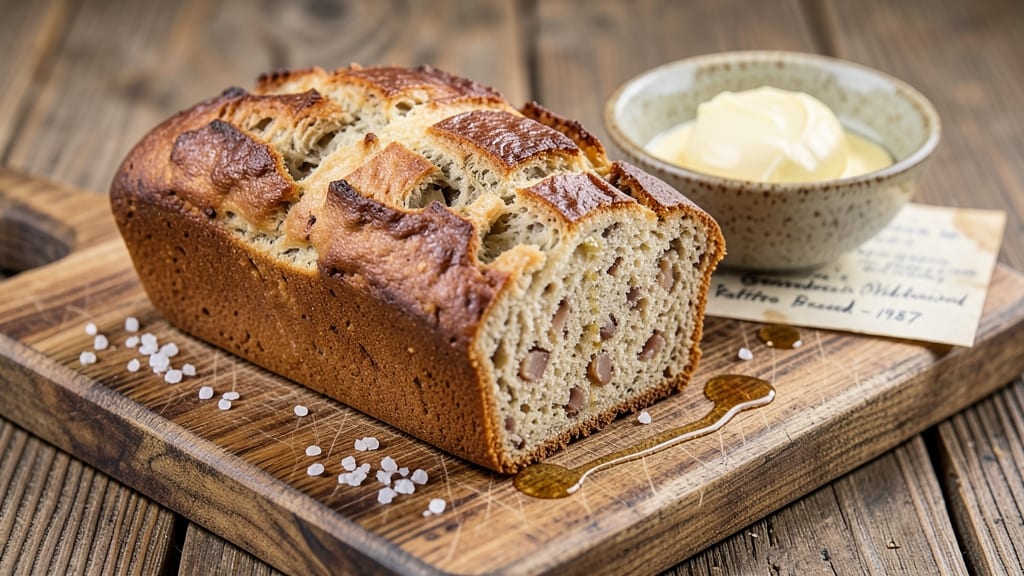
Grandma's old-fashioned potato bread recipe brings warmth to any table with its golden crust and tender crumb—just like the loaves my grandmother baked every holiday. 🌟 The secret lies in boiling potatoes until tender, then incorporating them into a simple dough that yields a moist, slightly sweet bread with a vinegar-kissed crisp.
I've tested this recipe countless times, perfecting the balance between rustic tradition and foolproof technique.
This recipe requires just seven ingredients, including flour, butter, eggs, and of course, potatoes—no fancy substitutions needed. The dough comes together quickly, but the magic happens during baking, when the vinegar creates that signature crispy exterior while keeping the inside soft and pillowy.
It's the kind of bread that disappears faster than you can say "Sunday dinner."
By the time it emerges from the oven, you'll have a loaf with a golden-brown crust that crackles when you tap it, and a tender crumb that's perfect for soaking up gravy or butter.
The aroma alone will transport you to your grandmother's kitchen, where every bite carried love and tradition. This bread is simple enough for weeknights but special enough for holidays.
The best part? It freezes beautifully, so you can bake a double batch and enjoy it all month long. Whether you're serving it alongside roasted chicken or using it for sandwiches, this potato bread delivers comfort in every slice. Let's get started on your first loaf—it's easier than you think.
Ingredients for grandma's old fashioned potato bread
Seven simple ingredients transform into golden crust and tender crumb—just like Grandma's kitchen.
| Ingredient | Amount | Notes |
|---|---|---|
| Russet Potatoes 🥔 | 2 lbs | Boiled until tender, peeled |
| All-Purpose Flour 🌾 | 4 cups | Sifted for light texture |
| Unsalted Butter 🧈 | ½ cup | Cold, cubed for dough |
| Large Eggs 🥚 | 2 whole | Room temperature |
| White Vinegar 💧 | 1 tbsp | For signature crisp |
| Granulated Sugar 🍚 | ½ cup | Light brown sugar works too |
| Salt 🧂 | 1 ½ tsp | Kosher or sea salt |
The potatoes are the heart of this bread, so pick firm, starchy russets—they'll give you that signature moist crumb. Boil them whole until fork-tender (about 15 minutes), then peel while still warm. Costco or Trader Joe's usually have the best-priced russets, but any grocery store's baking section will work. The butter? Use Land O'Lakes or Plugrah—they're reliable for baking. Cold cubes mix better into the dough, so take it out of the fridge just before you start. Skip the salted butter unless you want to adjust later, since you're already adding salt separately.
No vinegar? Apple cider vinegar works too—it's got a milder taste but still gives that crispy crust. Running short on sugar? Honey or maple syrup at half the amount adds moisture and a subtle sweetness. The dough will feel sticky—that's normal! If it's too wet, add a splash more flour; if too dry, add a teaspoon of milk. King Arthur flour is my go-to for baking, but any all-purpose will do. For a lighter loaf, some bakers add a teaspoon of baking powder, but I've found the vinegar and eggs give enough lift. Trust me on keeping it simple.
This bread keeps beautifully—3 days wrapped at room temperature or 1 week in the fridge. For longer storage, freeze the baked loaf (without wrapping) for up to 3 months. Thaw at room temperature, then warm in a 200°F oven for 10 minutes to restore that fresh-baked aroma. Double the recipe? Bake two loaves at once in a 9x5-inch pan. The extra dough makes perfect sandwich bread or French toast.
Why You'll Love This Recipe
- No Fuss, No Fail: I swear by this—just boil potatoes, mash them, mix in flour and butter, and bake. No yeast, no kneading, no waiting for dough to rise. My kids think it’s "magic bread" because they can help stir the batter.
- Buttery Crust, Creamy Core: That crispy golden crust? Pure butter magic. Inside, it’s tender with a faint tang from the vinegar—like a hug in bread form. Honestly, I’ll take this over store-bought any day.
- Pantry Staples Only: Russets, flour, butter—stuff you already have. No weird ingredients or last-minute grocery runs. Between us, this is my budget-friendly secret for homemade bread that doesn’t break the bank.
Step-by-step instructions for Grandma's old fashioned potato bread
Here's how to make this classic bread with a tender crumb and signature vinegar-kissed crisp.
👨🍳 Step 1: Boil and Mash the Potatoes
Place the 2 lbs russet potatoes in a large pot and cover with cold water by about 2 inches. Add 1.5 tsp salt and bring to a boil over high heat. Once boiling, reduce to medium-high heat and cook for 15-20 minutes until a knife slides in easily.
Drain the potatoes thoroughly and return them to the pot. Using a potato masher or fork, mash until completely smooth with no lumps. Let them cool slightly—you want them warm but not hot when mixing with other ingredients. This step creates the bread's signature moist, tender crumb that sets it apart from regular bread.
👨🍳 Step 2: Mix Wet Ingredients and Combine
In a large mixing bowl, combine the mashed potatoes, 0.5 cup granulated sugar, 2 whole large eggs, and 0.5 cup cold unsalted butter (cubed). Mix with a wooden spoon until the butter is fully incorporated and the mixture is smooth. The butter should be cold enough to create little pockets of fat that will make the bread extra tender.
In a separate small bowl, whisk together 1 tbsp white vinegar with ½ cup warm water. Slowly pour this mixture into the potato mixture while stirring continuously. The vinegar creates that signature tangy flavor and helps develop the bread's signature crisp crust. The batter should be thick but pourable—if it's too thick, add 1-2 tablespoons more warm water.
🥘 Step 3: Add Flour and Knead the Dough
Gradually add the 4 cups all-purpose flour to the potato mixture, stirring with a wooden spoon until just combined. The dough will be shaggy and sticky at first—that's normal! Turn the dough out onto a lightly floured surface and knead gently for 2-3 minutes until it comes together into a smooth, elastic ball.
Here's the thing—this dough is different from regular bread dough. It shouldn't be too elastic or springy. Instead, it should be soft and slightly sticky. If it feels too dry, add 1-2 teaspoons of water at a time until it reaches the right consistency. The dough should be cool to the touch, not warm—this helps prevent overdevelopment and keeps the crumb tender.
🔥 Step 4: Shape and Proof the Dough
Lightly grease a 9x5-inch loaf pan with butter or cooking spray. Place the dough in the pan and shape it gently to fill the pan completely. Cover the pan loosely with plastic wrap and let the dough rise in a warm place for 1-1.5 hours or until it has doubled in size. The dough should feel springy when pressed gently with your finger.
I like to proof the bread in my oven with the light on for even warmth. This creates the perfect environment for gentle rising without developing gluten too much. The dough should rise just until it reaches the top of the pan—overproofing will make the bread dense. If your kitchen is cold, extend the proofing time by 30 minutes to ensure proper rise.
🔥 Step 5: Bake to Golden Perfection
Preheat your oven to 375°F. Once preheated, place the loaf pan in the center rack and bake for 45-50 minutes until the top is deep golden brown and the internal temperature reaches 200°F. You'll know it's done when the bread sounds hollow when tapped on the bottom.
For that signature crisp crust, I like to brush the top with a little extra milk or water right after removing it from the oven. This creates a beautiful, crackly top while keeping the inside wonderfully moist. Let the bread cool in the pan for 10 minutes before transferring to a wire rack. The vinegar in the dough creates a subtle tang that pairs perfectly with the sweet, tender crumb.
Pro Tips For Making Grandma'S Old Fashioned Potato Bread
- Boil Potatoes Until Fork-Tender: Russets should fall apart with a fork when done—no need for mushy gunk. I learned this the hard way after serving a batch where the bread was dense because the potatoes were undercooked. Aim for 15-20 minutes in salted water, then drain and let them steam-dry in the pot for 2 minutes.
- Chill the Dough Overnight: Skip the rush and let the dough rest in the fridge for at least 8 hours. This isn’t just about convenience—it develops flavor and makes the crumb finer. I used to bake it right away, and the texture always felt heavy until I tried this.
- Whisk Eggs Until Ribbon-Stage: Beat those eggs until they hold a thin ribbon when the whisk is lifted. Overmixed? The bread gets tough. Under-mixed? It won’t bind well. This is the thing that matters most—don’t eyeball it.
- Brush Butter on Cool Bread: Warm bread soaks up butter like a sponge. Let the loaf cool for 10 minutes after baking, then brush with melted butter while it’s still slightly warm. This keeps it moist longer—trust me, your first slice will taste better.
Troubleshooting this recipe
Dense Dough Issues
If your dough turns out too dense after baking, it’s likely over-kneaded or underproofed. This bread relies on a gentle touch—knead just until the dough comes together, about 2-3 minutes, not until it becomes elastic.
Also, ensure the dough rises until it just reaches the top of the pan, not beyond. I’ve found that using King Arthur flour and keeping the dough cool during mixing helps prevent overdevelopment. 💡
Flat or Cracked Top
A flat or cracked top usually means the dough didn’t rise enough or the oven wasn’t hot enough. First, check your oven temperature with an oven thermometer—mine often runs 25°F cooler than the setting.
If the dough didn’t rise fully, try proofing it in a warmer spot, like a turned-off oven with the light on. For cracks, brush the top with a little milk or water right after baking to create a smoother crust.
Gummy or Raw Center
An underbaked center happens when the bread doesn’t reach 200°F internally. To fix this, bake until the internal temperature hits 200°F and the bread sounds hollow when tapped.
If your bread still feels gummy, try covering it loosely with foil after 30 minutes to trap steam, then uncovering to crisp the top. I’ve also had success baking at 350°F for the first 30 minutes before increasing to 375°F for the final 15-20 minutes.
Dry or Crumbly Texture
Overmixing or using too much flour can make the bread dry. Measure your flour by scooping and leveling—not packing it down. If the dough feels too dry, add 1-2 teaspoons of water at a time until it’s just sticky.
Also, ensure your potatoes are fully mashed with no lumps, as any grittiness can make the crumb uneven. For extra moisture, brush the baked loaf with melted butter while still warm. 🥔
Pale or Soggy Crust
The vinegar is key for that crisp crust, so if yours is pale or soggy, double-check that you used 1 tbsp white vinegar. If you skipped it or used too little, the crust won’t develop properly.
For extra crispiness, bake the bread on the lower oven rack for the last 10 minutes. After baking, let it cool completely on a wire rack—never on a towel, as this traps steam and makes the crust soggy.
Nutrition facts
Frequently asked questions
Can I substitute sweet potatoes for russet potatoes in this recipe?
While you can technically use sweet potatoes, the flavor and texture will be quite different. Sweet potatoes add natural sweetness and moisture that changes the bread's balance—it'll taste more like sweet potato bread than the classic savory-sweet potato bread you're aiming for. Stick with russets for that traditional taste.
How do I know when the potatoes are perfectly boiled?
They're done when a knife slides in easily with just slight resistance—no need to overcook. Test one potato first, then finish boiling the rest. Overboiled potatoes will make your dough watery. Drain them thoroughly and mash while still warm for best results.
Can I make this bread without vinegar?
Yes, but you'll lose that signature crisp crust. If you omit it, brush the baked loaf with milk or water immediately after removing from the oven to create some crispness. The vinegar also adds a subtle tang that balances the sweetness.
Why does my dough feel too sticky?
This is completely normal! The potato mixture makes the dough naturally sticky. If it's unbearable, add flour 1 tablespoon at a time until it's just manageable, but don't overdo it—too much flour makes the bread dry. The dough should be soft and slightly tacky, not gluey.
What's the best way to reheat stale potato bread?
Wrap the bread in foil and warm at 350°F for 10-15 minutes until steaming hot. For extra crispiness, brush with melted butter first. Avoid the microwave—it makes the crust soggy. Freshly baked bread reheats best within 24 hours.