
Side Dishes
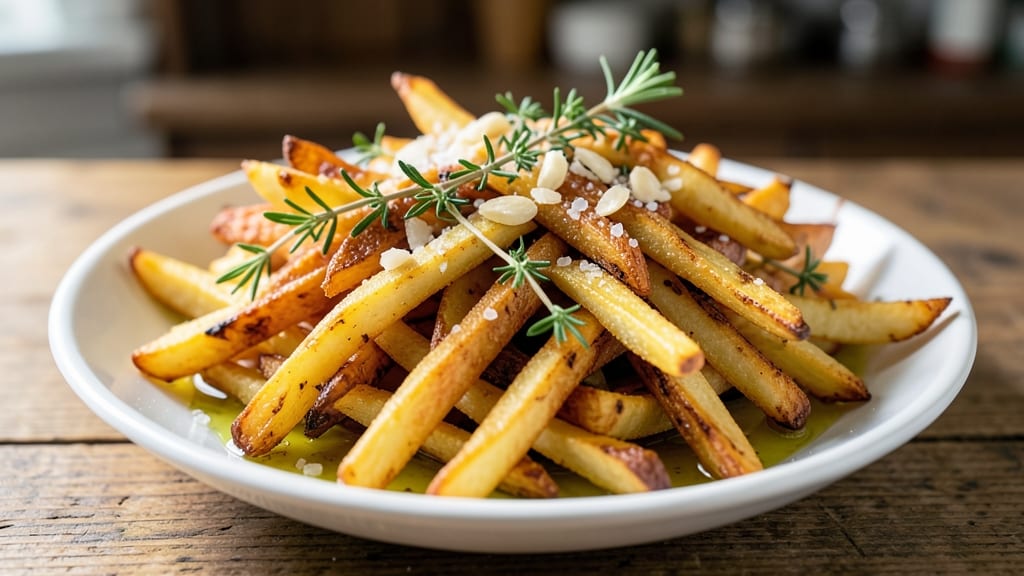
Creating perfectly julienne potatoes with herb-infused flavor and caramelized edges transforms a simple side dish into a showstopper. This technique requires precision in cutting and roasting to achieve tender interiors and crisp exteriors—something I perfected after years of trial and error in professional kitchens.
The key lies in uniform cuts and high-heat roasting, ensuring every bite delivers that satisfying contrast of textures and aromas.
This recipe delivers restaurant-quality results with just five core ingredients—potatoes, olive oil, fresh herbs, garlic, and salt—plus optional additions like lemon zest or smoked paprika for depth. The herb infusion happens during roasting, allowing flavors to meld naturally without overpowering the delicate potato taste.
What sets this method apart is the caramelization technique, which creates those coveted golden-brown edges while keeping the centers tender and fluffy.
By the time these julienne potatoes emerge from the oven, they’ll be perfectly golden and crisp at the edges while remaining tender inside, with an aromatic herb profile that elevates any main dish.
The uniform cuts ensure even cooking, and the caramelized edges add a touch of sophistication that makes this dish feel like a gourmet creation. Whether serving alongside steak, fish, or as a vegetarian main, this recipe delivers professional-level results in under an hour.
For added versatility, these potatoes can be prepped ahead and reheated for gatherings or meal prep. The herb blend can also be customized—try rosemary for a classic touch or thyme for a brighter profile.
The method scales easily, making it ideal for both intimate dinners and larger gatherings. Let’s dive into the precise steps that guarantee perfect julienne potatoes every time.
Ingredients for julienne potatoes
Five core ingredients elevate humble potatoes to restaurant-worthy perfection through precise technique and herb infusion.
| Ingredient | Amount | Notes |
|---|---|---|
| Russet Potatoes 🥔 | 2 lb | Uniform size, peeled and cut into 1/8-inch sticks |
| Extra-Virgin Olive Oil 🫒 | ¼ cup | Lightly fruity, high-quality for caramelization |
| Fresh Thyme Sprigs 🌿 | ¼ cup | Leaves only, finely chopped for infusion |
| Fresh Rosemary Sprigs 🌿 | ¼ cup | Finely chopped, aromatic intensity |
| Garlic Cloves 🧄 | 4 cloves | Minced, for depth of flavor |
| Diamond Crystal Kosher Salt 🧂 | 1 ½ tsp | Fine grain, for even seasoning |
| Smoked Paprika 🌶️ | ½ tsp | Optional, for subtle smokiness |
| Lemon Zest 🍋 | 1 tsp | Brightens herb profile, optional |
| Black Peppercorns 🌶️ | ¼ tsp | Freshly cracked for aroma |
The russet potatoes are non-negotiable—their high starch content ensures crisp edges while maintaining tender centers. Look for uniform, firm potatoes with no sprouts or soft spots at Whole Foods or your local market's produce section. Peeled and cut into precise 1/8-inch sticks, they'll roast evenly. For the herb blend, fresh thyme and rosemary from the grocery store's refrigerated section deliver superior flavor compared to dried alternatives. If you're using dried herbs, reduce to one-third the amount and toast them briefly in a dry pan to intensify their aroma.
No smoked paprika? Substitute with a pinch of liquid smoke or omit entirely—it's purely for depth. Fresh herbs unavailable? Dried thyme and rosemary work at one-third the quantity, but they lack the bright, fresh quality. The garlic should be freshly minced just before roasting to preserve its volatile oils. For the olive oil, avoid heavily flavored varieties—stick to a mild, fruity extra-virgin to let the herbs shine. The lemon zest adds brightness but can be omitted if you prefer a more savory profile. Always use Diamond Crystal kosher salt for consistent seasoning—its larger crystals dissolve more evenly than table salt.
Pre-cut potatoes oxidize quickly, so toss them in cold water until ready to roast. Store any unused fresh herbs in damp paper towels wrapped in plastic for up to 5 days in the refrigerator. These potatoes reheat beautifully—4-5 minutes at 400°F on a baking sheet restores their crisp edges. For meal prep, portion into airtight containers with a sprinkle of salt to maintain texture. The herb-infused oil can be stored in the fridge for up to 2 weeks in a sealed jar.
Why You'll Love This Recipe
- One-Pan Magic: I swear by this recipe because it’s all on one sheet pan—no chopping boards to clean, no extra pots to wash. Just toss the julienned potatoes in olive oil, scatter the herbs and garlic, and let the oven do the work. That’s my kind of cooking.
- Herb-Packed Punch: The thyme and rosemary practically melt into the potatoes, but not so much that they disappear. You get that bright, earthy aroma with every bite—like a cozy hug from a French bistro. (And honestly, the garlic? It’s the star.)
- Weeknight to Dinner Party: Between us, these potatoes are my secret weapon for lazy nights and when I’m hosting. Serve them alongside grilled chicken for a simple weeknight meal, or pile them high on a charcuterie board for a fancy spread. Same recipe, two totally different vibes.
- Budget-Friendly Crisp: Russets are cheap, and this method turns them into something that tastes way more expensive. Plus, leftovers reheat like a dream—just toss them back in the oven for a few minutes, and they’re crispy again. Minimal effort, maximum flavor, zero guilt.
Step-by-step instructions for herb-infused roast julienne potatoes
Master this technique for perfectly caramelized, herb-infused julienne potatoes every time.
Prepare the Potato Sticks for Even Cooking
Begin by ensuring your 2 lb russet potatoes are uniformly cut into 1/8-inch thick sticks. I use a mandoline for precision, but a sharp chef's knife works well if you're careful. The goal is consistency—each stick should be the same thickness to ensure even cooking and caramelization. Pat them completely dry with paper towels to remove any excess moisture, which would otherwise steam the potatoes instead of browning them.
In a large bowl, combine the dried potato sticks with the 0.25 cup finely chopped fresh thyme sprigs, 0.25 cup finely chopped fresh rosemary sprigs, 4 cloves minced garlic, 1 tsp lemon zest, 1.5 tsp diamond crystal kosher salt, 0.5 tsp smoked paprika, and 0.25 tsp freshly cracked black peppercorns. Toss gently but thoroughly to ensure every stick is evenly coated with the aromatic herbs and seasonings. This step infuses the potatoes with maximum flavor while preventing clumping.
Create the Herb-Infused Oil Base
In a small bowl, whisk together the 0.25 cup extra-virgin olive oil with the remaining 1 tsp lemon zest and 0.25 tsp cracked black peppercorns. This creates a fragrant oil that will both coat the potatoes and contribute to their caramelization. The lemon zest adds brightness that cuts through the richness of the olive oil and herbs, while the peppercorns introduce subtle heat.
Pour this infused oil over the seasoned potato sticks and toss again until every piece is evenly coated. Let the mixture sit for 10 minutes at room temperature while you preheat your oven. This resting period allows the flavors to meld slightly, ensuring a more cohesive taste profile when you roast them. The oil should cling to the potatoes rather than pooling at the bottom of the bowl.
Roast for Maximum Caramelization and Texture
Preheat your oven to 425°F and position a rack in the middle position. Spread the marinated potato sticks in a single layer on two rimmed baking sheets, ensuring they don't overlap. Overcrowding will cause uneven cooking and steaming instead of crispy edges. Roast for 25 minutes, then carefully flip each stick using tongs to ensure even browning on all sides. Return to the oven and roast for an additional 20-25 minutes.
You'll know they're done when the edges are deep golden brown and the potatoes are tender when pierced with a fork. The internal temperature should reach 205°F—this ensures they're fully cooked without becoming mushy. The high heat and minimal oil create the perfect balance of crispy exterior and fluffy interior. If you prefer extra crispiness, broil for 2-3 minutes at the end, watching closely to prevent burning.
Rest and Serve for Optimal Texture
Transfer the roasted julienne potatoes to a serving platter and let them rest for 5 minutes before serving. This brief resting period allows the residual heat to distribute evenly, ensuring each bite has the perfect combination of crispy edges and tender centers. The herbs will have fully infused into the potatoes, creating a harmonious balance of earthy rosemary, floral thyme, and bright lemon zest.
Serve immediately while still warm, garnished with an additional sprinkle of freshly cracked black peppercorns and a drizzle of extra-virgin olive oil if desired. These potatoes pair beautifully with grilled meats, fish, or as a standalone vegetable side. The caramelized edges and herbaceous flavor make them a standout dish that elevates any meal.
Pro Tips For Making Julienne Potatoes
- Prep Potatoes Cold: Russets are stubborn when raw—chill them uncovered in the fridge for 30 minutes first. This evens out the starch, so your julienne fries crisp instead of turning gummy, especially when roasting with olive oil and herbs. (I learned this the hard way after a soggy batch in college.)
- Cut Uniform Sticks: Use a mandoline for even ¼-inch sticks, but if you’re doing it by hand, keep your knife sharp and cut lengthwise first, then crosswise—this prevents uneven cooking. Uneven pieces mean some burn while others stay raw. (Yes, it’s tedious, but the payoff is worth it.)
- Salt Before Roasting: Toss the julienne with 1 tsp salt before hitting the oven—it seasons the surface and draws out moisture so the oil clings better. Skip this, and your potatoes will taste bland and clump together. (I used to salt after, and the herbs just sat on top like decorative garnish.)
- Roast in Batches: Crowd the pan, and steam turns your crispy potatoes into sad, limp sticks. Use two sheet pans if needed—spread them in a single layer with space between pieces. The first batch will teach you the right crowding level for your oven. (Trust me, your future self will notice.)
Wine and beer pairings for this dish
White Wine Pairings
A crisp Sauvignon Blanc from New Zealand or Loire Valley is my go-to choice for these herb-infused potatoes. The bright acidity and citrus notes in the wine cut through the richness of the olive oil while complementing the fresh thyme and rosemary flavors.
Look for a bottle with 12-13% ABV—something like Kim Crawford Sauvignon Blanc or Oyster Bay Sauvignon Blanc from Marlborough. Serve it slightly chilled at 45-50°F to enhance its refreshing qualities. 🍷
Dry Rosé Options
For a slightly more versatile option, a dry Provençal rosé like Whispering Angel or Château d'Esclans works beautifully. The subtle floral notes in these wines mirror the herbal profile of the potatoes while adding a touch of elegance.
The 12.5% ABV in these rosés provides enough body to stand up to the caramelized edges without overpowering the delicate potato flavors. Serve at 50-55°F for optimal balance.
Light Beer Pairings
A Belgian witbier like Hoegaarden or Stella Artois offers a refreshing contrast to the rich, caramelized potatoes. The corianander and citrus notes in these beers cleanse your palate between bites, while the light effervescence helps cut through the oil's richness.
For a more robust option, try a German Helles Lager like Weihenstephaner Original—its malt-forward profile complements the potatoes' earthy herbs. Serve beers at 45-50°F for the best experience.
Sparkling Wine Elevation
If you want to elevate the dish to a special occasion, a dry sparkling wine like La Crema Brut or Freixenet Cordon Negro adds a luxurious touch. The fine bubbles and acidity enhance the crispy edges while the green apple and citrus notes provide a refreshing contrast.
The 11-12% ABV ensures it won't overwhelm the potatoes' delicate flavors. Serve well-chilled at 40-45°F to maintain its effervescence and crispness. 🥂
Red Wine Alternatives
For those who prefer red wine, a light-bodied Pinot Noir like Meiomi Pinot Noir or La Crema Sonoma Coast Pinot Noir offers a surprisingly good match. The red fruit notes and soft tannins won't clash with the potatoes' herbal profile.
Opt for a 13-14% ABV wine with 12-13% alcohol to ensure it remains approachable. Serve at 55-60°F to allow the wine's aromas to fully develop without overpowering the dish.
Non-Alcoholic Pairings
For a non-alcoholic option, a sparkling apple cider like Martinelli's Sparkling Apple Cider or a ginger beer like BrewDog Ginger Beer works wonderfully. The effervescence and citrus notes in these beverages mirror the brightness of the lemon zest in the potatoes, while the ginger's spice adds a subtle kick.
Serve the cider at 40-45°F and the ginger beer at 45-50°F for the best experience. 🍏
Nutrition facts
Frequently asked questions
What's the secret to getting perfectly crispy edges on julienne potatoes?
Uniform thickness and high heat are key! Cut all potato sticks to exactly 1/8-inch using a mandoline or sharp knife. Pat them completely dry before roasting at 425°F—moisture prevents proper browning. Spread them in a single layer without overlapping to ensure even air circulation.
Can I use sweet potatoes instead of russets?
Yes, but expect different results! Sweet potatoes have more moisture and natural sweetness, so reduce roasting time by 5-10 minutes and add 1/4 tsp cinnamon to complement their flavor. They won't get as crispy as russets but work beautifully for a sweeter side dish.
How do I store leftover julienne potatoes?
Store in an airtight container at room temperature for 2 days or refrigerate for 4 days. Reheat at 400°F for 4-5 minutes to restore crispiness. For longer storage, freeze for up to 2 months—just add 1 tsp extra oil when reheating.
What's the best herb substitute if I don't have thyme or rosemary?
Try 1 tbsp dried oregano or 1 tbsp fresh parsley for brightness. For a smoky flavor, use 1 tsp dried sage. The key is balancing earthy and bright notes—adjust to taste after roasting.
Why did my potatoes turn out mushy instead of crispy?
This usually happens from overcrowding or undercooking. Spread potatoes in a single layer and roast until internal temp reaches 205°F. For extra crispiness, broil for 2-3 minutes at the end—just watch closely to avoid burning!