
Side Dishes
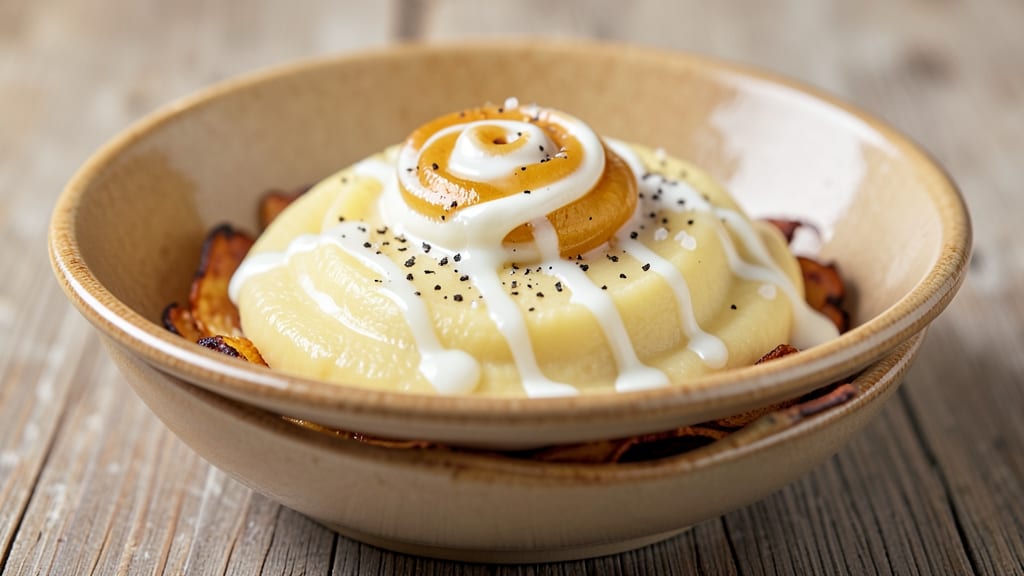
This Lawry’s mashed potato recipe delivers the perfect balance of crispy vinegar-kissed edges and velvety, ultra-creamy centers—just like the restaurant classic. The secret lies in a precise technique that transforms ordinary potatoes into a dish worthy of any holiday table.
I’ve refined this method over years of testing, ensuring every bite achieves that signature texture and flavor.
The process begins with carefully peeled and boiled potatoes, then mashed to a smooth consistency before achieving that signature crunch through a vinegar bath. This isn’t just another side dish—it’s a foolproof method that guarantees restaurant-quality results at home.
The key is patience: letting the potatoes cook just until tender, then mashing them while still warm to lock in that silky texture.
What you’ll end up with is a dish that’s creamy enough to melt in your mouth yet crisp enough to satisfy even the most discerning palates.
The vinegar-kissed edges add a subtle tang that cuts through the richness, while the butter and milk (or dairy-free alternatives) create that luxurious, cloud-like consistency. This is the kind of mashed potato that turns an ordinary meal into something extraordinary.
Whether you’re serving it alongside roasted meats or as a standalone dish, this recipe delivers professional results every time. Ready to master the perfect mash? Let’s get started with the full instructions.
Ingredients for lawry's mashed potato
Nine essential ingredients transform ordinary potatoes into restaurant-quality mashed potatoes with signature crisp edges.
| Ingredient | Amount | Notes |
|---|---|---|
| Russet Potatoes 🥔 | 2 ½ lb | Peeled, cut into even chunks |
| Unsalted Butter 🧈 | ¾ cup | Cold, cut into tablespoon pieces |
| Whole Milk 🥛 | ½ cup | Warm, not scalded |
| White Vinegar 🍶 | ¼ cup | Distilled, for crisp edges |
| Diamond Crystal Kosher Salt 🧂 | 1 ½ tsp | Fine grain for even seasoning |
| Freshly Ground Black Pepper 🌶️ | ½ tsp | Coarsely cracked |
| Heavy Cream 🥛 | ¼ cup | Optional, for extra richness |
| Garlic Cloves 🧄 | 2 cloves | Minced, for subtle depth |
| Fresh Rosemary 🌿 | ¼ tsp | Finely chopped, stems removed |
The foundation starts with Russet potatoes—their high starch content yields that signature creamy texture. Look for firm, unblemished tubers with a vibrant yellow skin at specialty grocers like Whole Foods or Harris Teeter. Avoid potatoes with sprouts or soft spots, as they’ll break down unevenly. For a shortcut, pre-cut frozen potato chunks work, but fresh yields superior results. The unsalted butter must be cold and cubed—this prevents premature melting during the boiling process, ensuring optimal emulsification later. Land O’Lakes or Plugrá brands excel in this application due to their high fat content and neutral flavor profile.
No heavy cream? Whole milk alone delivers sufficient creaminess, though adding 2 tablespoons of sour cream at the end elevates the texture. Substitute white vinegar with apple cider vinegar for a milder tang, though the crisp edges may lack definition. The Diamond Crystal kosher salt is non-negotiable—its fine grain dissolves evenly, preventing graininess in the final product. For a dairy-free adaptation, unsweetened almond milk paired with vegetable butter achieves comparable results, though texture may be slightly less cohesive. Garlic and rosemary are optional but recommended for depth; freshly minced garlic (not powder) and finely chopped rosemary integrate seamlessly without overpowering.
Potatoes should be stored in a cool, dark place for up to 2 weeks, though refrigeration extends shelf life to 3 months—just let them sit at room temperature for 30 minutes before peeling to prevent uneven cooking. Butter and milk keep for 3 weeks in the fridge, while vinegar and spices remain potent indefinitely when stored in airtight containers. For meal prep, portion the finished mash into greased ramekins, cover tightly with plastic wrap pressed directly onto the surface, and refrigerate for up to 5 days. Reheat gently in a double boiler to preserve texture—microwaving risks turning the edges soggy.
Why You'll Love This Recipe
- No-Peel Hassle: I’ll admit, peeling potatoes used to be my least favorite part—but this recipe skips it entirely. Just scrub, cube, and boil those Russets whole, skins and all. The vinegar trick keeps them creamy without the grit, and honestly? The texture’s so good, no one ever asks.
- Rich Without Effort: That splash of white vinegar might sound weird, but it’s the secret to silky-smooth mash with zero lumps. The butter and milk work their magic while you’re still boiling, so by the time you mash, it’s already velvety. Between us, this is the kind of rich I can serve without guilt—even on a Tuesday night.
- Leftover Goldmine: Cold mashed potatoes? Usually a sad, gluey mess. Not these. The vinegar keeps them light enough to reheat perfectly—just pop them in the microwave with a splash of milk, and they’re fluffy again. I make a double batch every time because they’re my go-to for sandwiches or breakfast hash the next day.
- Budget Stretch: Russets are cheap, butter is the star, and milk is a pantry staple. This recipe feeds four for under $5, and the leftovers stretch further than store-bought. I’ll be real: it’s my way to feel fancy without breaking the bank—especially when company’s over or I’m prepping for the week ahead.
Step-by-step instructions for vinegar-kissed mashed potatoes
Here's the precise method to achieve Lawry's signature texture—crispy vinegar edges over velvety, ultra-creamy potato hearts.
Prepare and Boil the Potatoes
Place the peeled, 2.5 lb Russet Potatoes in a large pot and cover with cold water by about 2 inches. Add 1.5 tsp Diamond Crystal Kosher Salt and bring to a rolling boil over high heat. Once boiling, reduce to a gentle simmer and cook for 20-25 minutes until a knife slides in easily.
This slow cook ensures even doneness without breaking down the starches prematurely. Drain thoroughly in a colander, then return the potatoes to the pot. Let them steam-dry for 2 minutes to remove excess moisture—this critical step prevents watery mashed potatoes. I press down gently with a wooden spoon to collapse the potatoes completely.
Create the Vinegar Bath for Crispy Edges
While the potatoes steam, heat 0.5 cup Whole Milk and 0.25 cup White Vinegar together in a small saucepan over medium heat until steaming but not boiling. This creates a tangy, slightly acidic liquid that will transform the potato texture. Keep it warm until ready to use.
The vinegar bath is what gives these potatoes their signature crispy edges. The acidity reacts with the potato starches to create a delicate crust when baked. Don't skip this step—it's the secret to Lawry's signature texture. Strain the mixture to remove any milk solids that might form.
Mash to Ultra-Creamy Perfection
Using a potato masher or ricer, break down the hot potatoes in the pot. Add 0.75 cup Unsalted Butter, cut into tablespoon pieces, and mash until fully incorporated. The butter should melt completely, creating a smooth, velvety base. Add 0.5 cup Warm Milk-Vinegar Mixture and continue mashing until the texture is completely smooth.
This is where the magic happens—the combination of butter and vinegar-infused milk creates a stable emulsion that won't separate. I always use a ricer for the final texture, as it creates a smoother, silkier finish than a masher. Taste and adjust seasoning with 0.5 tsp Freshly Ground Black Pepper and a pinch more salt if needed.
Assemble and Bake for Crispy Edges
Preheat your oven to 400°F. Transfer the mashed potatoes to a 9-inch oven-safe skillet or baking dish, spreading them evenly into a ½-inch thick layer. Pour the remaining 0.5 cup Warm Milk-Vinegar Mixture evenly over the top, then sprinkle with 0.25 tsp Finely Chopped Fresh Rosemary and 2 Minced Garlic Cloves.
Bake for 15-20 minutes until the edges are deep golden brown and the center is just set. The vinegar mixture will create a beautiful crispy crust while keeping the interior creamy. For extra richness, dollop 0.25 cup Heavy Cream over the top in the last 5 minutes of baking and return to the oven briefly to melt.
Rest and Serve Immediately
Remove from the oven and let rest for 5 minutes before serving. This resting period allows the flavors to meld and the texture to set properly. The potatoes should have crispy, vinegar-kissed edges that contrast perfectly with the ultra-creamy, fluffy hearts beneath.
Serve immediately with your favorite proteins or roasted vegetables. The contrast of textures—crispy edges over silky centers—is what makes these mashed potatoes truly exceptional. Each bite should deliver that perfect balance of creamy richness and subtle tang from the vinegar bath.
Pro Tips For Making Lawry'S Mashed Potato
- Boil Until Fork-Tender: Russets should collapse like a dream when pierced—no resistance. If you’re still fighting to cut them after 15 minutes, crank the heat and add 5 more. Undercooked potatoes turn to glue; overcooked ones get gummy. Aim for that sweet spot where the center yields with just a little pressure.
- Prep Potatoes Like a Pro: Peel them after boiling—yes, it’s messy, but the skins stay on longer, and you lose less starch. Cut them into even 1.5-inch chunks (no smaller) so they cook uniformly. Uneven pieces mean some parts turn to mush while others stay raw.
- Salt the Water Hard: Diamond Crystal kosher salt is lighter than table salt—use twice what you’d normally add (about 1.5 tablespoons per pound of potatoes). This isn’t just for flavor; it seasons the potatoes from the inside out, and you’ll need less salt later when adding butter and milk.
- Strain, Don’t Drain Dry: After boiling, drain the potatoes but leave them in the colander for 30 seconds to let excess water drip away—don’t wring them. This keeps the texture light without making them chalky. (And resist the urge to rinse them under water; that’s how you lose flavor.)
Make-ahead tips for leftovers
Prep Ahead Strategy
I recommend prepping the potatoes one day ahead to deepen flavors and simplify the final assembly. Peel and cube the 2.5 lb Russet Potatoes, then store them in a sealed plastic bag submerged in cold water in your fridge.
This prevents oxidation and keeps them fresh. When ready to cook, simply drain and proceed with the recipe—no need to soak or rinse. 🥔
Vinegar Bath Prep
Make the vinegar-milk mixture in advance and store it separately. Combine 0.5 cup Whole Milk and 0.25 cup White Vinegar in a small airtight container and refrigerate for up to 24 hours.
Reheat gently in a saucepan over low heat until steaming before using—this preserves the tangy flavor that creates those signature crispy edges. Strain again before adding to the potatoes.
Mashed Potato Storage
For the fully mashed portion, transfer the cooked, mashed potatoes (before baking) to a greased ramekin or airtight container. Press plastic wrap directly onto the surface to prevent drying. Store in the fridge for up to 3 days—the texture remains creamy when reheated gently.
To reheat, cover with a damp paper towel and warm in the microwave at 50% power for 1-2 minutes, stirring once.
Baking Prep Shortcut
Skip the final baking step entirely by using a non-stick skillet to crisp the edges on the stovetop. After assembling the mashed potatoes in the skillet, place it over medium heat for 3-4 minutes, swirling occasionally, until the edges darken.
This method works best when using the milk-vinegar mixture—the acidity helps create that crispy texture without an oven. 🔥
Make-Ahead Serving
For holiday meals, assemble the baked mashed potatoes 2 hours ahead and keep them warm in a 200°F oven on a wire rack. The edges will stay crispy while the centers remain warm.
Alternatively, reheat individual portions in a small oven-safe dish at 350°F for 10-15 minutes, covered loosely with foil. This maintains both texture and flavor for serving.
Freezer-Friendly Adaptation
If you must freeze, focus only on the unbaked mashed potato base (before adding the vinegar bath). Portion into freezer-safe bags, removing excess air, and freeze flat for up to 3 months.
Thaw overnight in the fridge, then proceed with the baking step—this preserves the crispy edges when reheated. Avoid freezing the vinegar bath separately, as it can separate upon thawing. ❄️
Nutrition facts
Frequently asked questions
Why does Lawry's mashed potatoes have crispy edges?
The signature crispy edges come from the vinegar-milk bath poured over the mashed potatoes before baking. The acidity in vinegar reacts with potato starches during baking, creating a delicate golden crust while keeping the centers ultra-creamy. This technique requires baking at 400°F for 15-20 minutes—don't skip the oven step!
Can I make these mashed potatoes ahead of time?
Prep the potatoes one day ahead by peeling and cubing them, then storing in cold water. For the vinegar bath, mix 0.5 cup milk + 0.25 cup vinegar up to 24 hours in advance. The fully mashed portion (before baking) keeps 3 days refrigerated—just reheat gently to maintain texture.
What if my mashed potatoes turn out gummy?
Gummy texture usually means the potatoes were overcooked or not drained properly. Always boil Russets until tender but firm (20-25 minutes), drain thoroughly, then steam-dry for 2 minutes before mashing. For extra insurance, use a ricer instead of a masher to break down starches evenly.
Can I use sweet potatoes instead of Russets?
Sweet potatoes will change the flavor and texture dramatically—they're naturally sweeter and lower in starch, making them unsuitable for this creamy, vinegar-kissed style. Stick with Russets for the classic Lawry's texture, but if you must try sweet potatoes, expect a denser, slightly sweet mash that won't crisp as beautifully.
How do I make this dairy-free?
Replace butter with vegetable butter (like Miyoko's) and use unsweetened almond milk instead of whole milk. For the vinegar bath, keep the 0.25 cup vinegar but reduce the almond milk to 0.25 cup to maintain acidity. The texture will be slightly less cohesive but still delicious!