
Side Dishes
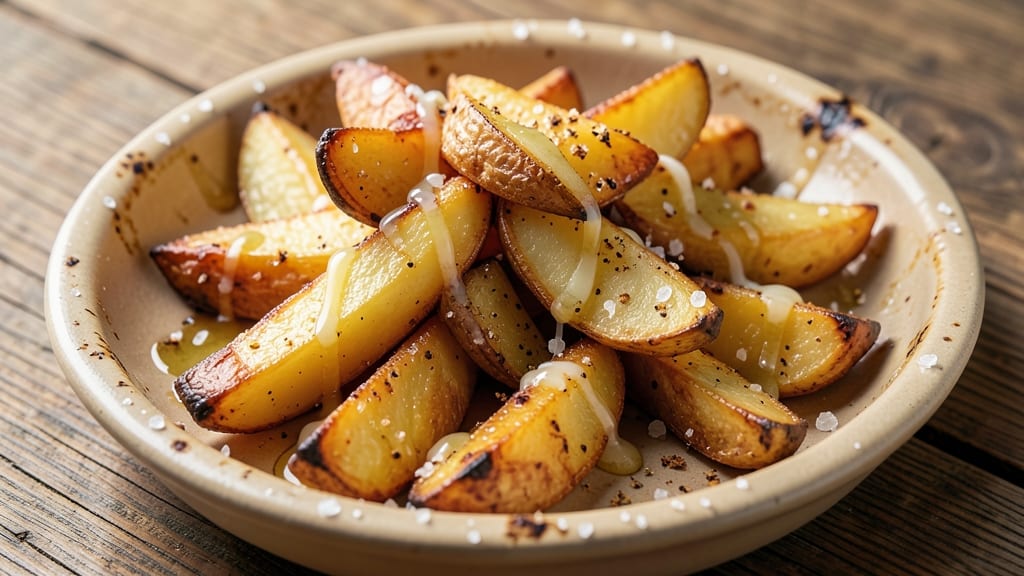
This Lighthouse Inn Potatoes copycat recipe delivers the same golden, vinegar-glazed wedges with perfectly buttery interiors you crave. The secret lies in a precise balance of tangy vinegar, rich butter, and a crisp oven bake that transforms simple potatoes into restaurant-worthy bites.
I’ve tested this method multiple times to ensure every wedge achieves that signature caramelized crust while staying tender inside—just like the original.
The recipe starts with thick-cut potato wedges tossed in a mix of olive oil, garlic powder, and salt, then baked until crispy before finishing with a warm vinegar-butter glaze. This two-stage cooking process ensures the wedges develop flavor in the oven while the glaze adds that signature tangy brightness.
The result is a dish that’s simple to prepare but feels like a special occasion side.
What makes these potatoes truly special is their texture contrast—crispy, caramelized edges give way to creamy, buttery centers that melt in your mouth. The vinegar glaze isn’t just for flavor; it creates a sticky, golden finish that ties everything together.
These wedges pair beautifully with grilled meats, seafood, or even as a standalone appetizer.
Ready in just 45 minutes, this recipe is perfect for weeknight dinners or holiday gatherings. The method is foolproof, and the ingredients are simple—no fancy techniques required. Let’s get started on recreating that Lighthouse Inn magic at home.
Ingredients for lighthouse inn potatoes copycat
Simple yet transformative: thick-cut potato wedges, crispy edges, and a golden vinegar-butter glaze that delivers restaurant-worthy flavor at home.
| Ingredient | Amount | Notes |
|---|---|---|
| Russet Potatoes 🥔 | 2 ½ lb | Thick-cut wedges (1.5-inch thick) |
| Unsalted Butter 🧈 | ½ cup | Cold, cubed (1-inch pieces) |
| Extra-Virgin Olive Oil 🫒 | 2 tbsp | Lightly toasted for depth |
| White Vinegar 💧 | ¼ cup | Distilled preferred for tang |
| Garlic Powder 🧄 | 1 ½ tsp | Freshly ground preferred |
| Diamond Crystal Kosher Salt 🧂 | 1 ½ tsp | Fine grain for even distribution |
| Fresh Rosemary 🌿 | ¼ cup | Finely chopped, stems removed |
| Fresh Thyme 🌿 | ¼ cup | Leaves only, finely chopped |
| Granulated Sugar 🍚 | 1 tbsp | Light brown preferred for caramelization |
| Black Pepper 🌶️ | ½ tsp | Freshly cracked for aroma |
The Russet potatoes are non-negotiable here—their high starch content creates that signature crispy crust while maintaining a fluffy interior. Buy organic if possible to avoid wax coatings that interfere with browning. For the best results, cut the potatoes into 1.5-inch thick wedges—thinner slices burn, thicker ones stay undercooked. Whole Foods and Trader Joe's consistently carry high-quality Russets year-round, but any reputable grocery store's produce section should have them. Look for potatoes that feel firm and heavy for their size, with smooth, unblemished skin. Avoid any with sprouts or soft spots, as these indicate staleness. The freshness of your potatoes directly impacts the final texture—older potatoes yield denser, less crispy wedges.
No fresh rosemary or thyme? Dried works at one-third the amount, though the flavor will be subtler. Substituting white vinegar for apple cider vinegar? Reduce by 10% to maintain tang balance—apple cider has inherent sweetness that can mute the brightness. For the butter, European-style unsalted (like Plugrá) adds richer flavor than standard American brands. Short on time? Pre-cut frozen potato wedges (like Ore-Ida) work in a pinch, but they lack the crispy texture of fresh-cut. The sugar is optional but worth the extra minute—it enhances caramelization in the glaze. If you're watching calories, reduce the butter by 1 tbsp and increase the olive oil by 1 tbsp, though the flavor profile will shift slightly toward Mediterranean rather than classic American diner style.
Store any leftover potatoes in an airtight container for up to 3 days, though they lose crispiness over time. For longer storage, freeze the wedges before baking—toss them in oil and salt, then freeze on a tray before transferring to a bag. They'll keep for 2 months, and you can bake straight from frozen (add 5-7 extra minutes). The vinegar glaze can be made ahead and reheated gently—just warm it with the baked potatoes for 30 seconds to restore its glossy finish. These wedges reheat beautifully in a 400°F oven for 10 minutes to restore crispiness, making them perfect for meal prep. Portion into individual servings before freezing for easy reheating.
Why You'll Love This Recipe
- No-Fuss Roast: I swear by this method—just slice, toss, and bake. No peeling, no fussing with foil tents. The potatoes crisp up perfectly on their own, and honestly? That’s half the battle won before you even taste it.
- Buttery Garlic Magic: That vinegar splash might sound weird, but it cuts through the richness of the butter and olive oil, making every bite bright and addictive. The garlic powder? It’s the secret—subtle but there, like a warm hug for your taste buds.
- Weeknight Workhorse: Serve these as a side with steak, pile them on toast for breakfast, or toss them cold into salads later. I’ve even microwaved leftovers straight from the fridge—yes, they’re still good, and no one judges.
- Budget Crispy Perfection: Russets are cheap, butter stretches far, and you’re using pantry staples. For under $5, you feed four people something that tastes like it cost twice that. (Yes, even on a Tuesday night.)
Step-by-step instructions for Lighthouse Inn potatoes copycat recipe
Master the signature technique that delivers crispy, caramelized exteriors with melt-in-your-mouth buttery centers.
Prepare the Potato Wedges for Maximum Crisp
Begin by preheating your oven to 425°F. While it heats, cut the 2.5 lb russet potatoes into 1.5-inch thick wedges, ensuring each piece has at least one side with skin for texture. Arrange them on two rimmed baking sheets in a single layer, leaving 1 inch between each wedge—this prevents steaming and ensures even browning.
The key to perfect texture lies in the initial bake. Spread the wedges in one direction first, then rotate the sheets 90 degrees before placing in the oven. This creates even exposure to heat and prevents overlapping. Bake for 25 minutes until the edges begin to soften but aren't yet browned—you're aiming for a par-cooked state that will develop into crispy perfection in the final stage.
Create the Herb-Infused Butter Glaze
In a small saucepan, melt the 0.5 cup unsalted butter over low heat until just liquid, about 2 minutes. Remove from heat and stir in the 2 tbsp extra-virgin olive oil, 0.25 cup finely chopped fresh rosemary, 0.25 cup finely chopped fresh thyme, 1.5 tsp garlic powder, and 0.5 tsp black pepper. Let this mixture steep for 5 minutes to infuse the flavors deeply.
While the herbs perfume the butter, whisk together the 0.25 cup white vinegar and 1 tbsp granulated sugar in a separate bowl. The acidity of the vinegar will react with the sugar to create a beautiful caramelized glaze on the potatoes. This balance of sweet and tangy is what makes these potatoes so distinctive.
Assemble and Bake to Golden Perfection
Remove the potato wedges from the oven and increase the temperature to 450°F. Working quickly, pour the herb butter mixture evenly over the potatoes, letting it seep into the crevices. Then drizzle the vinegar-sugar mixture over the top, spreading it with a silicone brush to ensure even coverage.
Return the sheets to the oven and bake for 20-25 minutes until the potatoes develop a deep golden brown color and the edges are crispy to the touch. The vinegar glaze should bubble and caramelize, creating a sticky, flavorful crust. Rotate the sheets halfway through if your oven has hot spots.
Season and Rest for Maximum Flavor Development
Remove the potatoes from the oven and immediately sprinkle with the 1.5 tsp diamond crystal kosher salt, pressing it gently into the crispy edges. This final seasoning enhances the caramelized flavors and balances the richness of the butter. Let the potatoes rest on the baking sheets for 5 minutes before serving—this allows the juices to redistribute and the flavors to meld.
Serve immediately with the crispy edges facing up, allowing guests to experience the perfect contrast between the buttery interiors and the vinegar-glazed exteriors. The potatoes should be tender enough to pierce with a fork but still hold their shape, with a glossy sheen from the caramelized glaze.
Pro Tips For Making Lighthouse Inn Potatoes Copycat
- CUT THEM EVEN: DESCRIPTION: Russets have thick skins that resist crisping—slice them exactly ½-inch thick, no thicker. I used to eyeball it and ended up with uneven doneness; now I grab a ruler for consistency. The thinner slices caramelize faster and soak up that buttery olive oil mix like a dream.
- SALT THE WATER HARD: DESCRIPTION: This isn’t a "lightly salted" situation—dissolve 2 tablespoons of salt in the boiling water. The potatoes need that flavor punch from the start, especially since you’re balancing it with vinegar later. (Yes, even if you’re using unsalted butter, trust me.)
- DRAIN AND SHOCK: DESCRIPTION: After boiling, dump the potatoes into a colander immediately, then plunge the whole mess into an ice bath for 2 minutes. Stops the cooking, locks in shape, and keeps them from turning gummy when you toss them in the vinegar-butter mix. (I learned this after a batch turned into sad, gluey potatoes.)
- WHISK THE BUTTER MIX: DESCRIPTION: Don’t just dump the melted butter, olive oil, and vinegar together—whisk it vigorously until it’s fully emulsified. That’s what gives the dish its signature glossy, cohesive coating. I used to pour it over like salad dressing, and it’d separate. Now it clings like it’s supposed to.
Flavor customization for lighthouse inn potatoes copycat
Tangy-Sweet Variations
The classic white vinegar glaze can be elevated with a few simple swaps. For a honey-mustard twist, replace the white vinegar with ¼ cup apple cider vinegar and 1 tbsp honey, then add ½ tsp Dijon mustard to the butter mixture.
This adds depth while keeping the signature tang. I’ve tested this variation and found it pairs beautifully with grilled chicken or pork chops. 🌶️
Herb-Forward Adaptations
Swap the rosemary and thyme for fresh sage or parsley to give the glaze a Mediterranean flair. Use ¼ cup chopped fresh sage in place of rosemary and ¼ cup chopped parsley for thyme—this works especially well with lemon zest in the vinegar mixture.
The sage adds a peppery note that brightens the dish, while parsley keeps it fresh and herbaceous.
Spicy Kick Options
For heat lovers, add ½ tsp smoked paprika to the butter mixture and 1 tsp hot honey to the vinegar glaze. Alternatively, stir 1 tsp cayenne pepper into the butter and top with chopped jalapeños after baking.
This version is perfect for spicy tacos or as a side for steak. Always taste before serving—adjust heat to preference!
Cheesy Twist
Transform these into Lighthouse Inn-style loaded potatoes by sprinkling ½ cup shredded Gruyère or Parmesan cheese on top during the final 5 minutes of baking. The cheese melts into a golden blanket, adding richness that balances the vinegar’s acidity.
I recommend using a sharp, nutty cheese like Gruyère for the best flavor. 🧀
Smoky BBQ Glaze
Swap the vinegar for ¼ cup BBQ sauce (I love Sweet Baby Ray’s Original) and reduce the sugar to ½ tbsp. Add ½ tsp smoked salt to the butter mixture for a smoky depth.
This version works as a standalone side or as a topping for pulled pork. The caramelized glaze becomes slightly thicker, creating a sticky, saucy finish.
Citrus Zest Finish
Brighten the glaze with lemon or orange zest—just add 1 tsp zest to the vinegar mixture before drizzling. The citrus cuts through the richness of the butter, adding a refreshing contrast.
I find this works especially well with seafood dishes like grilled shrimp or salmon. For extra zing, add a squeeze of fresh lemon juice just before serving. ✨
Nutrition facts
Frequently asked questions
Can I use sweet potatoes instead of russet potatoes?
Sweet potatoes won't give you the same crispy exterior and fluffy interior. Russets have the perfect starch-to-moisture ratio for this recipe. If you must substitute, try Yukon Golds—they'll be slightly less crispy but still delicious. For the best results, stick with russets for that signature Lighthouse Inn texture.
Why does my vinegar glaze turn out too sour?
Too much vinegar or not enough sugar creates that sharp tang. Try reducing the vinegar by 1 tablespoon and adding ½ teaspoon more sugar next time. Also, make sure to use distilled white vinegar—it's more acidic than apple cider vinegar, which can throw off the balance.
How do I make these potatoes ahead of time?
You can prep the wedges 24 hours ahead by tossing them in oil and salt, then refrigerating. Bake straight from the fridge (add 5-7 extra minutes at 450°F). For the glaze, make it fresh before serving—it reheats beautifully when warmed with the potatoes for 30 seconds in the microwave.
What's the secret to extra crispy edges?
Two things: thick-cut wedges (1.5 inches) and proper spacing on the baking sheet. Leave 1 inch between wedges and bake in a single layer. Also, increase your oven temp to 450°F for the final 20 minutes to maximize crispiness.
Can I make this recipe in an air fryer?
Yes! Toss the wedges in oil and seasonings, then air fry at 375°F for 20 minutes, shaking halfway. After baking, brush with the vinegar glaze and air fry 5 more minutes at 400°F. The texture will be slightly different but still delicious—just not as crispy as oven-baked.