
Side Dishes
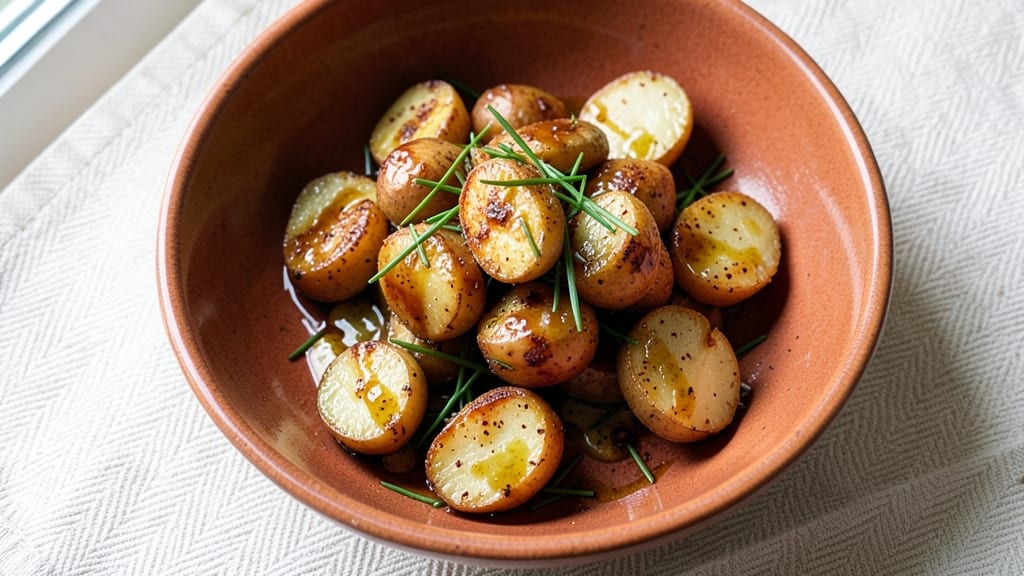
Transforming humble potatoes into a restaurant-worthy side only takes one unexpected ingredient: Lipton Onion Soup Mix. This herb-infused roast delivers crispy edges, tender centers, and a golden vinegar glaze that elevates every bite—all while cutting prep time in half.
I discovered this technique while searching for a way to make potatoes more exciting without complicated seasoning blends.
The secret lies in the mix's perfect balance of savory, herby notes that caramelize beautifully when roasted. You'll start with baby potatoes tossed in olive oil, then coat them evenly with the onion soup mix before baking at 425°F for just 35 minutes.
The vinegar glaze—simmered with a touch of brown sugar and Dijon—adds a bright, tangy finish that cuts through rich main dishes.
What you'll end up with is a side dish that looks and tastes like it belongs on a gourmet menu: golden-brown potatoes with crispy skins, tender interiors, and a glossy glaze that clings perfectly.
The aroma alone will have everyone asking what's for dinner—no one will guess it's made with a pantry staple.
This recipe works equally well as a weeknight side or holiday centerpiece. The vinegar glaze keeps beautifully for up to 3 days, making it perfect for meal prep. Let's get cooking—your taste buds will thank you for this simple upgrade to classic roasted potatoes.
Ingredients for lipton onion mix potatoes
One pantry staple and a few fresh touches transform simple potatoes into a showstopper side.
| Ingredient | Amount | Notes |
|---|---|---|
| Baby Potatoes 🥔 | 2 lbs | Halved for even cooking |
| Lipton Onion Soup Mix 🧅 | ½ cup | Original flavor preferred |
| Extra-Virgin Olive Oil 🫒 | ¼ cup | Light coating for crispiness |
| White Vinegar 🍶 | ¼ cup | Apple cider works too |
| Brown Sugar 🍯 | 1 tbsp | Light or dark preferred |
| Dijon Mustard 🍯 | 1 tsp | For tangy depth |
| Salt 🧂 | ½ tsp | Kosher or sea salt |
| Black Pepper 🌶️ | ¼ tsp | Freshly ground preferred |
| Garlic Powder 🧄 | ½ tsp | Boosts flavor profile |
| Fresh Parsley 🌿 | 2 tbsp | Chopped for garnish |
Grab the original Lipton Onion Soup Mix—not the low-sodium version. It's got that perfect balance of savory, herby flavors that caramelize beautifully. Grocery store brands work fine, but the classic yellow box is what I always reach for. Baby potatoes make this foolproof—they cook evenly and stay tender. If you can only find large potatoes, cut them into even-sized chunks. The olive oil is key too; extra-virgin gives the best crispiness, but light olive oil works in a pinch. Just don't use that cheap canola oil—trust me on this one.
No onion soup mix? Mix 2 tbsp dried onion flakes, 1 tsp dried parsley, 1 tsp garlic powder, 1/2 tsp dried thyme, and 1/2 tsp salt—it's a solid backup. Want more depth in the glaze? Add 1/2 tsp smoked paprika to the vinegar mixture. The vinegar can be swapped for apple cider or balsamic, but white vinegar gives that classic tang. Fresh parsley is ideal for garnish, but dried parsley at half the amount works if you're in a hurry. The Dijon mustard is non-negotiable—it adds that perfect balance of tang and richness to cut through the sweetness.
These potatoes reheat like a dream—just pop them in a 350°F oven for 10-15 minutes with a splash of water. The glaze keeps for up to 3 days in the fridge, so make extra for next-day lunches. Store the cooked potatoes in an airtight container with a paper towel to keep them crispy. I always double the batch—half goes on the dinner table, half gets saved for sandwiches the next day. The glaze can be made ahead too, so you're not scrambling on game day.
Why You'll Love This Recipe
- One-Pan Magic: I swear by this recipe when I’m too tired to scrub pots—just toss baby potatoes, onion mix, oil, and vinegar on a sheet pan. The oven does all the work while I sip my coffee.
- Sweet-Savory Crunch: That brown sugar and vinegar combo? It’s what turns this into something special—caramelized edges with a tangy bite. Honestly, I reach for this instead of fries any day.
- Game for Any Meal: Serve it as a side for burgers, a snack with beer, or even a light lunch. My roommates eat it straight from the pan, no judgment here.
- Budget-Friendly Staple: Baby potatoes and onion mix are cheap, and this recipe stretches for leftovers. I make a big batch on Sundays—half for dinner, half for my lazy Wednesday lunches.
Step-by-step instructions for herb-infused roast potatoes
Here's how to transform simple baby potatoes into crispy, flavorful bites with a tangy glaze.
Prep the Potatoes for Perfect Crispiness
Start by halving the 2 lbs baby potatoes lengthwise to ensure even cooking. I like to leave the skins on for texture, but pat them completely dry with paper towels—this step is crucial for crispy edges. Place them in a large bowl and toss gently with the 0.5 cup Lipton Onion Soup Mix, making sure every potato is evenly coated. The mix should cling to the surfaces, not just pool at the bottom.
Next, add the 0.25 cup extra-virgin olive oil and 0.5 tsp salt, tossing again until the potatoes glisten. The oil helps create that golden crust we're after, while the salt enhances all the flavors. Don't skip this step—proper seasoning early prevents bland potatoes later. Spread them out on a baking sheet in a single layer, cut sides down, so they roast evenly without steaming.
Roast Until Golden and Tender
Preheat your oven to 425°F—this high temperature gives us that perfect crispy exterior. Place the baking sheet on the middle rack and roast the potatoes for 25 minutes. After 20 minutes, give them a gentle stir so they brown evenly. You'll know they're ready when they're golden brown on the edges but still slightly firm in the center—this ensures they finish cooking perfectly when we add the glaze.
Here's the thing—don't overcrowd the pan. If your sheet is too full, the potatoes will steam instead of crisp. If needed, roast in batches. The goal is to get those edges caramelized while keeping the insides tender. This is where most home cooks go wrong—they either undercook or overcook the potatoes.
Create the Tangy Vinegar Glaze
While the potatoes roast, whisk together the 0.25 cup white vinegar, 1 tbsp brown sugar, 1 tsp Dijon mustard, 0.5 tsp garlic powder, and 0.25 tsp black pepper in a small saucepan. Place over medium heat and bring to a gentle simmer, stirring constantly for 3-4 minutes until the mixture thickens slightly and coats the back of a spoon. This glaze adds a perfect balance of tangy, sweet, and savory flavors.
Taste the glaze as it simmers and adjust the seasoning if needed. I usually add a pinch more salt or sugar at this point to match my preference. The sugar helps caramelize the glaze slightly, while the mustard adds depth that complements the onion soup mix perfectly. Let it cool for 2 minutes before using—this prevents the potatoes from steaming when you add the hot liquid.
Glaze and Finish with Fresh Herbs
After the potatoes have roasted, pour the warm glaze evenly over them and toss gently to coat completely. Return to the oven for 5-7 minutes until the glaze bubbles and the potatoes are tender all the way through. You'll see the edges become even more golden and crispy as the glaze caramelizes slightly. This final step transforms simple roasted potatoes into something restaurant-worthy.
Remove from the oven and sprinkle with the 2 tbsp chopped fresh parsley. The parsley adds a bright, fresh contrast to the rich, tangy flavors. Serve immediately while the potatoes are still hot and the glaze is glossy. These potatoes pair beautifully with grilled meats, sandwiches, or even as a side for burgers—they're that versatile.
Pro Tips For Making Lipton Onion Mix Potatoes
- HALVE THE POTATOES FIRST: Baby potatoes take forever to cook whole—cut them in half before boiling, even if the recipe doesn’t say so. I learned this the hard way after staring at a pot of half-cooked spuds for 20 minutes longer than needed. Just a quick chop with a chef’s knife saves time and guarantees even cooking.
- TOAST THE DRY MIX: Bloom the Lipton Onion Soup Mix in the olive oil for 30 seconds before adding potatoes. That initial sizzle releases the flavors and prevents the vinegar from making the mix clump like sad glue. Skip this, and you’ll taste the difference—like comparing a whisper to a shout.
- VINEGAR LAST, NOT FIRST: Add the white vinegar and brown sugar after the potatoes are mostly cooked, not at the start. Dumping it in early turns your pan into a science experiment—you’ll end up with a sticky, uneven mess. Wait until the potatoes are tender but still firm, then toss everything together.
- LET THEM REST: Drain the potatoes, then spread them on a baking sheet for 5 minutes before tossing with the mix. This dries the skins just enough so they crisp up properly when you roast them. I used to skip this and always ended up with soggy, flavorless potatoes—now they’re golden and satisfying.
Common mistakes when making perfect results
Skipping the Dry Step
One of the biggest mistakes is not patting the potatoes completely dry before seasoning. Any moisture on the skins will cause them to steam instead of crisp up. I've ruined more than a few batches by rushing this step—always use paper towels and press firmly to remove all excess water.
This is especially critical with baby potatoes, which have more surface area relative to their size. 💧
Uneven Seasoning
Many people just dump the Lipton Onion Soup Mix on top of the potatoes without tossing it thoroughly. The result? Some potatoes get overpowered with flavor while others taste bland. Make sure every potato is evenly coated by tossing in a large bowl.
I like to add the oil and salt first, then mix in the seasoning—this helps distribute everything more evenly. A quick shake of the bowl ensures no dry spots remain.
Overcrowding the Pan
Packing too many potatoes onto a single baking sheet is a recipe for disaster. When potatoes touch each other, they steam rather than crisp up. I've learned this the hard way—my first attempt with 3 lbs of potatoes on one sheet resulted in soggy, flavorless results.
If your sheet isn't large enough, roast in batches. The goal is single-layer cooking with ½ inch of space between each potato. This might mean using two baking sheets, but crispy edges are worth it. 🍽️
Incorrect Roasting Time
Many cooks either undercook or overcook these potatoes. The 25-minute roast time at 425°F is just the starting point—they should be golden brown but still slightly firm when tested with a fork. If you pull them out too early, they'll taste raw in the center.
If you leave them too long, they'll turn mushy. I always check at 20 minutes and stir them, then let them roast another 5 minutes before adding the glaze. This two-stage approach gives perfect results every time.
Glaze Temperature Issues
Adding hot glaze to cold potatoes creates steam that makes them soggy. Always let your glaze cool for 2 minutes before pouring it over the roasted potatoes. I've seen people pour boiling glaze directly onto freshly roasted potatoes, and it's a game-changer when you fix this mistake.
The 5-7 minutes in the oven after glazing is crucial—it lets the glaze caramelize while keeping the potatoes crispy. This step transforms good potatoes into something extraordinary. 💫
Ignoring the Glaze Ratio
Some cooks use too much glaze, which makes the potatoes watery, while others skimp, leaving them dry. The 0.25 cup of vinegar should coat the potatoes lightly but not pool at the bottom. I like to pour half the glaze, toss gently, then add the rest.
This ensures even distribution without over-saturating. The glaze should cling to the potatoes like a thin, glossy coating—not drip off when you serve them. Adjust your measurements if you're cooking more or fewer potatoes to maintain this balance.
Nutrition facts
Frequently asked questions
Can I use regular potatoes instead of baby potatoes?
Yes, but you'll need to cut them into 1-inch chunks for even cooking. Large potatoes take longer to crisp, so increase roasting time by 5-10 minutes and check for doneness at 30 minutes. The key is uniform size—this ensures all pieces finish cooking simultaneously. Baby potatoes are ideal because their small size guarantees perfect crispiness without overcooking.
What if I don't have Lipton Onion Soup Mix?
Make a quick substitute with 2 tbsp onion powder, 1 tsp dried parsley, 1 tsp garlic powder, ½ tsp dried thyme, and ½ tsp salt. This DIY blend mimics the savory-herb balance of the original mix. For extra depth, add ¼ tsp smoked paprika. The recipe still works beautifully—just adjust seasoning to taste after roasting.
Can I make this ahead of time?
The potatoes reheat perfectly—store them in an airtight container with a paper towel to maintain crispiness. Reheat at 350°F for 10-15 minutes until warmed through. The vinegar glaze keeps for 3 days in the fridge, so you can prep it separately. For best results, glaze and reheat together to restore that glossy finish.
Why did my potatoes turn out soggy?
This usually happens from one of three issues: not drying the potatoes thoroughly before roasting, overcrowding the pan, or adding hot glaze to cold potatoes. Always pat dry with paper towels, leave ½-inch space between potatoes, and let the glaze cool 2 minutes before pouring. These adjustments make all the difference!
What's the best way to serve these potatoes?
These potatoes shine as a side for grilled meats, burgers, or sandwiches. For a restaurant-style presentation, arrange them on a platter and drizzle with extra glaze. They also make a great topping for loaded baked potatoes or potato salads. The tangy-sweet glaze pairs especially well with rich dishes like steak or pork chops.