
Side Dishes
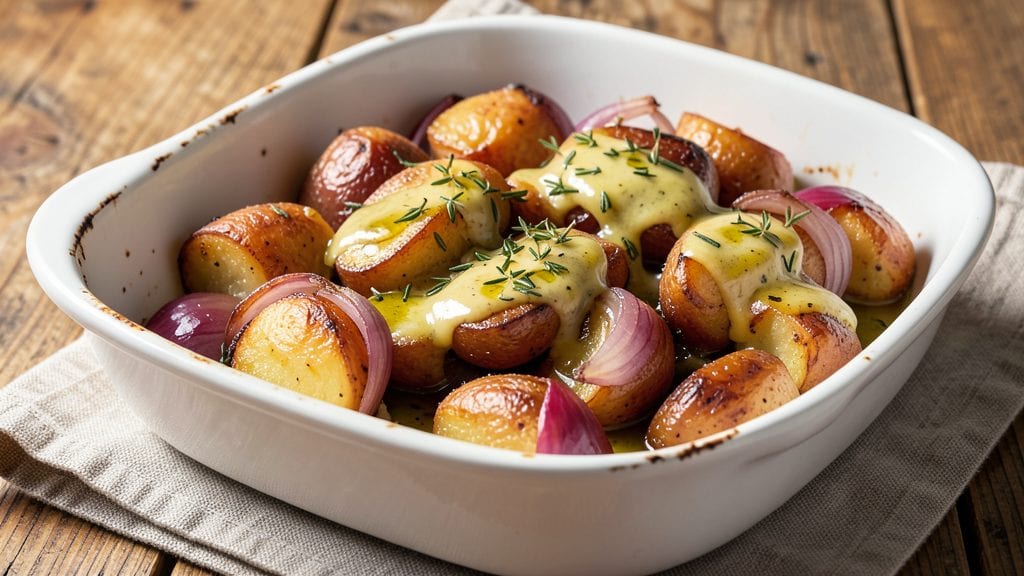
Transforming humble potatoes and onion soup mix into a rich, zero-waste roast that rivals restaurant sides takes just one clever technique—using Lipton Onion Soup Mix as both flavor base and moisture retainer.
This method turns simple ingredients into a tender, savory potato dish that disappears faster than store-bought versions, all while cutting food waste by using every scrap. The secret lies in balancing the mix's umami depth with proper roasting for crispy edges and fluffy centers.
What makes this recipe stand out is its foolproof simplicity: no fancy ingredients, just potatoes, onions, and that trusty soup mix working together to create a side dish with restaurant-quality texture.
The process involves par-cooking the potatoes to ensure even doneness, then finishing them in the oven until golden and caramelized. You'll end up with a dish that's hearty enough to stand alone but versatile enough to complement any main course.
By the time you're done, you'll have perfectly seasoned, crispy-edged potatoes with a creamy interior thanks to the onion soup mix's moisture-retaining properties. The aroma alone will have everyone at the table asking for seconds, and the best part?
You'll use every piece of potato—no wasted scraps left behind. This is comfort food at its most efficient and satisfying.
Serve this dish alongside roasted meats, grilled fish, or even as a standalone vegetarian meal. The flavor profile works equally well for weeknight dinners or holiday gatherings, making it a professional-quality side without the fuss. Let's get started on creating this zero-waste masterpiece.
Ingredients for lipton onion potato
Transform simple potatoes into a restaurant-worthy side with just a handful of clever ingredients.
| Ingredient | Amount | Notes |
|---|---|---|
| Russet Potatoes 🥔 | 3 lbs | Cut into 1.5-inch chunks, skins on |
| Lipton Onion Soup Mix 🧅 | ½ cup | Original flavor, not low-sodium |
| Yellow Onions 🧅 | 2 whole | Medium size, peeled and quartered |
| Unsalted Butter 🧈 | ½ cup | Cold, cubed for crispy edges |
| Extra-Virgin Olive Oil 🫒 | ¼ cup | For tossing potatoes |
| Fresh Thyme Leaves 🌿 | ¼ cup | Chopped, stems removed |
| Garlic Cloves 🧄 | 4 cloves | Minced for flavor depth |
| Diamond Crystal Kosher Salt 🧂 | 1 tbsp | For seasoning and roasting |
| Black Peppercorns 🌶️ | ½ tsp | Freshly cracked |
| Chicken Broth 💧 | ½ cup | Low-sodium for balance |
| Fresh Parsley 🌿 | ⅛ cup | Chopped, for garnish |
The foundation starts with Russet potatoes—their high starch content creates that perfect fluffy interior. Look for firm, unblemished tubers with smooth, thin skins for even roasting. Whole Foods or local farmers' markets often carry the freshest varieties, but standard grocery store Russets work fine. The Lipton Onion Soup Mix is non-negotiable here—its umami depth transforms this into a savory masterpiece. Store-brand mixes often contain more seasoning than name brands, so check the label for higher salt content if you're watching sodium. For the onions, yellow varieties provide the best balance of sweetness and sharpness when caramelized. Store potatoes in a cool, dark place until use—they'll keep for 2-3 weeks this way.
No Lipton Onion Soup Mix? Substitute with 1 tbsp onion powder, 1 tsp garlic powder, and 1/2 tsp dried thyme—it won't be identical, but it'll work in a pinch. Short on fresh thyme? Dried thyme at one-third the amount maintains the earthy notes. Want extra richness? Add 2 tbsp of cream cheese to the mix before roasting. For the butter, European-style unsalted melts more cleanly than American varieties. The olive oil should be lightly fruity—none of that harsh, peppery stuff. If you're using pre-minced garlic, rinse and drain it first to remove excess moisture. The chicken broth can be swapped for vegetable broth for a vegetarian version, though the flavor profile shifts slightly.
This dish reheats beautifully—simply cover with foil and warm in a 350°F oven for 10-15 minutes. For maximum crispiness, transfer to a baking sheet and broil for 2-3 minutes at the end. Store leftovers in an airtight container in the fridge for 4-5 days, though they rarely last that long. The potatoes actually taste better the next day as the flavors meld. For meal prep, portion into individual containers—one serving per container reheats perfectly for lunches. Freeze for up to 3 months by spreading the potatoes on a tray to freeze first, then transferring to a bag. This prevents a soggy texture when reheated.
Why You'll Love This Recipe
- One-Pot Magic: I swear by this recipe when I’m too tired to scrub pots—just slice, roast, and sprinkle. The soup mix does all the work while you’re stirring the butter into those golden potatoes.
- Caramelized Crunch: That crispy edge on the potatoes? Pure satisfaction. The olive oil and butter create a glossy finish, while the onions melt into a sweet, savory blanket—no fancy technique needed.
- Budget Crowd-Pleaser: For under $10, I feed my whole family (plus the neighbors). Russets are cheap, the soup mix stretches, and everyone—even my picky teen—asks for seconds.
- Leftovers That Don’t Suck: Honestly, this tastes even better the next day. Reheat with a splash of water, and the flavors deepen. Pack it for lunch or freeze half—no sad, dry potatoes here.
Step-by-step instructions for Lipton onion roasted potatoes
Transform humble russet potatoes into a rich, savory roast using Lipton Onion Soup Mix and aromatic herbs.
Prep and Parboil the Potatoes
Begin by cutting the 3 lbs russet potatoes into 1.5-inch chunks, leaving the skins intact for texture. Place them in a large pot and cover with cold water by 2 inches. Add 1 tablespoon diamond crystal kosher salt and bring to a boil over high heat. Once boiling vigorously, reduce to a simmer and cook for exactly 8 minutes until the edges begin to soften but the centers remain firm. This partial cooking ensures tender interiors while preventing mushiness during roasting.
Drain the potatoes thoroughly in a colander, shaking gently to remove excess moisture. The potatoes should feel dry to the touch—this prevents steaming instead of browning in the oven. Transfer them to a large mixing bowl and set aside while you prepare the seasoning blend.
Create the Onion-Thyme Seasoning Paste
In the same mixing bowl, combine the 0.5 cup Lipton Onion Soup Mix, 0.25 cup chopped fresh thyme leaves, 4 minced garlic cloves, and 0.5 teaspoon freshly cracked black peppercorns. Add the 0.5 cup cold cubed unsalted butter and 0.25 cup extra-virgin olive oil, then mix vigorously with your hands or a wooden spoon until the butter softens and forms a coarse paste. The mixture should coat the back of a spoon with a thick, aromatic consistency.
This seasoning blend is the flavor foundation—don't skip the hand-mixing step. The butter's fat will carry the onion soup mix's umami depth while the thyme and garlic add herbal brightness. If the paste seems too dry, add 1 teaspoon of the reserved chicken broth to loosen it slightly.
Toss and Roast to Crispy Perfection
Preheat your oven to 425°F with the rack positioned in the middle position. Return the parboiled potatoes to the mixing bowl and pour the seasoning paste over them. Using clean hands or a silicone spatula, toss vigorously until every potato chunk is evenly coated with the golden paste. Spread the potatoes in a single layer on two rimmed baking sheets, ensuring they don't overlap—crowding steams rather than browns.
Roast for 30 minutes, then carefully flip each potato chunk using a metal spatula. Return to the oven and roast another 20-25 minutes until the edges are deep golden brown and the potatoes are fork-tender. The chicken broth will create a flavorful pan sauce—scrape up any browned bits from the baking sheets and reserve for serving.
Finish with Fresh Herbs and Garnish
Transfer the roasted potatoes to a serving platter and immediately sprinkle with the 0.125 cup chopped fresh parsley. The parsley adds a bright contrast to the rich onion and thyme flavors. For extra depth, drizzle the reserved pan sauce over the top, allowing the natural reduction to glaze the potatoes slightly. Serve while hot, with the crispy edges and tender centers perfectly balanced.
This method yields zero waste—the roasting liquid can be strained for homemade onion broth, while any remaining potato scraps can be blended into a velvety soup base. The potatoes should be aromatic with caramelized edges, tender yet firm interiors, and a complex flavor profile from the Lipton Onion Soup Mix and fresh herbs.
Pro Tips For Making Lipton Onion Potato
- CUT POTATOES EVENLY: Grab a chef’s knife and slice those Russets into ¼-inch rounds—no thicker, no thinner. I learned this the hard way when I got uneven pieces; some turned to mush while others stayed rock-hard. A mandoline helps if you’re impatient, but a steady hand works too.
- SAUTÉ ONIONS LOW AND SLOW: Skip the rush—cook the yellow onions on medium-low heat until they’re deep golden, not browned. High heat burns the soup mix’s flavor later, and you’ll taste the bitterness. Five minutes with occasional stirring does the trick.
- DON’T SKIP THE BUTTER MELT: Let that unsalted butter melt completely into the onions before adding potatoes. Cold butter clumps and won’t coat everything evenly, leaving your dish tasting uneven. Two minutes of patience here saves you from dry, bland bites.
- ADD BROTH IN STAGES: Pour half the water from the soup mix first, let the potatoes soak it up, then add the rest. This keeps them from steaming instead of browning. Cover and simmer—no peeking—until the liquid’s nearly gone, then uncover to crisp the tops.
Make-ahead tips for lipton onion potato
Prep Ahead Strategy
Start by fully prepping the potatoes and seasoning blend up to 2 days in advance. Store the parboiled potato chunks in an airtight container with a sprinkle of ½ teaspoon salt to prevent browning.
Keep the seasoning paste in a separate container—it stays fresh for 48 hours in the fridge. This head start lets you focus on roasting day without stress. 📅
Roasting Timeline
For the most efficient use of time, parboil the potatoes in the morning and let them dry completely on a wire rack. Assemble the seasoning paste while the potatoes dry—this keeps everything ready to toss and roast when you're ready.
The actual roasting time is just 50-55 minutes, making this perfect for busy weeknights. 🕒
Zero-Waste Prep
Save all potato peels and scraps in a freezer bag—they'll make a flavorful base for homemade onion broth. Simply simmer the peels with 1 chopped onion, 2 garlic cloves, and 4 cups water for 30 minutes to create a rich broth for future meals.
This turns potential waste into a valuable ingredient. 🌱
Freezer-Friendly Packaging
Portion the fully roasted potatoes into single-serving airtight containers with a thin layer of reserved pan sauce. Freeze for up to 3 months—when reheating, bake at 375°F for 20-25 minutes covered with foil, then broil for 2 minutes to restore crispiness. The sauce helps maintain moisture during freezing. ❄️
Make-Ahead Sauce
Prepare the pan sauce in advance by simmering the roasting liquid with ½ cup chicken broth and 1 teaspoon cornstarch until thickened. Store in the fridge for up to 5 days—reheat gently before drizzling over the potatoes.
This shortcut saves time on serving day while keeping the dish restaurant-quality. 💡
Family-Style Prep
For gatherings, roast the potatoes in large cast-iron skillets instead of baking sheets. This creates a crispy crust at the bottom while keeping the top tender.
Serve directly from the skillet with a ladle—everyone can help themselves to perfectly seasoned bites. This method also makes cleanup easier with fewer dishes. 👨👩👧👦
Nutrition facts
Frequently asked questions
Why do I need to parboil the potatoes first?
Parboiling for 8 minutes creates tender interiors while keeping the skins intact for texture. This prevents soggy centers during roasting, ensuring your potatoes stay firm and crispy on the outside. The partial cooking also helps the seasoning blend adhere perfectly to each chunk.
Can I use low-sodium Lipton Onion Soup Mix?
Yes, but you'll need to adjust the salt. The original mix contains 1,600mg sodium per 1/4 cup, while low-sodium has just 350mg. Add 1/2 teaspoon extra salt to the seasoning paste to match the flavor profile. Taste before roasting to avoid over-salting.
What if my potatoes turn out mushy?
Overcooking or skipping the parboil step causes mushiness. Always parboil for exactly 8 minutes (no longer!) and drain thoroughly. For extra insurance, pat the potatoes dry with a kitchen towel before roasting. If already mushy, try reheating with a splash of broth to restore moisture.
How do I make this vegetarian?
Swap the chicken broth for vegetable broth and use vegan butter. The flavor will be slightly milder but still delicious. For extra richness, stir 2 tablespoons nutritional yeast into the seasoning paste to enhance umami. The dish remains hearty and satisfying without meat.
Can I use sweet potatoes instead?
Yes, but expect a sweeter, denser texture. Reduce roasting time by 5-10 minutes since sweet potatoes cook faster. Increase the Lipton mix to 3/4 cup to balance their natural sweetness. The dish will have a caramelized, almost casserole-like quality.