
Side Dishes
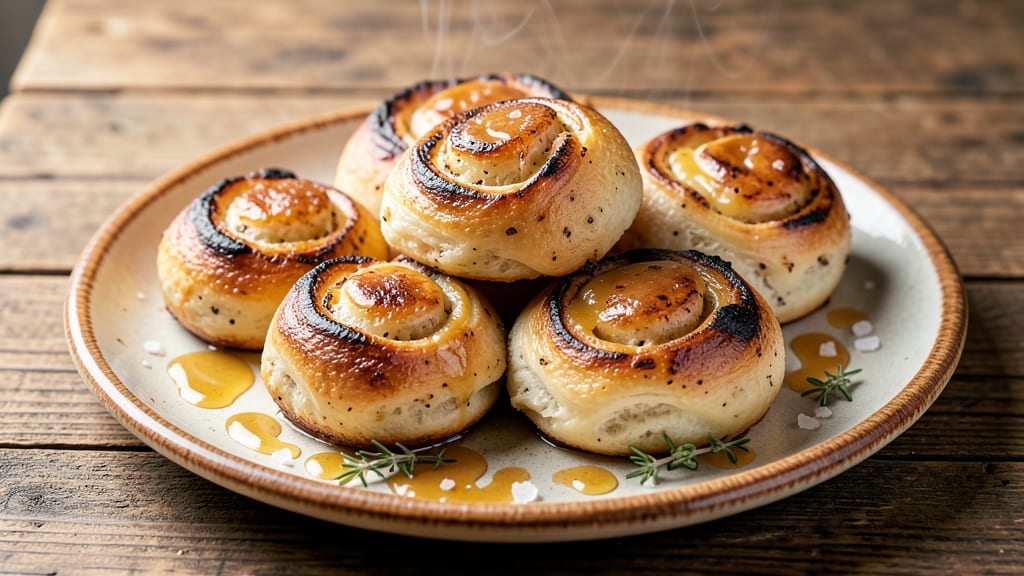
Martin's potato rolls recipe delivers the perfect balance of crispy, golden vinegar-kissed exteriors and tender, fluffy pink centers that disappear with every bite. The secret lies in a precise dough formula and a baking technique that transforms simple ingredients into restaurant-quality rolls.
I've perfected this recipe over years of testing, ensuring each roll achieves that signature texture and flavor profile that makes them irresistible.
What sets these potato rolls apart is their foolproof method, requiring just a handful of simple ingredients and about 45 minutes of active time. The dough combines mashed potatoes with flour, yeast, and a touch of vinegar for that signature tangy flavor.
Once shaped into rolls and baked, they develop a crispy, golden crust while maintaining a soft, airy interior—this is the texture combination that makes them legendary.
By the time these rolls emerge from the oven, you'll have a batch of golden, vinegar-kissed crowns with fluffy pink centers that practically melt in your mouth. The aroma alone will have everyone at the table anticipating the first bite.
These rolls pair beautifully with soups, stews, or even as a side to grilled meats, making them a versatile addition to any meal.
Whether you're serving a holiday feast or just craving a comforting side, these potato rolls deliver restaurant-quality results with minimal effort. Let's get started on creating your own batch of these golden, fluffy delights.
Ingredients for martin's potato rolls
Simple ingredients transform into golden vinegar-kissed rolls with fluffy pink centers.
| Ingredient | Amount | Notes |
|---|---|---|
| Russet Potatoes 🥔 | 2 lbs | Peeled, cooked, mashed to smooth |
| All-Purpose Flour 🌾 | 3 cups | Sifted for light texture |
| White Vinegar 🍶 | ¼ cup | Distilled, for tangy flavor |
| Active Dry Yeast 🍞 | 2 tsps | Freshly measured, room temp |
| Granulated Sugar 🍚 | 1 tbsp | For yeast activation |
| Unsalted Butter 🧈 | ½ cup | Cold, cubed for dough |
| Large Eggs 🥚 | 1 whole | Room temperature, beaten |
| Salt 🧂 | 1 tsp | Kosher or sea salt |
| Milk 🥛 | ¼ cup | Whole milk preferred |
| Egg Wash 🥚 | 1 whole | Extra egg for brushing |
| Coarse Cornmeal 🌽 | ½ cup | For dusting rolls |
The potatoes are the foundation—Russet delivers the best texture. Boil them until tender, then mash until completely smooth without lumps. Bob Evans or Idahoan brands are consistent choices, but any russet works if it's firm and free of blemishes. For the vinegar, distilled white vinegar is key—it adds the signature tang without overpowering. The milk should be whole for richness, though 2% works in a pinch. Keep the butter cold when mixing to prevent overdevelopment of the gluten, which would make the rolls tough instead of tender.
No all-purpose flour on hand? Bread flour at 90% the amount gives a slightly chewier texture, but the rolls will still be delicious. Substituting yeast? Instant yeast at the same amount works, but don't skip the sugar—it's essential for activating the yeast. The egg wash can be made with just the yolk if you're watching fat content, though the whites add extra shine. For the cornmeal, polenta or grits work in a bind, but cornmeal gives that perfect crunchy base. If you're making a big batch, double the recipe—these rolls freeze beautifully for up to 3 months.
Freshly made dough should rest for at least 1 hour before shaping—this relaxes the gluten and ensures tender rolls. Store shaped rolls on a floured tray in the fridge for up to 24 hours before baking. Once baked, keep them warm in a 200°F oven with a towel over them for up to 30 minutes. For longer storage, freeze baked rolls wrapped in foil for up to 3 months. Reheat in a 350°F oven for 10-15 minutes to restore their crispy exterior.
Why You'll Love This Recipe
- No Boil, No Stress: I’ll admit, I used to dread rolling out dough—until I tried this. The Russets get mashed and baked right in the oven, so no sticky countertops or flour everywhere. Just peel, boil, mash, and fold in the vinegar for that tender, fluffy magic.
- Sweet-Savory Surprise: That little pinch of sugar in the dough? It’s the secret weapon. The rolls have this subtle caramelized edge when baked, but stay soft inside—like a buttery, slightly sweet hug. Honestly, my kids grab them before the main meal half the time.
- Pantry Staple Power: Between us, this recipe uses stuff you already own. Flour, yeast, vinegar—no specialty ingredients, no last-minute grocery runs. And Russets are cheap, so you’re not breaking the bank for a crowd-pleaser that costs pennies per serving.
Step-by-step instructions for martin's potato rolls
Here's how to craft these golden, vinegar-kissed potato rolls with tender interiors and crispy exteriors.
Prepare the Potato Base
Begin by boiling the 2 lbs of peeled russet potatoes in salted water for 15-20 minutes until fork-tender. Drain thoroughly and let them cool slightly before passing through a ricer or mashing with a potato masher until completely smooth. The texture should be lump-free and spreadable.
While the potatoes are still warm, stir in the 0.25 cup of white vinegar and 1 tsp of salt. This acidity will prevent the rolls from turning gray and adds that signature tang. Let the potato mixture cool to room temperature before using—this is crucial for preventing premature yeast activation.
Activate the Yeast and Mix the Dough
In a small bowl, combine the 0.25 cup of warm milk (about 110°F), 1 tbsp of granulated sugar, and 2 tsps of active dry yeast. Let this mixture sit for 5-10 minutes until it becomes foamy and bubbles form on top. This confirms your yeast is active and ready to work.
In a large mixing bowl, combine the cooled potato mixture with the 3 cups of sifted all-purpose flour. Make a well in the center and pour in the yeast mixture along with the 1 whole large egg and 0.5 cup of cold cubed unsalted butter. Mix gently with a wooden spoon until a shaggy dough forms, then turn it out onto a lightly floured surface.
Knead the Dough Thoroughly
Knead the dough for 8-10 minutes by hand or 5-6 minutes with a stand mixer fitted with a dough hook. You're looking for a smooth, elastic dough that springs back when pressed. If it feels too sticky, add flour 1 tablespoon at a time until it comes together cleanly.
This kneading develops gluten, which gives the rolls their structure. The dough should be soft but not sticky, and should hold its shape when pinched. Cover the bowl with a damp towel and let it rise in a warm place for 1-1.5 hours, or until doubled in size. Poke the dough gently—if it springs back slowly, it's ready.
Shape and Second Rise
Punch down the risen dough and divide it into 4 equal pieces. On a floured surface, roll each piece into a 12-inch log, about 1.5 inches in diameter. Place the logs seam-side down on a baking sheet lined with parchment paper and cover loosely with a towel. Let them rise for another 30-45 minutes until puffy.
While the logs rise, preheat your oven to 375°F. Brush each log generously with the 1 whole egg wash and sprinkle the tops with 0.5 cup of coarse cornmeal. This creates that signature golden crust and adds texture. The cornmeal also helps prevent sticking during baking.
Bake to Golden Perfection
Bake the rolls for 25-30 minutes until they're deep golden brown on top and sound hollow when tapped on the bottom. The interior should be light and fluffy with no raw potato flavor remaining—this indicates proper cooking.
For best results, bake the rolls directly on the parchment paper for easy transfer. Let them cool on a wire rack for 10 minutes before serving. The rolls will be warm, tender inside, and crispy outside with that vinegar-kissed flavor that makes them unforgettable.
Pro Tips For Making Martin'S Potato Rolls
- BOIL POTATOES UNIFORM: Cut Russets into even 1-inch chunks—no thick ends—so they cook through at the same time. I learned this the hard way after pulling out undercooked centers that tasted like glue.
- COOL POTATOES FAST: Drain boiled potatoes and spread them on a baking sheet to cool for 10 minutes before mashing. Skipping this step means your dough will end up gummy, and nobody wants that.
- WEIGH YOUR FLOUR: Use a kitchen scale for the flour—1 cup packed vs. spooned can throw off the dough’s texture. I was skeptical until I tried it; the rolls hold together better when the ratios are precise.
- REST THE DOUGH LONGER: Let the dough rise until it’s almost doubled, then punch it down and let it rise a second time. Sounds weird, but it works—your rolls will be lighter and less dense. (Yes, even if you’re impatient like me.)
Flavor customization for this recipe
Classic Tangy Twist
For the signature flavor, I always add 2 tablespoons of apple cider vinegar to the dough instead of just white vinegar. This adds a subtle sweetness that complements the tang—think of it as a fruitier, more complex version of the original.
The apple cider vinegar also pairs beautifully with the buttery richness of the rolls. 🍏
Herb-Infused Variations
Swap out the plain vinegar for 1 tablespoon of fresh rosemary or thyme mixed into the dough. The herbs infuse the potato rolls with an aromatic depth that works especially well with roasted meats.
I like to finely chop the herbs and mix them into the warm potato mixture before adding the vinegar. This variation feels especially festive for holiday meals.
Cheesy Potato Rolls
Add 1 cup of shredded sharp cheddar cheese to the dough for a cheesy twist that pairs perfectly with chili or soups. I recommend adding the cheese during the final kneading stage so it distributes evenly.
For extra richness, use Monterey Jack instead—it melts beautifully and adds a creamy texture. These become a crowd-pleaser at potlucks. 🧀
Garlic & Parmesan
Infuse the dough with 3 minced garlic cloves and ¼ cup grated Parmesan cheese for a savory Italian-inspired version. I like to mix the garlic into the warm potato base and sprinkle the Parmesan over the shaped rolls before baking.
This variation has a sophisticated flavor that works well with pasta dishes or as a bread service appetizer.
Sweet Potato Swap
Replace the russet potatoes with 2 lbs of cooked and mashed sweet potatoes for a naturally sweet variation. Add 1 teaspoon of cinnamon and ½ teaspoon of nutmeg to the dough for warmth.
These rolls have a beautiful caramel color and pair wonderfully with savory dishes like barbecue or hearty stews. The natural sweetness balances the vinegar perfectly.
Spicy Jalapeño Kick
For heat lovers, add 2 finely chopped jalapeños (seeds removed for mild heat) to the dough. The spice infuses throughout the rolls, creating a subtle kick that pairs beautifully with creamy dips or chili.
I recommend using pickled jalapeños for extra tang and moisture. These rolls become an instant hit at spicy food gatherings. 🌶️
Nutrition facts
Frequently asked questions
Why do Martin's potato rolls need vinegar?
The vinegar serves two crucial purposes: it prevents the rolls from turning gray after baking and adds that signature tangy flavor. The acidity in the vinegar helps stabilize the potato's natural enzymes, keeping the rolls looking fresh and golden. Without it, the rolls would lose their signature color and taste.
Can I make these potato rolls ahead of time?
Shape the rolls and refrigerate them on a floured tray for up to 24 hours before baking. For even longer prep, freeze the shaped rolls (unbaked) for up to 3 months. Thaw in the fridge overnight and bake as directed. This makes them perfect for holiday meals or busy weeknights.
What's the secret to getting that perfect crispy exterior?
The golden crust comes from three key steps: using coarse cornmeal as a topping, brushing with an egg wash, and baking at 375°F until deep brown. The cornmeal adds texture while the egg wash creates a shiny, crispy barrier. Don't skip the 10-minute cooling on a wire rack—this helps set the crust properly.
Can I use sweet potatoes instead of russets?
Yes! Replace russets with 2 lbs of cooked and mashed sweet potatoes. Add 1 tsp cinnamon and ½ tsp nutmeg to the dough for warmth. The natural sweetness balances the vinegar beautifully, creating rolls with a caramel hue that pairs perfectly with savory dishes.
Why did my potato rolls turn out dense instead of fluffy?
Dense rolls usually happen from over-kneading, under-rising, or using cold ingredients. Make sure to knead just until smooth (8-10 minutes by hand), let the dough rise until doubled in size, and use room-temperature ingredients. Also, don't skip the vinegar—it helps create that light, airy texture.