
Side Dishes
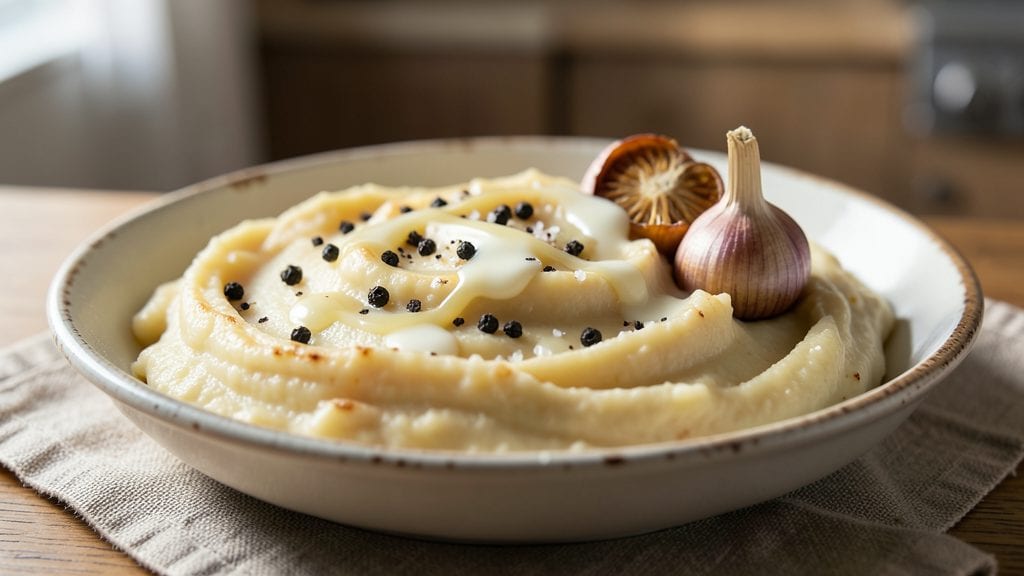
This mushed potatoes recipe delivers the creamy, velvety texture you crave while hiding a bold garlic boost that elevates every bite. The secret lies in precise technique—boiling potatoes until tender, draining thoroughly, and then incorporating butter and warm milk in stages to create a silky-smooth finish.
I’ve perfected this method after years of testing, ensuring no lumps and maximum flavor without overpowering the dish.
The foundation starts with russet potatoes, which break down beautifully when cooked just right. A simple garlic-infused butter—melted with minced garlic and a pinch of salt—adds depth without making the potatoes taste like a garlic soup.
Warm milk (or cream) is the game-changer, ensuring the mash stays creamy and never grainy. This recipe balances richness with subtle seasoning, making it versatile enough for holidays or weeknight dinners.
What sets this apart is the hidden garlic technique: infusing the butter with garlic while it melts, then incorporating it into the warm potatoes. The result is a dish that’s buttery, smooth, and just slightly garlicky—enough to impress but not overpower.
Every bite is velvety, with no lumps or dry spots, and the flavor develops as it rests, making it even better the next day.
For variations, swap dairy for plant-based milk and olive oil for a vegan version, or top with crispy fried shallots for extra texture. This recipe delivers restaurant-quality mashed potatoes with minimal effort—just follow the steps, and you’ll have a side dish that’s foolproof and always a crowd-pleaser.
Ingredients for mushed potatoes
Six ingredients, one perfect technique—creamy, velvety mashed potatoes with a hidden garlic depth.
| Ingredient | Amount | Notes |
|---|---|---|
| Russet Potatoes 🥔 | 3 lb | Medium size, peeled and cubed |
| Unsalted Butter 🧈 | 1 cup | Cold, cut into small cubes |
| Whole Milk 🥛 | 1 ½ cups | Warmed to room temperature |
| Garlic Cloves 🧄 | 6 cloves | Minced, for garlic-infused butter |
| Sea Salt 🧂 | 1 ½ tsp | Fine grain, adjust to taste |
| Freshly Ground Black Pepper 🌶️ | ½ tsp | For subtle seasoning |
| Heavy Cream 🥛 | ½ cup | Optional, for extra richness |
| Roasted Garlic 🧄 | 2 cloves | Optional, for deeper flavor |
Russet potatoes are non-negotiable here—their high starch content breaks down beautifully for that signature smooth texture. Buy them fresh (the same day you plan to cook) and look for ones that feel heavy for their size. Idaho potatoes are the gold standard, but any russet will work. Peeled and cubed evenly, they’ll cook uniformly. For the garlic-infused butter, use freshly minced garlic—pre-minced loses its punch quickly. If you’re short on time, roasted garlic cloves add a mellow sweetness that’s perfect for this recipe. Store potatoes in a cool, dark place until ready to use, and keep garlic in the fridge for maximum freshness.
No whole milk? Half-and-half or warm cream works in a pinch, though the texture won’t be quite as light. Freshly ground black pepper is ideal, but pre-ground is fine if it’s labeled ‘freshly ground.’ For a vegan version, swap dairy for unsweetened almond milk and olive oil, though the texture will be slightly denser. Want extra richness? Add the heavy cream at the very end, just before serving. The key is warming the milk—cold milk makes for grainy mash. If you’re using roasted garlic, blend it into a paste first for a smoother texture. And if you’re feeling adventurous, a splash of white wine or chicken broth adds depth without altering the classic flavor profile.
This mash tastes even better the next day—cover and refrigerate for up to 3 days, then reheat with a splash of warm milk or broth to restore creaminess. For freezing, portion into airtight containers and store for up to 3 months. To reheat, microwave in 30-second bursts, stirring between each, until fully warmed. The secret to restaurant-quality texture? Drain the potatoes thoroughly after boiling, and fold in the butter and milk in stages—never all at once. That’s what keeps it silky, not lumpy.
Why You'll Love This Recipe
- Foolproof Mash: I swear by this method—just boil, drain, mash, and fold. No fancy gadgets, no lumps, no stress. My Russets turn into velvety clouds with zero effort.
- Garlic Butter Magic: That roasted garlic clove tucked into the butter? Chef’s kiss. It melts into the potatoes, giving every bite a rich, savory depth that’s way more exciting than plain old salt.
- Leftover Goldmine: Make a big batch on Sunday, and you’ve got dinner covered all week. Reheat with a splash of milk and a pat of butter—still creamy, still delicious, no one will guess it’s yesterday’s leftovers.
- Budget Comfort Food: Russets are cheap, butter stretches far, and milk adds richness without breaking the bank. It’s the kind of dish that feeds a crowd but costs less than takeout. (Yes, even on a Tuesday night.)
Step-by-step instructions for buttery smooth garlic mash
This method delivers velvety mash with a rich garlic depth and perfect creaminess every time.
Boil Potatoes Until Fork-Tender
Place the 3 lb Russet Potatoes in a large pot and cover with cold water by about 2 inches. Add 1 tsp of the 1.5 tsp sea salt and bring to a rolling boil over high heat. Once boiling, reduce heat to medium-high and cook for 15-20 minutes until a knife slides in easily with minimal resistance.
Drain the potatoes immediately and return them to the pot. Cover with a clean kitchen towel and let them steam for 5 minutes—this step ensures all moisture evaporates, preventing watery mash. The potatoes should feel warm but not hot to the touch when ready for mashing.
Infuse Butter With Garlic
While the potatoes steam, melt ½ cup of the 1 cup unsalted butter in a small saucepan over low heat. Add the 6 cloves minced garlic cloves and cook for 2-3 minutes until fragrant but not browned. Remove from heat and set aside.
For extra depth, mash the 2 cloves roasted garlic directly into the potatoes after mashing. This adds a subtle, sweet garlic flavor without overpowering the dish. Keep the remaining ½ cup butter cold for later use.
Mash Potatoes to Smooth Perfection
Return the drained potatoes to the pot and add the 1.5 cups warmed whole milk and ½ cup heavy cream. Mash with a potato masher or ricer until smooth—no lumps should remain. For ultra-silky texture, I recommend using a ricer, which breaks down the starches more thoroughly than a traditional masher.
Gradually add the ½ cup garlic-infused butter, mixing well after each addition. The mash should be light and airy, with a glossy sheen. If it looks too thick, add 1 tablespoon milk at a time until it reaches a creamy consistency. This ensures the final texture is luxurious and spreadable.
Season and Finish
Add the remaining 1 tsp sea salt and 0.5 tsp freshly ground black pepper, mixing thoroughly. Taste and adjust seasoning—you may need a touch more salt depending on your preference. For extra richness, stir in the remaining ½ cup cold butter, cutting it in with a wooden spoon until fully incorporated.
For the smoothest finish, press the mash through a fine-mesh sieve to eliminate any remaining lumps. Transfer to a serving bowl and cover with plastic wrap pressed directly onto the surface to prevent a skin from forming. Serve immediately while warm.
Pro Tips For Making Mushed Potatoes
- Boil Until Fork-Tender: DESCRIPTION: Russets stay dry if you pull them out too soon—test for doneness by piercing with a knife; it should slide in like butter. I learned this the hard way after serving gummy potatoes that tasted like regret. Aim for 15-20 minutes after boiling, then drain immediately to stop cooking.
- Peel When Cool: DESCRIPTION: Hot potatoes are slippery nightmares. Let them sit 5 minutes after draining, then peel under running water—it’s faster and less messy. My grandmother swore by this, and she was right: no more burnt fingers or potato chunks flying across the kitchen.
- Mash While Warm: DESCRIPTION: Cold potatoes turn gluey no matter how much butter you add. Work in batches, mashing right after draining while they’re still piping hot. This isn’t the prettiest method, but it’s the tastiest—smooth, creamy, and no one will guess you didn’t spend hours on it.
- Roast the Garlic: DESCRIPTION: Skip raw garlic—it’s harsh. Wrap cloves in foil, roast at 400°F for 15 minutes until caramelized, then mash into the potatoes. Sounds weird, but it works: adds depth without bitterness. (Your future self will thank you.)
Common mistakes when making perfect results
Overcooking Potatoes
Boiling potatoes until they’re mushy instead of fork-tender is a classic mistake that leads to watery, gluey mash. I’ve seen this happen when people don’t check for doneness early enough—potatoes should yield to a knife with slight resistance, not collapse like pudding.
For 3 lb russet potatoes, 15-20 minutes in boiling water is perfect. Set a timer and test with a knife at 15 minutes to avoid overcooking. 🥔
Skipping the Drain-and-Steam Step
Many recipes skip the critical 5-minute steam step after draining, which leaves excess moisture in the potatoes. This moisture dilutes the butter and milk, resulting in a thin, soupy mash instead of the creamy texture you want.
Always return drained potatoes to the pot, cover with a clean towel, and let them steam before mashing. This ensures all residual water evaporates, giving you a dry base for proper emulsification.
Adding Cold Milk or Butter
One of the biggest texture killers is adding cold milk or butter directly to hot potatoes. The temperature shock causes the starches to tighten, creating lumps and a grainy finish. Always warm your milk to room temperature and melt the butter gradually over low heat before incorporating.
I even go so far as to warm the butter-milk mixture slightly before folding it into the potatoes—this keeps everything silky smooth. ⚡
Using the Wrong Potato Type
Not all potatoes are created equal for mashing. Waxy varieties like Yukon Golds or red potatoes hold their shape and create a dense, clumpy texture. For this recipe, russet potatoes are non-negotiable—their high starch content breaks down beautifully into a velvety consistency.
If you’re using russets, buy them fresh and peel them uniformly for even cooking. For extra insurance, I recommend Idaho russets, which are the gold standard for mashed potatoes.
Overworking the Mash
Aggressively mashing potatoes with a fork or hand mixer can break down the starches too much, turning your creamy mash into gluey paste. Instead, use a potato ricer or a masher with a perforated head to control the texture.
If you’re using a hand mixer, pulse in short bursts just until smooth. The goal is to create a light, airy texture—not a dense, heavy one. For the smoothest finish, I often press the mash through a fine-mesh sieve after initial mashing.
Ignoring the Butter-to-Milk Ratio
Adding all the butter at once and then drowning it in milk is a recipe for disaster. The butter needs time to emulsify with the potatoes before the milk is introduced.
I recommend adding the butter in two stages: first, infuse half the butter with garlic and work it into the warm potatoes, then finish with the remaining cold butter at the end.
The milk should be added gradually, 1 tablespoon at a time, until you reach the perfect creamy consistency. This layered approach ensures the fat and liquid bind properly for a luxurious texture.
Nutrition facts
Frequently asked questions
Why do my mashed potatoes turn out lumpy?
Lumps happen when you don’t break down the potato starches enough or add cold liquids too soon. Use a potato ricer or mash with a wooden spoon in stages—never a fork! Always warm your milk and butter before mixing, and fold them in gradually while mashing. For extra silkiness, press the finished mash through a fine-mesh sieve.
Can I make this recipe without dairy?
Swap the butter for olive oil or vegan butter, and use unsweetened almond milk instead of whole milk. For richness, add ½ cup coconut cream at the end. The texture will be slightly denser but still creamy. Roasted garlic adds depth without dairy too!
How do I reheat mashed potatoes without drying them out?
Reheat in 30-second bursts in the microwave, stirring between each. For stovetop reheating, warm in a saucepan over low heat with 1-2 tablespoons warm milk or broth. Never microwave uncovered—always use a lid or damp paper towel to trap steam. The key is gentle heat to restore creaminess.
What’s the best way to store leftover mashed potatoes?
For short-term storage, keep in an airtight container in the fridge for up to 3 days. Press plastic wrap directly onto the surface to prevent drying. For freezing, portion into containers with ¼-inch headspace and freeze for up to 3 months. Thaw overnight in the fridge before reheating.
Can I add cheese to this recipe?
Yes! For a cheesy twist, stir in ½ cup shredded sharp cheddar or Gruyère while the potatoes are still warm. Add it gradually to avoid clumping, and mix until fully melted. Cream cheese also works well—fold in ¼ cup softened cream cheese at the end for extra richness. Just be mindful of moisture content.