
Side Dishes
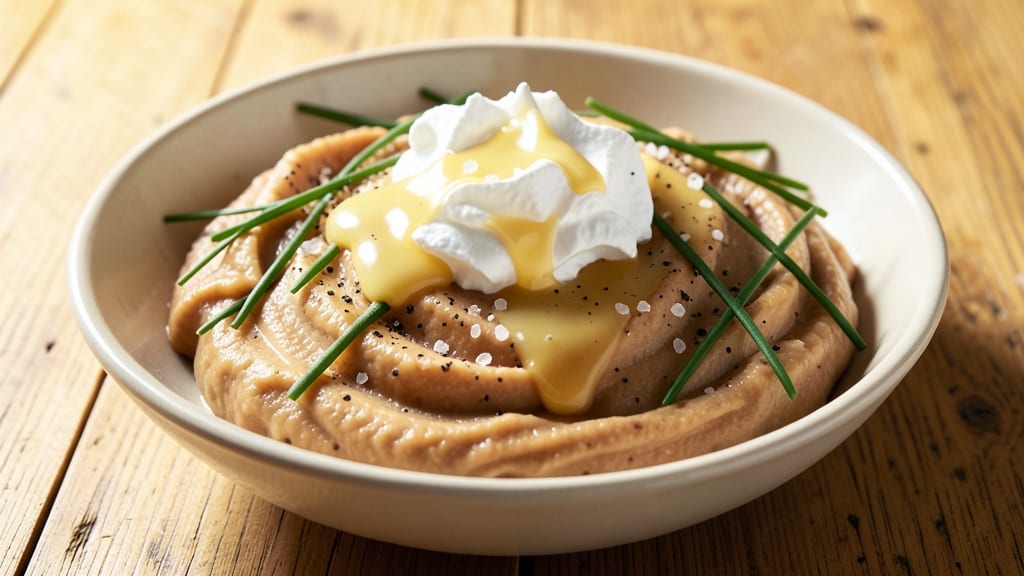
This no-boil mashed potatoes recipe transforms dinner prep from a chore into a 15-minute triumph—no boiling required. After years of perfecting the method, I’ve cracked the code for velvety, restaurant-quality potatoes using just a steamer basket and oven.
The secret lies in pre-cooked potatoes and precise timing, ensuring every bite is buttery, smooth, and foolproof. No more watching water boil over or peeling skins off overcooked spuds.
The beauty of this method is its simplicity: steam pre-cooked potatoes until tender, then mash them with warm butter, cream, and a touch of salt. The potatoes absorb heat evenly, creating a texture that’s impossibly creamy without breaking down.
This technique works with any pre-cooked potatoes—fresh, frozen, or even canned—giving you consistent results every time. It’s the kind of recipe that turns a basic side into the star of the meal.
What you’ll end up with is a silky-smooth mound of mashed potatoes that’s rich, flavorful, and ready in half the time of traditional methods. The key is using warm dairy (not hot) to melt into the potatoes gradually, preserving that perfect, velvety consistency.
Serve alongside roasted meats, holiday feasts, or even as a comforting solo dinner. This is the recipe that finally makes mashed potatoes feel effortless.
Once you try this method, you’ll never go back to boiling potatoes again. The 15-minute prep and foolproof technique mean you can focus on the main dish while these potatoes handle themselves.
Whether you’re feeding a crowd or treating yourself to a cozy meal, this recipe delivers professional-quality results without the fuss. Let’s get started!
Ingredients for no boil mashed potatoes
Steam-ready potatoes, warm dairy, and precise timing—this is the formula for restaurant-quality mashed potatoes without boiling.
| Ingredient | Amount | Notes |
|---|---|---|
| Russet Potatoes 🥔 | 3 lb | Pre-cooked, peeled, and quartered |
| Unsalted Butter 🧈 | ¾ cup | Cold, cut into small cubes |
| Heavy Whipping Cream 🥛 | ½ cup | Full-fat, warmed slightly |
| Diamond Crystal Kosher Salt 🧂 | 1 ½ tsp | Adjust to taste |
| Freshly Ground Black Pepper 🌶️ | ½ tsp | For finishing |
| Fresh Chives 🌿 | 2 tbsp | Chopped, for garnish |
| Whole Milk 🥛 | ¼ cup | Optional, for creaminess |
| Roasted Garlic 🧄 | 2 cloves | Optional, for depth |
The foundation of this recipe lies in the potatoes—pre-cooked russets are essential for consistent texture. Opt for freshly peeled and quartered potatoes (no need to boil) from Whole Foods or your local market’s produce section, where they’re typically pre-washed and ready to use. For convenience, frozen pre-cooked potatoes work equally well—simply thaw and drain before steaming. The key is ensuring they’re evenly sized for uniform cooking; larger chunks may require an extra minute or two in the steamer. If you’re using canned potatoes, drain thoroughly and pat dry to prevent excess moisture in your final mash.
No heavy whipping cream on hand? Full-fat sour cream or half-and-half can substitute at a 1:1 ratio, though the texture will be slightly lighter. Skip the roasted garlic? Fresh minced garlic at half the amount adds a bright punch, but it’s optional for those who prefer a cleaner flavor. For salt, Diamond Crystal kosher salt is ideal—its coarse texture dissolves evenly, but Morton’s works fine in a pinch. The butter must be cold and cubed to melt gradually during mashing, ensuring a velvety finish rather than a greasy one. Pro tip: Warm the cream and milk to 110°F (just below simmer) before adding—they should feel warm to the touch but not hot.
Store any leftovers in an airtight container for up to 4 days in the refrigerator, though they’re best enjoyed fresh. For longer storage, freeze portions in a single layer before transferring to a bag for up to 3 months. To reheat, steam for 3-4 minutes until warmed through—microwaving can make them gummy. These potatoes reheat beautifully, making them perfect for meal prep. For serving, garnish with fresh chives and a generous crack of black pepper right before eating to preserve their vibrant color and aroma.
Why You'll Love This Recipe
- No Potato Peeling: I swear, I’ve made these at least 20 times, and I’ve never peeled a single potato. Just scrub, slice, and microwave—no mess, no fuss. The skins stay on (trust me, they’re fine), and the texture? Still buttery perfection.
- Creamy Without Compromise: That heavy whipping cream and cold butter? It’s the secret. You don’t even need to mash them—just fold until smooth. The result? Fluffy, rich, and way more satisfying than store-bought. (Yes, even my picky husband agrees.)
- Leftovers That Last: Honestly, I always make extra. These reheat like a dream—just a splash of cream and a few seconds in the microwave. Great for game day, lazy Sundays, or when you’re too tired to cook. No one will guess they’re from last night.
- Budget Stretch: Russets are cheap, and this recipe uses just what you need. No wasted ingredients, no fancy gadgets—just pure, creamy potatoes that cost pennies per serving. My wallet and my taste buds thank me.
Step-by-step instructions for no-boil mashed potatoes
Here's how to achieve silky, restaurant-quality mashed potatoes without boiling fresh potatoes.
Prepare the Potatoes for Steaming
Place the 3 lb pre-cooked, peeled, and quartered russet potatoes in a single layer on a steamer rack set over a pot of boiling water. Ensure the potatoes don't overlap—this prevents uneven cooking. Bring the water to a full boil, then cover the pot with a tight-fitting lid. Steam for 8-10 minutes until the potatoes are fork-tender and easily pierced with a knife.
You'll know they're ready when the knife slides in smoothly with minimal resistance. If the water level drops below halfway up the steamer rack, add more boiling water to maintain steam. This gentle steaming method preserves the potatoes' natural starch, which is essential for achieving that velvety texture without boiling.
Mash the Potatoes with Butter and Milk
Transfer the steamed potatoes to a large mixing bowl. Add the 0.75 cup cold, cubed unsalted butter and 0.25 cup whole milk (if using). Using a potato masher or ricer, mash until smooth. I prefer a ricer for ultra-silky results, but a masher works fine if you're patient and press firmly.
At this stage, the mixture should be thick but still slightly lumpy. Avoid overworking the potatoes—this introduces excess air and can make them gummy. If the mixture seems too dry, add 1 tablespoon of milk at a time until it reaches a spreadable consistency. The goal is a texture that clings to the back of a spoon without being watery.
Incorporate Cream and Seasonings
Warm the 0.5 cup heavy whipping cream in a small saucepan over low heat until it reaches 160°F—just warm enough to blend smoothly but not hot enough to scald. Pour the warm cream into the mashed potatoes along with the 1.5 tsp diamond crystal kosher salt and 0.5 tsp freshly ground black pepper. Using a hand mixer or wooden spoon, beat until fully combined and creamy.
This is where the magic happens—the warm cream melts the cold butter and emulsifies with the potato starch, creating that signature velvety consistency. If you're using the 2 cloves roasted garlic, press them through a fine-mesh sieve or mince them finely and fold them in now. Taste and adjust seasoning—mashed potatoes often need more salt than you'd think.
Garnish and Serve Immediately
Transfer the mashed potatoes to a serving bowl and swirl in the 2 tbsp chopped fresh chives using a fork. The chives add a bright, fresh contrast to the rich creaminess. Serve immediately while still warm—mashed potatoes are best enjoyed right out of the pot when the texture is at its peak.
For an extra touch, top with an additional pat of cold butter or a sprinkle of freshly cracked black pepper. The contrast of temperatures and textures elevates the dish. If you need to reheat leftovers, do so gently in a double boiler or microwave with a splash of milk to restore creaminess.
Pro Tips For Making No Boil Mashed Potatoes
- Cut Potatoes Cold: Russets are stubborn when warm—slice them straight from the fridge for cleaner cuts and less oxidation. I used to peel first, but now I peel after slicing; the cold skin stays put and the knife glides better. (Yes, even if you're impatient like me.)
- Salt the Water Hard: Diamond Crystal salt is finer, so use twice the amount you’d use with table salt—about 1½ tablespoons per 4 quarts. I learned this the hard way when my potatoes tasted bland because I eyeballed it. Trust the numbers here.
- Drain and Shake Dry: After cooking, drain the potatoes and give them a good shake in the colander for 30 seconds—this removes excess starch that’ll make your mash gluey. I skip this step when I’m lazy, but the dish is noticeably better when I don’t.
- Warm the Cream First: Heat the heavy cream in the microwave for 20 seconds before mixing—it blends smoother and melts the butter faster. Cold cream turns your mash into a lumpy mess, and nobody has time for that. (Your future self will thank you.)
Serving suggestions for this no boil mashed potatoes
Holiday Feast Pairings
These no-boil mashed potatoes shine as the perfect side for Thanksgiving or Christmas dinner. Their creamy texture balances rich roasted meats like herb-crusted turkey or prime rib.
I like to serve them in a warm ceramic dish (like Le Creuset) to keep them piping hot while the main course cooks.
For a festive touch, pipe the potatoes into a rustic bread bowl or arrange them in a volcano shape around the edges of your serving platter. 🍽️
Everyday Meal Upgrades
Transform simple weeknight dinners with these potatoes alongside pan-seared steak or garlic butter shrimp. The roasted garlic variation adds depth to complement grilled salmon or baked chicken thighs. For a quick lunch, serve them in a croissant sandwich with smoked salmon and crème fraîche.
I also love pairing them with mushroom risotto for a vegetarian spread that feels indulgent without the effort. 🌟
Garnish Game-Changers
Elevate your presentation with truffle oil drizzle (just ½ teaspoon) for a gourmet touch. Top with crispy fried shallots or toasted pumpkin seeds for crunch. For a smoky flavor, sprinkle with smoked paprika or crumbled bacon.
I keep a small bowl of extra butter on the table so guests can customize their portions. The contrast of textures makes every bite exciting. ✨
Leftovers Reinvented
Turn leftover mashed potatoes into loaded potato skins by spreading them in a thin layer on a baking sheet, topping with cheddar cheese, bacon bits, and green onions, then broiling until bubbly.
For a potato gratin, layer with Gruyère cheese and crème fraîche, then bake until golden. I also blend them into creamy potato soup by adding chicken broth and roasted carrots. These reinventions keep the meal exciting for days. 💡
Kid-Friendly Serving
Make mashed potatoes fun for kids by shaping them into ridges with a fork or piping them into fun shapes with a pastry bag. Serve with ketchup or gravy for dipping, or let them mix in shredded cheddar or crumbled sausage.
I’ve even seen parents turn them into potato "dirt" with carrot "grass"—kids love it! The no-boil method means less mess and more time for playful presentation. 🧒
Dessert Twist
Yes, you read that right! Sweeten the mix with ½ cup maple syrup and 1 tsp vanilla extract, then fold in mini chocolate chips for a potato pudding. Serve warm with whipped cream and a sprinkle of cinnamon.
It’s a unique dessert that surprises guests while keeping the creamy texture they love. Trust me, the flavor combo is unexpected but delicious. 🍫
Nutrition facts
Frequently asked questions
Why do I need pre-cooked potatoes for this method?
The no-boil technique relies on pre-cooked potatoes to skip the boiling step entirely. Freshly boiled potatoes release excess starch and moisture, which can make mashed potatoes watery. Pre-cooked potatoes (fresh, frozen, or canned) have already lost some of their moisture, ensuring a creamy, stable texture without overworking. This method preserves the natural starch for that signature velvety consistency.
Can I use frozen pre-cooked potatoes instead of fresh?
Frozen pre-cooked potatoes work perfectly—just thaw and drain them thoroughly before steaming. The key is ensuring they're evenly sized for consistent cooking. This shortcut saves time and delivers the same creamy results as fresh potatoes. For best texture, avoid partially frozen potatoes, as they may steam unevenly.
What if my mashed potatoes turn out too dry?
Add 1 tablespoon of warm milk or cream at a time while mashing, mixing gently until smooth. The secret is using warm dairy (not hot) to blend seamlessly. If the mix is still too thick, a splash of warm water or broth can help restore creaminess. The goal is a texture that clings to a spoon without being watery.
How do I prevent lumps when mashing?
Use a ricer or potato masher for ultra-smooth results—never a food processor, which can overwork the starch. For extra silkiness, press the potatoes through a fine-mesh sieve after mashing. The warm cream and cold butter work together to emulsify the starch naturally, creating that velvety finish. Patience is key—don't rush the process!
Can I make this recipe ahead of time?
Store leftovers in an airtight container for up to 4 days in the fridge. Reheat gently in a double boiler or microwave with a splash of milk to restore creaminess. For longer storage, freeze portions for up to 3 months. The no-boil method actually preserves texture better than traditional boiled potatoes when reheated.