
Side Dishes
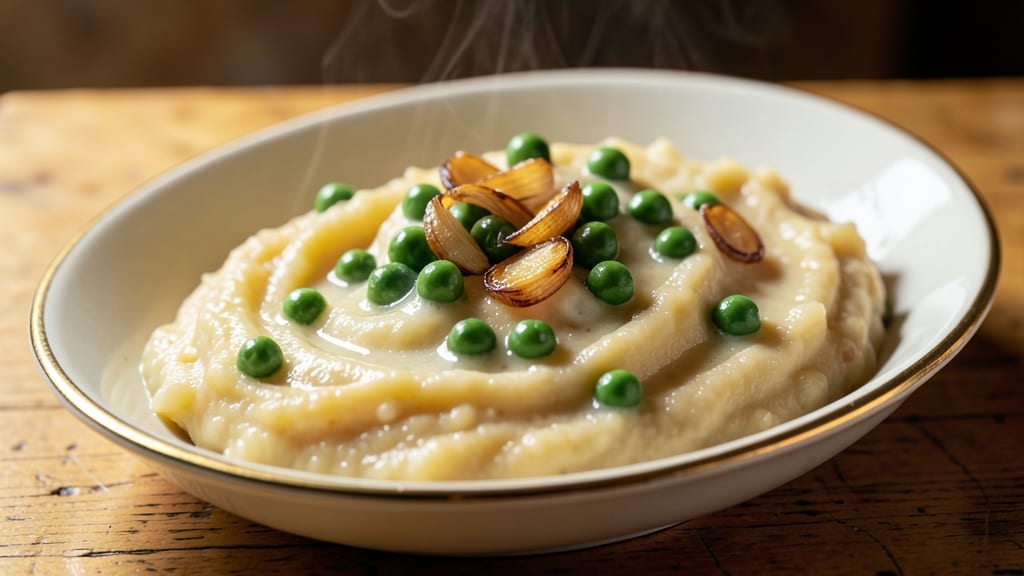
This old-fashioned creamed potatoes and peas recipe brings back the comforting flavors of home-cooked meals from generations past. The velvety cream sauce clings perfectly to tender potatoes, while sweet peas add a touch of freshness that makes every bite feel special.
I've perfected this dish over years of family gatherings, where it always disappears first.
What sets this recipe apart is the balance of rich, creamy texture with the bright sweetness of peas—no heavy cream here, just a simple, foolproof method that delivers restaurant-quality results. The potatoes cook until tender but firm, then blend into a smooth, velvety sauce that coats them beautifully.
Timing is everything, and I'll walk you through each step to ensure perfect consistency every time.
The final dish is creamy yet light, with a subtle seasoning that lets the natural flavors shine through. The peas stay vibrant and slightly crisp, adding a delightful contrast to the smooth potatoes.
This is the kind of side dish that elevates any meal, from holiday feasts to cozy weeknight dinners.
Ready in under 45 minutes, this recipe is perfect for special occasions or when you want to bring a touch of nostalgia to your table. The secret lies in the technique—low and slow cooking for the potatoes, careful blending for the sauce, and just the right amount of seasoning.
Let's create this classic dish together.
Ingredients for old fashioned creamed potatoes and peas
Six ingredients bring back the comforting flavors of home-cooked meals from generations past.
| Ingredient | Amount | Notes |
|---|---|---|
| Russet Potatoes 🥔 | 2 ½ lb | Cut into 1-inch cubes, peeled |
| Fresh Peas 🌱 | 1 ½ cups | Shelling or frozen, thawed |
| Heavy Cream 🥛 | 1 cup | Full-fat for best texture |
| Whole Milk 🥛 | ½ cup | Warmed for smooth blending |
| Unsalted Butter 🧈 | 4 tbsp | Cold, cut into small pieces |
| Shallots 🧅 | 2 whole | Minced, for subtle sweetness |
| Garlic Cloves 🧄 | 2 cloves | Minced, fresh preferred |
| Fresh Thyme Leaves 🌿 | 1 tbsp | Or 1 tsp dried thyme |
| Salt 🧂 | ½ tsp | Kosher or sea salt |
| White Pepper 🌶️ | ¼ tsp | Freshly ground preferred |
| Chicken Broth 💧 | ½ cup | Low-sodium for balance |
| All-Purpose Flour 🌾 | 1 tbsp | For thickening sauce |
The potatoes are the foundation—Russet potatoes are ideal for their fluffy texture when cooked low and slow. Buy a 2.5 lb bag from the grocery store's produce section, not the pre-cut bags—they tend to dry out faster. For the peas, fresh is best, but frozen works in a pinch (thaw and drain well). The heavy cream and butter are non-negotiable—full-fat versions create that signature velvety texture. If you're watching calories, you can reduce the cream slightly, but the dish loses some of its richness. Shallots add subtle sweetness—substitute with 2 tbsp finely chopped yellow onion if they're hard to find, but you'll miss that delicate flavor.
No fresh thyme? Dried works at one-third the amount, but the aroma is different. The flour is just for thickening—arrowroot powder works too if you prefer gluten-free. For the chicken broth, low-sodium is key—you'll be adding salt later. If you don't have shallots, garlic alone works, but the dish benefits from that mild onion sweetness. The peas should stay vibrant—don't overcook them or they turn mushy. For extra richness, add 1 tbsp of sour cream at the end, but it's not traditional. The secret to the perfect sauce is patience—let it simmer gently to avoid breaking the cream.
This dish reheats beautifully—store in an airtight container for up to 3 days in the fridge. For longer storage, freeze for 2 months, but the texture changes slightly upon thawing. The peas can be added fresh after reheating to keep them vibrant. To serve, garnish with extra thyme leaves for a pop of color. This recipe makes enough for a family of six, but double it for holiday gatherings—it's always a crowd-pleaser. The key to keeping it creamy is to stir constantly while reheating and add a splash of milk if needed.
Why You'll Love This Recipe
- One-Pot Magic: I swear by this recipe when I’m too tired to juggle multiple pans—just boil the potatoes, mash them right in the pot, then stir in the peas and cream. No extra dishes, no stress, and honestly? It still tastes like a Sunday dinner.
- Creamy Velvety Dream: That rich combo of butter, heavy cream, and whole milk turns fluffy potatoes into something luxurious. The peas add a bright pop, and the texture? Silky, but not heavy—like a hug in a bowl.
- Leftovers That Don’t Suck: Between us, most creamed potato recipes turn into gluey sadness by day two. Not this one. The cream keeps it luscious, and I’ve reheated portions for days—even my picky husband asks for seconds. (Yes, even on a Tuesday night.)
- Budget-Friendly Luxury: Russets are cheap, frozen peas work in a pinch, and a stick of butter stretches further than you’d think. It’s the kind of dish that makes frugal meals feel special—no fancy ingredients, just pure, satisfying comfort.
Step-by-step instructions for creamed potatoes and peas
Here's the method for velvety creamed potatoes with sweet peas—rich, smooth, and perfectly balanced.
Parboil and Cube the Potatoes
Peel the 2.5 lb russet potatoes and cut them into 1-inch cubes. Place them in a large pot of cold, salted water—enough to cover by 1 inch. Bring to a boil over high heat, then reduce to a gentle simmer for 10 minutes. You want them partially cooked but still firm to the bite.
Drain the potatoes immediately and return them to the pot. Let them steam-dry for 2 minutes to remove excess moisture. This step prevents a watery sauce later. The potatoes should feel warm but not sticky when handled. I always use a slotted spoon for this to avoid crushing them.
Sauté Shallots and Garlic
In a large, heavy-bottomed skillet, melt 2 tablespoons of the unsalted butter over medium heat. Add the minced 2 whole shallots and cook for 3-4 minutes until soft and translucent. Add the minced 2 cloves garlic and cook for another 30 seconds until fragrant.
Don't let the shallots brown—they should remain pale golden. If they start to darken, reduce the heat slightly. This foundational step builds flavor without bitterness. I like to keep the skillet warm but not hot to prevent burning the delicate aromatics.
Build the Cream Sauce
Add the remaining 2 tablespoons of unsalted butter to the skillet with the shallots and garlic. Stir in the 1 tablespoon all-purpose flour and cook for 1 minute to remove the raw flour taste. Slowly whisk in the 0.5 cup chicken broth and 0.5 cup whole milk, stirring constantly to prevent lumps.
Bring the mixture to a gentle simmer and cook for 3-4 minutes until slightly thickened. Remove from heat and stir in the 1 cup heavy cream, 1 tablespoon fresh thyme leaves, 0.5 teaspoon salt, and 0.25 teaspoon white pepper. The sauce should be smooth and just beginning to coat the back of a spoon.
Combine Potatoes and Peas
Add the drained potatoes to the skillet and gently fold them into the cream sauce using a wooden spoon. Stir in the 1.5 cups fresh peas and cook over medium-low heat for 5-6 minutes, stirring occasionally. The sauce should thicken slightly as it absorbs the potato starch.
If the sauce becomes too thick, add 1-2 tablespoons of hot water or milk to reach your desired consistency. The peas should be heated through but still vibrant in color. I like to taste at this stage to adjust seasoning—sometimes another pinch of salt or a crack of white pepper makes all the difference.
Finish and Serve
Transfer the creamed potatoes and peas to a serving dish and cover with a lid. Let them rest for 5 minutes to allow the flavors to meld. This resting period ensures a perfectly creamy texture without the sauce breaking.
Garnish with additional fresh thyme leaves if desired. Serve immediately with roasted chicken or ham for a classic, comforting meal. The potatoes should be tender but not mushy, with a velvety sauce that clings beautifully to each bite. Each spoonful should deliver the sweetness of the peas and the richness of the cream sauce in perfect harmony.
Pro Tips For Making Old Fashioned Creamed Potatoes And Peas
- Boil Potatoes Whole: I learned this the hard way—peeling and chopping Russets first makes them turn to mush. Keep those skins on and boil them whole until fork-tender (about 15-20 minutes), then slice them after draining. The starch stays trapped, so your cream sauce won’t turn gluey later.
- Shock Peas Immediately: Fresh peas lose their bright green color and crisp texture the second they hit boiling water. Blanch them in salted water for 30 seconds, then dump them straight into ice water to stop cooking. Drain well before folding into the potatoes—no soggy, sad peas here.
- Melt Butter Slow: Dumping cold butter into the hot potato-pea mix will make your sauce separate. Instead, melt the butter first (low and steady, no splattering), then whisk in the warm milk and cream gradually. The sauce will come together smoother, and you’ll avoid that dreaded curdled look.
- Reserve Starchy Water: When draining the potatoes, save a splash of that milky starchy water—about ¼ cup. Stir it into the cream mixture at the end. It thickens the sauce naturally without needing extra flour, and it keeps the texture rich and velvety. (Yes, even if it looks weird.)
Best sauces and condiments for this recipe
Classic Cream Sauce
The foundation of this dish is the velvety cream sauce, which I build using 1 cup heavy cream, ½ cup warmed whole milk, and 2 tbsp butter.
The key is to temper the cream gradually by whisking in warm milk and broth first, then adding the cold cream off the heat. This prevents curdling and ensures a silky texture. I always use low-sodium chicken broth to balance flavors without overpowering the delicate seasoning. 🥛
Herb-Infused Butter
For extra depth, I infuse 2 tbsp butter with 1 tbsp fresh thyme leaves and ½ tsp white pepper while melting it in the skillet. This creates a fragrant base that carries through the entire dish.
You can also add a pinch of nutmeg for warmth, though it's not traditional. The butter should melt completely but not brown—just until it's aromatic and golden. This step elevates the sauce from ordinary to extraordinary.
Pea Brightness
Fresh peas add a vibrant contrast to the creamy potatoes. I use 1.5 cups shelled peas, either fresh or thawed frozen, and fold them in just before serving to preserve their bright green color.
If using frozen peas, drain them well and pat dry with a paper towel to prevent excess moisture. For a touch of acidity that cuts through the richness, I sometimes add 1 tsp lemon zest when folding in the peas. This keeps the dish feeling fresh and lively.
Thyme Garnish
A final sprinkle of fresh thyme leaves adds both visual appeal and aromatic depth. I like to use a microplane to finely grate the thyme leaves directly over the dish for an elegant presentation. For a pop of color, a few edible flowers work beautifully, though they're optional.
The thyme should be added just before serving so it stays fragrant and doesn't wilt into the sauce. This finishing touch ties all the flavors together perfectly.
Buttermilk Twist
For a tangy variation, I sometimes replace ¼ cup of the heavy cream with buttermilk when building the sauce. The acidity balances the richness and adds a subtle complexity that pairs wonderfully with roasted meats.
If you try this, be sure to whisk the buttermilk into the warm milk-broth mixture first to prevent curdling. This version works especially well with ham or turkey. 💫
Dijon Mustard Kick
To add a sophisticated depth, stir 1 tsp Dijon mustard into the sauce during the final minutes of cooking. The mustard's sharpness brightens the dish and complements the sweet peas beautifully. I recommend using Maille mustard for its smooth texture and balanced flavor.
This variation works particularly well when serving with roasted duck or pork. The mustard should be folded in gently to avoid overpowering the delicate cream sauce.
Nutrition facts
Frequently asked questions
Can I use instant potatoes instead of fresh?
Fresh potatoes give the best texture, but you can use instant potatoes in a pinch. Simply prepare them according to package instructions, drain well, and let them cool completely before adding to the sauce. The texture will be slightly different—more granular—but it still works for a quick version. For the best results, use 1.5 cups of prepared instant potatoes and add them during the final 3 minutes of cooking.
Why is my sauce breaking or getting lumpy?
Sauce breaking usually happens when the cream is added too quickly or the heat is too high. Always temper the cream by whisking it into warm milk and broth first, then adding it off the heat. Keep the sauce at a gentle simmer—never a hard boil—and stir constantly. If lumps form, blend briefly with an immersion blender or strain through a fine-mesh sieve for a silky finish.
Can I make this dish ahead of time?
This dish reheats beautifully. Store in an airtight container in the fridge for up to 3 days. To reheat, warm gently on the stove over low heat, stirring frequently and adding a splash of milk if needed. For the freshest peas, fold them in just before serving. Freezing isn't recommended as it can alter the creamy texture.
What's the best way to keep the peas vibrant?
Peas lose their bright color when overcooked. Add them to the sauce only in the final 5-6 minutes of cooking, and keep the heat at medium-low. For extra freshness, use 1 tsp lemon zest when folding them in. If using frozen peas, thaw and drain them thoroughly, then pat dry with a paper towel to remove excess moisture that can make the sauce watery.
Is there a dairy-free version?
Yes! Replace the heavy cream with 1 cup full-fat coconut milk and use 2 tbsp olive oil instead of butter. For thickness, blend 1 tbsp cornstarch with 2 tbsp cold water and stir it into the sauce. The texture will be slightly different but still delicious. Add a pinch of nutmeg to enhance the creamy flavor without dairy.