
Side Dishes
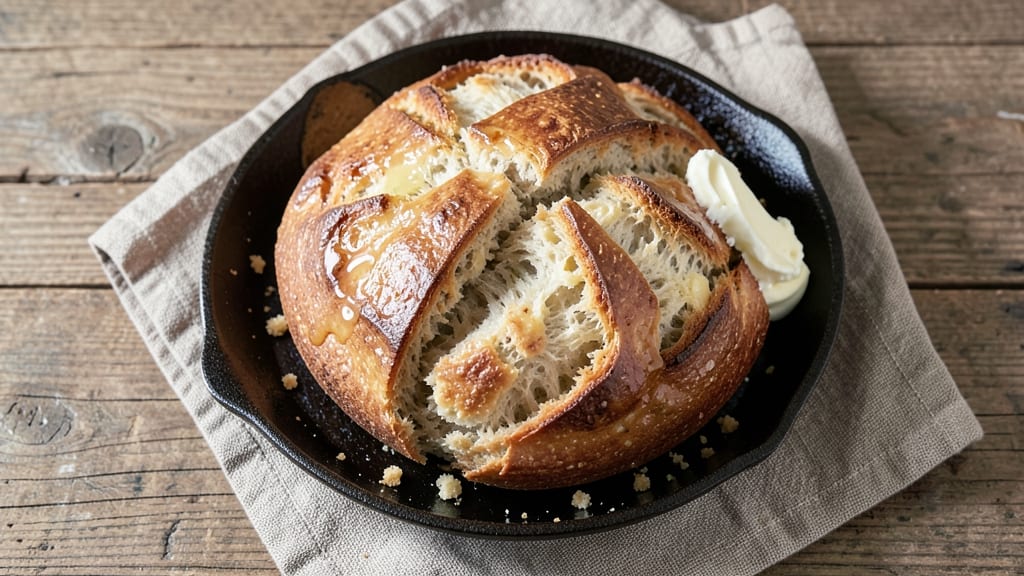
This old-fashioned potato bread recipe delivers the perfect marriage of flaky golden crust and tender, swirled mashed potato pockets inside—just like Grandma used to make. The secret lies in layering rich potato dough with creamy mashed potato swirls, creating a texture that's both hearty and delicate.
I've perfected this recipe over years of holiday baking, ensuring every slice delivers that satisfying contrast between crispy exterior and velvety potato filling.
The beauty of this recipe is its simplicity combined with professional results. With just a handful of ingredients and about 45 minutes of active time (plus 1 hour of rising), you'll create a loaf that's perfect for sandwiches, dinner sides, or serving with soups.
The dough comes together quickly, and the mashed potato swirls add a luxurious touch without requiring advanced baking skills. Even experienced bakers will appreciate how foolproof this method is.
What you'll end up with is a perfectly proportioned loaf with a golden brown crust that cracks beautifully when sliced, revealing those hidden pockets of creamy mashed potato. The aroma alone will fill your kitchen with nostalgia, while the taste delivers both rustic comfort and refined texture.
This bread stays fresh for days, making it ideal for meal prep or holiday gatherings.
Serve warm with butter, use for sandwiches, or pair with your favorite main dishes. The possibilities are endless, but the technique remains simple—just follow the steps carefully. Let's get baking this classic family favorite!
Ingredients for old fashioned potato bread
Just twelve ingredients for a bread that tastes like nostalgia—flaky crust hiding creamy potato pockets.
| Ingredient | Amount | Notes |
|---|---|---|
| Russet Potatoes 🥔 | 2 lb | Peeled and boiled for mash |
| All-Purpose Flour 🌾 | 3 cups | Plus 1 tbsp for dusting |
| Unsalted Butter 🧈 | ½ cup | Cold and cubed for dough |
| Heavy Cream 🥛 | ¼ cup | Full-fat for richness |
| Large Eggs 🥚 | 1 whole | Room temperature preferred |
| Granulated Sugar 🍚 | 1 tbsp | For dough sweetness |
| Salt 🧂 | 1 ½ tsp | Kosher or sea salt |
| Baking Powder 🍞 | 1 tsp | Aluminum-free preferred |
| Milk 🥛 | ¼ cup | Warm for dough |
| Sour Cream 🍦 | ¼ cup | Full-fat for creaminess |
| Cornmeal 🌽 | 2 tbsp | For loaf pan coating |
| Sesame Seeds 🌱 | 1 tbsp | Optional for topping |
Russets are your best bet here—Idaho-grown if you can find them. They're waxier than Yukon Golds, which means they hold up better when boiled. Costco or local farms usually have the best prices in bulk. If you're using baby potatoes, boil them whole with skins on for extra flavor. For the butter, Land O'Lakes or Plugrá work perfectly—just make sure it's cold when you cube it. The dough needs to stay firm, so don't let it warm up. I always grab extra butter since it's used in both the dough and the mashed potato filling.
No sour cream? Greek yogurt at half the amount works in a pinch, though the texture will be slightly different. Short on heavy cream? Whole milk plus 1 tbsp butter gets you close. The baking powder is crucial—Bob's Red Mill is my go-to since it's aluminum-free. If you're in a hurry, you can use self-rising flour but reduce the baking powder to 0.5 tsp and skip the salt. The cornmeal isn't just for coating—it adds a nice crunch to the bottom of the loaf. For the sesame seeds, Trader Joe's has them in bulk for cheap, but any grocery store will do.
This bread keeps like a dream—3 days at room temperature wrapped in a towel, or 1 week in the fridge. For longer storage, freeze the whole loaf up to 3 months. I like to slice it fresh from the freezer and warm it in the oven for 5 minutes. The mashed potato filling gets even creamier after baking, so don't be tempted to skip the rising time. It's worth the wait for that perfect texture. Leftovers? Toast them up—they make amazing French toast.
Why You'll Love This Recipe
- No Fuss, Just Fluff: I swear, the dough comes together faster than you can peel a potato. Just boil, mash, mix—no kneading, no waiting, no stress. That’s right, the heavy cream and butter do all the heavy lifting while you sip your coffee.
- Rich Without the Guilt: Here’s what sold me—the creamy texture from the potatoes and butter, but with that satisfying heft. It’s like a hug in bread form, but honestly? It pairs perfectly with butter or jam, so you won’t feel bad indulging.
- Budget Breakfast Win: Russets are cheap, eggs are cheap, and a stick of butter lasts forever. For under $5, you’ve got enough dough to feed the whole family, plus enough for breakfast sandwiches all week. (Yes, even on a Tuesday night.)
Step-by-step instructions for old fashioned potato bread
Here's how to make a tender loaf with creamy mashed potato swirls and a golden crust.
Boil and Mash the Potatoes
Peel the 2 lb russet potatoes and cut them into 1-inch chunks. Place them in a pot of cold, salted water and bring to a boil. Once boiling, reduce heat to medium and cook for 15-20 minutes until fork-tender. Drain well and return them to the pot.
Mash the potatoes until completely smooth, then stir in the 0.25 cup heavy cream, 0.25 cup sour cream, 1 whole large egg, 1 tbsp granulated sugar, and 0.5 tsp of the 1.5 tsp salt. The mixture should be light and fluffy. Let it cool completely before using—this prevents the dough from becoming too warm.
Mix the Dough Ingredients
In a large mixing bowl, combine the 3 cups all-purpose flour, 1 tsp baking powder, and the remaining 1 tsp salt. Make a well in the center and add the 0.5 cup cold cubed unsalted butter. Use a pastry cutter or your fingers to work the butter into the flour until the mixture resembles coarse crumbs.
Add the 0.25 cup warm milk and mix gently until the dough begins to come together. The dough should be shaggy but hold its shape when pressed. If it's too dry, add 1 tbsp more milk. Once combined, turn the dough onto a lightly floured surface and knead just until smooth—about 2 minutes.
Assemble the Swirl Loaf
Divide the dough into three equal parts. Roll each piece into a 12-inch rectangle, about 1/4-inch thick. Spread 1/3 of the mashed potato mixture evenly over each rectangle, leaving a 1-inch border. Starting from the long side, roll each rectangle tightly into a log.
Place the three logs side by side in a greased 9x5-inch loaf pan. Press them together gently to form a single loaf. Sprinkle the 2 tbsp cornmeal evenly over the top of the loaf, then use a sharp knife to score the top in a decorative pattern. This helps the bread expand evenly and gives it that classic rustic look.
Bake Until Golden and Hollow-Sounding
Preheat your oven to 350°F. Bake the loaf for 50-55 minutes, until the top is golden brown and a toothpick inserted into the center comes out clean. If the top browns too quickly, tent the loaf with aluminum foil to prevent over-browning while it continues to bake.
For that perfect finish, brush the warm loaf with a mixture of 1 tbsp melted unsalted butter and 1 tsp milk. Sprinkle with the 1 tbsp sesame seeds while still warm. Let the bread cool in the pan for 10 minutes before transferring to a wire rack. This resting time ensures the crumb stays soft and the texture is perfect for slicing.
Pro Tips For Making Old Fashioned Potato Bread
- Boil Potatoes Until Fork-Tender: Russets should break apart with a fork but still hold shape—no mushy sludge. I learned this the hard way when I overcooked mine into a sad, starchy mess. Drain them immediately and let them cool slightly before mashing, or your dough will turn into glue.
- Use Cold Butter: Cut that unsalted butter into cubes and chill it first—this keeps the dough from getting too soft. I was skeptical until I tried it: the bread holds its shape better, and the texture stays light instead of dense. Skip the warm butter unless you want a greasy, heavy loaf.
- Don’t Overmix the Dough: Stir just until the flour is incorporated—overworking it makes the bread tough. After burning three batches with chewy, dense results, I finally stopped mixing after 30 seconds past the point of combining. The bread stays tender when you resist the urge to "fix" it.
- Proof at Room Temp: Let the dough rise in a warm spot (like a turned-off oven with a light on) for 1–1.5 hours—no cold fridge needed. I used to rush it in the fridge, and the bread never got that perfect, airy crumb. Room temp gives the yeast time to do its job without fighting the chill.
Regional styles of this recipe
Southern U.S. Potato Bread
In the Southern states, this bread often gets a touch of sweetness and extra richness. I like adding 1 tbsp honey to the mashed potato filling and using 1 tbsp brown sugar in the dough instead of white.
The result is a slightly sweeter, more aromatic loaf that pairs perfectly with fried chicken or biscuits. For an extra Southern touch, sprinkle crushed pecans on top before baking—just 2 tbsp adds that classic Southern crunch. 🌶️
New England Style
Up north, this bread takes on a heartier, more rustic character. I swap out the all-purpose flour for half whole wheat flour (about 1.5 cups) to give it a nuttier flavor.
The mashed potato filling gets a boost with 1 tsp dried thyme and ½ tsp black pepper, which complements the maple syrup often served alongside it. A ¼ cup maple syrup glaze brushed on after baking adds that quintessential New England sweetness.
German Potato Bread Twist
German immigrants brought their own version of potato bread, often incorporating potato starch into the dough for extra lightness. I replace ½ cup of the flour with potato starch (found in the baking aisle) and add 1 tsp caraway seeds to the dough.
The filling gets a savory kick with 1 tbsp chopped fresh dill and a pinch of smoked paprika. This version is perfect for pairing with German sausages or sauerkraut.
Midwest Farmhouse Bread
The Midwest loves its comfort foods, and this bread is no exception. Here, it’s often baked in a cast iron skillet instead of a loaf pan for a crispier crust. I add 1 tbsp cornmeal to the dough and use buttermilk instead of milk for a tangier flavor.
The mashed potato filling gets a boost with ½ cup shredded cheddar cheese, making every slice extra hearty. This version is a staple at farmhouse breakfasts and potlucks.
Modern Fusion Variation
For a contemporary twist, I’ve experimented with a matcha-infused potato bread. Add 1 tsp matcha powder to the dough for a subtle earthy flavor, and top with toasted sesame seeds. The filling stays classic, but the matcha gives it a sophisticated edge.
This version pairs beautifully with miso-glazed salmon or avocado toast. It’s a fun way to bring a little Japanese-inspired flair to a traditional recipe. ✨
Nutrition facts
Frequently asked questions
Can I make this potato bread without a loaf pan?
For a rustic shape, form the dough into a round boule or batard instead of using a pan. Place it on a parchment-lined baking sheet and bake at 375°F for 35-40 minutes. The crust will be extra crispy, and you'll get that beautiful crack on top. Just reduce baking time by 5-10 minutes compared to the pan version.
Why did my potato bread turn out dense instead of fluffy?
Overmixing the dough or skipping the rising time are common culprits. Make sure to knead just until smooth (2 minutes) and let the dough rise for the full 1 hour. Also, don't overfill the loaf pan—press the dough logs together gently to avoid crowding. Cold butter or underbaked potatoes can also make the texture dense.
How do I store leftovers to keep them fresh?
Wrap cooled slices tightly in plastic wrap or aluminum foil, then place them in an airtight container. This keeps them fresh for 3 days at room temperature. For longer storage, freeze slices on a tray first, then transfer to a freezer bag for up to 3 months. Thaw overnight in the fridge or warm directly in the oven for 5 minutes at 350°F.
Can I make this bread without sour cream?
Yes! Use ½ cup Greek yogurt or ¼ cup buttermilk as substitutes. For the mashed potato filling, add 1 extra tablespoon of butter to compensate for the reduced fat. The texture will be slightly different but still delicious. If using buttermilk, you may need to adjust the milk in the dough recipe slightly.
What's the best way to reheat slices?
For crispy crust and warm filling, wrap slices in foil and heat at 350°F for 8-10 minutes. For extra crispiness, place them on a baking sheet uncovered for the last 2 minutes. A toaster works too, but watch closely to avoid burning the crust. Microwaving can make the bread gummy—always use dry heat methods.