
Side Dishes
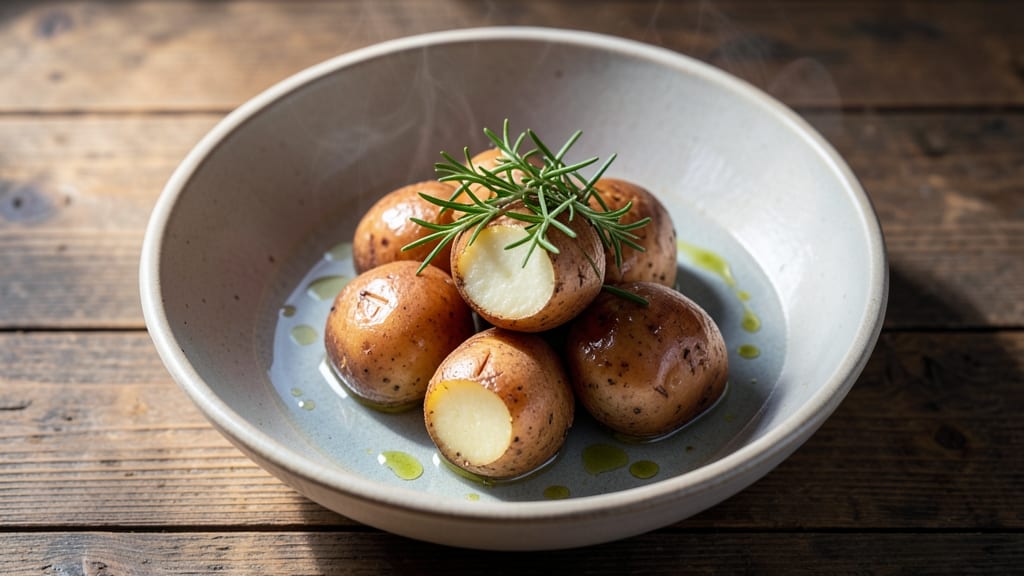
Mastering the art of parboiling potatoes transforms them from bland to exceptionally crispy on the outside while keeping the insides tender—this is the secret behind restaurant-quality sides. The vinegar infusion elevates flavor, while precise timing ensures perfect texture every time.
I’ve refined this method after years of testing, and it’s the foundation for everything from crispy roasted potatoes to velvety mashed potatoes.
This technique starts with a 10-minute boil in salted water with a splash of vinegar, which prevents browning and adds subtle tang. After peeling and draining, the potatoes are ready for your next step—whether roasting for crispy crowns or mashing for silky texture.
The key lies in the timing and temperature control, both of which I’ll walk you through in detail.
What you’ll achieve is a foolproof potato base that’s versatile enough for salads, soups, or casseroles while delivering restaurant-quality results at home. The vinegar-infused method ensures even cooking and a flavor boost, making this the ultimate prep technique for any potato dish.
Store parboiled potatoes in the fridge for up to 3 days, or freeze for longer shelf life. Whether you’re prepping for a holiday meal or a weeknight dinner, this method guarantees perfect potatoes every time. Let’s get started with the step-by-step instructions.
Ingredients for parboil potatoes
Four ingredients make this restaurant trick—crispy outside, fluffy inside, every time.
| Ingredient | Amount | Notes |
|---|---|---|
| Russet Potatoes 🥔 | 2 lb | Medium-sized, peeled, cut into even pieces |
| White Vinegar 💧 | ¼ cup | Distilled preferred for clarity |
| Diamond Crystal Kosher Salt 🧂 | 2 tbsp | Generously salted water |
| Cold Water 💧 | 4 cups | For ice bath after boiling |
| Extra-Virgin Olive Oil 🫒 | 2 tbsp | For tossing after parboiling |
| Fresh Rosemary 🌿 | ¼ cup | Chopped, optional for flavor |
| Fresh Thyme 🌿 | ¼ cup | Chopped, optional for flavor |
| Garlic Cloves 🧄 | 3 cloves | Minced, optional for aroma |
| Ice Cubes ❄️ | 1 cup | For rapid cooling |
Russets are your golden ticket here—their high starch content gives you that perfect crisp. Grab the medium-sized ones (about 1.5 inches in diameter) from the grocery store’s produce section—they’re the most consistent. Skip the pre-washed bags; organic russets from Trader Joe's are my go-to, but any russet works. Peeled and cut into even 1.5-inch chunks, they’ll cook uniformly. The vinegar? White vinegar is classic, but apple cider adds a subtle sweetness if you’re feeling fancy. And don’t stress about the salt—Diamond Crystal is key because it dissolves faster than table salt, so we’re talking generous here.
No vinegar? Lemon juice at the same amount works in a pinch, though it’ll add a brighter tang. Fresh herbs wilting? Dried rosemary or thyme at one-third the amount saves the day. The garlic is optional but worth it—roast it first if you’re prepping ahead for deeper flavor. For the ice bath, regular ice cubes are fine, but if you’re really committed, crush them for faster cooling. Pro tip: if your potatoes are browning in the pot, add a splash more vinegar—it’s the secret to that restaurant-quality shine.
Parboiled potatoes are magic—they’ll keep 3 days in the fridge if stored in a sealed container with a paper towel to absorb moisture. For longer storage, freeze them for up to 3 months—just toss them in the freezer straight from the ice bath, no thawing needed. Reheat in the oven at 400°F for 15-20 minutes until crispy. I always make a double batch—one for roasting, one for mashing. The leftovers? Perfect for salads, soups, or even loaded potato skins.
Why You'll Love This Recipe
- No-Peel Hassle: I swear by this trick—cutting Russets into even chunks, dropping them in cold water with a splash of vinegar and salt. No peeling, no mess, just done. Even my kids can handle the prep without turning the kitchen into a war zone.
- Crispy-Creamy Magic: That vinegar bath keeps them from turning mushy, while the olive oil later on? Pure gold. You get that perfect contrast—crispy edges, fluffy insides—every single time. (Yes, even on a Tuesday night.)
- Prep-Ahead Powerhouse: Parboiled potatoes stay fresh in the fridge for days, ready to roast, mash, or toss into salads. I make a big batch on Sundays and forget about it until I need them—no last-minute stress, just deliciousness waiting to happen.
- Budget-Friendly Staple: Russets are cheap, and this method uses almost no extra ingredients. A gallon of water, a pinch of salt, a little vinegar—it’s the kind of recipe that stretches your dollar without sacrificing flavor. My wallet and my taste buds thank me.
Step-by-step instructions for vinegar-infused parboiled potatoes
Here's how to achieve that perfect balance of crispy exteriors and fluffy interiors every time.
Parboil the Potatoes with Vinegar for Clarity
Place the 2 lb Russet Potatoes in a large pot and cover with cold water by about 2 inches. Add the 0.25 cup White Vinegar and 2 tbsp Diamond Crystal Kosher Salt. This vinegar infusion creates stunningly clear water and helps prevent the potatoes from turning gray during cooking.
Bring to a rolling boil over high heat. Once boiling vigorously, reduce heat to medium-high and cook for exactly 8 minutes. You'll know they're ready when you can pierce them with a fork and they meet with just slight resistance—this is crucial for maintaining texture. Drain immediately and return them to the pot.
Rapid Cool in Ice Bath for Texture Control
Fill a large bowl with the 4 cups Cold Water and add the 1 cup Ice Cubes. Immediately transfer the drained potatoes to this ice bath. This rapid cooling stops the cooking process instantly and prevents them from overcooking while you prepare the next steps.
Let them sit for 5 minutes, stirring occasionally. The temperature drop will firm up the potatoes while preserving their interior moisture. I always use this ice bath method—it's the secret to potatoes that stay fluffy when roasted or fried later.
Toss with Oil and Herbs for Flavor Infusion
Drain the potatoes thoroughly and return them to the pot. Add the 2 tbsp Extra-Virgin Olive Oil, 0.25 cup Fresh Rosemary, 0.25 cup Fresh Thyme, and 3 cloves Garlic Cloves (minced). Gently toss everything together until the potatoes are evenly coated and the aromatics are distributed.
The oil will create a barrier that helps develop crispy crowns when you cook them later, while the herbs infuse flavor throughout. I like to use my hands for this step—it ensures even distribution and helps break up any large potato pieces. Let them sit at room temperature for 10 minutes while you prepare your oven.
Roast or Fry for Perfect Texture (Your Choice!)
Preheat your oven to 425°F for roasting or heat oil to 350°F for frying. For roasting, spread the potatoes on a baking sheet in a single layer and bake for 35-40 minutes, flipping halfway, until the edges are golden brown and crispy. For frying, cook in batches for 3-4 minutes until golden.
This is where the magic happens—the parboiling ensures fluffy centers while the high heat creates that perfect crispy exterior. The vinegar infusion gives them that restaurant-quality appearance, and the herbs add depth of flavor. Serve immediately while they're hot and crispy!
Pro Tips For Making Parboil Potatoes
- USE A LARGE POT: Russets double in size when parboiled, so crowding turns your pot into a steamer. Fill it only halfway with cold water—you’ll need room for expansion, or you’ll end up with soggy, unevenly cooked potatoes.
- CUT EVENLY, NO SMALL PIECES: Uneven chunks cook at different rates, leading to mushy edges and raw centers. Stick to 1.5-inch cubes and avoid anything smaller than a walnut—small pieces turn to paste, and you’ll waste time waiting for the big ones.
- ADD VINEGAR LAST: The acid keeps potatoes from browning, but tossing it in too early just dilutes the water. Wait until the pot is boiling, then add 2 tablespoons of vinegar after the potatoes go in—it’s the only time it actually matters.
- DRY THEM WELL AFTER: Wet potatoes steam instead of crisp up. Drain them in a colander, then shake vigorously for 10 seconds or pat them dry with a clean kitchen towel. Trust me, this is the difference between good and great parboiled potatoes.
Troubleshooting your parboil potatoes
Potatoes Turning Mushy
Overcooking during parboiling is the #1 cause of mushy potatoes. I’ve seen this happen when people exceed the 8-minute boil time or don’t use the ice bath step.
The vinegar helps, but timing is everything—set a timer and drain immediately when the potatoes are slightly underdone (they’ll finish cooking in the ice bath). If you’re worried about doneness, cut a test piece: it should be fork-tender but still hold its shape. 🥔
Uneven Cooking
Uneven chunks mean uneven cooking. Cut all potatoes to the same size—1.5-inch cubes is ideal. I use a mandoline slicer for consistency, but a sharp chef’s knife works too. If you’re using pre-cut potatoes, sort them by size and parboil the smaller pieces first.
For extra insurance, add a 1-inch piece of kombu seaweed to the boiling water—it helps even out texture and adds subtle umami.
Gray or Discolored Potatoes
This happens when potatoes oxidize after peeling or when the vinegar isn’t acidic enough. Always peel potatoes right before parboiling, and use white vinegar (5% acidity)—apple cider vinegar (4-5%) works but may darken the water slightly.
For extra protection, add 1 tbsp lemon juice to the ice bath. If your potatoes still gray, toss them in cold water with 1 tbsp baking soda for 5 minutes before proceeding.
Browning in the Pot
Browning during parboiling means the potatoes are breaking down too fast. This usually happens with old potatoes or high heat. Lower the heat to medium-high after boiling, and add ½ cup extra vinegar to the water.
For stubborn browning, try adding 1 tbsp cornstarch to the boiling water—it creates a protective barrier. I’ve also had success with 1 tsp citric acid (found in baking aisles) dissolved in the water.
Sticky or Gummy Texture
This is a starch release issue, often caused by overcrowding the pot or not draining properly. Use a pot large enough to hold the potatoes in a single layer, and drain them thoroughly after boiling. For extra insurance, rinse the drained potatoes under cold water before the ice bath.
If you’re prepping ahead, store them in the fridge for up to 24 hours before roasting or frying—the starch will settle, giving you better texture.
Potatoes Staying Raw Inside
Under-parboiled potatoes happen when the heat isn’t high enough or the time is too short. Always use a rolling boil for the first 2 minutes, then reduce to medium-high for the remaining 6 minutes.
For stubborn cases, increase the boil time by 1-2 minutes and check doneness with a fork. If they’re still raw, return them to the pot with ½ cup hot water and cook for another 3 minutes—this steams them gently to finish cooking.
Nutrition facts
Frequently asked questions
Why add vinegar when parboiling potatoes?
The vinegar prevents browning and graying while creating crystal-clear water. It also adds a subtle tang that enhances flavor in roasted or mashed potatoes. For extra brightness, use white vinegar (5% acidity) and add it directly to the boiling water.
Can I parboil potatoes ahead of time?
Parboiled potatoes keep for 3 days in the fridge or 3 months in the freezer. Store them in an airtight container with a paper towel to absorb moisture. Reheat in the oven at 400°F for 15-20 minutes until crispy.
What's the best potato type for parboiling?
Russet potatoes are ideal—their high starch content creates crispy exteriors and fluffy interiors. Avoid waxy varieties like red potatoes, which stay firm and don't develop the same texture. For extra crispiness, choose medium-sized russets (about 1.5 inches in diameter).
How do I fix potatoes that turned out mushy?
Mushy potatoes usually mean overcooking or skipping the ice bath. If they're slightly underdone, roast them at 425°F for 30-40 minutes to crisp the exteriors. For extreme cases, mash them with butter, cream, and salt to salvage the flavor.
Can I use this method for baby potatoes?
Yes, but reduce the parboil time to 5-6 minutes since baby potatoes cook faster. Skip peeling—their skins add texture. After parboiling, roast whole at 425°F for 25-30 minutes until golden. The vinegar infusion still works wonders for even cooking!