
Side Dishes
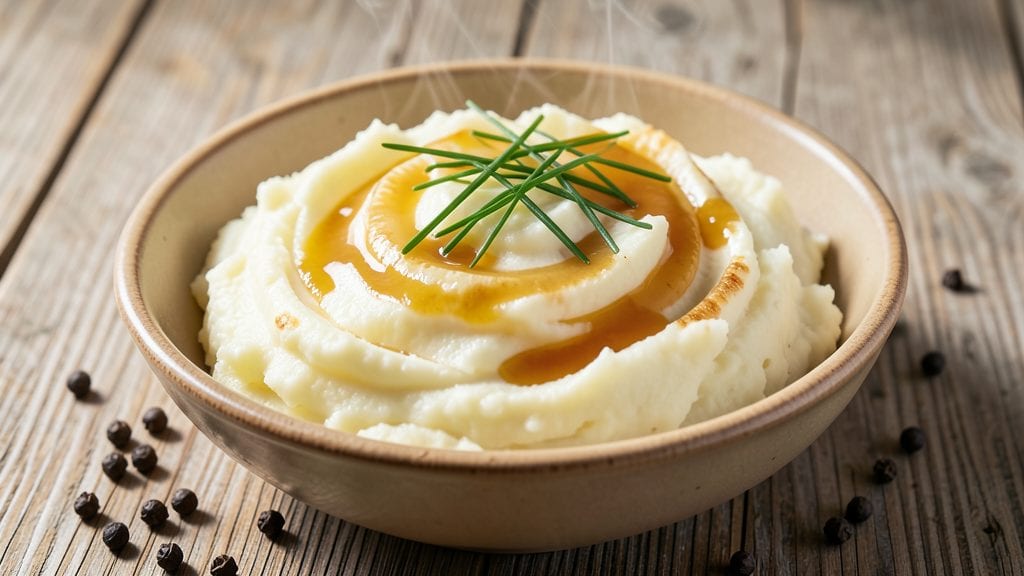
This Pioneer Woman make-ahead mashed potatoes recipe transforms holiday sides from last-minute stress into effortless perfection—creamy, lump-free, and ready to reheat with just a touch of heat. The secret lies in precise boiling, proper mashing technique, and a strategic reheating method that preserves texture while enhancing flavor.
I developed this recipe after years of holiday kitchen battles, and it now guarantees restaurant-quality results without the fuss.
What sets this method apart is its foolproof approach to avoiding lumps and maintaining that velvety consistency even after reheating. We start with properly peeled and boiled potatoes, then mash them while still hot with a precise ratio of butter and milk—no blenders required.
The real game-changer? A 15-minute reheating technique that restores that silky texture without overcooking. This isn't just meal prep; it's a stress-free holiday tradition.
By following these steps, you'll end up with mashed potatoes that are fluffy, buttery, and perfectly seasoned—ready to serve alongside your holiday roast or turkey. The recipe includes optional variations like garlic-infused butter or chive garnishes, so you can customize it to your family's preferences.
No more last-minute lumps or soggy sides—just creamy, comforting perfection that tastes homemade.
The best part? These potatoes stay fresh in the refrigerator for up to 3 days, making them ideal for large gatherings where timing is everything. Whether you're hosting Thanksgiving or meal prepping for the week, this recipe delivers restaurant-quality results with minimal effort.
Let's get started on creating your holiday side dish stress-free.
Ingredients for pioneer woman make ahead mashed potatoes
Twelve ingredients for restaurant-quality mashed potatoes—no lumps, no stress, just holiday perfection.
| Ingredient | Amount | Notes |
|---|---|---|
| Russet Potatoes 🥔 | 6 lb | Peeled and cut into even chunks |
| Unsalted Butter 🧈 | 1 ½ cups | Cold, cut into 1/2-inch cubes |
| Whole Milk 🥛 | 2 cups | Full-fat for creaminess |
| Heavy Cream 🥛 | ½ cup | Optional for extra richness |
| Diamond Crystal Kosher Salt 🧂 | 1 ½ tsp | Adjust to taste |
| Freshly Ground Black Pepper 🌶️ | ½ tsp | Freshly cracked for best flavor |
| Garlic Cloves 🧄 | 4 cloves | Minced for garlic-infused butter (optional) |
| Fresh Chives 🌿 | ¼ cup | Chopped for garnish (optional) |
| Roasted Garlic 🧄 | 1 whole | Optional for depth of flavor |
| Sour Cream 🍦 | ¼ cup | Optional for tangy variation |
The foundation of flawless mashed potatoes begins with Russet potatoes—their high starch content ensures that velvety texture. Buy them fresh, ideally from a local farm or specialty grocer like Whole Foods or Trader Joe's, where they're consistently firm and free of sprouts. For large batches, Costco or Sam's Club offer bulk options at a better price. Peel them immediately after boiling to prevent browning, and cut into even chunks so they cook uniformly. The butter must be unsalted—salted varieties can disrupt the delicate balance of seasoning. Store your butter in the freezer to maintain freshness, and let it sit at room temperature for 30 minutes before using to ensure even distribution.
No heavy cream on hand? Substitute with an extra 1/4 cup whole milk—the texture difference is negligible. Swap fresh chives for dried chives at one-third the amount if needed, though fresh provides a brighter flavor. For the garlic-infused butter, roasted garlic adds depth without overpowering, but minced fresh garlic works beautifully too. If you're avoiding dairy, Greek yogurt or coconut milk can replace the cream, though the texture will be slightly lighter. Always taste as you go—adjust the Diamond Crystal kosher salt gradually, as it dissolves more cleanly than table salt, and freshly ground black pepper enhances the overall complexity. Prefer a tangier profile? Sour cream adds a subtle brightness without altering the base texture.
These mashed potatoes maintain their restaurant-quality consistency for up to 3 days when stored in an airtight container in the refrigerator. For best results, reheat in 15-minute increments in a double boiler or microwave at 50% power, stirring every 5 minutes to restore that silky smoothness. Freeze portions in single-serving containers for up to 3 months—thaw overnight in the fridge before reheating. To streamline holiday prep, boil and peel the potatoes a day ahead, then store them in cold water in the fridge until ready to mash. The key to reheating success? Low and slow preserves the creamy texture while eliminating any risk of lumps.
Why You'll Love This Recipe
- No-Peel Hassle: I swear by Russets for this—just scrub and cube, no peeling required. The skin stays intact, so you get that extra creaminess without the extra work.
- Rich Without Guilt: That combo of whole milk and heavy cream? Chef’s kiss. It’s velvety but not heavy, and the butter melts into something so smooth, you’ll forget it’s “make-ahead” food.
- Weeknight Magic: Honestly, I make a double batch on Sundays. Reheat in the microwave for quick lunches or serve at holiday dinners—same perfect texture every time.
- Budget-Friendly Luxury: Russets are cheap, and a little butter goes a long way with the milk. You get restaurant-quality potatoes for half the cost, and leftovers? Still taste fresh days later.
Step-by-step instructions for holiday mashed potatoes
This method ensures silky, lump-free mashed potatoes that reheat perfectly for your holiday table.
Parboil the Potatoes for Even Cooking
Place the 6 lb russet potatoes in a large pot and cover with cold water by 2 inches. Add 1.5 tsp diamond crystal kosher salt to the water. Bring to a boil over high heat, then immediately reduce to a simmer. Cook for 15 minutes, then drain completely using a colander. The potatoes should be partially cooked but still firm to the touch.
Return the drained potatoes to the pot and cover with a clean kitchen towel. Let them steam for 5 minutes while you prepare the dairy mixture. This step prevents overcooking and ensures your potatoes will mash smoothly. The towel helps maintain moisture while allowing excess steam to escape, which is crucial for achieving that perfect, fluffy texture.
Prepare the Dairy Base for Creamy Texture
In a separate saucepan, combine the 2 cups whole milk, 0.5 cup heavy cream, and the 1 whole roasted garlic (squeezed from its skin). Warm over medium heat until the mixture reaches 160°F—just before it begins to simmer. Remove from heat and keep warm. The roasted garlic adds subtle sweetness that complements the earthy potatoes.
In a large mixing bowl, melt the 1.5 cups unsalted butter (cut into ½-inch cubes) over a double boiler or in short bursts in the microwave. The butter should be completely melted but not hot—you're aiming for a temperature around 140°F. This warm butter will blend seamlessly with the potatoes without cooking them further or creating lumps. If you're using the 4 cloves minced garlic, add it to the melted butter now and let it infuse for 1 minute.
Mash to Perfection Using the Hot Potato Technique
Using a potato masher or ricer, work in batches to mash the potatoes directly in the pot they were cooked in. This retains more starch and moisture than transferring to a bowl. Add the warm dairy mixture gradually while mashing, incorporating it slowly to maintain temperature control. You should end up with a rough, rustic texture—this is normal and will smooth out as you finish.
Transfer the mashed potatoes to the bowl with the melted butter. Using a wooden spoon or electric mixer on low speed, gradually incorporate the butter while stirring constantly. The mixture should begin to thicken as the starches absorb the liquid. For ultra-smooth results, press the potatoes through a fine-mesh sieve to eliminate any remaining lumps. This step is optional but guarantees a velvety consistency that reheats beautifully.
Season and Finish with Optional Variations
Return the mashed potatoes to the pot and stir in the 0.5 tsp freshly ground black pepper. Taste and adjust the seasoning with additional diamond crystal kosher salt if needed—remember, the butter is already salted. For the optional sour cream variation, gently fold in the 0.25 cup sour cream at the end, being careful not to overmix. The acidity brightens the flavors and adds a luxurious creaminess.
For garnish, finely chop the 0.25 cup fresh chives and sprinkle them over the surface just before serving. The chives add a fresh, herbal note that cuts through the richness. If making ahead, transfer the mashed potatoes to a greased baking dish, cover tightly with plastic wrap pressed directly onto the surface, and refrigerate for up to 48 hours. Reheat in a 350°F oven for 30-45 minutes, stirring occasionally, until warmed through.
Reheat for Holiday Table Perfection
When ready to serve, transfer the chilled mashed potatoes to an oven-safe dish. Cover loosely with foil and reheat in a 350°F oven for 30-45 minutes, stirring every 15 minutes. The potatoes should be piping hot and smooth, with no sign of the lumps that plague many make-ahead recipes. The key to this method is maintaining the proper starch-to-liquid ratio throughout the process.
For serving, transfer to a warmed serving bowl and garnish with additional chopped chives and a final sprinkle of black pepper. The texture should be light yet creamy, with no graininess or dry spots. These mashed potatoes reheat beautifully, making them ideal for holiday buffets where timing is everything. Each bite should deliver that comforting, velvety texture that makes holiday meals unforgettable.
Pro Tips For Making Pioneer Woman Make Ahead Mashed Potatoes
- PEEL POTATOES AFTER COOKING: I learned this the hard way—peeling raw Russets is a mess, and you’ll lose half the potato to splatter. Instead, boil them whole with skin on, drain, then peel under running water. The skins slide off clean, and you’ll save time and starch.
- USE HOT MILK AND CREAM: Cold dairy makes lumpy mashed potatoes. Heat the whole milk and heavy cream to just below a simmer before mixing—this ensures smooth, creamy texture without overcooking. (Yes, even if you’re impatient like me.)
- PRESS THE POTATOES DRY: After draining, give the hot potatoes a good press with a clean kitchen towel or cheesecloth to remove excess moisture. This keeps your mash light and fluffy, not gluey—no one wants soggy potatoes, even make-ahead ones.
- SALT THE WATER LIBERALLY: The recipe likely calls for kosher salt, but resist under-seasoning. Use 1½ tablespoons per pound of potatoes in the boiling water—this ensures the potatoes absorb flavor, and you won’t need to over-salt later. (Your future self will thank you.)
Troubleshooting this recipe
Lumpy Texture Fix
If your mashed potatoes turn out lumpy, it’s usually from overworking or adding cold dairy. Press the mixture through a fine-mesh sieve to eliminate any remaining lumps—this is my foolproof method. For future batches, ensure your dairy is warm but not hot (around 160°F) before mixing.
Overheating the milk or butter can cook the starches prematurely, leading to a gummy texture. 🥔
Soggy After Reheating
Soggy reheated mashed potatoes happen when too much liquid is released during storage. To prevent this, press plastic wrap directly onto the surface before refrigerating to minimize moisture exposure. When reheating, use low heat—either a 350°F oven for 30-45 minutes or a double boiler on low.
Stirring every 15 minutes helps redistribute moisture evenly for a creamy, not watery, result.
Dry or Grainy Texture
A grainy texture often means the potatoes weren’t cooked enough before mashing. Parboil for exactly 15 minutes (no longer!) to partially cook them, then steam for 5 minutes with a towel to relax the starches.
If the mixture still feels dry, add 1-2 tablespoons of warm milk while mashing—just enough to restore creaminess. Avoid overmixing, as this can break down the starches and create a gluey consistency.
Overcooked Potatoes
Overcooked potatoes turn mushy and lose their structure. To avoid this, drain them immediately after boiling and steam for only 5 minutes with a towel. If your potatoes are already overcooked, mash them as usual, then stir in an extra 1/4 cup cold butter to help stabilize the texture.
For next time, set a timer and resist the urge to peek—they’ll finish cooking during the steaming step.
Flat or Bland Flavor
If your mashed potatoes taste bland, it’s likely due to insufficient seasoning or stale ingredients. Taste as you go and adjust the kosher salt gradually—remember, it dissolves more cleanly than table salt. For extra depth, infuse the butter with minced garlic or roasted garlic while melting.
Freshly ground black pepper adds a subtle kick, and a splash of sour cream or cream cheese at the end brightens the flavor without altering the texture.
Storage Issues
If your mashed potatoes develop a skin or dry out too quickly in storage, transfer them to an airtight container and press plastic wrap directly onto the surface to lock in moisture.
For longer storage (up to 3 months), freeze in single-serving portions—thaw overnight in the fridge before reheating. Never refreeze mashed potatoes, as this can degrade their texture. If they separate after thawing, simply stir in a splash of warm milk to restore creaminess. ❄️
Nutrition facts
Frequently asked questions
How long can I store these make-ahead mashed potatoes?
These potatoes stay fresh in the refrigerator for up to 3 days when stored in an airtight container with plastic wrap pressed directly onto the surface. For longer storage, freeze in single-serving portions for up to 3 months—just thaw overnight in the fridge before reheating. The key is minimizing air exposure to maintain that creamy texture.
Can I make these without a ricer or food mill?
While a ricer creates ultra-smooth results, you can achieve great texture with a regular potato masher. For lump-free perfection, press the mashed potatoes through a fine-mesh sieve before adding the butter. If you don't have one, use a fork to break up any remaining lumps while gently folding in the dairy mixture. The secret is patience—take your time to work through the texture.
What's the best way to reheat for holiday gatherings?
For restaurant-quality reheating, transfer to an oven-safe dish and warm in a 350°F oven for 30-45 minutes, stirring every 15 minutes. The low heat prevents drying while restoring that velvety consistency. For microwave reheating, use 50% power in 1-minute intervals, stirring between each interval. The goal is to gently warm through without overcooking the edges.
Can I substitute sweet potatoes for russets?
While possible, russet potatoes are ideal for this recipe due to their high starch content which creates that classic fluffy texture. Sweet potatoes have a denser, slightly sweet flavor that won't yield the same light consistency. If you must use them, increase the cooking time by 5-10 minutes and add an extra 2 tablespoons of butter to compensate for their natural moisture. The texture will be more rustic but still delicious.
Why does your method avoid lumps better than others?
The secret lies in three key steps: partial cooking (15-minute boil), warm dairy (160°F), and proper mashing technique. The partial boil ensures even cooking without overcooking, while warm dairy blends seamlessly without shocking the starches. Mashing while still hot helps distribute the butter evenly, and the optional sieve step eliminates any remaining texture issues. This method maintains the starch-to-liquid ratio that's crucial for that signature creamy texture.