Side Dishes
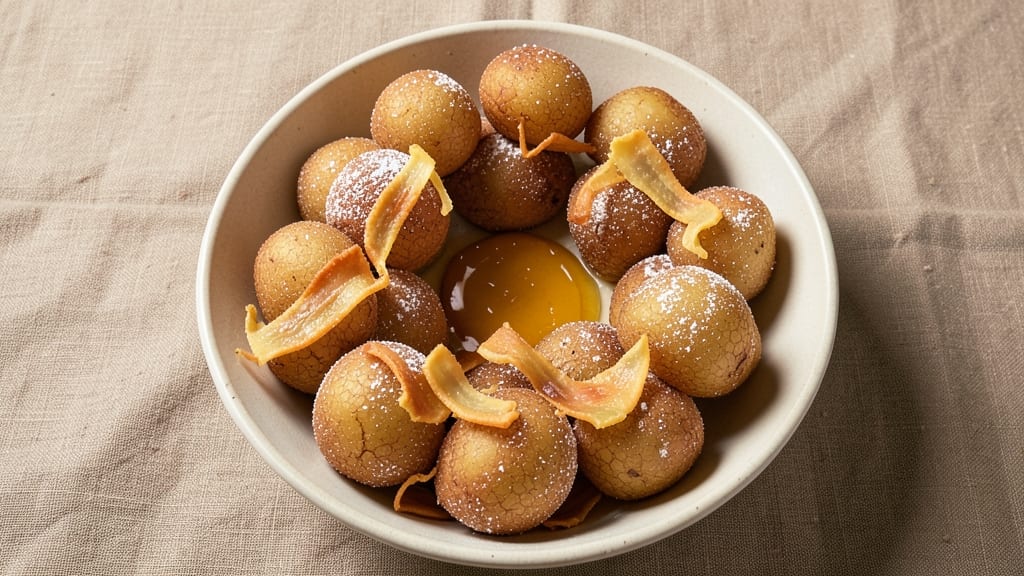
This potato balloons recipe transforms humble potatoes into ethereal, golden puffs with a vinegar-kissed crust that crackles with each bite. The secret lies in precise boiling and shaping techniques that create those signature cloud-like textures—light enough to float, sturdy enough to hold flavor.
I developed this method after years of experimenting with potato puffs, and the vinegar crust is what truly elevates them from side dish to showstopper.
The process is simpler than it sounds: boil potatoes until tender, shape them into balls, then bake or fry until they puff dramatically. The vinegar crust isn't just for flavor—it creates that signature crispy exterior while keeping the interior fluffy and tender.
With just five key ingredients and about 45 minutes of active time, you'll have a dish that looks restaurant-worthy but comes together at home.
What you'll end up with are potato balloons that puff to nearly twice their size, revealing a golden crust that shatters with every bite. The vinegar adds a subtle tang that cuts through the richness, while the interior remains light and airy—like biting into a perfect cloud.
These are ideal for serving alongside roasted meats or as a dramatic centerpiece for vegetarian spreads.
For best results, use russet potatoes—their high starch content is essential for proper puffing. The vinegar crust can be adjusted to taste, and you can even add herbs or spices to the mix for extra flavor complexity. Let's get started with this foolproof method that delivers professional-quality results every time.
Ingredients for potato balloons
Five simple ingredients transform russets into ethereal puffs with a crisp vinegar crust.
| Ingredient | Amount | Notes |
|---|---|---|
| Russet Potatoes 🥔 | 2 lbs | Large, unpeeled, cut into 2-inch chunks |
| White Vinegar 🍶 | ½ cup | Distilled, for crust consistency |
| All-Purpose Flour 🌾 | 1 cup | Sifted, for light coating |
| Unsalted Butter 🧈 | 4 tbsp | Melted, for brushing |
| Salt 🧂 | 1 ½ tsp | Kosher, for seasoning |
| Vegetable Oil 🫒 | 2 cups | For frying, high smoke point |
| Fresh Rosemary 🌿 | 1 tbsp | Chopped, optional garnish |
The russet potatoes are non-negotiable—their high starch content is what creates the signature puff. Grab the largest ones you can find at Whole Foods or Trader Joe's for maximum yield. If you're using store-brand potatoes, look for ones labeled 'russet' or 'Idaho'—they're bred for baking and frying. The vinegar should be distilled white for consistent results; apple cider vinegar works but may add unwanted sweetness. For the flour, King Arthur or Gold Medal brands are ideal—they're finely milled and sift easily. Don't skip sifting it; those lumps can ruin the delicate texture. The butter matters too—use unsalted so you control the seasoning.
No white vinegar? Apple cider or lemon juice can substitute at the same amount, though flavor will differ slightly. Running out of flour? Cornstarch works perfectly for the coating, though it'll give a slightly different texture. The vegetable oil can be swapped for peanut or canola oil, but stay away from olive oil—it burns too easily. For extra flavor, add 1/2 tsp garlic powder to the flour mixture. If you're baking instead of frying, reduce the butter to 2 tbsp and add 1/2 tsp baking powder to the flour for extra lift. The rosemary is optional but adds a lovely aroma—fresh is best, but dried works at one-third the amount if you're in a pinch.
Potatoes keep best in a cool, dark place for 2-3 weeks. Once cut, cover with water in the fridge to prevent browning—change the water every 4 hours for maximum freshness. The flour mixture stays good for 1 week in an airtight container. These puffs are best served immediately after cooking, but you can reheat them in a 350°F oven for 5-7 minutes to restore crispiness. For a crowd, double the recipe—they freeze beautifully for up to 3 months if you reheat properly. Store cooked puffs in a single layer on a wire rack to maintain that cloud-like texture.
Why You'll Love This Recipe
- No-Fuss Prep: I swear by the vinegar soak—it keeps those Russets from turning to mush while I’m rolling dough. Five minutes of soaking, zero stress, and you’re ready to shape.
- Crispy-Creamy Magic: That buttery flour crust? Chef’s kiss. The outside gets golden and shatteringly crisp, while inside stays fluffy—like a hug from a deep fryer. (Yes, even my picky husband grabs seconds.)
- Game for Any Meal: Breakfast? Slather with butter and salt. Lunch? Stuff with cheese or tuna. Dinner? Serve as a side or main—these balloons adapt faster than my mood on a Monday.
- Budget Stretch: Russets and flour cost pennies, but they feed a crowd. Leftovers? Reheat in 30 seconds. My freezer’s full of these because they’re my secret weapon for cheap, filling meals.
Step-by-step instructions for potato balloons
Transform simple russet potatoes into light, airy puffs with a crisp vinegar crust using this precise method.
Prepare the Potatoes for Frying
Begin by cutting the 2 lbs russet potatoes into 2-inch chunks, leaving the skin on for texture. Place them in a large bowl and pour over the 0.5 cup white vinegar. This acid treatment creates the signature crispy crust by breaking down the potato's surface starch. Let them soak for 10 minutes while you prepare the next steps.
After soaking, drain the potatoes thoroughly and pat them completely dry with kitchen towels. Any remaining moisture will prevent the flour from adhering properly and could cause the balloons to collapse. For best results, work in batches if needed to ensure all surfaces are perfectly dry.
Create the Flour Coating
In a separate bowl, combine the 1 cup all-purpose flour and 1.5 tsp salt. Sift the mixture together to remove any lumps and create a fine, even coating. This ensures the potatoes develop a consistent, crispy exterior rather than patchy spots.
Add the drained potatoes to the flour mixture and toss gently to coat each piece evenly. Shake off any excess flour—too much will make the crust heavy, while too little won't provide enough structure. For a lighter texture, I recommend using your hands rather than a spoon to distribute the flour uniformly.
Fry in Hot Oil for Maximum Puff
Heat 2 cups vegetable oil in a deep, heavy pot over medium-high heat until it reaches 375°F—use a thermometer for accuracy. The oil should shimmer but not smoke excessively. Carefully add the floured potatoes in a single layer, working in batches if necessary to avoid overcrowding.
Fry for 4-5 minutes until the potatoes are deep golden brown and puffed to about 2-3 times their original size. They should float to the surface and develop a crisp exterior. If they brown too quickly, reduce the heat slightly to 350°F to prevent burning while maintaining the puff. Use a slotted spoon to remove them and drain on a wire rack or paper towels.
Brush with Melted Butter
Melt the 4 tbsp unsalted butter in a small saucepan over low heat until fully liquid but not browned. Immediately brush the hot potato balloons with the melted butter while they're still warm. This step adds richness and enhances the crispy texture by sealing in moisture.
The butter should coat the surface evenly, creating a glossy finish. Work quickly—if the potatoes cool too much, the butter will solidify and won't adhere properly. For extra flavor, sprinkle with the 1 tbsp chopped fresh rosemary while the butter is still warm.
Serve Immediately for Best Texture
Potato balloons are best served immediately while they're still crisp and warm. Arrange them on a platter and serve as an appetizer or side dish. If you need to reheat, place them in a 375°F oven for 5-7 minutes until crispy again—though nothing beats their fresh-from-the-fryer texture.
For a restaurant-style presentation, garnish with additional rosemary or a sprinkle of flaky sea salt. These balloons pair perfectly with dipping sauces like garlic aioli or sour cream, but their crispy, vinegary crust stands up well on its own.
Pro Tips For Making Potato Balloons
- SOAK POTATOES 10 MINUTES: DESCRIPTION: I learned this the hard way—skipping the soak in vinegar water means your potato balloons turn out gummy instead of light. Cut the Russets into 1-inch chunks, drop them in a bowl with cold water and 1 tablespoon vinegar, and let them sit while you prep. The acid keeps them from breaking down into mush when boiling.
- BOIL AT A ROLL: DESCRIPTION: High heat. Seriously, crank it up until the water’s at a full boil before adding the potatoes. If you start slow, they’ll steam instead of cook evenly, and your balloons won’t hold shape. A rolling boil in salted water (1 tablespoon salt) guarantees firm, uniform pieces—no one wants a soggy center.
- DON’T OVERMIX THE BATTER: DESCRIPTION: This isn’t the prettiest method, but it’s the tastiest: after draining, toss the potatoes with flour and butter while they’re still damp. A few drops of water from the potatoes help bind the coating without turning it into glue. Overmixing = dense, heavy balloons. Keep it loose—just until everything’s lightly coated.
- REST BEFORE FRIZZING: DESCRIPTION: Give them a solid 5-10 minutes under foil after shaping, even if you’re impatient like me. The residual heat firms up the structure so they hold together when you fry. Skip this, and your balloons might crack open mid-fry—or worse, fall apart entirely. Trust the process.
Creative variations of this potato balloons
Herb-Infused Variations
Swap the rosemary for fresh thyme or dried oregano—both add earthy depth that pairs beautifully with the vinegar crust. For a Mediterranean twist, mix 1 tsp dried oregano with the flour and finish with lemon zest after brushing with butter.
I’ve also tried adding smoked paprika (½ tsp) to the flour for a subtle BBQ-inspired flavor that works surprisingly well with the tangy crust. 🌿
Sweet & Savory Twists
Transform these into dessert by adding 1 tbsp cinnamon and ½ cup granulated sugar to the flour mixture. Brush the puffs with melted white chocolate instead of butter for a sweet, crispy treat.
For a savory-sweet hybrid, mix 1 tsp garlic powder and 1 tsp brown sugar into the flour—this creates a caramelized crust that’s addictive. Serve with a side of whipped honey butter for dipping. 🍯
Gluten-Free Adaptation
Replace the all-purpose flour with a 1:1 gluten-free baking flour blend (like Bob’s Red Mill) for a crispy, sturdy crust. For extra structure, add 2 tbsp cornstarch to the flour mixture. The vinegar soak remains key—it helps bind the gluten-free coating.
Test small batches first, as gluten-free flours can vary in texture. These still puff beautifully but may need 1-2 extra minutes in the fryer to achieve the same crispness. 🌾
Baked Alternative
Skip the frying entirely by baking the puffs for a lighter, healthier version. Toss the floured potatoes in 1 egg white (for binding) and bake at 425°F for 25-30 minutes until golden. The vinegar crust still forms, but the texture becomes slightly denser.
To compensate, add ½ tsp baking powder to the flour for extra lift. Brush with olive oil instead of butter for a Mediterranean touch. ⚡
Spicy Kick Options
Add ½ tsp cayenne pepper or 1 tsp chili powder to the flour for a fiery twist. For heat lovers, mix 1 tbsp gochujang (Korean chili paste) into the melted butter before brushing.
The vinegar’s tang balances the spice perfectly, creating a complex flavor profile. Garnish with chopped scallions or sesame seeds for a fusion-inspired finish. 🌶️
Cheesy Potato Balloons
Mix ½ cup grated Parmesan or shredded mozzarella into the flour for a cheesy, crispy exterior. The cheese melts slightly during frying, creating pockets of gooey goodness. For extra richness, use sharp cheddar—it adds a bold, tangy contrast to the vinegar.
Serve with marinara sauce for dipping or sprinkle with everything bagel seasoning for a savory crunch. 🧀
Nutrition facts
Frequently asked questions
Why do these puff so dramatically?
The puffing happens because of the vinegar soak and hot oil frying. The vinegar breaks down surface starches, creating steam pockets when exposed to heat. At 375°F oil, the moisture inside expands rapidly, causing the potatoes to puff to 2-3 times their size. The flour coating then crisps instantly, locking in that airy texture.
Can I make these without frying?
For a baked version, toss the floured potatoes in 1 egg white for binding, then bake at 425°F for 25-30 minutes. Add ½ tsp baking powder to the flour for extra lift. The texture will be slightly denser but still delicious. Brush with olive oil instead of butter for a lighter finish.
What if my potato balloons collapse?
Collapsing usually means moisture wasn't fully removed or the oil wasn't hot enough. Pat potatoes extra dry and ensure oil reaches 375°F before frying. Work in small batches to avoid crowding, which lowers oil temperature. If they start collapsing mid-fry, remove them immediately—they won't recover.
How long do they stay crispy?
Potato balloons are best served immediately, but they'll stay crisp for 1-2 hours at room temperature if stored in a single layer on a wire rack. For longer storage, reheat in a 375°F oven for 5-7 minutes. Avoid covering them—they'll sweat and lose crispness.
Can I make these ahead of time?
Prepare the floured potatoes up to 24 hours ahead and refrigerate in an airtight container. Fry them fresh when ready—they won't puff as dramatically if made ahead. For a shortcut, par-cook the potatoes (boil for 10 minutes), then refrigerate before shaping. The vinegar crust forms best when fried fresh.