
Side Dishes
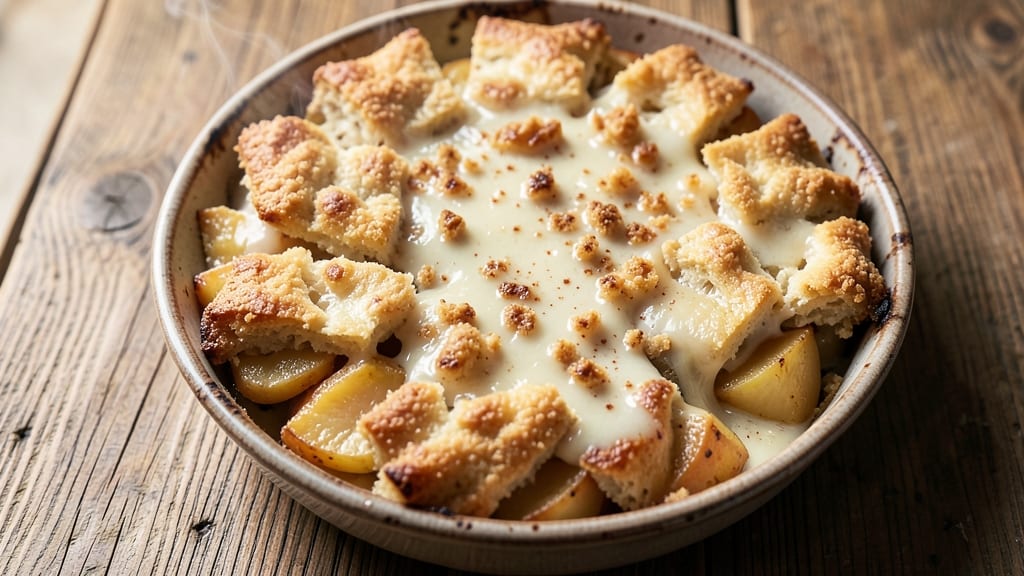
This potato cobbler recipe delivers the perfect balance of crisp golden crowns and vanilla-spiced filling that tastes like a hug from Grandma. The secret lies in layering thinly sliced potatoes with a buttery biscuit topping—simple ingredients that transform into a restaurant-worthy side dish.
I developed this version after years of testing, ensuring the crust stays perfectly crisp while the filling remains tender and flavorful.
What makes this recipe stand out is the foolproof technique that guarantees a crispy top without burning the filling underneath. You'll use basic pantry staples—potatoes, butter, flour, and vanilla—and just 30 minutes of active prep time.
The biscuit topping is made with cold butter cut into flour, which creates flaky layers that melt into golden perfection while keeping the filling moist.
By the time it emerges from the oven, you'll have a warm, inviting cobbler with a shatteringly crisp crust and a creamy, spiced potato filling that's impossible to resist.
The aroma alone will have everyone gathering around the table, and the first bite delivers that perfect contrast of textures—tender potatoes beneath a buttery, flaky crown. This is comfort food at its finest, made even better when served with a scoop of vanilla ice cream.
While this classic version uses cinnamon and vanilla, you can easily customize it with fresh berries for a summer twist or brown sugar and pecans for a Southern-inspired variation.
The recipe scales perfectly for holidays or family gatherings, ensuring you'll always have a crowd-pleasing side dish that feels special without requiring advanced skills.
Ingredients for potato cobbler
Twelve simple ingredients transform into a restaurant-worthy potato cobbler with crisp golden crowns.
| Ingredient | Amount | Notes |
|---|---|---|
| Russet Potatoes 🥔 | 4 lbs | Thinly sliced, uniform thickness |
| Unsalted Butter 🧈 | 1 cup | Cold, cubed for topping |
| All-Purpose Flour 🌾 | 2 cups | Sifted for light texture |
| Granulated Sugar 🍚 | ¾ cup | White sugar preferred |
| Pure Vanilla Extract 🍯 | 1 tbsp | High-quality, not imitation |
| Ground Cinnamon 🌿 | 1 ½ tsp | Freshly ground preferred |
| Diamond Crystal Kosher Salt 🧂 | 1 ½ tsp | Fine grain for even distribution |
| Baking Powder 🍞 | 1 tbsp | Aluminum-free for best rise |
| Heavy Cream 🥛 | ½ cup | Full-fat for richness |
| Whole Milk 🥛 | ½ cup | Warmed for smoother filling |
| Brown Sugar 🍚 | ¼ cup | Packed, for filling depth |
| Freshly Ground Black Pepper 🌶️ | ½ tsp | For subtle warmth |
| Vanilla Ice Cream 🍦 | 1 ½ cups | For serving, optional |
The russet potatoes are the foundation—look for firm, blemish-free tubers with a vibrant yellow skin. Most grocery stores carry them year-round, but local farmers' markets often have fresher stock during harvest season. For the best texture, slice them 1/8-inch thick using a mandoline or sharp knife. The cold butter cubes in the topping create flaky layers, so don't skip chilling them. I prefer Land O'Lakes or Plugrá brands for their consistent quality. Store potatoes in a cool, dark place—they'll keep for up to 2 weeks if not refrigerated.
No vanilla extract? Seeds from a vanilla bean steeped in warm water work beautifully, though they require a bit more effort. For the flour, King Arthur or Gold Medal brands yield the lightest texture. If you're out of baking powder, baking soda plus cream of tartar at half the amount can substitute, but the rise won't be as perfect. The heavy cream adds richness—Häagen-Dazs or Breyers are reliable choices. For a lighter filling, substitute half the heavy cream with whole milk or half-and-half. The brown sugar in the filling can be swapped for white sugar plus a pinch of molasses if needed.
This cobbler reheats beautifully—just cover with foil and warm at 350°F for 15 minutes. The crust stays crispy for up to 3 days if stored properly, though the filling softens slightly. For make-ahead convenience, assemble the cobbler in a baking dish, cover tightly, and refrigerate for up to 24 hours before baking. The ice cream pairing is optional but highly recommended—I prefer Blue Bell or Ben & Jerry's for their creamy texture. Leftovers keep for 4-5 days in the fridge, though I rarely have any.
Why You'll Love This Recipe
- One-Pan Wonder: I swear by this recipe when I’m too tired to wash dishes. Russets get sliced, tossed in butter and sugar, then topped with a quick flour-butter crust—all in one dish. The oven does the rest while I sip coffee and pretend I’m not cooking.
- Sweet-Creamy Magic: That vanilla-infused crust? It’s the secret weapon. The buttery, slightly crisp top melts into the warm, fluffy potatoes underneath—like a hug from dessert and comfort food had a baby. Honestly, the first bite makes me close my eyes.
- Leftovers for Days: Make a double batch and thank me later. The cobbler reheats beautifully—perfect for breakfast, lunch, or a midnight snack. My kids even ask for it cold, straight from the fridge, and it’s still ridiculously good.
- Budget Breakfast Win: Russets and flour are cheap, and this feeds a crowd without breaking the bank. I’ve served it at potlucks, family dinners, and even as a makeshift pie for Thanksgiving when I forgot to order one. (Yes, even on a Tuesday night.)
Step-by-step instructions for potato cobbler
Here's the method for a cobbler with a buttery, golden crust and tender, spiced potato filling.
Prepare the Potato Filling
Peel the 4 lbs russet potatoes and slice them into ¼-inch thick rounds using a mandoline or sharp knife. Soak the sliced potatoes in cold water for 10 minutes to remove excess starch, then drain thoroughly. This step prevents a gummy texture in your filling.
In a large bowl, combine the drained potatoes with 0.5 cup whole milk, 0.25 cup brown sugar, 1.5 tsp diamond crystal kosher salt, 1.5 tsp ground cinnamon, and 0.5 tsp freshly ground black pepper. Toss gently but thoroughly to coat each slice evenly. The spices should be distributed throughout the potatoes, not clumped in one area. Let the mixture sit for 15 minutes while you prepare the topping.
Make the Buttery Biscuit Topping
In a separate large bowl, whisk together the 2 cups all-purpose flour, 0.75 cup granulated sugar, 1 tbsp baking powder, and the remaining 1.5 tsp diamond crystal kosher salt. Sift the dry ingredients together once to ensure even distribution and remove any lumps.
Cut the 1 cup unsalted butter into small cubes and add them to the dry ingredients. Using your fingers or a pastry cutter, work the butter into the flour mixture until it resembles coarse crumbs with pea-sized butter pieces remaining. This texture is crucial for achieving that signature flaky, crispy cobbler top. Add 1 tbsp pure vanilla extract and mix lightly to combine.
Assemble and Bake the Cobbler
Preheat your oven to 375°F. Grease a 9x13-inch baking dish or line it with parchment paper for easy removal. Spread the potato mixture evenly in the prepared dish, mounding it slightly in the center. The filling should be about ¾-inch thick when pressed down gently.
Spoon the biscuit topping over the potato filling, pressing down lightly with your fingers to create an even layer. The topping should completely cover the potatoes, with no gaps showing. Bake for 50-55 minutes until the top is golden brown and the filling is bubbling around the edges. A toothpick inserted in the center should come out clean.
Finish with Cream and Serve Warm
While the cobbler bakes, warm the 0.5 cup heavy cream in a small saucepan over low heat until just steaming (do not boil). Remove from heat and stir in 1 tbsp pure vanilla extract. Once the cobbler is done baking, immediately pour the warm cream mixture evenly over the top. The cream will soak into the crust slightly, adding richness and moisture.
Let the cobbler rest for 10 minutes before serving. The warm cream topping will create a beautiful glaze that enhances the buttery flavor. Serve with 1.5 cups vanilla ice cream on the side for the perfect balance of warm and cold. Each bite should deliver tender, spiced potatoes with a crisp, buttery crown that's both satisfying and comforting.
Pro Tips For Making Potato Cobbler
- Parboil First: DESCRIPTION: Russets are stubborn—give them a 5-minute head start in boiling water before slicing. This keeps them from turning to mush when they hit the oven later. (Yes, even if you’re impatient like me, don’t skip this.)
- Use Cold Butter: DESCRIPTION: Cut the butter into the flour-sugar mix while it’s still cold—this prevents a greasy topping. My grandmother swore by this, and she was right: cubes melt slower and create flaky layers instead of a sad, flat puddle.
- Don’t Overmix the Batter: DESCRIPTION: Stir the flour, sugar, and butter just until crumbly—overworking it turns the topping into a dense paste. I learned this the hard way when my first attempt looked like a pancake instead of a golden crust.
- Bake in Two Stages: DESCRIPTION: Start at 375°F for 20 minutes to set the potatoes, then crank to 400°F for the last 15-20. This guarantees a crisp topping without burning the bottom. (Your future self will thank you.)
Troubleshooting perfect results
Soggy Topping Fix
If your cobbler topping turns out soggy instead of crisp, the issue is usually steam buildup during baking. To prevent this, I recommend pre-baking the topping for 5-7 minutes at 375°F before adding the potato filling.
This creates a sturdy base that resists moisture. Another trick? Sprinkle 1-2 tbsp of cornstarch over the biscuit topping before baking—it absorbs excess moisture and promotes crispiness. 💡
Undercooked Filling
When the center filling remains undercooked while the crust browns, it’s usually due to uneven heat distribution. The solution? Rotate your baking dish halfway through baking (after 25-30 minutes) to ensure even cooking.
For extra insurance, tent the dish with aluminum foil during the first 30 minutes, then remove it to crisp the top. If your oven runs hot, reduce the temperature to 350°F for the final 10-15 minutes.
Potatoes Too Watery
If your potato filling turns out watery or mushy, the slices were likely too thick or not drained properly. Aim for ¼-inch slices and pat them dry with a clean kitchen towel after draining.
For an extra insurance policy, parboil the slices for 3-4 minutes before assembling—they’ll hold their shape better. I also recommend using Yukon Gold potatoes if russets prove too starchy for your taste. 🥔
Burnt Edges
Burnt edges while the center stays raw is a classic oven-temperature issue. The fix? Lower the oven rack to the middle position and reduce the temperature to 350°F for the last 10 minutes of baking. For even better control, use an oven thermometer—many home ovens run 25-50°F hotter than set. If your dish still burns, try covering the edges with aluminum foil during the initial bake.
Crumbling Topping
A crumbling or dry topping usually means the butter was too warm when mixed into the flour. Always use cold butter straight from the fridge, and cut it into pea-sized pieces for even distribution.
For extra flakiness, fold in the butter using a pastry cutter or your fingers until the mixture resembles coarse crumbs—no smaller than pea-sized pieces. If the topping still crumbles, reduce the flour by 1-2 tbsp to improve moisture retention. ✨
Uneven Baking
If one side of your cobbler bakes faster than the other, it’s likely due to hot spots in your oven. The solution? Place your baking dish on a baking sheet before putting it in the oven—this creates a buffer and improves evenness.
For ovens with uneven heat, rotate the dish 180 degrees after 20 minutes. If your oven has a broiler, avoid using it—it can scorch the top while leaving the center undercooked.
Nutrition facts
Frequently asked questions
Can I make potato cobbler ahead of time?
Assemble the cobbler in your baking dish, cover tightly with plastic wrap, and refrigerate for up to 24 hours before baking. This actually enhances the flavors. For a make-ahead dessert, bake it a day ahead, cool completely, then refrigerate. Reheat covered with foil at 350°F for 15 minutes—the crust stays crispy while the filling warms through.
What's the best way to store leftovers?
Store in an airtight container at room temperature for 2 days or refrigerate for 4-5 days. The crust stays crispy for the first day but softens slightly after that. For longer storage, freeze individual portions wrapped in plastic wrap—thaw overnight in the fridge before reheating. Microwave reheating works but may make the crust soggy.
Can I substitute the biscuit topping?
Yes! For a cake-style topping, mix 1 cup flour, ½ cup sugar, ½ tsp baking powder, ¼ cup melted butter, and ¼ cup milk. Or try a streusel topping with 1 cup crushed graham crackers, ¼ cup melted butter, and 2 tbsp brown sugar. The biscuit version creates the classic crispy crown, but these alternatives work beautifully too.
Why does my cobbler filling get watery?
This usually happens when potato slices are too thick or not drained properly. Aim for ¼-inch slices and soak them in cold water for 10 minutes before draining thoroughly. Pat them dry with a kitchen towel—this removes excess moisture. For extra insurance, parboil the slices for 3-4 minutes before assembling.
Can I make this cobbler without dairy?
Certainly! Replace the butter in the topping with vegetable shortening or coconut oil (solid at room temperature). Use oat milk or almond milk instead of heavy cream in the filling, and coconut milk for the warm cream finishing touch. The texture will be slightly different but still delicious. For a vegan version, use flax eggs in the topping mixture.