
Side Dishes
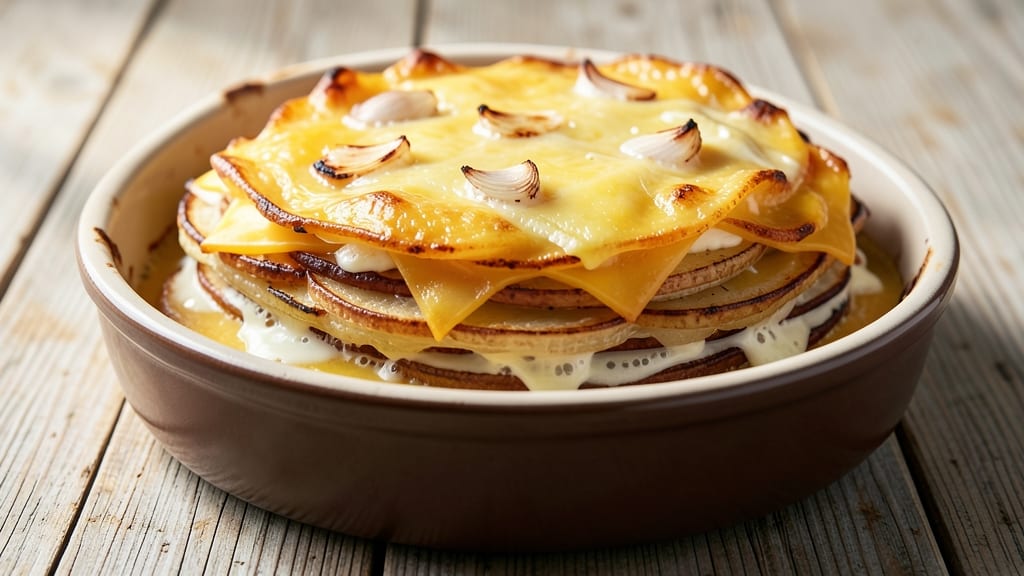
This one-pan potato layers recipe transforms humble potatoes into a rich, cheesy masterpiece that requires no fancy skills—just patience and a single baking dish. 🌟 I first perfected it during a Boston winter when I needed something hearty enough to feed a crowd but simple enough to make in my cramped kitchen.
The secret lies in thinly sliced potatoes layered with cream and sharp cheddar, baked until golden and bubbling.
The beauty of this dish is its foolproof nature—no precise slicing required, no complicated assembly. You'll start with layers of potatoes, cream, and cheese, then let the oven work its magic for about an hour.
The result? A creamy, tender casserole with crispy top edges that melts in your mouth. It's the kind of dish that makes weeknight dinners feel like a restaurant meal without the fuss.
What makes this recipe truly special is its versatility. Swap in different cheeses for variety, add herbs for extra flavor, or even mix in cooked bacon for a heartier bite. The layers create a satisfying texture contrast—each forkful delivers creamy cheese, tender potatoes, and that perfect crispy top.
Best of all, it's a one-pan wonder, meaning minimal cleanup and maximum comfort.
Whether you're feeding a family or prepping for a holiday gathering, this potato layers recipe delivers restaurant-quality results with minimal effort. Let's get started—your taste buds (and your oven) will thank you.
Ingredients for potato layers
Six simple ingredients—plus two optional extras—create this foolproof one-pan wonder.
| Ingredient | Amount | Notes |
|---|---|---|
| Russet Potatoes 🥔 | 3 lb | Thinly sliced, uniform thickness |
| Heavy Cream 🥛 | 1 ½ cups | Full-fat for creaminess |
| Sharp Cheddar Cheese 🧀 | 2 cups | Shredded, block preferred |
| Butter 🧈 | ½ cup | Unsalted, melted |
| Garlic Cloves 🧄 | 4 cloves | Minced, for flavor depth |
| Salt 🧂 | 1 ½ tsp | Kosher or sea salt |
| Black Pepper 🌶️ | ½ tsp | Freshly ground preferred |
| Dried Thyme 🌿 | 1 tsp | Or 1 tbsp fresh thyme |
| Onion Powder 🧅 | ½ tsp | For subtle depth |
| Optional Bacon 🥓 | 6 oz | Cooked and crumbled |
| Optional Green Onions 🧅 | ¼ cup | Sliced, for garnish |
The potatoes are the star, so grab Russet potatoes—their fluffy texture holds up perfectly. Trader Joe's or Whole Foods carry the best for this recipe, but regular grocery store Russets work fine. Thinly slicing them is key: use a mandoline if you've got one, or a sharp knife if you're brave. For the cheese, sharp cheddar is non-negotiable—it melts beautifully and adds that tangy punch. I always grab a block and shred it myself (pre-shredded gets clumpy). The heavy cream? Full-fat only—it makes all the difference in that creamy texture we're after.
No sharp cheddar? Gruyère or Gouda work beautifully too. Short on heavy cream? Half-and-half or whole milk will work, but the texture won't be quite as rich. The bacon is optional, but worth it if you're craving extra flavor—just cook it crispy first. For the garlic, fresh is best, but if you're in a pinch, garlic powder at half the amount will do. The thyme can be fresh or dried, but remember: dried is one-third the amount of fresh. And if you're worried about the potatoes drying out, add a splash of milk to the cream mixture—it helps keep everything tender.
This casserole reheats beautifully—honestly tastes better the next day once everything melds together. Keeps for 4-5 days in the fridge, covered tightly. For make-ahead magic, assemble it the night before and bake in the morning. The crispy top? That's all thanks to the butter and cheese—don't skip either. And if you're prepping for a crowd, double the recipe but use two baking dishes to avoid overcrowding. Leftovers freeze for 3 months, though I've never had any last that long!
Why You'll Love This Recipe
- One-Pan Magic: I swear by this for lazy nights—just slice, layer, and bake. No chopping boards to clean, no extra pots boiling over. The Russets hold their shape while the cheese melts into golden rivers, all on one sheet pan.
- Garlic-Cheddar Bliss: That sharp cheddar and roasted garlic? It’s like a hug for your taste buds. The first bite of creamy, tangy layers with that crispy top has me closing my eyes—no exaggeration.
- Leftovers That Don’t Suck: Honestly, this dish begs for seconds, but the best part? The next day’s just as good. Cold slices for breakfast? Yes. Reheated with a fried egg on top? Even better. It’s the kind of meal that turns into a snack without trying.
- Budget-Friendly Crowd-Pleaser: Russets and cheddar stretch further than you’d think, and the heavy cream makes it feel fancy without breaking the bank. I’ve fed six people for under $15—plus, it’s the one dish where everyone actually finishes their plate.
Step-by-step instructions for one-pan baked potato casserole magic
Here's how to build layers of creamy, cheesy goodness that bakes to golden perfection.
🍳 Step 1: Prep and Slice the Potatoes
Start by peeling the 3 lb russet potatoes and slicing them into ¼-inch thick rounds using a mandoline or sharp knife. You want uniform slices so they cook evenly. As you slice, place them in a large bowl of cold water to prevent browning—this keeps them fresh until assembly.
While the potatoes soak, melt the 0.5 cup butter in a small saucepan over low heat. Remove from heat and stir in the 4 cloves minced garlic, 1.5 tsp salt, 0.5 tsp black pepper, 1 tsp dried thyme, and 0.5 tsp onion powder. Let this seasoned butter cool slightly—it'll add incredible flavor to every layer.
🥘 Step 2: Build the Layered Casserole
Drain the potato slices thoroughly and pat them dry with paper towels. In a 9x13-inch baking dish, create the first layer by arranging half the potato slices in an overlapping pattern, slightly offset like brickwork. This ensures even cooking and maximum surface area for browning.
Spread half of the seasoned butter mixture evenly over the first layer, then sprinkle with half of the 2 cups shredded sharp cheddar cheese. If using, layer half of the 6 oz cooked bacon over the cheese. Repeat with the remaining potato slices, butter mixture, and cheese. The top layer should be potatoes to ensure proper browning.
🔥 Step 3: Add Cream and Bake to Perfection
Pour the 1.5 cups heavy cream evenly over the entire casserole, making sure it seeps between all layers. This creates that signature creamy texture we all love. Cover the dish tightly with aluminum foil and bake at 375°F for 45 minutes—this initial covered baking ensures the potatoes soften completely.
After 45 minutes, remove the foil and bake uncovered for another 15-20 minutes until the top is deep golden brown and bubbly. You'll know it's ready when the edges look crisp and the cheese has melted into a glossy blanket. If you're worried about over-browning, tent loosely with foil for the last 10 minutes.
🍽️ Step 4: Rest and Garnish
Let the casserole rest for 10 minutes before serving—this allows the layers to set and makes slicing much easier. The creamy filling will have thickened slightly, creating that perfect pull-apart texture we're after.
Garnish with the 0.25 cup sliced green onions right before serving. These add a fresh pop of color and brightness that cuts through the richness. Serve warm with a side of crusty bread to soak up all that creamy goodness—every bite delivers tender potatoes, rich cheese, and savory bacon in perfect harmony.
Pro Tips For Making Potato Layers
- PRE-COOK POTATOES 10 MINUTES: DESCRIPTION: Boil or microwave them until just fork-tender—about 10 minutes for ½-inch slices. Overcooked slices turn to mush when baked, and nobody wants gluey potato layers. (Yes, even if you're impatient like me, resist the urge to skip this.)
- SALT THE CREAM: DESCRIPTION: Mix a pinch of salt into the heavy cream before adding it to the dish. The cheese soaks up the cream, and unsalted cream makes the layers taste flat. I learned this the hard way—my first batch tasted like it was missing something.
- LAYER BUTTER FIRST: DESCRIPTION: Dot the bottom of the dish with small pats of cold butter before adding the first potato layer. It melts into a golden, crispy base instead of just pooling at the bottom. (Your future self will thank you.)
- BAKE COVERED THEN UNCOVERED: DESCRIPTION: Start with foil on for 30 minutes to melt the cheese evenly, then uncover for the last 15-20 minutes. This keeps the top from drying out while still getting that perfect golden crust. I was skeptical until I tried it—now it’s non-negotiable.
Regional styles of this recipe
New England Classic
This is how my Nonna used to make it back in Boston—simple, hearty, and perfect for feeding a crowd. The key here is thinly sliced potatoes layered with Gruyère cheese instead of cheddar, giving it that signature New England tang.
I add ½ cup sour cream to the cream mixture for extra richness, and a pinch of nutmeg to the seasoned butter. The result? A dish that tastes like home, especially when served with a side of brown butter rolls. 🥔
Southern Comfort Style
Down South, they take potato layers to another level by adding smoked Gouda and a layer of crispy fried onions on top before baking. I like to use ½ cup heavy cream mixed with 1 cup chicken broth instead of plain cream, giving it that extra depth.
A sprinkle of Cajun seasoning in the butter mixture adds a little kick, and some folks even add a layer of andouille sausage for a Cajun twist. Serve with a side of cornbread for the full Southern experience.
Irish Potato Bread
My Irish side of the family loves turning potato layers into a bread-like dish by adding 1 cup flour and 1 egg to the cream mixture. This creates a thicker, almost lasagna-like texture that’s perfect for slicing and serving as a main course.
I use sharp white cheddar and add a layer of crumbled bacon between the potatoes. Bake it in a loaf pan for a rustic look, and serve with a side of buttered cabbage for that classic Irish meal combo. 🍞
French Potato Gratin
For a more elegant take, French-style potato layers call for Beaujolais wine instead of cream—just ½ cup mixed into the butter sauce. Layer thinly sliced potatoes with Comté cheese and a sprinkle of fresh thyme, then bake until golden and bubbly.
The wine adds a sophisticated depth that pairs beautifully with a Burgundy red wine. Serve with a simple green salad and crusty baguette for a dish that feels fancy but is still easy to make.
Midwest Potato Casserole
In the Midwest, potato layers often include a layer of mashed potatoes mixed with cream cheese and chives between the sliced potatoes. I’ve seen versions with Swiss cheese and even a sprinkle of paprika for a little color.
The dish is usually baked in a 9x13-inch dish and served with a side of green bean casserole for a classic comfort meal. It’s the kind of dish that reminds me of holiday dinners growing up—simple, satisfying, and full of love. 🏡
Nutrition facts
Frequently asked questions
Can I use waxy potatoes instead of Russets?
Waxy potatoes like Yukon Gold or red potatoes won't work as well—Russets are the secret to fluffy, creamy layers. Their high starch content breaks down beautifully during baking, creating that signature tender texture. If you're desperate, try fingerling potatoes sliced extra thin, but expect less ideal results.
How do I fix soggy middle layers?
Soggy centers usually mean the potatoes weren't dry enough before baking or the cream was too much. Next time, pat slices thoroughly with paper towels and reduce cream by ¼ cup. Also try baking at 350°F instead of 375°F for the first 30 minutes to slow moisture release. The foil cover helps too—don't remove it too early!
Can I make this ahead for a party?
Assemble the casserole up to 24 hours ahead and refrigerate uncovered. When ready to bake, add 15 minutes to your baking time. For best results, bring it to room temperature before baking. Pro tip: Double the recipe but use two baking dishes to prevent overcrowding.
What's the best way to reheat leftovers?
Leftovers reheat beautifully! Cover with foil and warm at 350°F for 20-25 minutes until heated through. For microwave reheating, cover with a damp paper towel and heat in 30-second intervals, stirring between each. The texture stays creamy when done right—just avoid overcooking!
Can I substitute cream cheese for heavy cream?
Not directly—cream cheese would make the dish too thick. Instead, mix ½ cup cream cheese with 1 cup milk to replace the heavy cream. For best results, blend until smooth before adding to the layers. This creates a lighter, tangier texture that still delivers that creamy goodness.