
Side Dishes
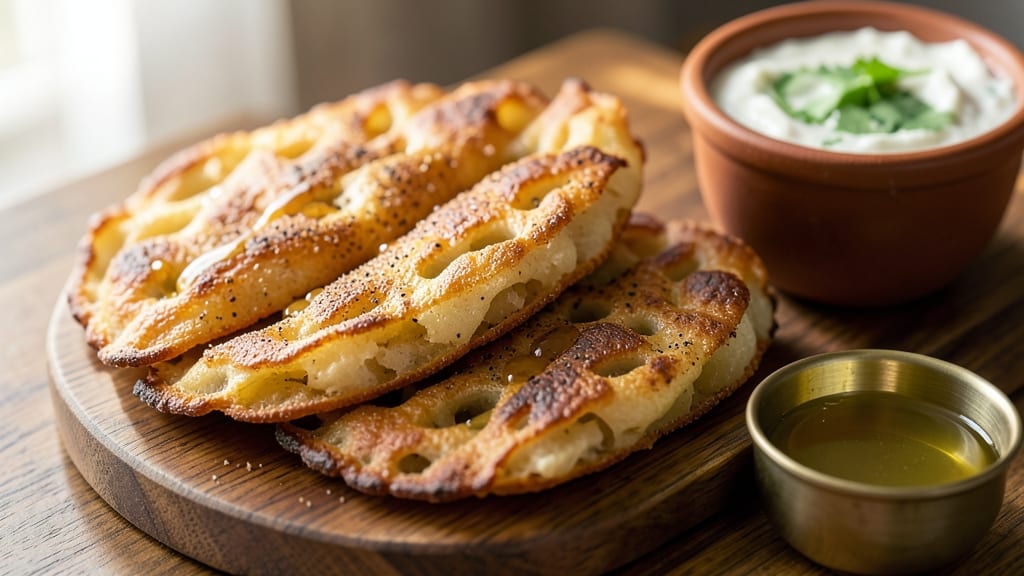
Mastering potato poori means achieving that perfect balance of crispy edges and tender centers—something I perfected after years of trial and error in my kitchen. This spiced flour flatbread, enriched with mashed potatoes, delivers a satisfying crunch that pairs beautifully with yogurt or mint chutney.
The secret lies in the right batter consistency and precise frying technique, ensuring each poori emerges golden and irresistible.
What sets this recipe apart is its simplicity combined with traditional methods. You'll start with a well-mashed potato base infused with warm spices like cumin and turmeric, then combine it with flour and a touch of yogurt for that signature softness.
The key to crispy perfection is frying in small batches over medium heat, allowing the pooris to puff gently while developing those coveted golden-brown bites.
By the time you're done, you'll have a stack of flaky, spiced flatbreads that are crisp around the edges and tender in the center—ideal for serving with chutneys, pickles, or even as a breakfast staple.
The aroma alone will have everyone asking for seconds, and the texture is impossible to resist. Let's get started on creating these crispy delights.
This recipe works equally well for breakfast or as a side dish, making it incredibly versatile. Once you master the technique, you can experiment with variations like adding grated cheese or herbs for extra flavor.
The beauty of potato poori lies in its adaptability while maintaining that essential crispy texture. Ready to transform simple ingredients into a restaurant-worthy dish?
Ingredients for potato poori
Simple ingredients transform into golden, crispy poori with tender centers—just perfect for breakfast or snacks.
| Ingredient | Amount | Notes |
|---|---|---|
| Russet Potatoes 🥔 | 2 lbs | Peeled, boiled until tender |
| All-Purpose Flour 🌾 | 2 cups | Sifted for light texture |
| Plain Yogurt 🥛 | ½ cup | Full-fat for richness |
| Ghee 🧈 | ¼ cup | Clarified butter for frying |
| Ground Cumin Seeds 🌿 | 1 ½ tsp | Toasted for deeper aroma |
| Turmeric Powder 🧂 | ½ tsp | Freshly ground for vibrant color |
| Red Chili Powder 🌶️ | 1 tsp | Adjust for heat preference |
| Salt 🧂 | 1 ½ tsp | Diamond Crystal preferred |
| Asafoetida Powder 🌿 | ¼ tsp | Optional for authentic flavor |
| Vegetable Oil 🫒 | 2 cups | For shallow frying |
| Fresh Mint Leaves 🍃 | ¼ cup | Chopped, for garnish |
The potatoes are the foundation—Russet yields the fluffiest mash. Boil them until completely tender, then mash smooth with no lumps. Whole Foods or Trader Joe's carry pre-peeled Russets if you're short on time, but peeling yourself ensures cleaner texture. For the flour, King Arthur brand is my go-to—it's finely milled and sifts beautifully. The yogurt should be thick; if it's runny, strain it first. Asafoetida (hing) is optional but adds that authentic Indian touch—find it in the international aisle at Walmart or Indian grocery stores.
No ghee on hand? Unsalted butter works just fine, though ghee has a higher smoke point. Running low on mint? Fresh cilantro or coriander leaves add a different but equally bright flavor. The spices are non-negotiable—toast the cumin seeds in a dry pan for 30 seconds before grinding to deepen their aroma. For a milder heat, reduce the chili powder to 0.5 tsp. The asafoetida powder is potent; start with just a pinch if you're unsure. The vegetable oil should be neutral—Crisco or canola oil work perfectly for frying.
Store the dry flour mixture in an airtight container for up to 2 weeks—it's best made fresh, though. The mashed potatoes can be refrigerated for 1 day before mixing with flour. Once shaped, pooris can be fried immediately or stored between parchment paper for 4 hours before frying. They reheat beautifully in a 200°F oven for 10 minutes—just wrap them in foil to keep them crispy. Freeze extras for 1 month by stacking with parchment between layers.
Why You'll Love This Recipe
- No-Fuss Mash: I’ll admit, I used to dread grating potatoes—peeling, grating, squeezing out water—it was a whole production. But with Russets, you just boil, mash, and mix. The texture stays light, and honestly? No one can tell the difference from the fancy grating method.
- Golden Crisp Magic: That first bite—crispy edges, fluffy inside, and the aroma of ghee sizzling? It’s like a hug in bread form. The cumin seeds toast instantly, adding this nutty warmth that makes every bite feel special. (Yes, even on a Tuesday night.)
- Breakfast or Snack Hero: I keep the batter ready in the fridge, and it’s my go-to for lazy mornings or when friends drop by unannounced. Serve with mint chutney for breakfast, or pair with spicy curry for dinner. It’s the chameleon of Indian snacks—works everywhere.
- Budget-Friendly Staple: Russets are cheap, flour is cheap, and a little ghee goes a long way. I make a big batch, freeze the extras, and reheat them in seconds. No waste, no guilt—just pure, satisfying comfort food that won’t break the bank. (My wallet thanks me.)
Step-by-step instructions for potato poori recipe
Here's how to craft these golden, crispy delights with perfect texture every time.
Prepare the Potato Filling
Begin by boiling the 2 lbs russet potatoes in their skins until fork-tender, about 20-25 minutes. Drain immediately and let them cool slightly before peeling. While still warm, mash them thoroughly with a potato masher or fork until completely smooth—no lumps should remain. This ensures even cooking and crispy texture in your pooris.
In a mixing bowl, combine the mashed potatoes with 0.5 cup plain yogurt, 0.25 cup ghee, 1.5 tsp ground cumin seeds, 0.5 tsp turmeric powder, 1 tsp red chili powder, 1.5 tsp salt, and 0.25 tsp asafoetida powder. Mix vigorously until the ghee is fully incorporated and the mixture reaches a smooth, spreadable consistency. The ghee will give your pooris that signature richness and crispiness, while the spices ensure bold flavor in every bite.
Make the Poori Dough
Create a well in the center of the spiced potato mixture and gradually add the 2 cups all-purpose flour, mixing from the bottom up. The dough should be soft but not sticky—add a splash of water if needed, but don't overdo it. Knead for 5-7 minutes until the dough becomes elastic and smooth. This step is crucial for achieving that signature crispy exterior while keeping the inside tender.
Cover the dough with a damp cloth and let it rest for 30 minutes at room temperature. This resting period allows the gluten to relax, making the dough easier to roll out and preventing cracks during frying. The dough should feel slightly tacky but not wet—adjust with a tiny bit more flour if needed. Divide the dough into 8 equal portions (about 60 grams each) for easy handling.
Roll and Fry the Pooris
Heat 2 cups vegetable oil in a heavy-bottomed pan over medium heat until it reaches 350°F. The oil should be hot enough to create small bubbles around the edges when a dough ball is dropped in—this ensures that perfect golden-brown crust. Roll each dough portion between your palms to form a smooth ball, then roll it out into a 4-inch round using a rolling pin, keeping the thickness even.
Carefully slide the rolled pooris into the hot oil, frying 2-3 at a time to avoid overcrowding. Fry for 2-3 minutes per side, until they turn a deep golden brown with crispy edges. The pooris are done when they puff up slightly and develop a crackly exterior. Use a slotted spoon to remove them and drain on paper towels. The residual heat will continue crisping them as they cool.
Serve with Fresh Garnish
While still warm, transfer the fried pooris to a serving platter. Gently press a few fresh mint leaves into the warm pooris for a burst of freshness and vibrant color. Serve immediately with your favorite chutney or yogurt dip while they're still crispy. The contrast of the warm, spiced pooris with cool mint leaves creates a perfect balance of textures and flavors.
For best results, eat them within 10-15 minutes while they're at their crispiest. If storing, keep them in an airtight container for up to 2 days, but reheat in a dry pan over medium heat for 1-2 minutes to restore their crispiness. The key to perfect pooris lies in the frying temperature and freshness—never compromise on these steps!
Pro Tips For Making Potato Poori
- Boil Potatoes Until Fork-Tender: Russets stay dense if you stop at "soft"—keep them in the water until they collapse under a fork with zero resistance. Over-boiling? No problem; they’ll dry out later when you mash them. (I learned this after mushing a batch that still had a bite.)
- Mix Batter 10 Minutes Early: Let the potato-yogurt dough sit for 10 minutes before frying—this relaxes the gluten just enough for crispier, less dense pooris. Skip this, and you’ll fight uneven cooking. (Yes, even if you’re impatient like me.)
- Use Ghee for Frying: Ghee’s high smoke point and flavor make all the difference—no need for neutral oil. Heat it until it shimmers (not smokes) and fry in batches, or you’ll drown the pooris in grease. (I used oil once; the result was soggy and sad.)
- Press Batter Thin and Even: Spread the dough into a ¼-inch circle, no thicker—this guarantees a crisp edge and fluffy center. Uneven thickness = some pooris burn before others cook through. (My first attempt looked like pancakes. Now they’re perfect.)
Regional styles of this potato poori
North Indian Style
In North India, potato poori often includes a pinch of fennel seeds (1 tsp) along with the cumin, adding a subtle anise-like warmth. I like to use whole wheat flour (1 cup mixed with 1 cup all-purpose) for a nuttier flavor and slightly healthier option.
The batter is sometimes enriched with 1 tbsp grated paneer for extra protein and a creamy texture. Serve with green chutney made from cilantro, mint, and green chilies for that classic North Indian touch. 🌿
South Indian Variations
South Indian versions often incorporate rice flour (½ cup mixed with 1.5 cups all-purpose) for a lighter, crispier texture. I add 1 tsp grated ginger and ½ tsp black pepper to the potato filling for a zesty kick.
The pooris are typically smaller (about 3-inch diameter) and fried in coconut oil instead of vegetable oil. Pair them with coconut chutney or a tangy tamarind dip for a refreshing contrast. 🥥
Maharashtrian Twist
In Maharashtra, potato poori gets a unique flavor boost from 1 tsp ajwain seeds (carom seeds) and ½ tsp chaat masala in the batter. I like to add ½ cup grated sweet potato mixed with the russet potatoes for natural sweetness.
The pooris are often served with neem flowers (optional but traditional) and a side of spicy tamarind chutney. This version is slightly sweeter and more aromatic than others. 🌶️
Gujarati Crispy Style
Gujarati potato poori is all about extra crispiness, achieved by adding 1 tbsp cornstarch to the flour mixture. I also include ½ tsp garam masala in the potato filling for depth. These pooris are larger (about 5-inch diameter) and fried in mustard oil for a distinct flavor.
Serve with sev (crispy chickpea noodles) sprinkled on top and a side of spicy red chutney for a crunchy, flavorful bite. 💛
Punjabi Breakfast Classic
In Punjab, potato poori is a breakfast staple often made with besan (gram flour) (½ cup mixed with 1.5 cups all-purpose) for added protein. I add 1 tsp amchur (dry mango powder) to the filling for a tangy twist.
These pooris are served with mango pickle and a side of white yogurt for a sweet-sour balance. The batter is sometimes rolled slightly thicker to create a heartier texture. 🍑
Nutrition facts
Frequently asked questions
Why do my potato poori turn out greasy instead of crispy?
Greasy pooris usually mean the oil wasn't hot enough (350°F) or the dough had too much moisture. Always test oil temperature by dropping a tiny dough ball—it should sizzle immediately. Also ensure your dough rests for 30 minutes to develop proper structure before rolling.
Can I make potato poori batter ahead of time?
Yes! The dry flour mixture can be stored in an airtight container for 2 weeks, while mashed potatoes keep for 1 day in the fridge. For best results, combine them fresh before frying. Never refrigerate the final dough—it needs to be room temperature for proper puffing.
What's the secret to getting that perfect puff?
The puff comes from trapped steam during frying. Roll your pooris slightly thicker in the center (¼-inch) and fry them in batches over medium-high heat. Avoid overcrowding the pan—this ensures even heat distribution and that signature rise.
Can I use sweet potatoes instead of russet?
Sweet potatoes work but require adjustments. Their natural moisture makes the dough stickier, so add 1 extra tablespoon of flour and reduce yogurt to ¼ cup. Also, sweet potatoes have a different texture—expect slightly denser (but still delicious) pooris.
How do I reheat leftover potato poori?
Reheat in a dry skillet over medium heat for 1-2 minutes per side until crispy again. For oven reheating, wrap in foil and bake at 200°F for 5-7 minutes. Never microwave—it makes them soggy!