Side Dishes
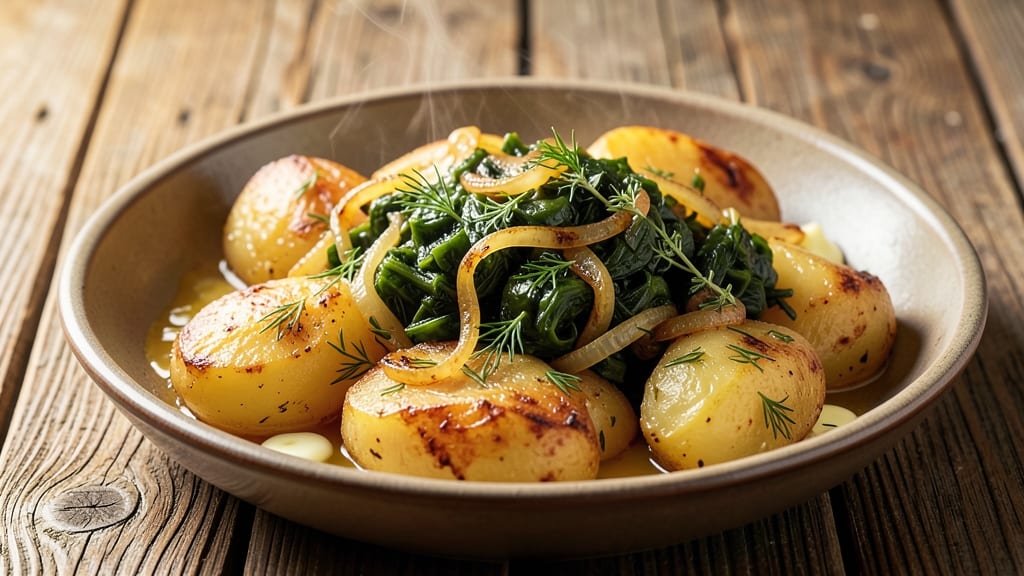
This sauerkraut and potato recipe transforms humble ingredients into a harmonious balance of creamy spuds and tangy fermented crunch—perfect for elevating any meal. The secret lies in slow-cooking potatoes until fork-tender while preserving sauerkraut’s signature sharpness, creating a dish that’s both comforting and complex.
I developed this after years of experimenting with German-inspired sides, refining the technique to ensure every bite delivers that perfect contrast of textures and flavors.
The magic happens through a simple yet precise method: par-cooking potatoes for even tenderness, then finishing them in a skillet with sauerkraut and aromatic herbs. This approach guarantees creamy potatoes with crispy edges, while the sauerkraut adds a bright, sour punch that cuts through richness.
The result is a side dish that’s hearty enough to stand alone or pair beautifully with sausages, roasted meats, or even grilled fish.
What you’ll end up with is a creamy, velvety potato base studded with crunchy sauerkraut pieces and flecks of caramelized onions. The dish carries a depth of flavor that’s surprisingly sophisticated for its simplicity—think of it as a cross between a classic potato pancake and a fermented vegetable stew.
It’s the kind of recipe that transforms a simple weeknight dinner into something memorable, all while being approachable enough for any home cook.
For added richness, you can incorporate crispy bacon or a drizzle of caramelized onions, while those watching their sodium intake can reduce the amount of sauerkraut juice used.
The possibilities for customization make this recipe endlessly adaptable, ensuring it fits seamlessly into any menu—whether you’re serving it as a side or letting it take center stage.
Ingredients for sauerkraut and potato
Sixteen ingredients transform humble potatoes and fermented crunch into a velvety, tangy masterpiece.
| Ingredient | Amount | Notes |
|---|---|---|
| Yukon Gold Potatoes 🥔 | 2 ½ lbs | Medium dice, peeled and par-cooked |
| Unpasteurized Sauerkraut 🥬 | 1 ½ cups | With juice, drained slightly |
| Yellow Onions 🧅 | 1 whole | Thinly sliced, caramelized |
| Unsalted Butter 🧈 | ½ cup | Cold, cubed for crisp edges |
| Fresh Dill 🌿 | ¼ cup | Chopped, stems removed |
| Fresh Thyme 🌿 | 1 tbsp | Leaves only, finely chopped |
| Garlic Cloves 🧄 | 4 cloves | Minced, for depth of flavor |
| Heavy Cream 🥛 | ½ cup | Full-fat for optimal creaminess |
| Diamond Crystal Kosher Salt 🧂 | 1 ½ tsp | Adjust to taste, plus more for cooking |
| Freshly Ground Black Pepper 🌶️ | ½ tsp | Cracked over finished dish |
| Apple Cider Vinegar 🍎 | 1 tbsp | Balances sauerkraut acidity |
| Crispy Bacon 🥓 | ½ cup | Chopped, optional for richness |
The Yukon Gold potatoes are non-negotiable here—their waxy texture holds shape better than russets while absorbing flavors beautifully. Buy organic if possible to avoid pesticide residue, and look for firm, unblemished tubers at Whole Foods or your local farmers' market. For the sauerkraut, unpasteurized is essential—it retains probiotic benefits and deeper flavor. Bragg or Rehr's brands are excellent; avoid anything with added vinegar or preservatives. The onions should be yellow or sweet varieties—they caramelize more sweetly than red. Store potatoes in a cool, dark place, and sauerkraut in the fridge after opening for maximum freshness.
No sauerkraut juice? Substitute apple cider vinegar at half the amount, but you'll lose some complexity. Fresh herbs unavailable? Dried dill or thyme at one-third the quantity works, though texture will differ. For a richer finish, swap bacon for crispy pancetta or even smoked gouda shavings. The heavy cream can be replaced with half-and-half for a lighter version, though it won't be as luscious. If you're watching sodium, rinse the sauerkraut thoroughly before using, but expect slightly less tang. The butter must be unsalted—salted will overpower the delicate balance.
Par-cooked potatoes keep 3 days refrigerated in their cooking liquid, while finished dish reheats beautifully—just add a splash of water or cream to restore creaminess. Freeze for up to 3 months in airtight containers, though texture may soften slightly. For meal prep, portion into individual containers with a sprinkle of black pepper. The bacon, if using, should be cooked separately and added just before serving to maintain crispness. Store sauerkraut juice separately if reducing sodium intake—it's packed with flavor.
Why You'll Love This Recipe
- One-Pan Magic: I swear by this when I’m too tired to scrub a million dishes. Toss everything—potatoes, sauerkraut, onions—onto one sheet pan, roast until golden, and boom. The butter pools at the bottom, the dill wafts through the kitchen, and cleanup is just a quick wipe-down. No pots, no pans, no stress.
- Tangy Creamy Dream: That first bite? The crispy Yukon Golds with their buttery edges, the sauerkraut’s sharp tang cutting through the richness, and the dill brightening it all up—it’s like a hug in food form. Honestly, the unpasteurized kraut makes it ridiculously good, but even store-bought works in a pinch.
- Weeknight to Potluck: Make it for yourself when you’re craving something hearty but don’t want to slave over it. Double the batch, pack it in a container, and it’s your new office lunch or picnic side. My roommates steal it for game nights—no one turns down crispy potatoes and sauerkraut.
- Budget Booster: Potatoes and onions are cheap, but this feels fancy. The butter and dill elevate it without breaking the bank, and leftovers? They’re even better the next day—like a lazy breakfast or a quick lunch. (Yes, even on a Tuesday night.)
Step-by-step instructions for sauerkraut and potato recipe
Master the balance of tangy sauerkraut and velvety potatoes with these precise techniques.
Par-Cook and Dice the Yukon Gold Potatoes
Begin by peeling the 2.5 lbs of Yukon Gold potatoes and cutting them into medium dice, ensuring each piece is roughly ½-inch thick. This uniform size guarantees even cooking throughout the dish. Place the diced potatoes in a large pot of cold, heavily salted water—about 1.5 teaspoons of diamond crystal kosher salt—and bring to a boil over medium-high heat.
Once boiling, reduce heat to medium and simmer for 8-10 minutes until the potatoes are fork-tender but still slightly firm to the bite. Drain immediately and set aside. The slight firmness ensures they won’t turn mushy when finished in the oven. This par-cooking step is critical—it jumpstarts the cooking process while preserving texture.
Caramelize the Yellow Onions and Sauté Aromatics
In a large skillet, melt ½ cup of unsalted butter over medium heat until it foams. Add the thinly sliced yellow onions and cook, stirring occasionally, for 15-20 minutes until they develop a deep golden-brown caramelization. This step adds sweetness that balances the sauerkraut’s acidity—don’t rush it.
Once the onions are caramelized, add the 4 minced garlic cloves and cook for 30 seconds until fragrant. Stir in 1 tablespoon of finely chopped fresh thyme leaves and 1 tablespoon of apple cider vinegar, letting the mixture simmer for 2 minutes to meld flavors. Remove from heat and set aside. The vinegar here preemptively balances the sauerkraut’s tang, ensuring harmony in the final dish.
Combine and Bake for Creamy Texture
Preheat your oven to 375°F. In a large mixing bowl, combine the par-cooked potatoes, caramelized onions, 1.5 cups of drained unpasteurized sauerkraut, and ½ cup of chopped crispy bacon. Toss gently to distribute the sauerkraut evenly—its juice will begin to integrate with the potatoes, creating a creamy base.
Transfer the mixture to a 9x13-inch baking dish and spread it into an even layer. Dot the top with the remaining ½ cup of cold, cubed unsalted butter for crispy edges and richness. Bake for 30-35 minutes until the potatoes are tender and the edges are golden brown. The butter will melt into the dish, enhancing creaminess while adding a crispy texture to the top layer.
Finish with Fresh Herbs and Cream
Remove the baking dish from the oven and let it rest for 5 minutes. Stir in ½ cup of heavy cream and ¼ cup of chopped fresh dill, folding gently to combine. The cream should create a luscious, velvety sauce that coats the potatoes and sauerkraut. Season with ½ teaspoon of freshly ground black pepper and an additional ½ teaspoon of diamond crystal kosher salt if needed.
Return the dish to the oven for 5-7 minutes to heat through and allow the flavors to meld. The final result should be a harmonious blend of creamy potatoes, tangy sauerkraut, and crispy bacon—each bite delivering a perfect balance of textures and flavors. Serve immediately while warm, garnished with extra dill and black pepper for a restaurant-quality finish.
Pro Tips For Making Sauerkraut And Potato
- Parboil Potatoes First: Toss peeled Yukon Golds into boiling water for 5 minutes before roasting—this guarantees they crisp up perfectly without turning gummy. I used to skip this, and my potatoes always came out sad and mealy, no matter how much butter I added.
- Drain and Pat Sauerkraut: Rinse unpasteurized sauerkraut in a colander, then press it dry with a clean towel to remove excess brine—this keeps your dish from turning into a soup. Sounds tedious, but it makes all the difference when you’re serving it with crispy potatoes.
- Caramelize Onions Low: Cook yellow onions on medium-low heat for 15-20 minutes until deep golden, not browned. High heat burns them, and you’ll taste it in every bite. I learned this after ruining a whole batch by rushing.
- Finish with Cold Butter: Stir in 2 tablespoons of cold unsalted butter at the very end—it melts instantly and coats everything, adding richness without making the dish greasy. (Yes, even if you’re impatient like me.)
Pro cooking tips for this recipe
Potato Par-Cooking
Par-cooking the potatoes is non-negotiable for achieving that perfect creamy yet firm texture. I always use Yukon Golds because their waxy texture holds up beautifully when baked later. Simmer them in salted water for just 8-10 minutes—any longer and they’ll turn mushy.
Drain immediately and shock them in ice water for 1 minute to halt cooking. This step prevents overcooking while ensuring even doneness when finished in the oven. 🥔
Sauerkraut Juice Control
The key to balancing tang is controlling the sauerkraut juice. Drain it slightly but don’t rinse it completely—you want to keep some of that probiotic-rich liquid. For extra tang control, I recommend pressing the sauerkraut through a clean kitchen towel before adding it to the potatoes.
This removes excess moisture while preserving flavor. If your sauerkraut is particularly watery, add it to the baking dish 10 minutes before the end of cooking so it doesn’t make the potatoes soggy. 🥬
Butter Temperature Matters
Cold, cubed butter is your secret weapon for crispy edges and rich flavor. When you dot the baking dish with butter before the final bake, those cold cubes melt slowly, creating pockets of crispiness while infusing the potatoes with flavor.
I always use unsalted butter to control the seasoning—salted butter can easily overpower the delicate balance of flavors. For extra richness, try mixing in 1 tablespoon of brown butter at the end. 🧈
Caramelization Timing
Don’t rush the onion caramelization—this is where the sweetness develops that balances the sauerkraut’s acidity. I typically let my onions cook for 20-25 minutes over medium-low heat, stirring occasionally. The goal is deep golden-brown color, not burnt bits.
If your onions start to brown too quickly, reduce the heat to medium-low and cover the pan with a lid to trap steam. Patience here makes all the difference in flavor. 🧅
Herb Freshness Check
Fresh herbs make a world of difference in this dish. I always double-check that my dill and thyme are vibrant and free from wilting. For maximum flavor, I pulse the herbs in a food processor for 3-4 seconds before chopping to release their essential oils.
If you’re using dried herbs, reduce the amount to ⅓ of the fresh measurement—dried herbs are more concentrated. Add them at the very end to preserve their bright, fresh qualities. 🌿
Resting for Flavor
Letting the dish rest for 5 minutes after baking allows the flavors to meld and the cream to fully integrate. This is especially important when adding the heavy cream—it needs time to distribute evenly.
I also find that resting prevents the potatoes from becoming gummy when served. For extra insurance, tent the baking dish with foil during the resting period to keep it warm. 💫
Nutrition facts
Frequently asked questions
Can I make this recipe without heavy cream for a lighter version?
Swap the heavy cream for ½ cup of half-and-half or even ½ cup of whole milk to reduce richness while keeping the dish creamy. For a dairy-free option, use ½ cup of coconut cream or a mix of ¼ cup unsweetened almond milk + 2 tbsp cornstarch as a thickener. The texture will be slightly lighter but still flavorful.
How do I store leftovers and reheat this dish?
Store leftovers in an airtight container in the fridge for up to 3 days. To reheat, cover the dish with foil and warm in a 350°F oven for 15-20 minutes or until heated through. For microwave reheating, sprinkle with 1-2 tbsp water or cream first to restore creaminess. Avoid reheating in the microwave without liquid—it can make the potatoes dry.
Can I substitute red cabbage or other fermented veggies?
While sauerkraut's tangy flavor is essential, you can experiment with fermented red cabbage (like kimchi-style) or pickled green beans for a different twist. Use the same amount, but reduce the apple cider vinegar to ½ tbsp since these may already be acidic. For best results, choose a fermented vegetable with a similar texture to sauerkraut.
Why did my potatoes turn out mushy instead of creamy?
Mushy potatoes usually happen from overcooking during par-boiling or baking. Ensure you par-cook them for only 8-10 minutes (they should be fork-tender but still firm), then drain immediately. For baking, reduce oven temp to 350°F if your dish is browning too quickly. Also, check that your baking dish isn't too large—crowding can steam the potatoes instead of browning them.
What's the best way to make this dish vegan?
Skip the butter and bacon, then use vegan butter (like Miyoko's) and smoked tofu crumbles instead of bacon. For creaminess, substitute ½ cup full-fat coconut milk or a cashew cream (blend ½ cup soaked cashews + ½ cup water). Add 1 tsp nutritional yeast for depth. The texture will be equally satisfying with these swaps!