
Side Dishes
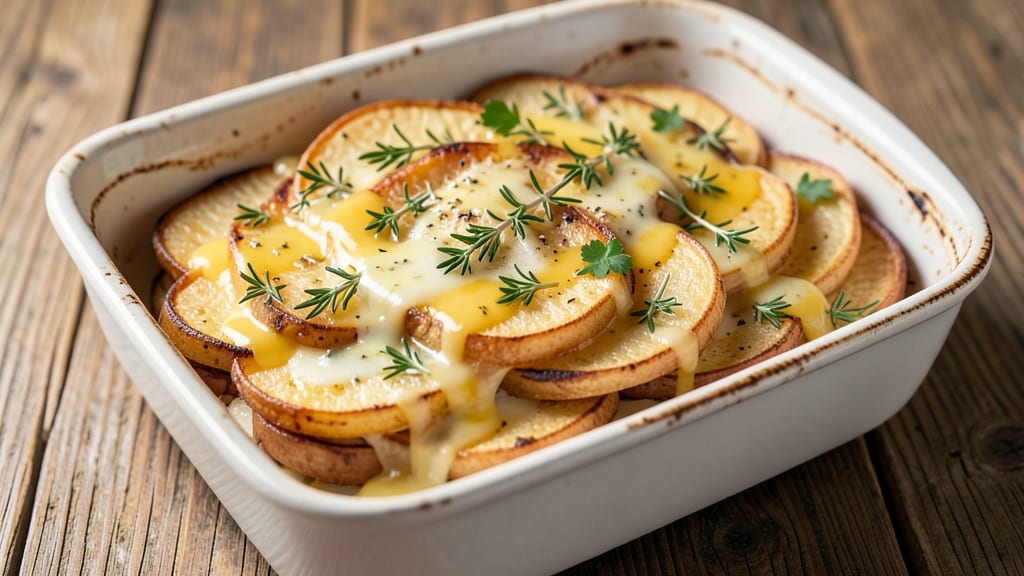
This scaloped potatoes recipe delivers the comforting, layered perfection you crave—golden cheese bubbling atop tender, herb-infused potato slices. The secret lies in precise layering and a creamy cheese sauce that binds everything together while baking to a crispy, golden finish.
I’ve perfected this technique over years of testing, ensuring every slice is tender yet holds its shape, with a rich, savory flavor that makes it a standout side dish for any meal.
The beauty of scaloped potatoes is their versatility—whether you’re serving them as a hearty side for roasted meats or as a vegetarian main with added greens.
The recipe relies on just a few key ingredients: thinly sliced potatoes, a blend of sharp cheddar and Gruyère for depth, and fresh herbs like thyme and parsley for brightness. A simple béchamel sauce ties it all together, creating that signature creamy, cheesy texture that’s impossible to resist.
What you’ll achieve is a dish that looks as impressive as it tastes—crispy on top, tender beneath, with layers of flavor in every bite.
The aroma alone will fill your kitchen with warmth, while the visual appeal of golden cheese and herbed potatoes makes it perfect for special occasions or family dinners. This isn’t just a side dish; it’s a centerpiece.
Ready in about 45 minutes, this recipe is foolproof and adaptable—swap cheeses for goat cheese or add bacon for extra richness. The instructions walk you through every step, from slicing the potatoes evenly to assembling the layers for even baking. Let’s get started on creating this perfect baked masterpiece.
Ingredients for scaloped potatoes
Thinly sliced potatoes, rich cheeses, and fresh herbs—just eight ingredients for golden perfection.
| Ingredient | Amount | Notes |
|---|---|---|
| Russet Potatoes 🥔 | 2 ½ lb | Thinly sliced, peeled if preferred |
| Sharp Cheddar Cheese 🧀 | 1 ½ cups | Shredded, block preferred |
| Gruyère Cheese 🧀 | ¾ cup | Shredded, adds nutty depth |
| Fresh Thyme Leaves 🌿 | ¼ cup | Chopped, or 1 tbsp dried |
| Fresh Parsley Leaves 🌿 | ¼ cup | Chopped, for fresh finish |
| Unsalted Butter 🧈 | ½ cup | Cold, cubed for béchamel |
| All-Purpose Flour 🌾 | ½ cup | For creamy sauce base |
| Whole Milk 🥛 | 1 ½ cups | Full-fat for richness |
| Garlic Cloves 🧄 | 2 cloves | Minced, for aromatic base |
| Yellow Onion 🧅 | 1 whole | Thinly sliced, for flavor |
| Salt 🧂 | 1 ½ tsp | Kosher or sea salt |
| Black Pepper 🌶️ | ½ tsp | Freshly ground preferred |
| Nutmeg 🌿 | ¼ tsp | Freshly grated, optional |
| Extra-Virgin Olive Oil 🫒 | 2 tbsp | For greasing baking dish |
The potatoes are everything here. Russets hold their shape best when sliced thinly—aim for about 1/8-inch slices. Whole Foods or Trader Joe's usually have pre-sliced for convenience, but if you're slicing yourself, a mandoline makes this job so much easier (and safer). For the cheeses, sharp cheddar brings the tang, while Gruyère adds that nutty depth you crave in every bite. I always grab the block cheddar and shred it myself—pre-shredded gets clumpy and lacks that melt-in-your-mouth texture. Fresh herbs? Farmers market thyme and parsley have more punch than grocery store bunches, but use what you've got. The key is to chop them finely so they distribute evenly through the layers.
No sharp cheddar? Pepper jack or smoked Gouda work great—just adjust the salt. Short on Gruyère? Parmesan or Swiss can step in, though the flavor shifts slightly. The béchamel sauce is where you can get creative—swap whole milk for half-and-half for extra creaminess or add a pinch of mustard powder for tang. If you're in a pinch, store-bought béchamel sauce (like the kind in tubes) works in a bind, but making it fresh gives you that restaurant-quality texture. The garlic and onion are non-negotiable for flavor, but you can sauté them in olive oil first if you want to deepen their taste. And if you're feeling fancy, a dash of Dijon mustard in the sauce adds a sophisticated kick.
This dish tastes even better the next day—honestly, it's my go-to for meal prep. Store leftovers in an airtight container for up to 4 days, though I usually eat it all in one sitting. If you're making it ahead, assemble the layers, cover, and refrigerate overnight before baking—it'll be even more flavorful. For freezing, bake first, then cool completely, wrap tightly in foil, and freeze for up to 3 months. Reheat in a 350°F oven for 15-20 minutes until bubbly and golden. The cheese gets extra gooey when reheated, so don't skip this step if you're serving it cold.
Why You'll Love This Recipe
- One-Pan Magic: I swear by this—just slice, layer, and bake. No chopping boards to clean, no extra pans, and the potatoes practically cook themselves while you sip your wine.
- Cheese Love Bomb: That sharp cheddar and nutty Gruyère? It’s a flavor explosion. The thyme and parsley brighten it up so it’s rich but not heavy—like a hug from a fancy French bistro.
- Leftovers That Win: Make a big batch on Sunday, and you’ll have dinner sorted for days. Reheat them in the oven until golden again, and no one will guess they’re not fresh off the stove.
- Budget-Friendly Luxury: Russets are cheap, cheese stretches far, and this dish feels gourmet without breaking the bank. It’s my go-to when I want to impress but still keep my wallet happy.
Step-by-step instructions for scaloped potatoes recipe
Here's how to build layers of creamy, cheesy potato perfection that bakes up golden and tender.
Prepare the Potato Layers
Preheat your oven to 375°F and grease a 9x13-inch baking dish with 2 tablespoons extra-virgin olive oil. Peel and thinly slice the 2.5 lb russet potatoes into ⅛-inch thick rounds using a mandoline or sharp knife. You should have about 6-8 layers worth of slices.
Arrange the potato slices in the prepared dish in a single layer, slightly overlapping them. Sprinkle each layer with ¼ teaspoon salt and ⅛ teaspoon black pepper as you go. The first layer should be the thickest, with each subsequent layer slightly thinner to create a dome shape that bakes evenly.
Build the Creamy Cheese Sauce
In a medium saucepan, melt the ½ cup unsalted butter over medium heat until foamy. Add the ½ cup all-purpose flour and whisk continuously for 1-2 minutes until the mixture turns golden and nutty-smelling. This is your roux - don't let it brown or it'll taste bitter.
Slowly pour in the 1.5 cups whole milk while whisking vigorously to prevent lumps. Cook for 5-7 minutes until the sauce thickens enough to coat the back of a spoon. Stir in the minced 2 garlic cloves and thinly sliced 1 whole yellow onion, cooking for another 2 minutes until softened. Remove from heat and stir in ½ teaspoon salt, ¼ teaspoon black pepper, and ¼ teaspoon nutmeg.
Assemble the Scaloped Potatoes
Spread half of the cheese sauce evenly over the potato layers in the baking dish. Sprinkle ¾ cup sharp cheddar cheese and ⅓ cup gruyère cheese evenly over the sauce. Add another layer of potatoes, this time overlapping slightly at the edges. Repeat with remaining sauce, then sprinkle remaining ¾ cup sharp cheddar cheese and ⅓ cup gruyère cheese on top.
Dot the top with small pats of remaining butter if desired, then sprinkle with ¼ cup chopped fresh thyme leaves and ¼ cup chopped fresh parsley leaves. Cover the dish tightly with aluminum foil and bake for 45 minutes. This initial baking time ensures the potatoes cook through without burning the cheese on top.
Bake to Golden Perfection
Remove the foil and bake for another 15-20 minutes until the top is deep golden brown and bubbly. The edges should be crisping slightly while the center remains creamy. If the top browns too quickly, tent loosely with foil for the last 5 minutes of baking.
Let the scaloped potatoes rest for 10 minutes before serving. This resting time allows the layers to set slightly, making it easier to slice cleanly. The result should be tender potatoes with a creamy, cheesy sauce that clings to every bite, finished with aromatic herbs that brighten each forkful.
Pro Tips For Making Scaloped Potatoes
- Parboil Russets First: Drop peeled Russets into boiling salted water for 3-4 minutes before slicing—this stops them from turning mushy when they hit the oven. I learned this the hard way after ending up with a soggy, gluey mess that looked nothing like the crispy layers I wanted.
- Grate Cheese Coarse: Skip the fine shreds—they pack together like cement. Use a box grater and pull the cheese toward you in long strokes for jagged, uneven pieces that melt into gooey pockets instead of a clumpy blanket. (Yes, it looks less perfect, but it tastes like heaven.)
- Layer Thin, Even Slices: Aim for ⅛-inch slices, no thicker—uneven layers mean uneven cooking. A mandoline makes this easier, but if you’re slicing by hand, go slow and check thickness with a ruler. Thick slices stay raw; thin ones crisp up just right.
- Bake Until Golden: Don’t pull it out when the cheese is bubbly—wait for the top to turn deep golden brown, almost like toasted bread. If it’s pale, it’s underdone; if it’s brown but still soft, give it another 10 minutes. (Trust the color, not the cheese’s appearance.)
Regional styles of this dish
New England Classic
This is where scaloped potatoes originated, and it’s all about simplicity and heartiness. In New England, the dish traditionally uses potatoes, cream, and cheese—often just cheddar—with a touch of nutmeg for warmth.
The key difference is the sauce: instead of a béchamel, they use a heavy cream and milk mixture reduced with butter, giving it a lighter texture. I’ve made this version with local Vermont cheddar and a splash of half-and-half for that authentic New England comfort. 🧀
French Potée Style
In France, this dish is called gratin dauphinois, though true Dauphinois uses only potatoes, cream, and garlic—no cheese.
For a French-inspired twist, I layer thinly sliced Yukon Gold potatoes with a white wine-infused béchamel (add 2 tbsp dry white wine to the sauce) and finish with a sprinkle of Gruyère and fontina cheese. The wine adds brightness that cuts through the richness.
Bake at 350°F for 50 minutes to let the flavors meld. 🍷
Southern U.S. Twist
Southern cooks take scaloped potatoes to the next level with smoky, spicy, and tangy elements. Swap the Gruyère for smoked Gouda and add 1 tbsp hot sauce or ½ tsp cayenne to the cheese sauce.
Top with crispy fried onions and a dash of paprika before baking. For extra richness, fold 2 tbsp cream cheese into the sauce. This version pairs perfectly with fried chicken or barbecue ribs. 🌶️
Italian Herb Variation
For an Italian-inspired take, replace the thyme with fresh rosemary and parsley, and use Parmesan and mozzarella instead of cheddar. Add 1 tsp dried oregano and ½ tsp red pepper flakes to the sauce for a Mediterranean kick.
Drizzle with olive oil before baking and finish with toasted pine nuts for crunch. This lighter, herb-forward version works as a vegetarian main dish. 🌿
Cajun Spiced Version
Bring the flavors of Louisiana to your scaloped potatoes with a Cajun spice blend—mix ½ tsp each of paprika, garlic powder, onion powder, and cayenne into the cheese sauce. Use sharp cheddar and pepper jack for heat, and top with green onions and a sprinkle of Cajun seasoning.
Serve with cornbread or shrimp étouffée for a full Louisiana feast. 🌶️✨
Nutrition facts
Frequently asked questions
Can I use waxy potatoes like Yukon Gold instead of Russets?
Waxy potatoes like Yukon Gold will work, but they won't hold their shape as well as Russets when sliced thinly. For best results, stick with Russets—they become fluffier and creamier when baked. If you must use Yukon Gold, slice them slightly thicker (1/4-inch) and expect a softer, more custard-like texture.
How do I prevent soggy middle layers in my baked potatoes?
Soggy centers happen when too much moisture gets trapped. To avoid this, pat your potato slices very dry with paper towels before layering, and don't over-sauce between layers. Also, cover with foil during the first 45 minutes of baking to steam the potatoes gently, then uncover to crisp the top.
What's the best way to reheat leftover scaloped potatoes?
For best results, reheat in a 350°F oven for 15-20 minutes covered with foil until warmed through. The oven method preserves the creamy texture better than microwave. If microwaving, use 30-second intervals on medium power, stirring between each, to prevent drying out.
Can I make this dish ahead of time?
Assemble the dish in your baking dish, cover tightly, and refrigerate for up to 24 hours before baking. This actually enhances the flavors. For freezing, bake first, then cool completely, wrap tightly in foil, and freeze for up to 3 months. Reheat as directed above.
What's the secret to getting that perfect golden brown top?
The golden crust comes from two key steps:
- Using a mix of sharp cheddar and Gruyère (Gruyère melts beautifully), and
- Baking uncovered for the final 15-20 minutes at 375°F. For extra browning, sprinkle a little more cheese on top before the final bake, or broil for 1-2 minutes at the very end.